Crochet hooks
Filter by brand





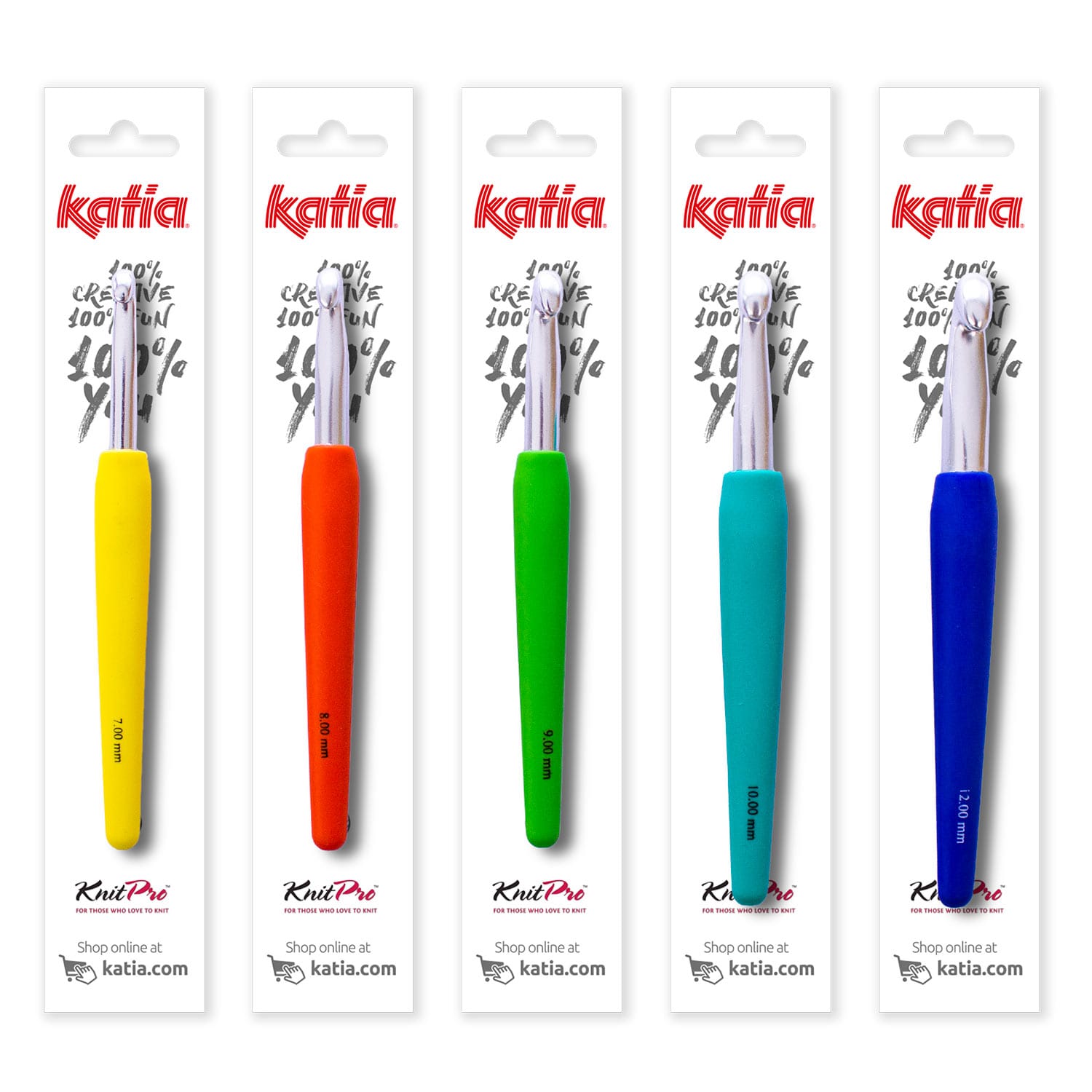

KnitPro aluminium crochet hooks with soft grips (2–12 mm)
Price range: 3,65 € through 4,95 €
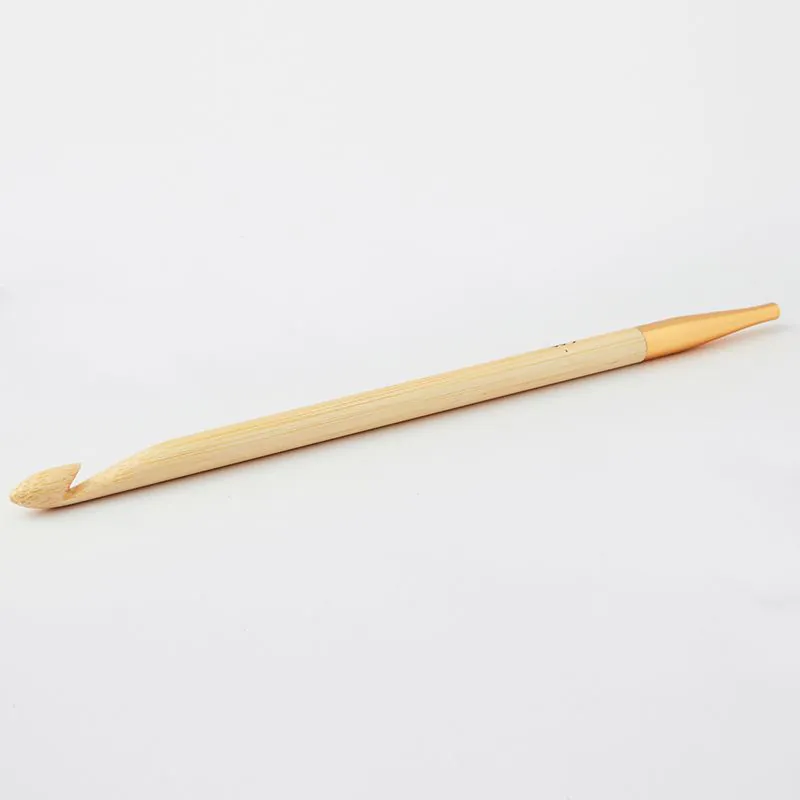
KnitPro BAMBOO Tunisian/Afghan crochet hooks (3–4 mm)
Price range: 7,25 € through 7,95 €
KnitPro Ginger wooden crochet hooks (3–5 mm)
Price range: 6,75 € through 7,95 €
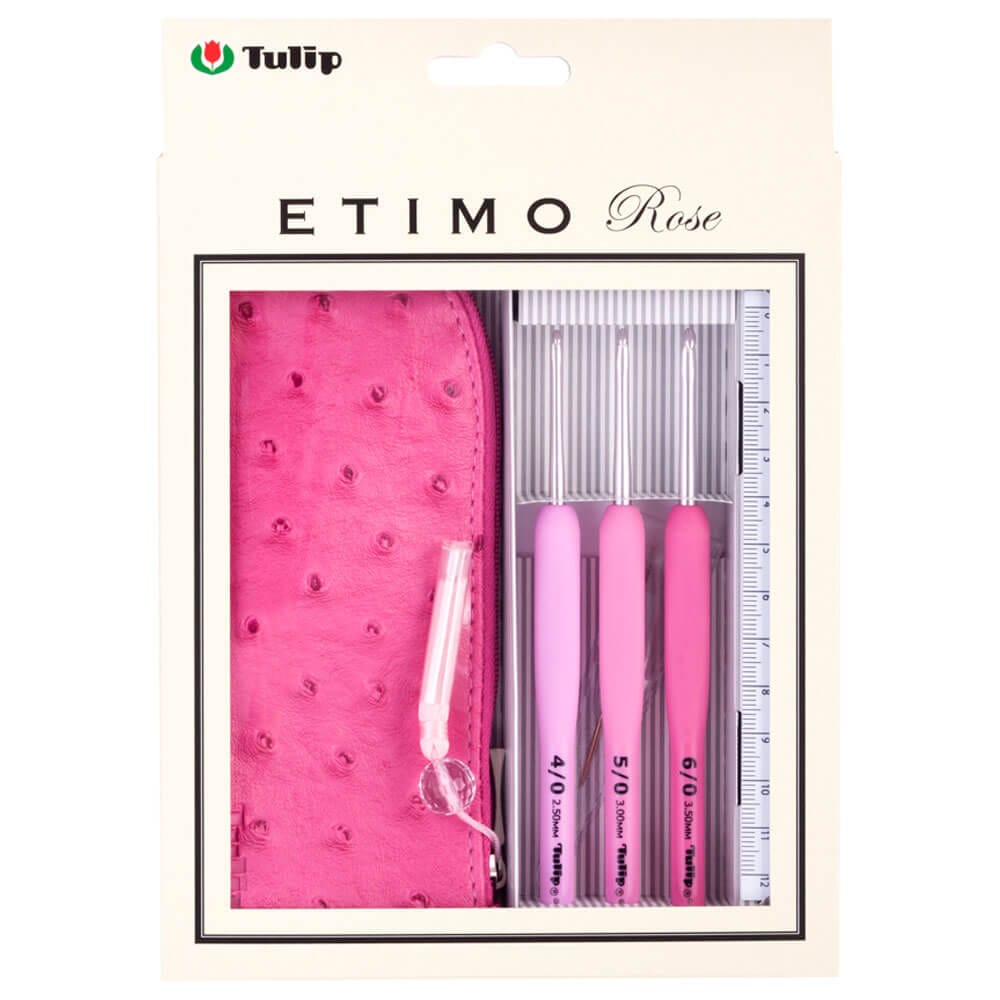


Crochet hooks: choosing the size, material and handle
A suitable crochet hook helps you control the yarn, form even stitches and achieve the gauge specified in your pattern. Hooks differ in more than diameter: the head shape, shaft length, material, surface finish and handle all affect how they feel. Hooks of the same size from different manufacturers can therefore feel different in use.
Consider the yarn weight, your project and how tightly you crochet. The hook size on the yarn label is a starting point; use a crocheted swatch, washed as appropriate for the finished item, to confirm your choice.
How to choose a hook size
Hook sizes are usually given in millimetres. A smaller number means a finer hook; a larger number means a thicker one. Fine hooks are used with fine cotton thread for lace and small details, while larger hooks suit thicker yarns and crochet cord. Yarn weight alone is not enough: a hook that is too small can produce stiff fabric, while one that is too large can leave stitches too loose.
If the finished measurements matter, crochet a swatch and compare the stitch and row counts over the measurement specified in the pattern. If you crochet tightly, you may need a larger hook; if you crochet loosely, a smaller one may help. Amigurumi toys usually need a firm fabric, while garments and shawls often benefit from more flexibility and drape.
Metal, bamboo or plastic?
- Metal hooks often have a smooth surface that lets the yarn glide easily. Very fine hooks are commonly made of steel and used with fine thread for lace.
- Aluminium hooks are lightweight, often colour-coded by size and suitable for many everyday projects.
- Bamboo or wooden hooks feel warmer and can provide more grip, which may help when working with slippery yarn.
- Plastic hooks are lightweight; larger sizes can be convenient for chunky yarn and cord.
No material suits everyone. A surface with more grip may help with smooth yarn, while a smoother hook may suit yarn that does not slide easily. Your preferred grip also matters.
Ergonomic hooks and handles
An ergonomic hook usually has a thicker, softer or shaped handle. This may make it more comfortable to hold without gripping a thin shaft tightly, but comfort is individual. Check the handle length, shape and material, as well as the distance from the thumb rest to the hook head. Choose a tool that suits the way you hold it.
A single hook or a set?
A single hook is practical when you know the size you need or want to try a particular shape. A crochet hook set can be useful when you use different yarn weights, adjust your gauge or want the same handle shape in several sizes. Check the exact size range, the sizes included and whether the set comes with a case.
Tunisian and double-ended hooks
Tunisian crochet uses a longer hook or a hook with a cable because several loops are held on the tool at once. Double-ended tools may be designed for particular techniques or combine a crochet hook with a knitting needle tip. Check the length, the size of each end and whether the tool suits your intended technique.
Choosing a hook for your project
For summer garments and toys made with cotton yarn, choose a hook head that catches the yarn easily and gives you good control. With fluffy yarn, check that the head catches the strand without splitting it. For bags made from cord, a sturdy hook of a suitable size and a comfortable handle can help. Explore yarn for knitting and crochet and the full knitting needles and crochet hooks category. Choose the hook that gives you the required gauge and feels comfortable with your yarn.