Multicolour yarn








Concept by Katia BABY CARE MERINO (100% merino wool)

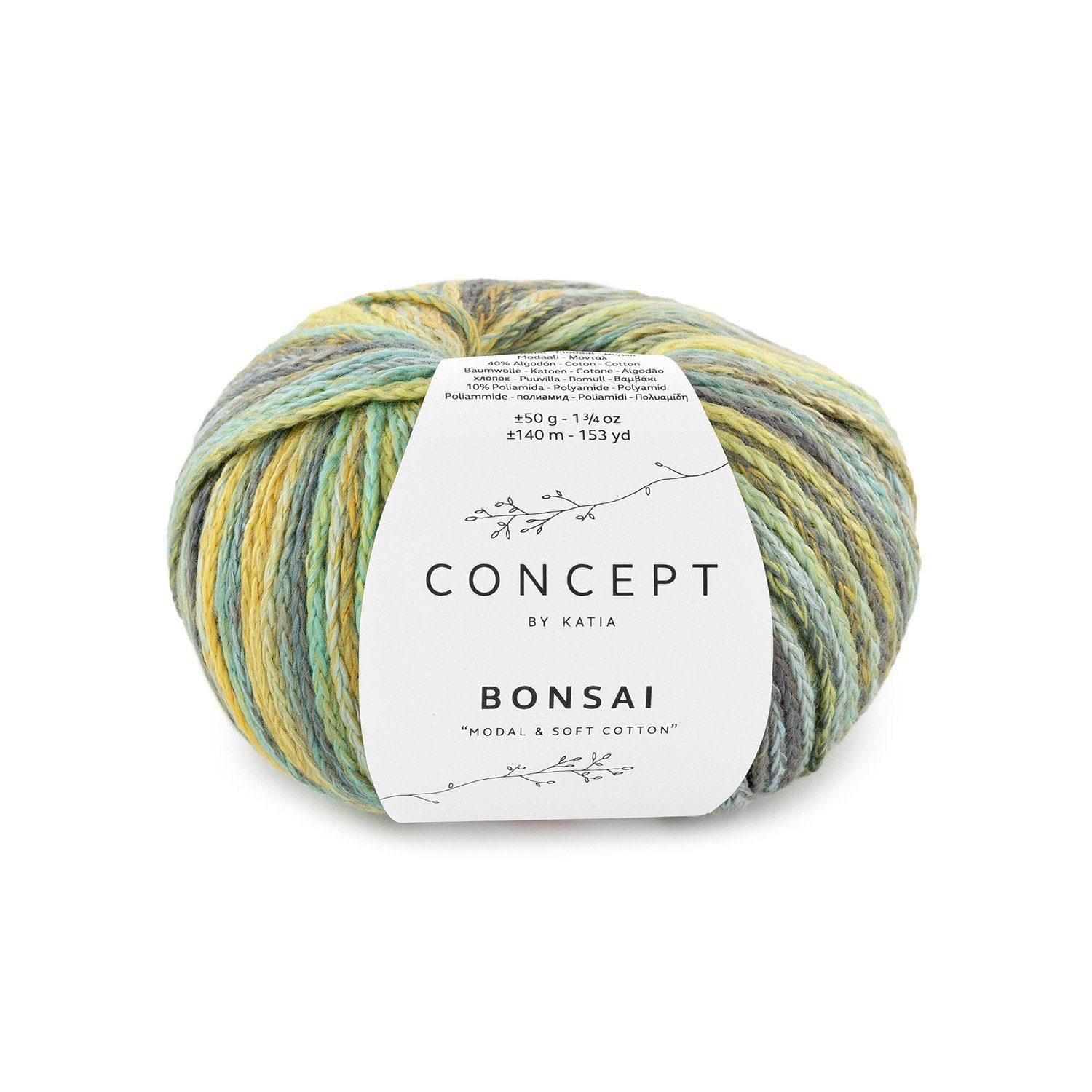
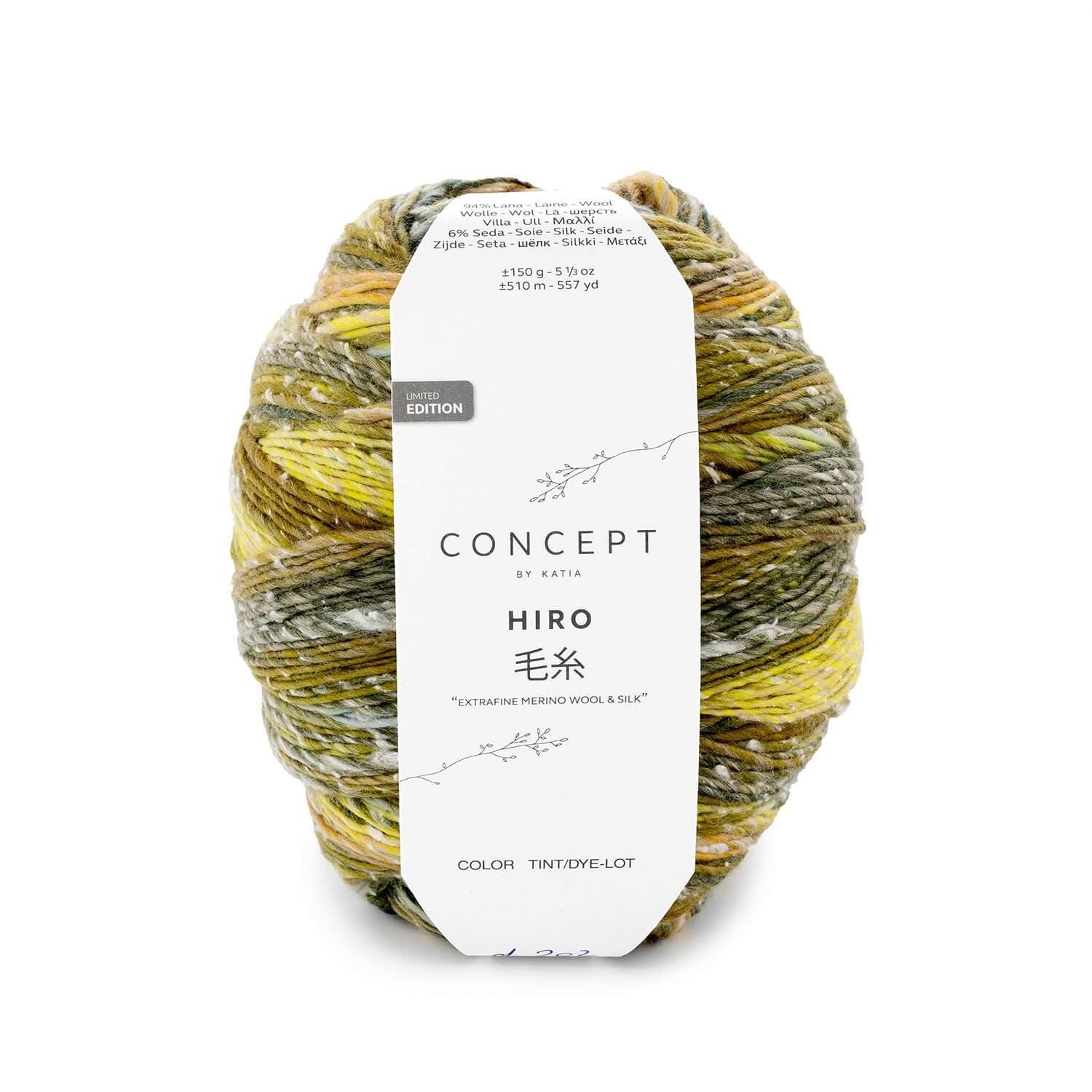
Concept by Katia HIRO (merino wool, silk)

Concept by Katia SYMMETRIC SOCKS & MORE-DEGRADÉ (wool, polyamide)
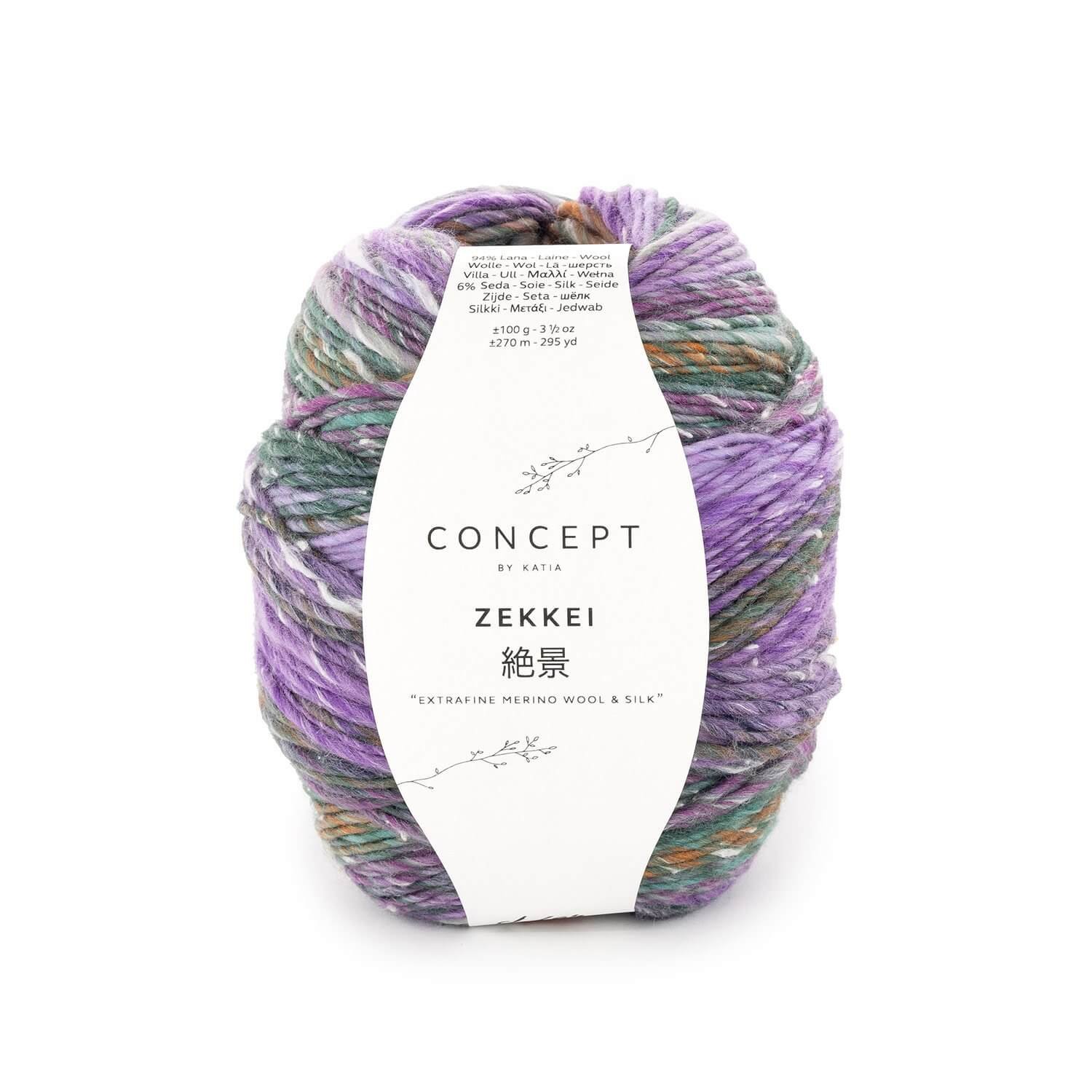
Concept by Katia ZEKKEI (merino wool, silk)
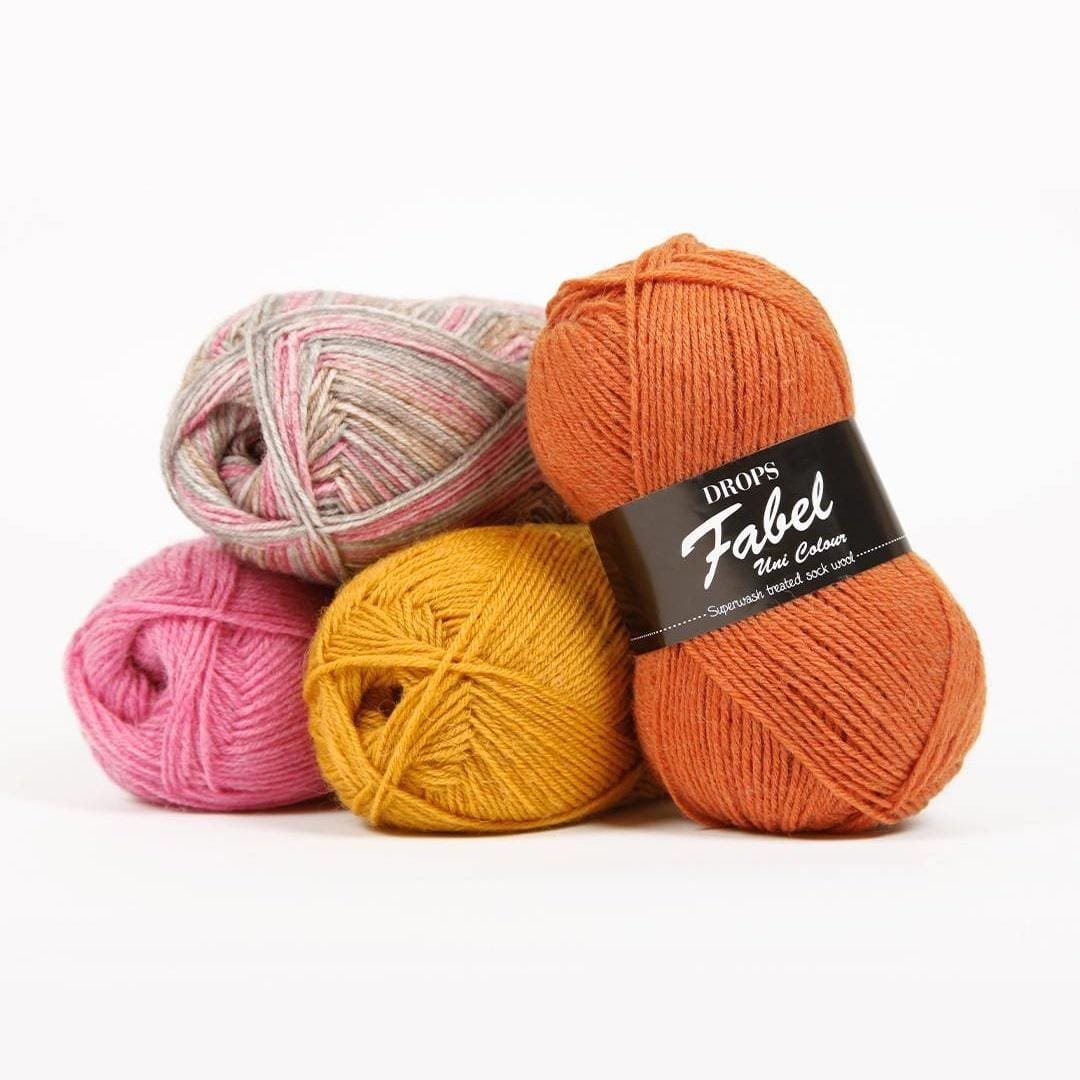
DROPS FABEL (wool, polyamide)
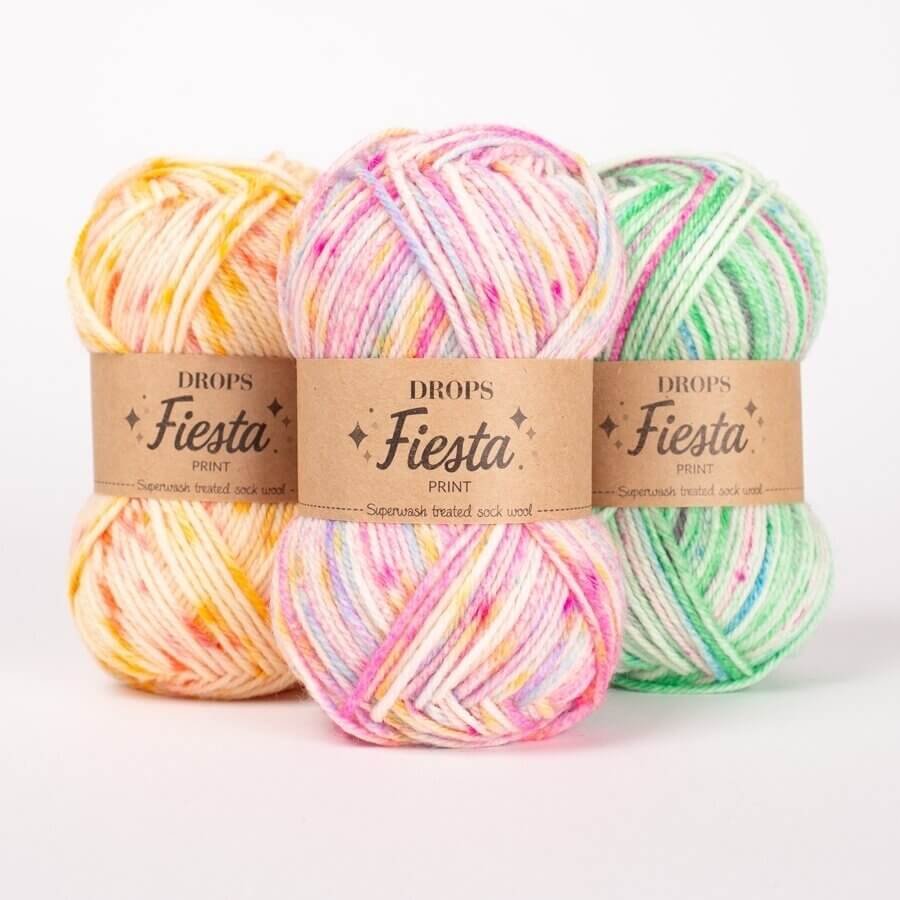
DROPS Fiesta (75% wool, 25% polyamide)
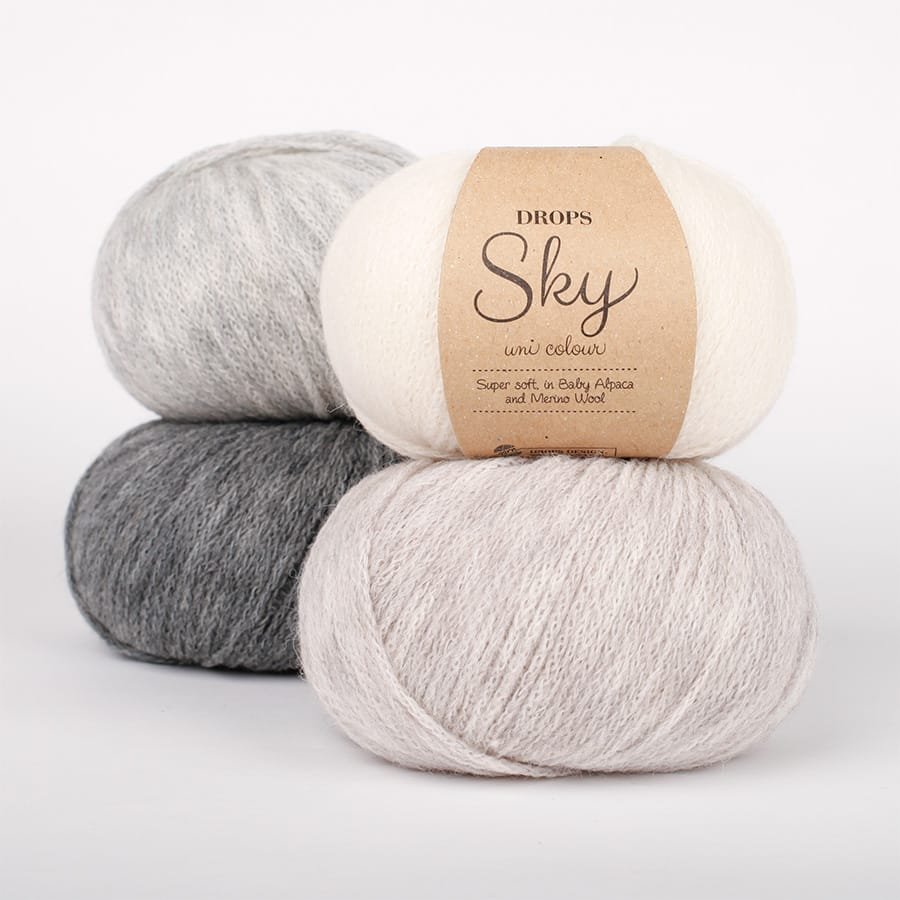
DROPS SKY (alpaca, merino wool)
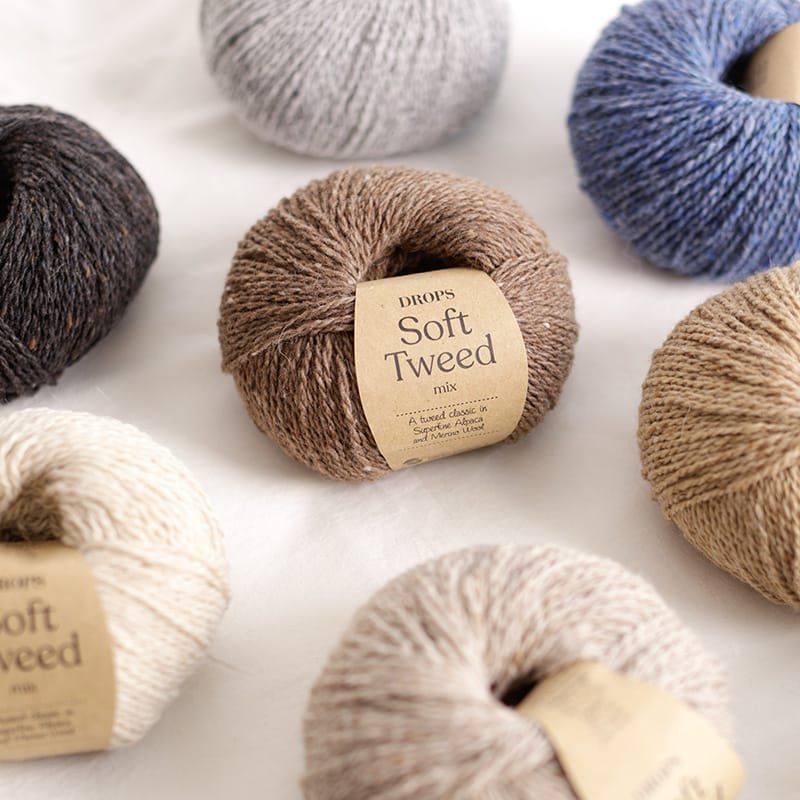


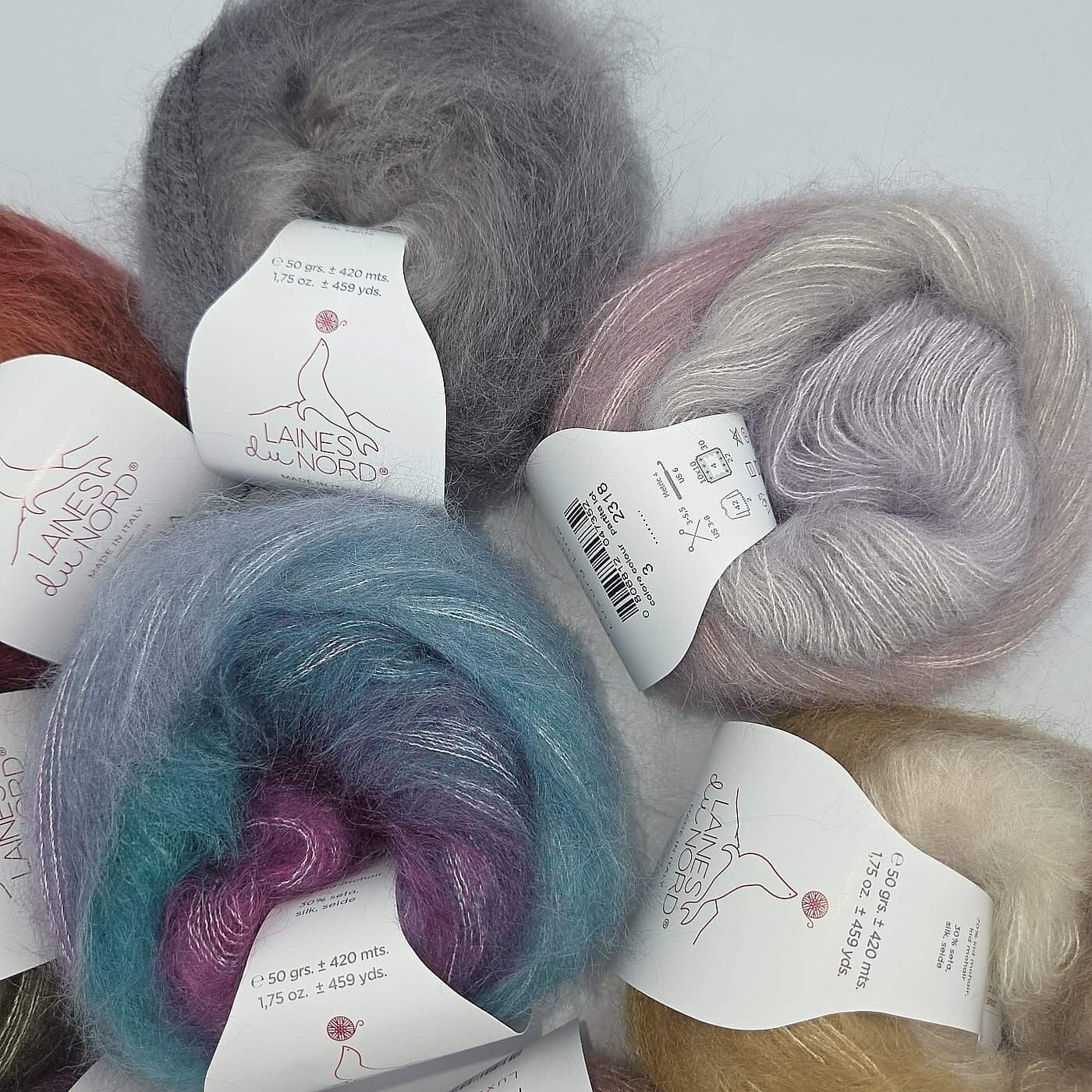
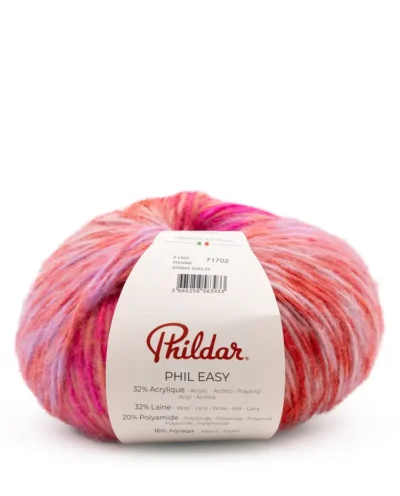
Phildar Phil EASY yarn with jacquard effect
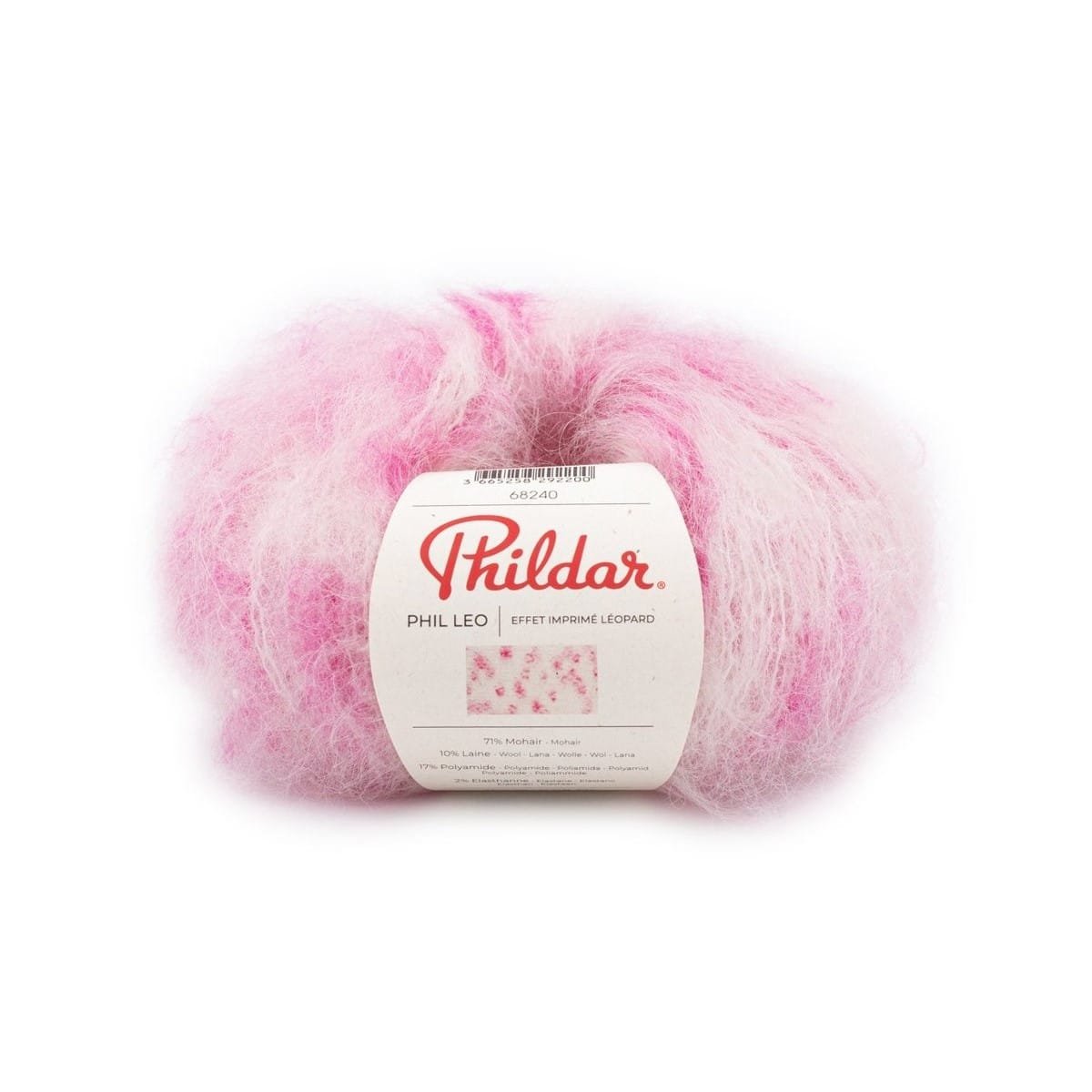
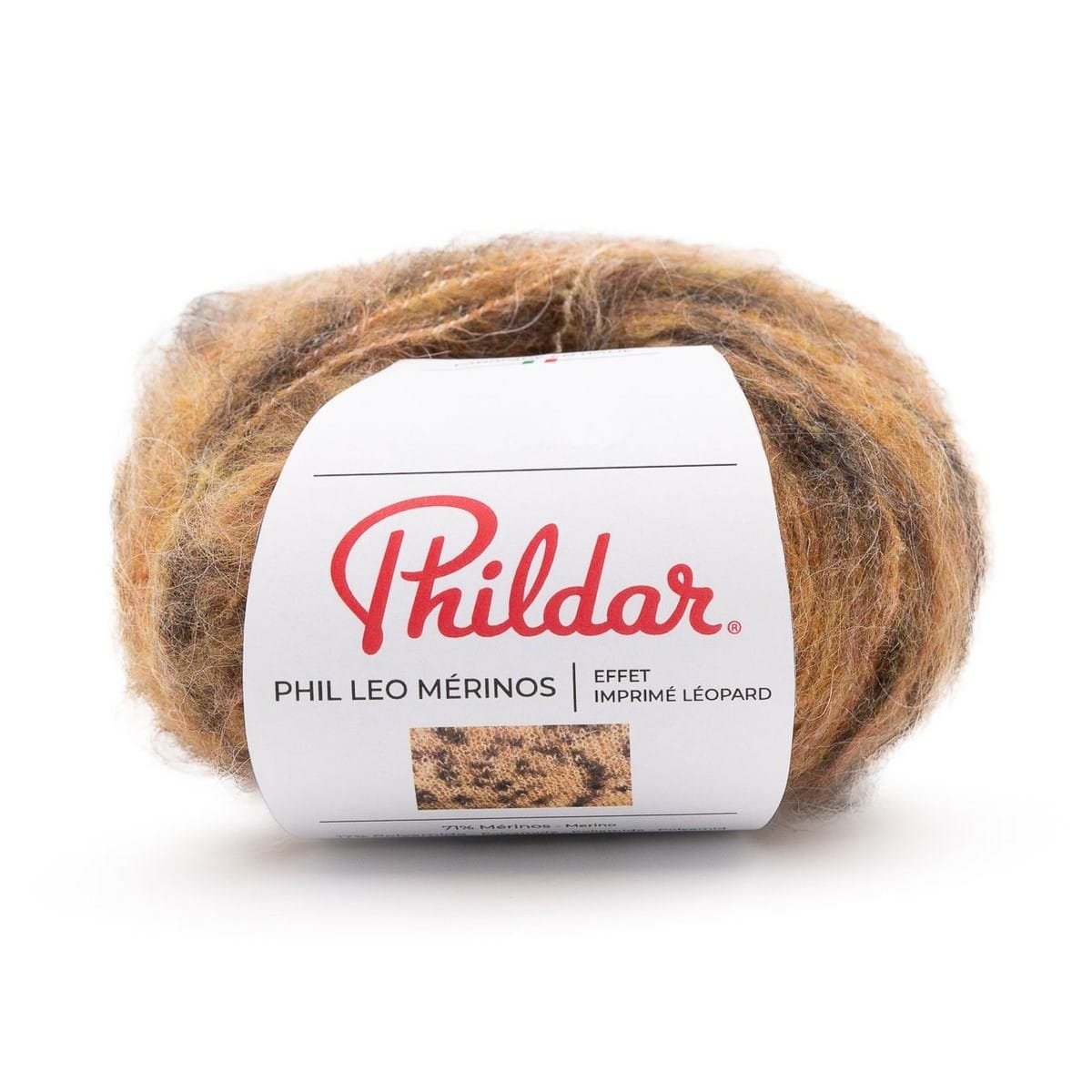
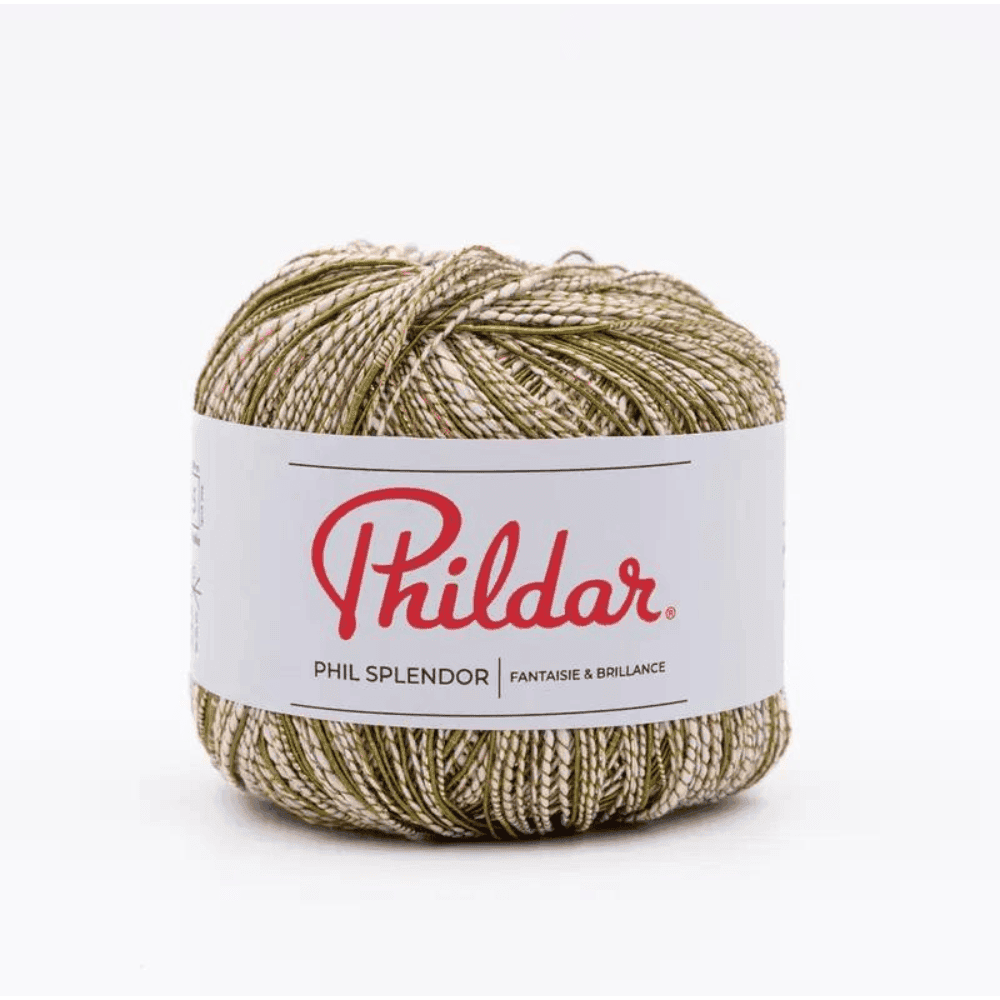
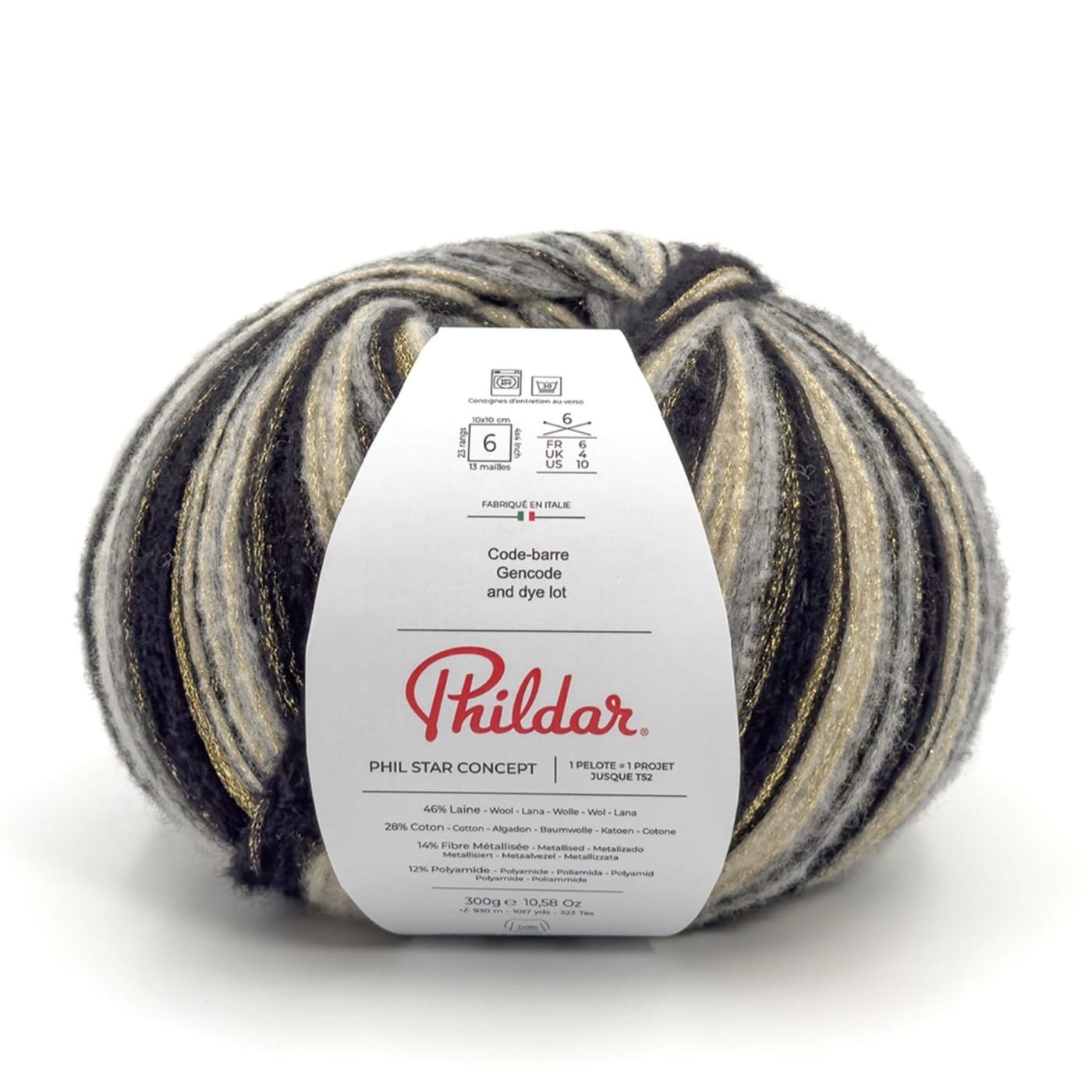

Variegated and multicolour yarn for knitting and crochet
Variegated yarn combines several colours in one strand or ball, allowing a pattern to form without constantly changing yarns. However, variegation does not describe one particular yarn construction. Some yarns have long, gradual colour transitions, while others create short colour sections, stripes, tweed flecks or self-patterning sock designs. The final appearance depends on the colour repeat, project size, stitch count and gauge.
Long colour transitions, short repeats and self-patterning yarn
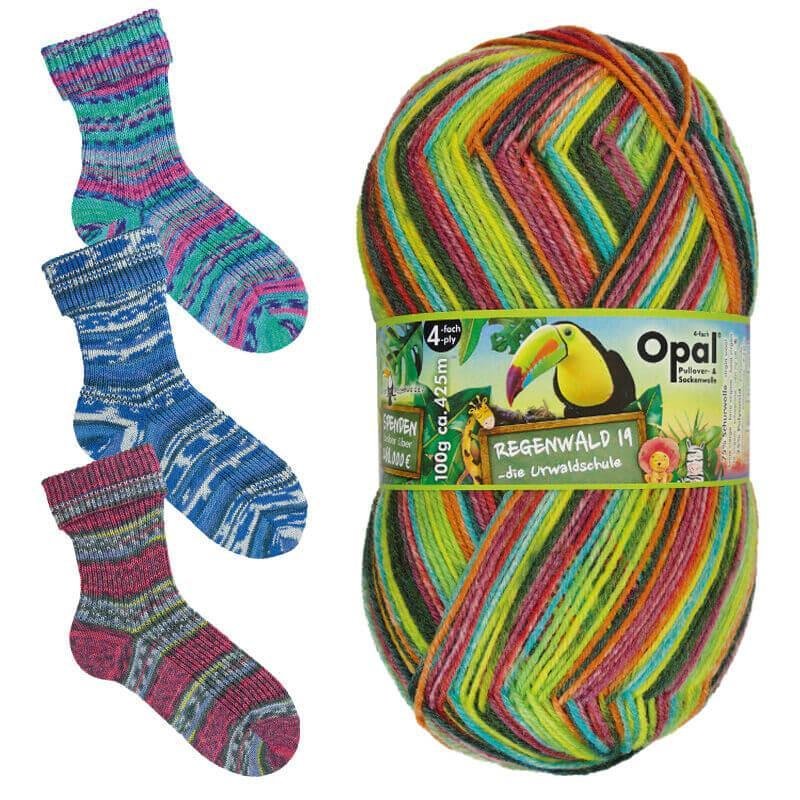
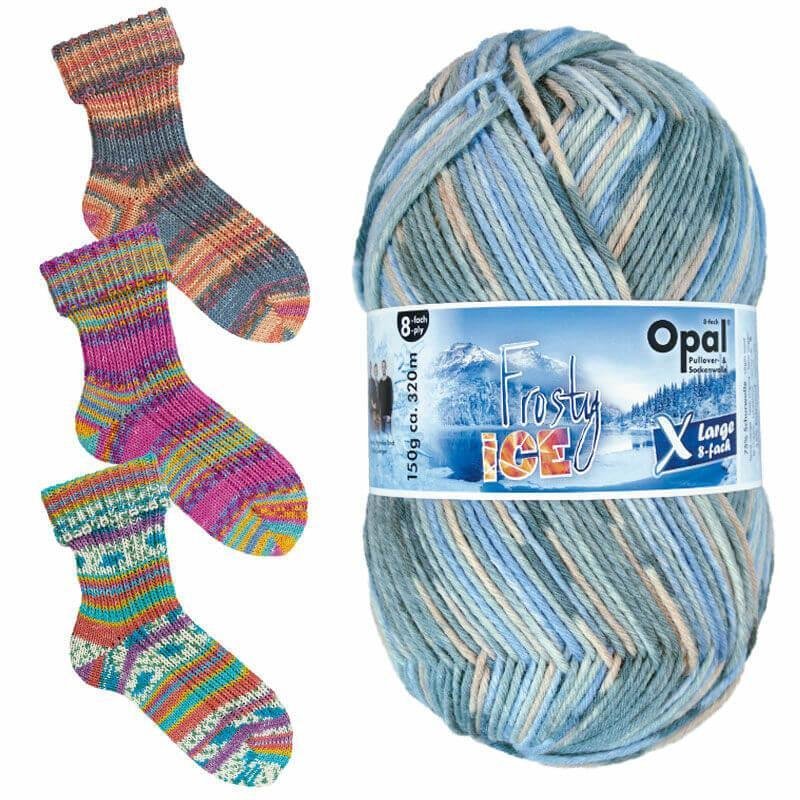
Yarns such as Laines du Nord POEMA have long colour transitions that show well in shawls, scarves and larger areas of knitting. Concept by Katia SYMMETRIC SOCKS & MORE-DEGRADÉ, DROPS FABEL, DROPS Fiesta and Opal sock yarns can create stripes or repeating patterns. Shorter colour sections spread differently across a small project than across a wide sweater. The manufacturer's photograph is therefore a guide rather than a guarantee of an identical result in every size. Compare the options in our sock yarn category.
How does project size affect the colour pattern?
The more stitches there are in a row or round, the fewer rows the same length of one colour will cover. A ball may therefore create longer colour blocks in a narrow scarf and shorter colour sections across the body of a sweater. When the work narrows at a sleeve or the crown of a hat, the colour distribution changes again. To assess the result, knit a sufficiently wide swatch and observe a full colour repeat as well as measuring the gauge.
Which projects suit variegated yarn?
Long colour transitions suit shawls, scarves, sweaters and vests where colour can become the main design feature. Self-striping yarn is practical for socks, hats, gloves and small accessories. Variegated cotton or linen blends can suit summer garments, while merino, wool, mohair or alpaca blends may be better suited to colder seasons. Consider the composition as well as the colour. Compare merino wool, mohair and cotton yarns.
A simple or intricate stitch pattern?
Strong colour transitions often show best in stocking stitch, ribbing or a simple crochet pattern. Intricate cables, lace and textured stitches may compete with variegation, although a subtle colour change can sometimes add depth to a pattern. Before starting a large project, make a swatch to see whether the chosen stitch pattern and colours complement each other. When yarn combines a fluffy surface with pronounced colour variation, a simpler stitch pattern often gives a clearer result.
Colour pooling and changing balls
Short colour sections can sometimes form repeating patches or diagonal stripes, known as colour pooling. This depends on the colour repeat and stitch count, so it is not necessarily a yarn defect. If you dislike the effect, try a different needle size, stitch count or stitch pattern. For a large garment, alternating two balls every few rows may soften abrupt changes between dye lots or differently placed colour repeats. Check the manufacturer's recommendations first.
Calculating quantities and matching paired pieces
Calculate the quantity from the total yarn length specified in the pattern, the size and your washed gauge swatch. For a larger project, buy enough yarn of each colour from the same dye lot. If you want two socks or sleeves to look alike, you may need to start at the same point in the colour repeat and allow some extra yarn. Some sock yarns are specifically designed for matching pairs, but this should be stated clearly in the product description.
Knitting needles, crochet hooks and care
The manufacturer's recommended tool size is a starting point. A change in gauge affects both the dimensions and the colour distribution, so choose knitting needles or a crochet hook based on your swatch. Always follow the yarn composition and care label: similarly variegated yarns may contain very different fibres. Explore the full selection in our yarn for knitting and crocheting category.