
Raffia yarn
Brand name


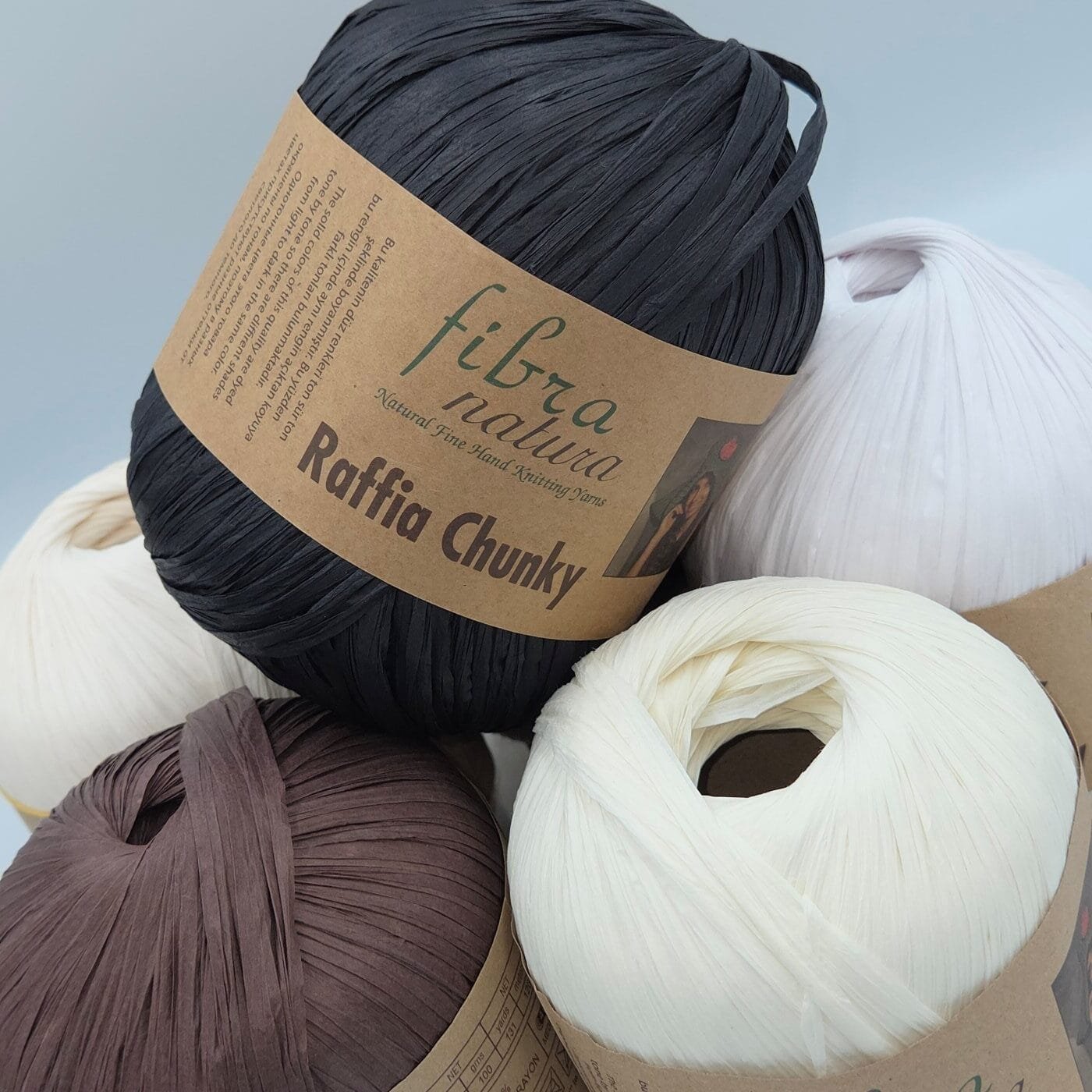
Fibra Natura RAFFIA CHUNKY (100% viscose)
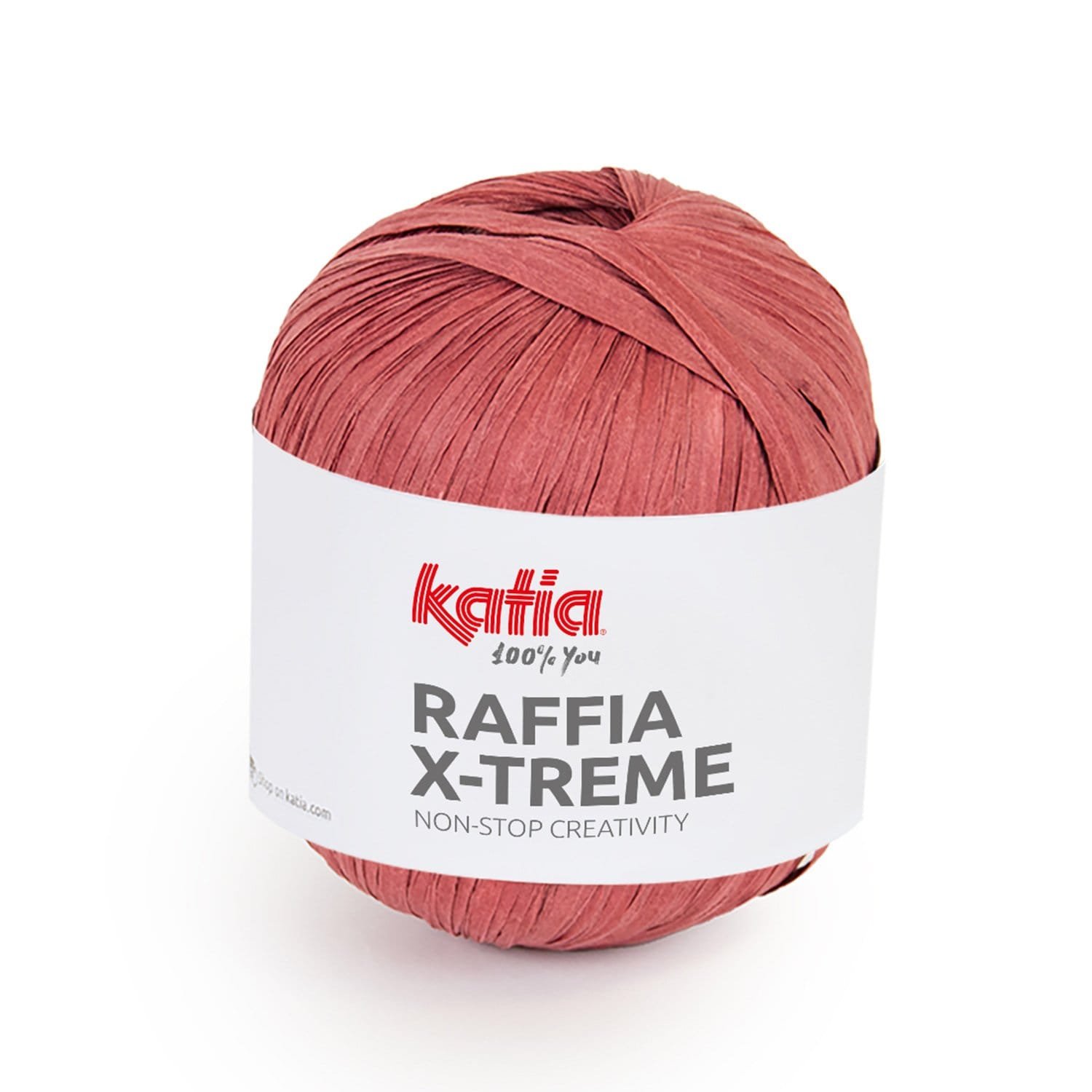
Raffia yarns - naturalness increasingly used in needlework
New materials are constantly appearing in the world of needlework, but some of them have a simplicity and natural look. One of these is raffia Threads. They are not entirely new - raffia has been used for a long time, but in recent years it has become very popular again among people who like knitting or crochet. Many people associate raffia primarily with summer. And indeed, it's often used to make lightweight handbags, hats and various beachwear. accessories. But the possibilities for raffia do not end there. Raffia yarn are increasingly being used for home décor, baskets and even small accessories.
What is raffia yarn made of?
Raffia is a natural fibre obtained from the leaves of the raffia palm. The leaves are dried and split into thinner strips which can then be used for various handicrafts. It is because of this origin raffia thread has a slightly different texture than conventional knitting yarns. They are not as soft as wool or cotton, but have their own distinctive look. Some raffia yarns come in a natural colour, slightly resembling straw. But today, painted options are also available - from soft pastel tones to brighter colours.
Why does raffia appeal to needlework enthusiasts?
One of the reasons why raffia thread so popular, is their natural look. They add a slightly rustic or bohemian style to products. In addition, raffia is quite robust. It is able to hold its shape well, making it ideal for handbags or bags. Another advantage is its lightness. Even if the product is larger, it often remains quite easy. This is especially convenient for accessories that are used every day.
What do you usually crochet or knit with raffia?
If we look at handicraft ideas, we can see that raffia thread mostly used for summer projects. One of the most popular options is handbags. Raffia handbags look natural and quite stylish. They are perfect for the city and for holidays. They are also quite often designed summer hats. Raffia is breathable, so this hat can be comfortable on hot days. In addition to accessories, raffia is also used for home decor. It is used to make baskets, coasters and decorative rugs. Such items often go with natural or minimalist interiors. Sometimes raffia is also used for smaller items such as belts, ornaments or decorative pieces.
Is it difficult to work with raffia thread?
People who take for the first time raffia thread, often find that they are slightly different from normal knitting yarns. They can be stiffer, so you may need a little bit of yarn at the beginning ready. Most raffia projects are done using a tuft, as it is easier to create a more solid structure. However, some makers also use raffia for knitting with cords. Sometimes it is recommended to moisten the raffia slightly before working. This makes it more flexible and easier to shape.
Natural style in needlework
Recently, many people are opting for more natural materials and simpler styles. This is why raffia thread fits in so well with contemporary needlework trends. Even a simple raffia knit can look interesting just because of the texture of the material. Sometimes you don't need complex patterns - a simple design and a beautiful shape is enough. This is one of the reasons why raffia appeals to both beginners and experienced needleworkers.
You could say that raffia thread is an interesting and quite versatile material for needlework. They are characterised by their natural appearance, strength and lightness. Raffia can be used to create a wide range of products, from handbags and hats to interior decoration. Its distinctive texture gives handicrafts a natural and slightly unique character. This is why more and more people are choosing to try raffia in their creative projects. Sometimes all it takes is one new yarn to give birth to a whole new needlework idea.