Merino wool yarn










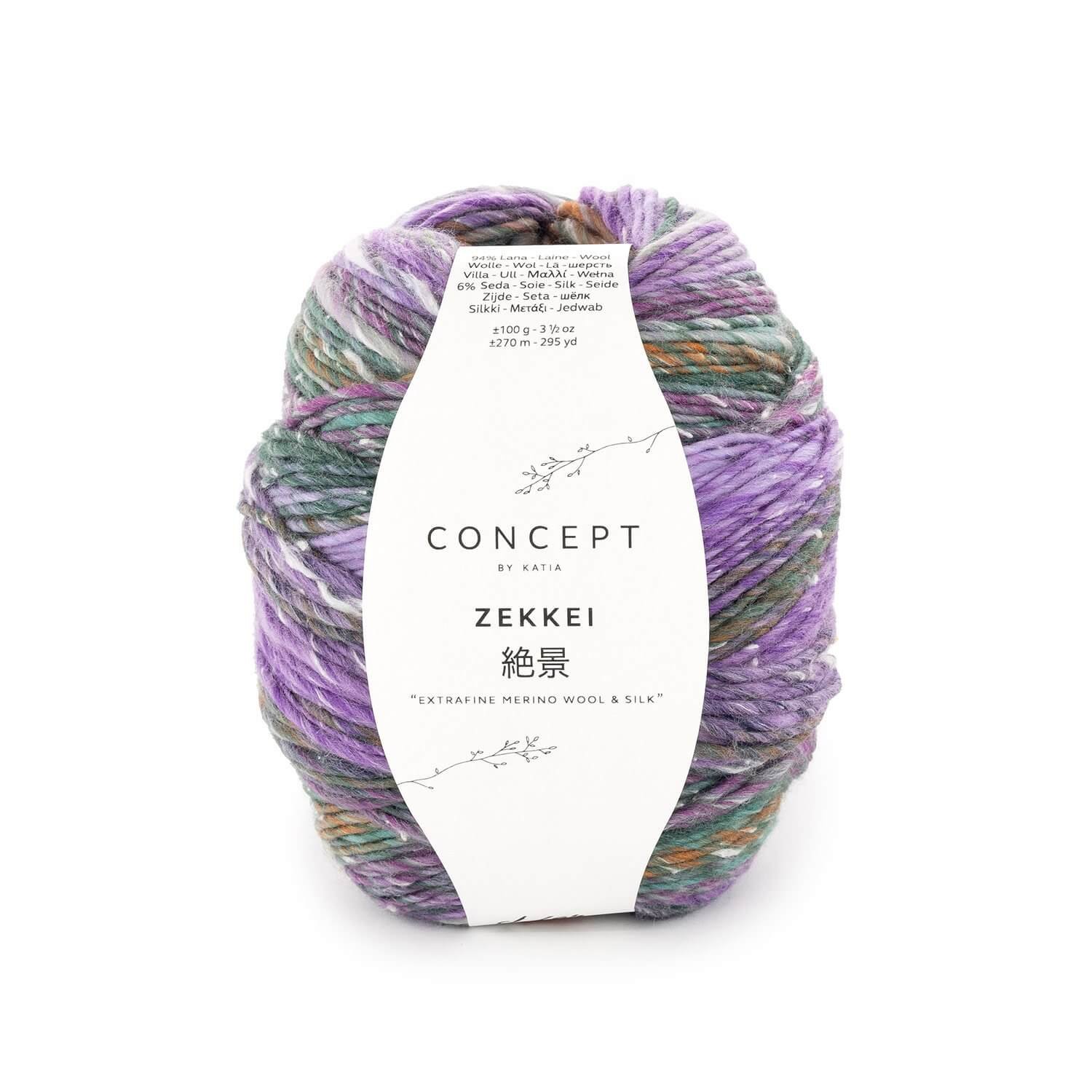
Bertagna Filati by Arvier PRESTIGE (super baby alpaca, superfine merino, silk)

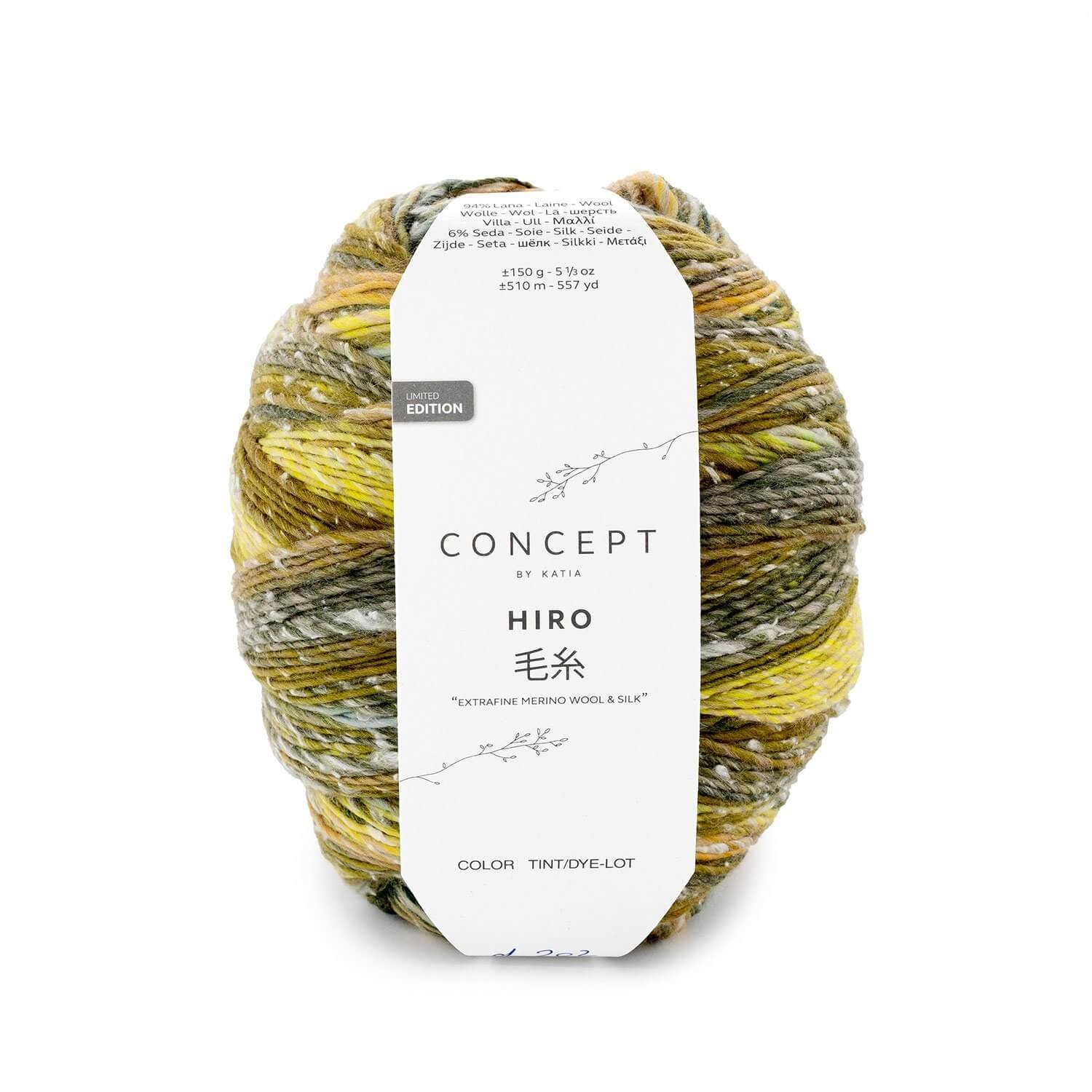
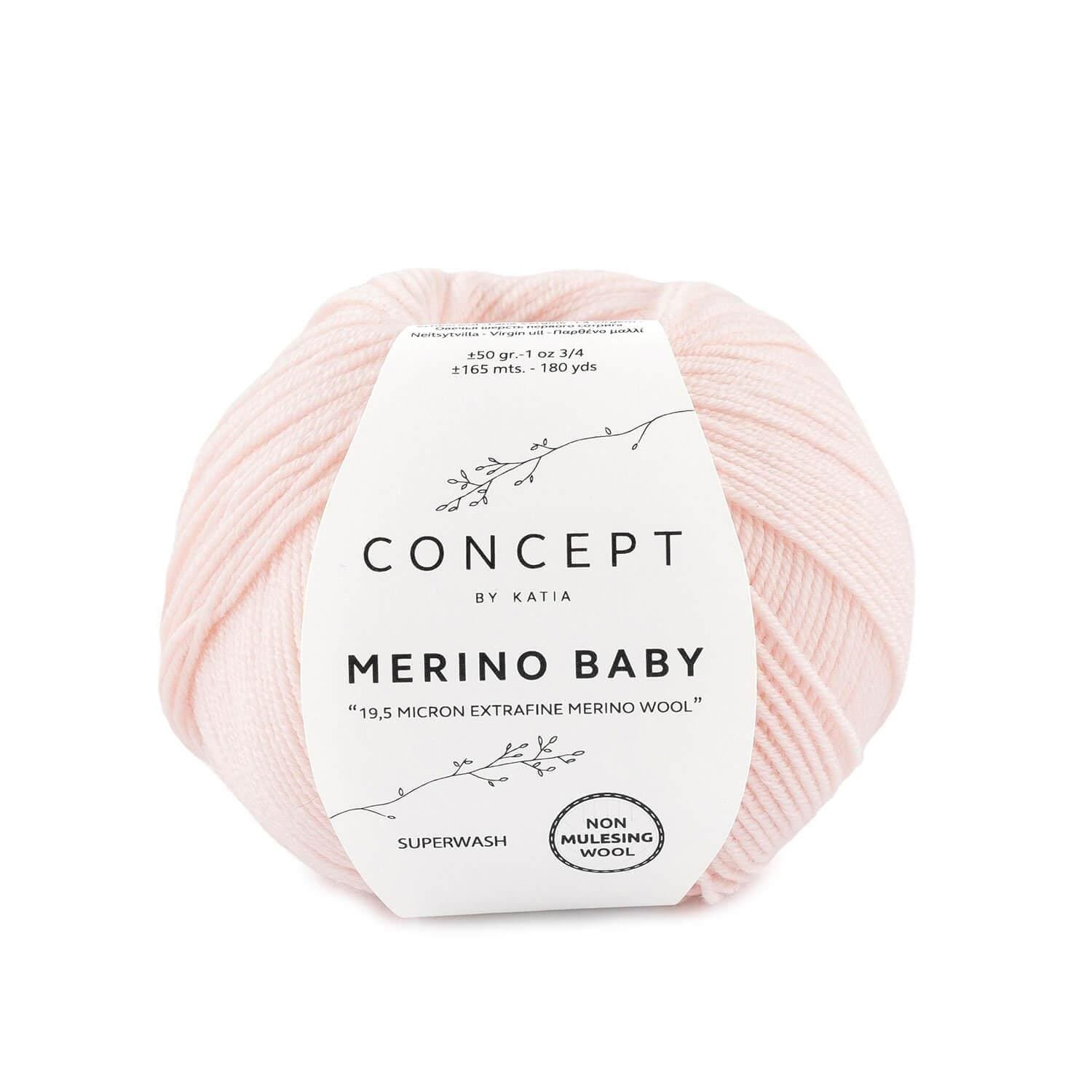
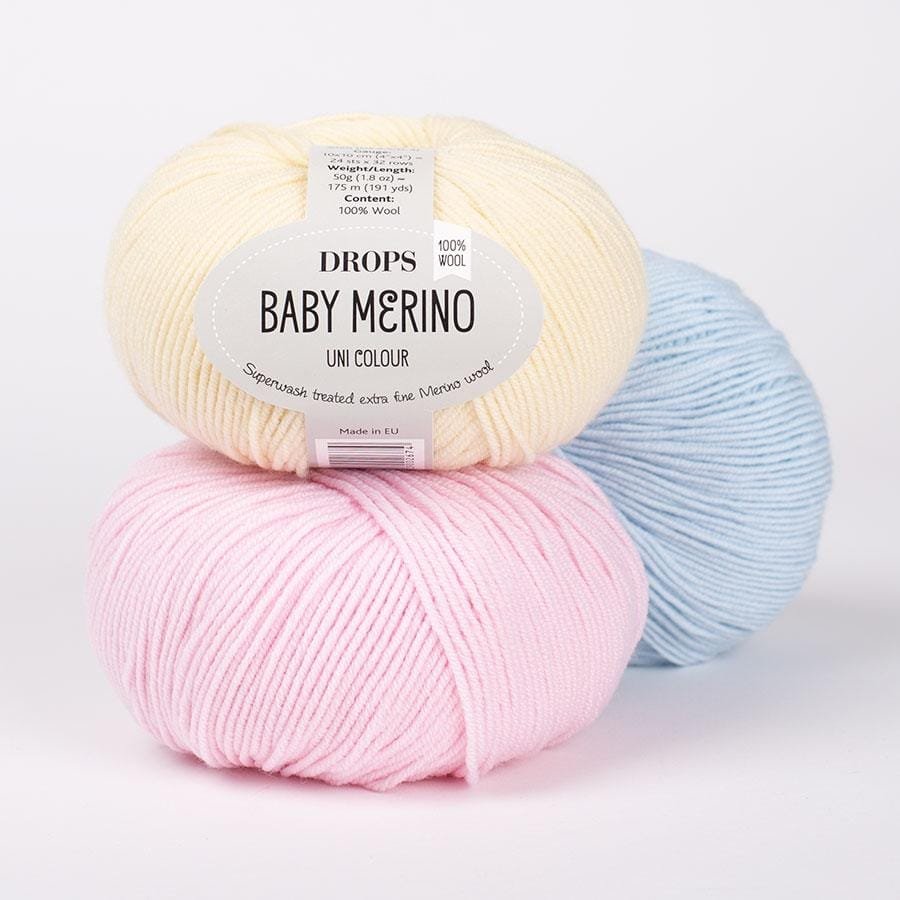
DROPS Baby Merino (100% merino wool)
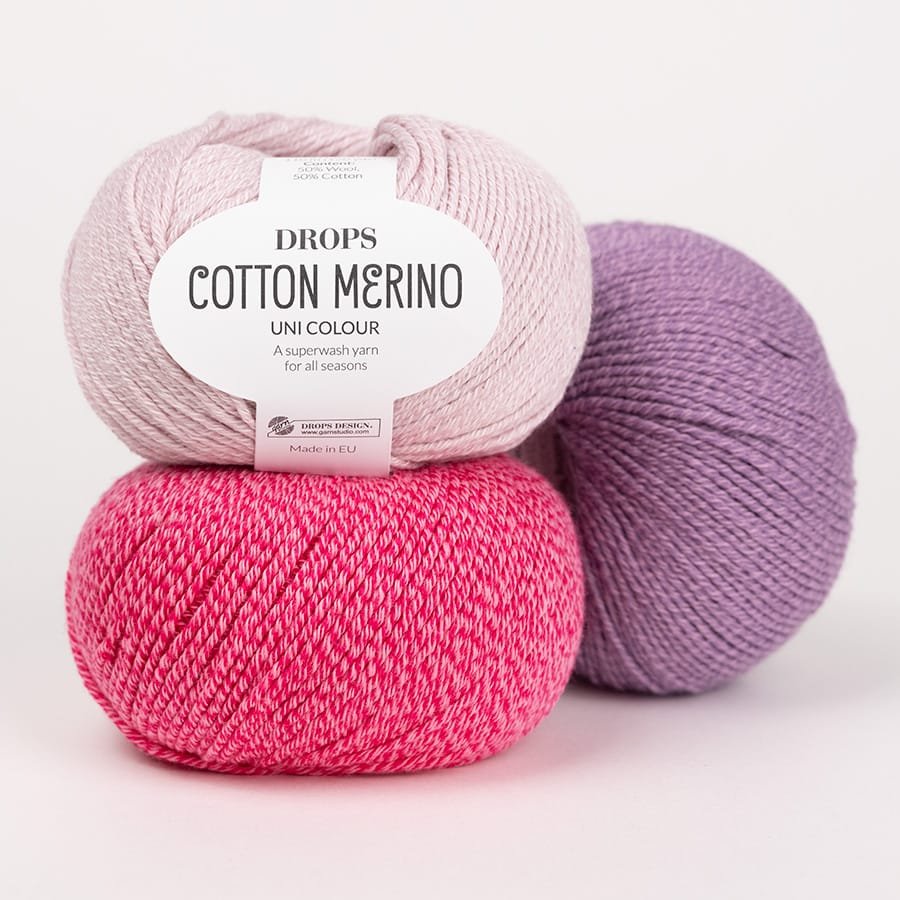
DROPS COTTON MERINO (merino wool, cotton)
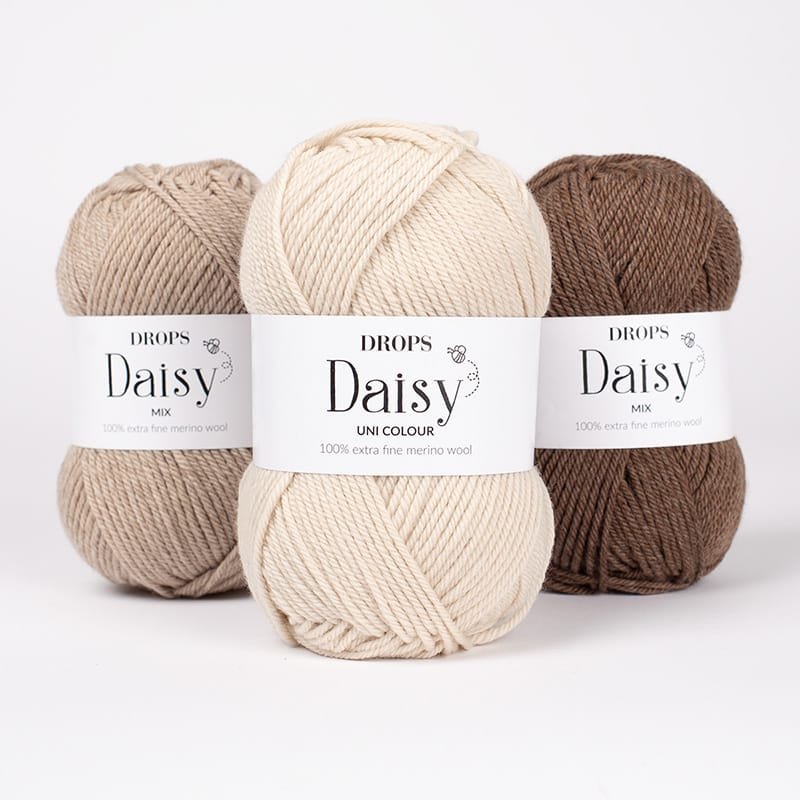
DROPS DAISY (100% merino wool)
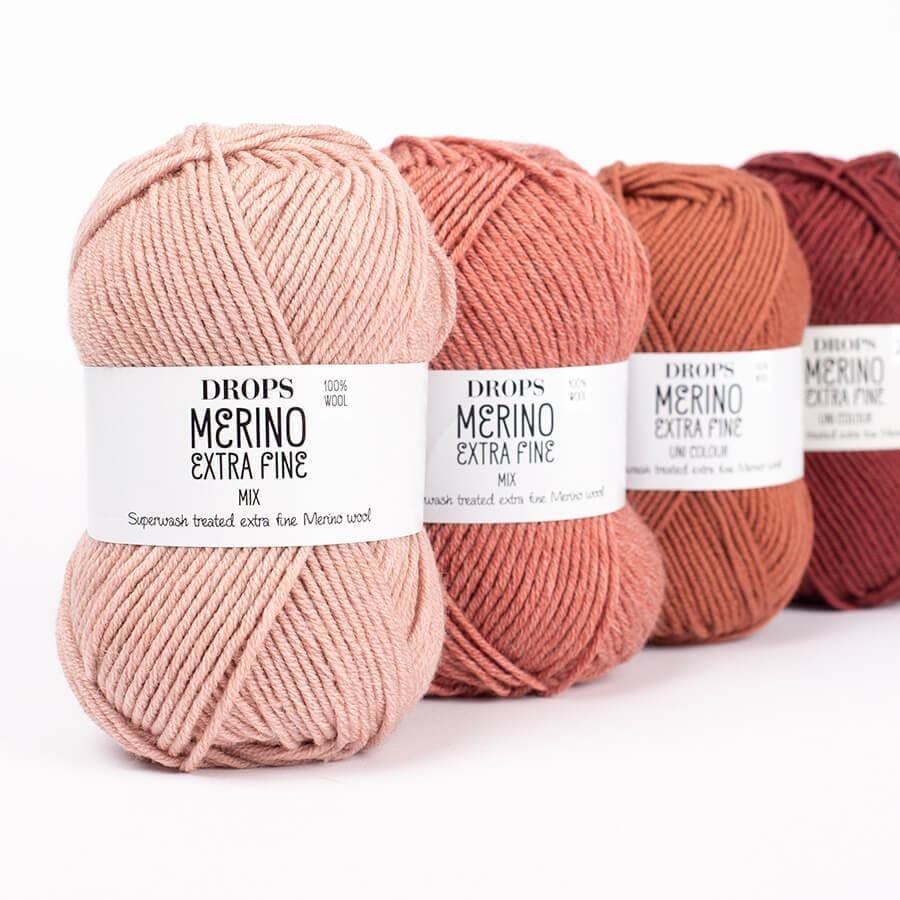
DROPS MERINO EXTRA FINE (100% merino wool)
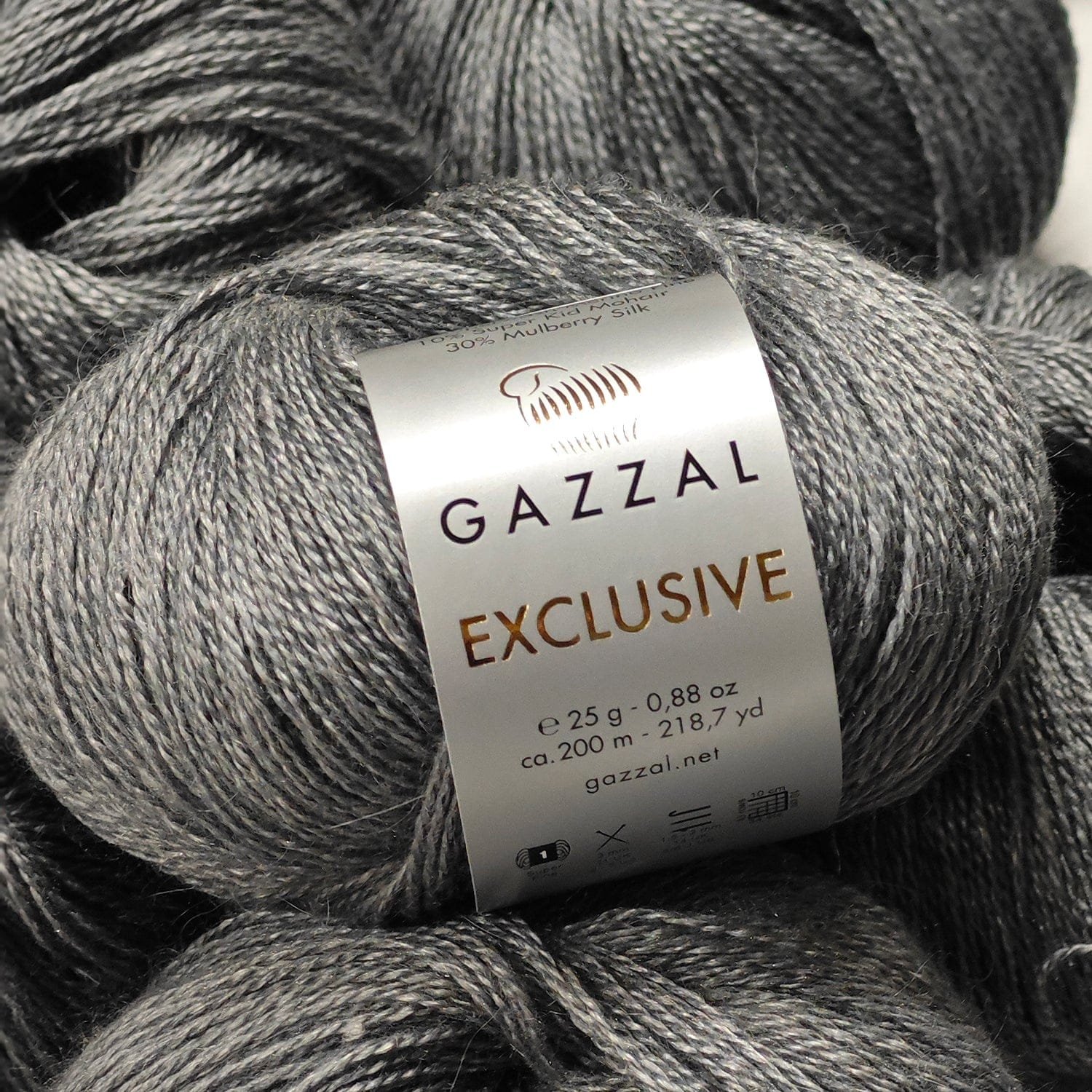

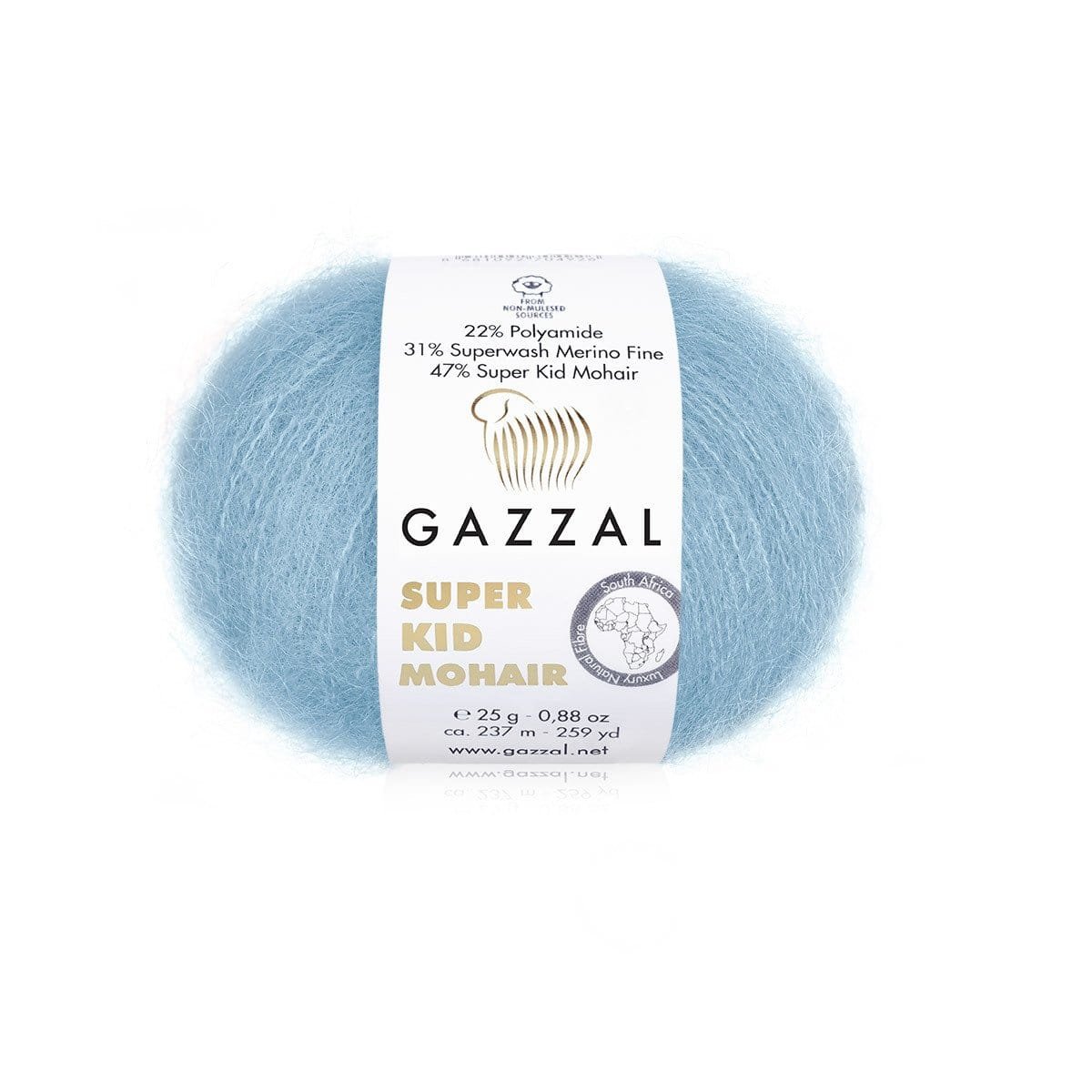
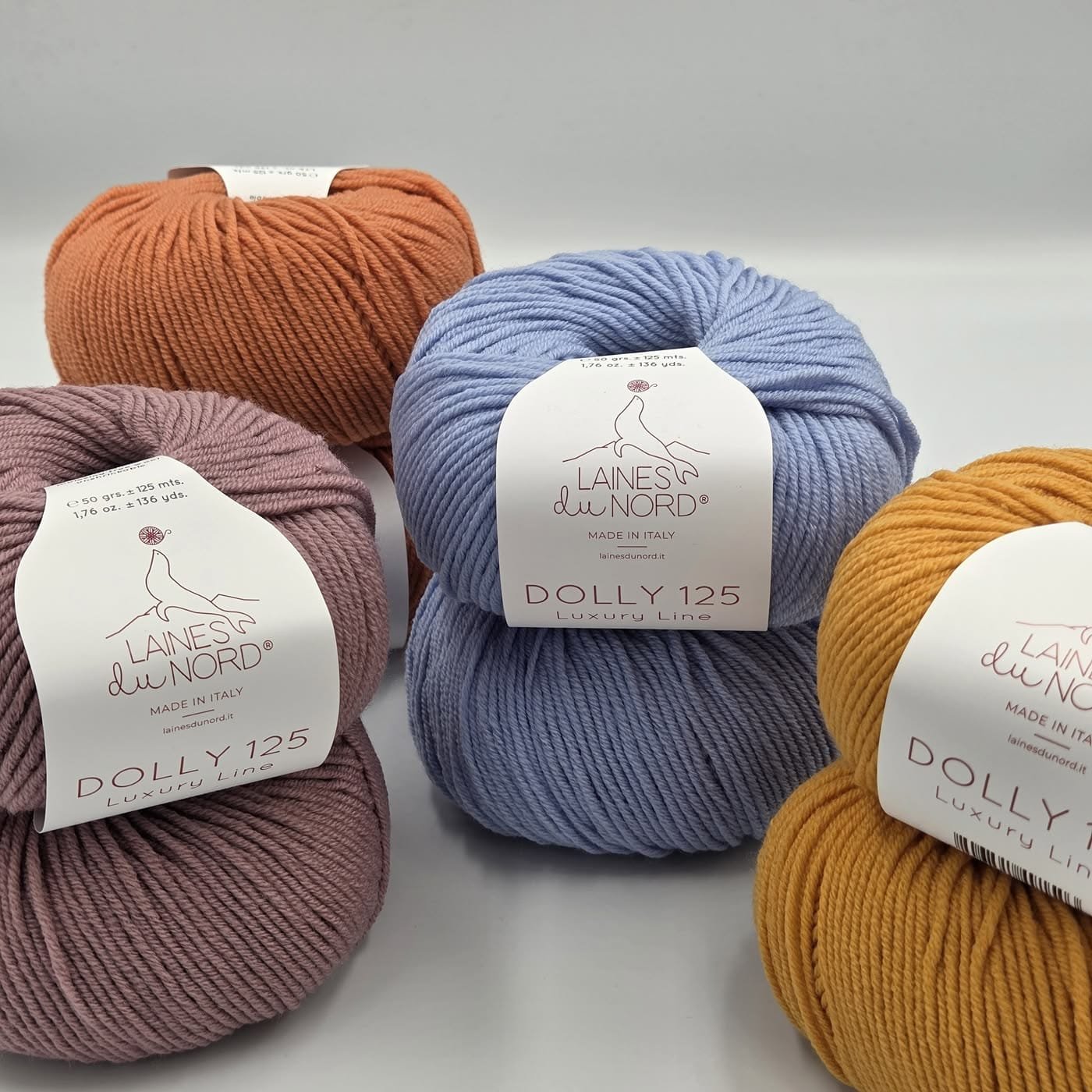
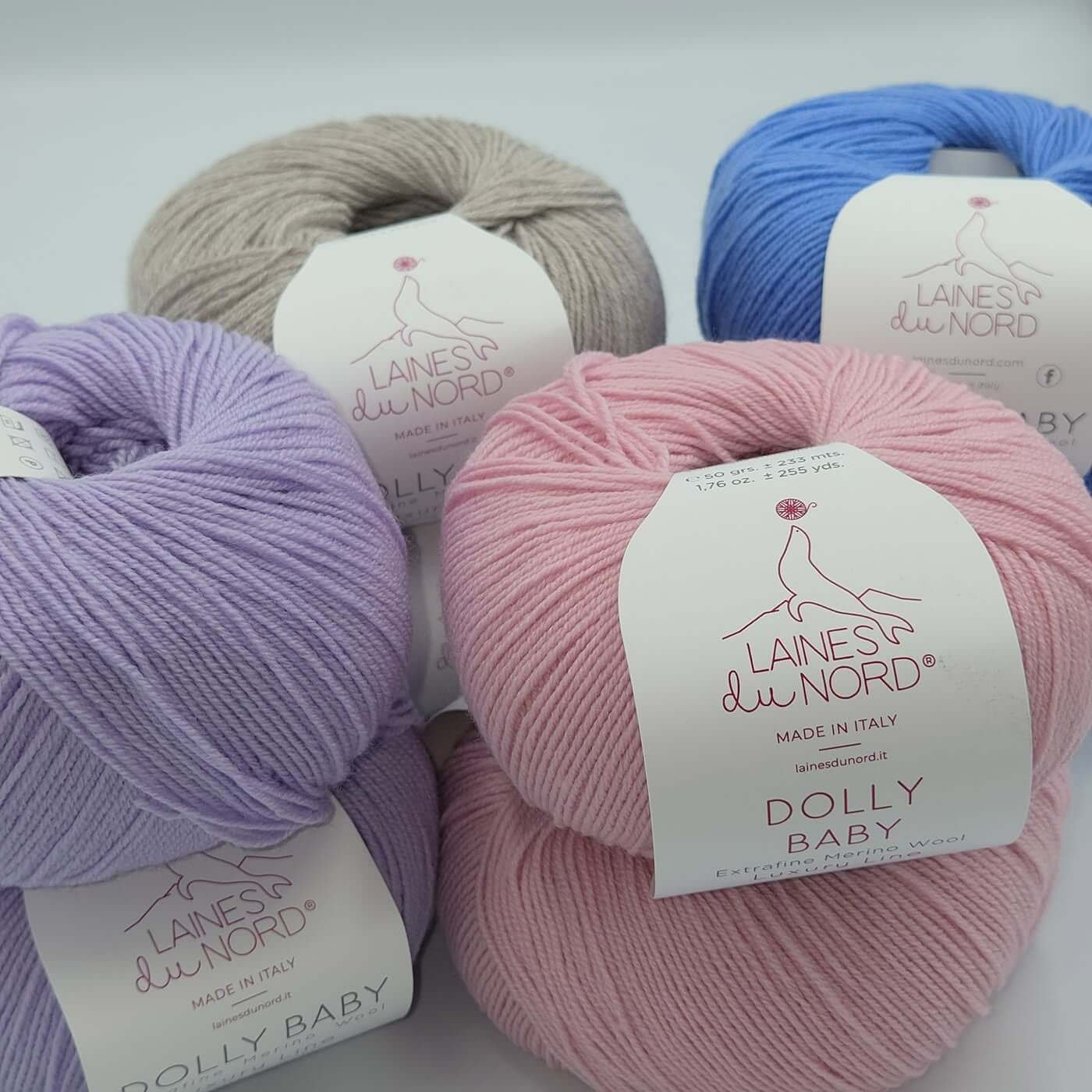

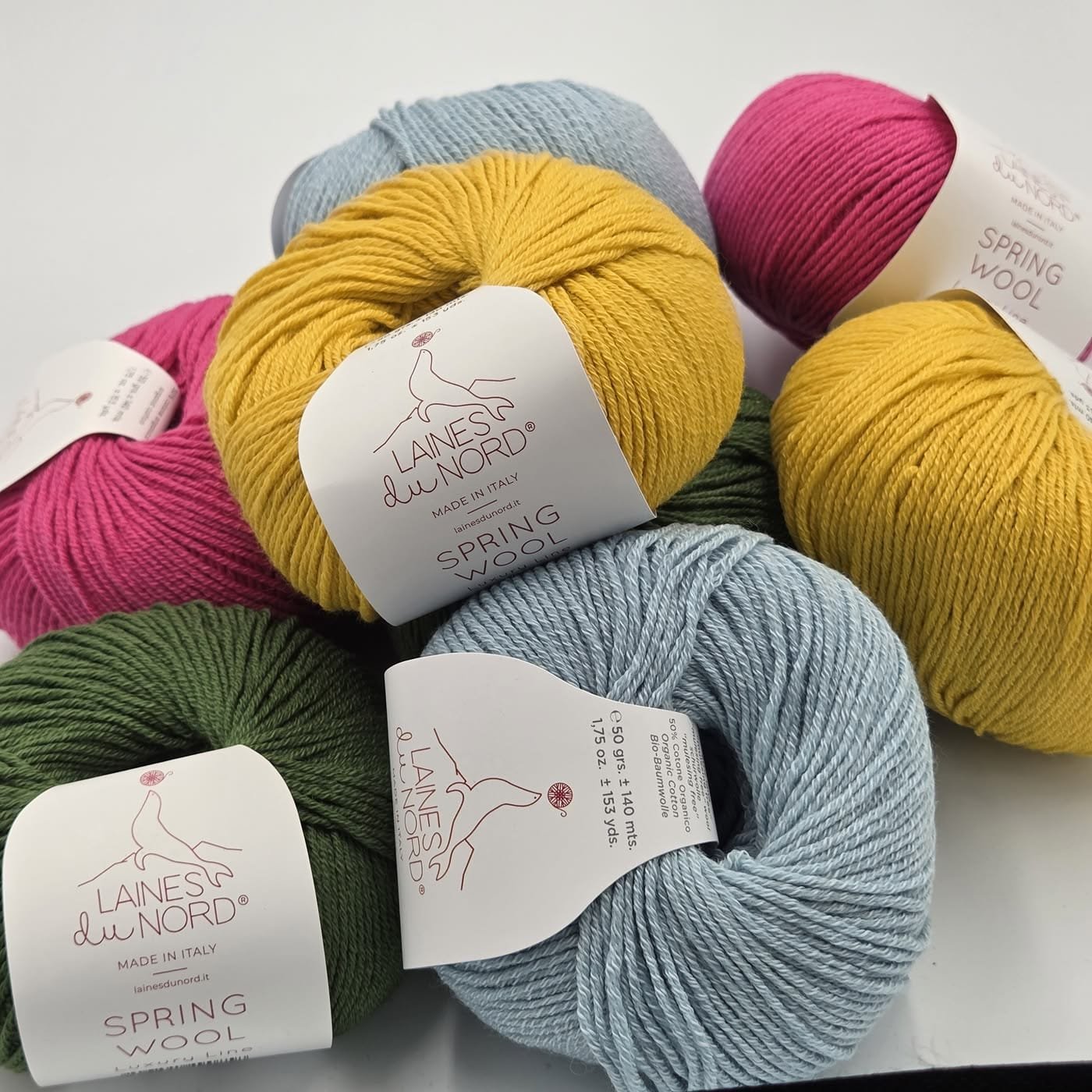
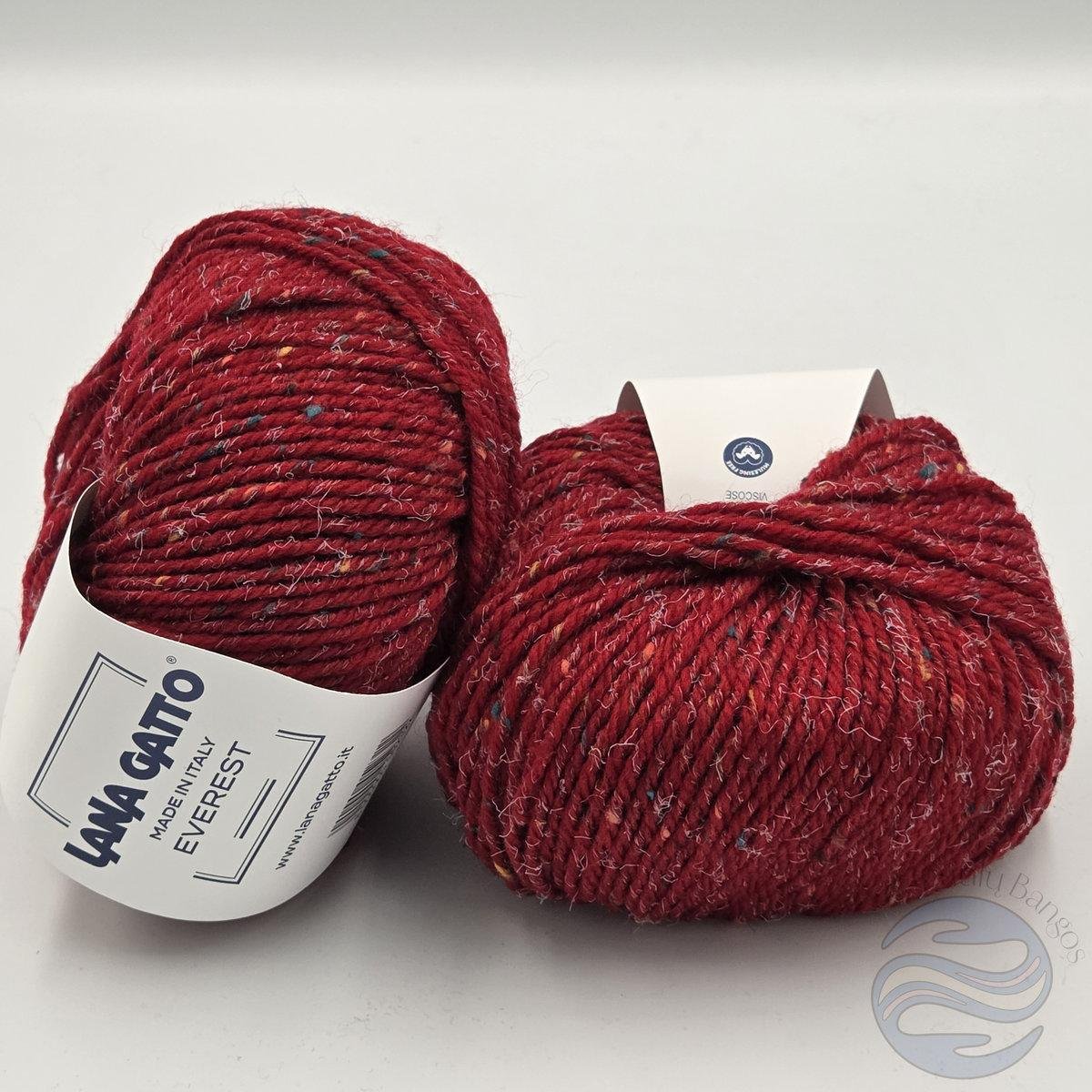
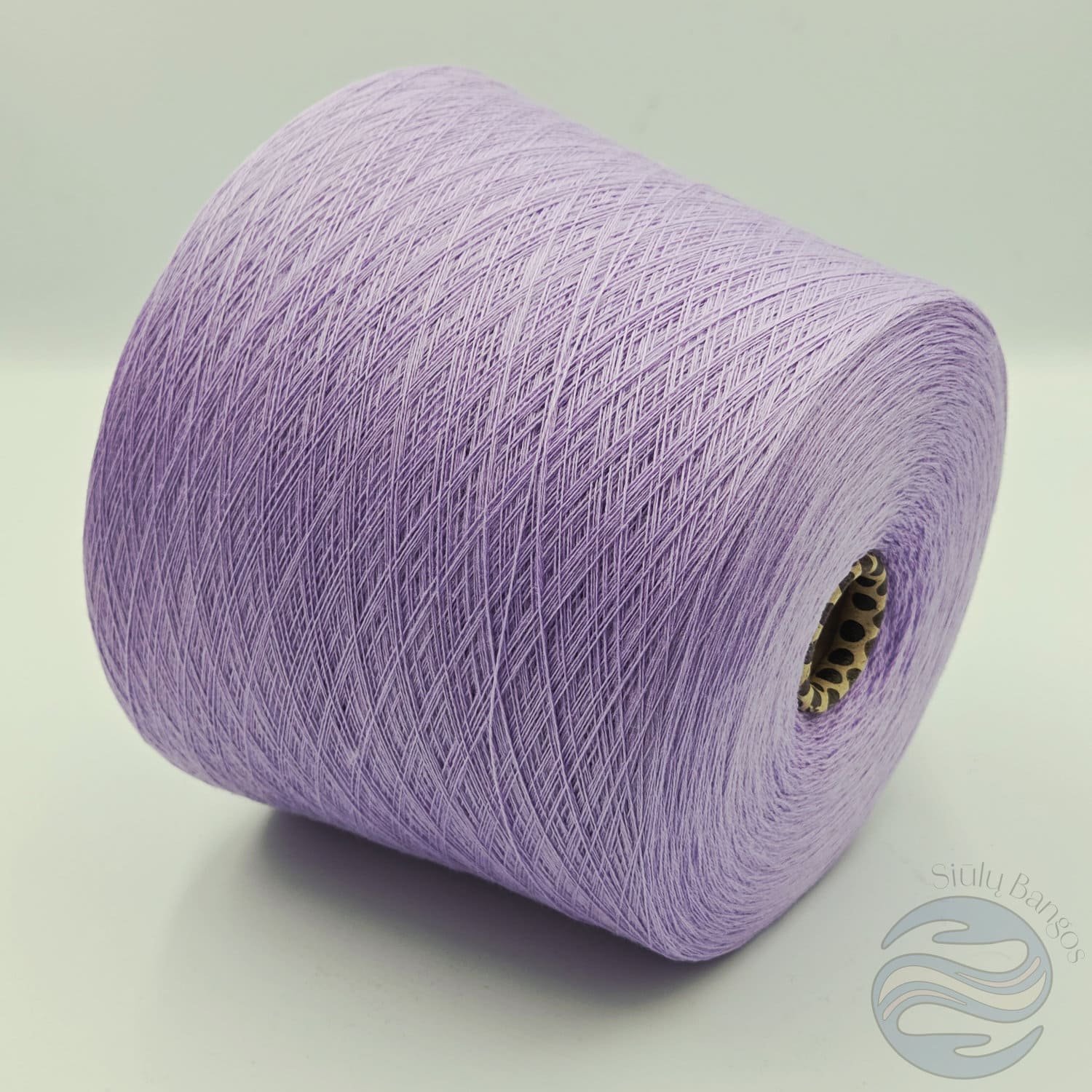
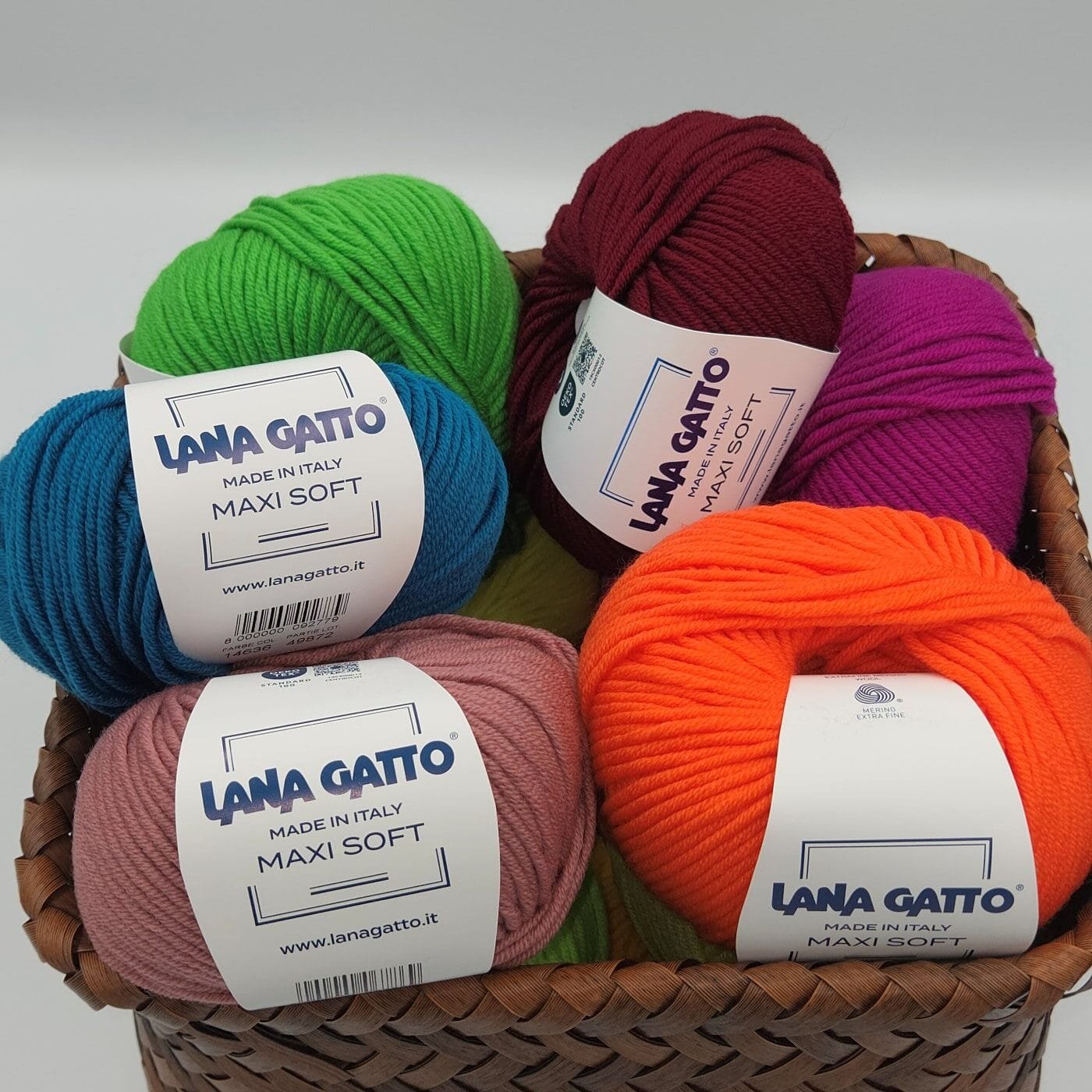
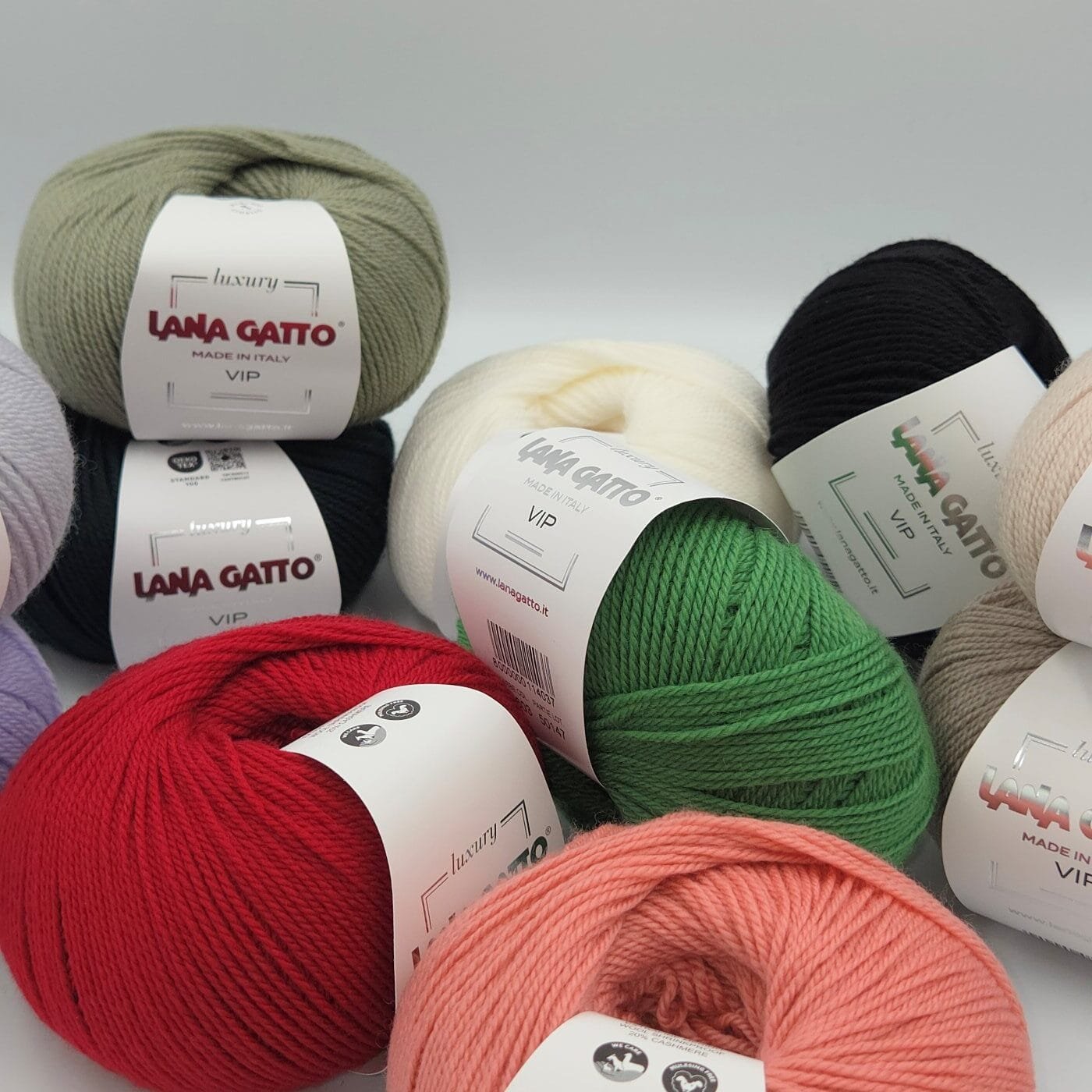
Lana Gatto VIP (merino wool, cashmere)
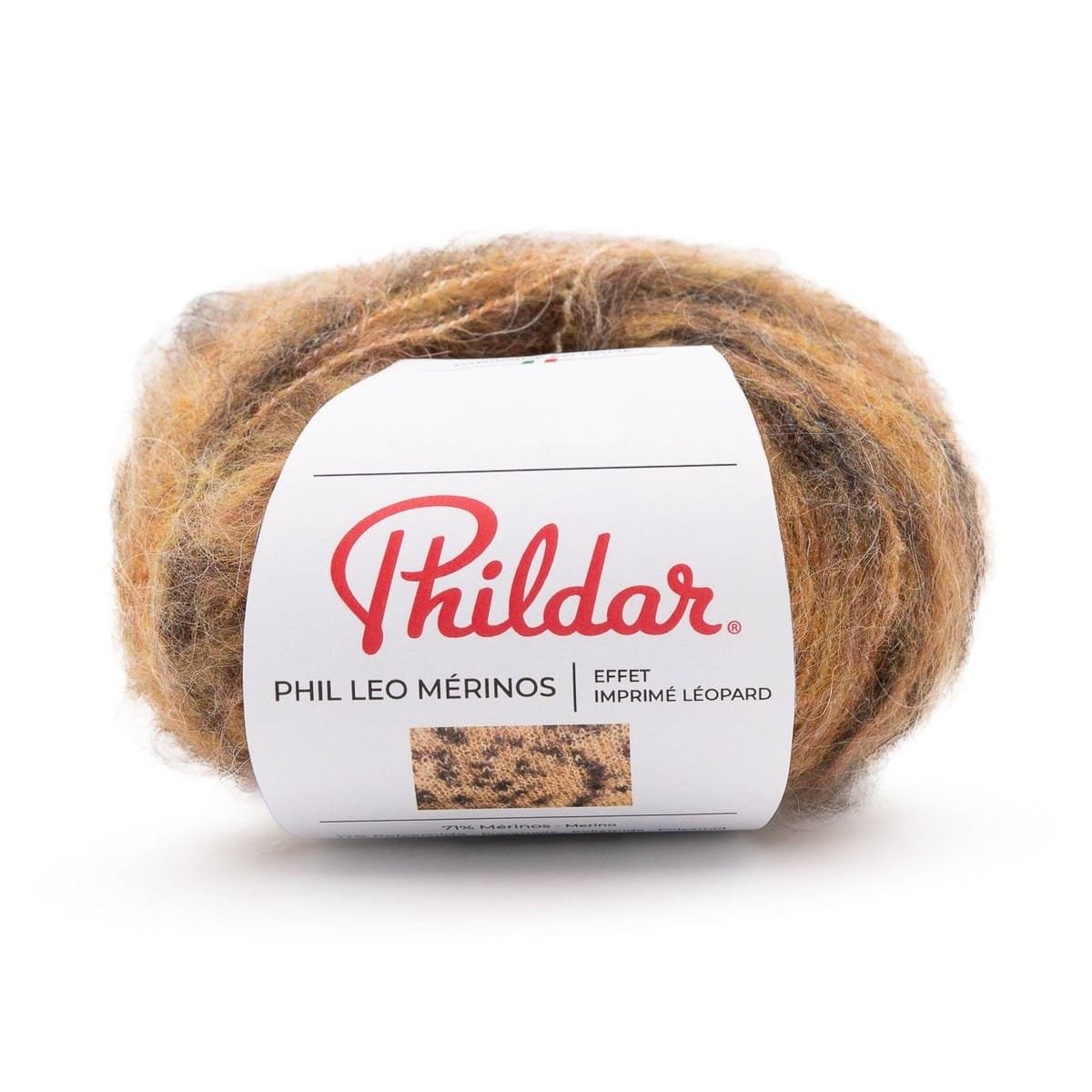
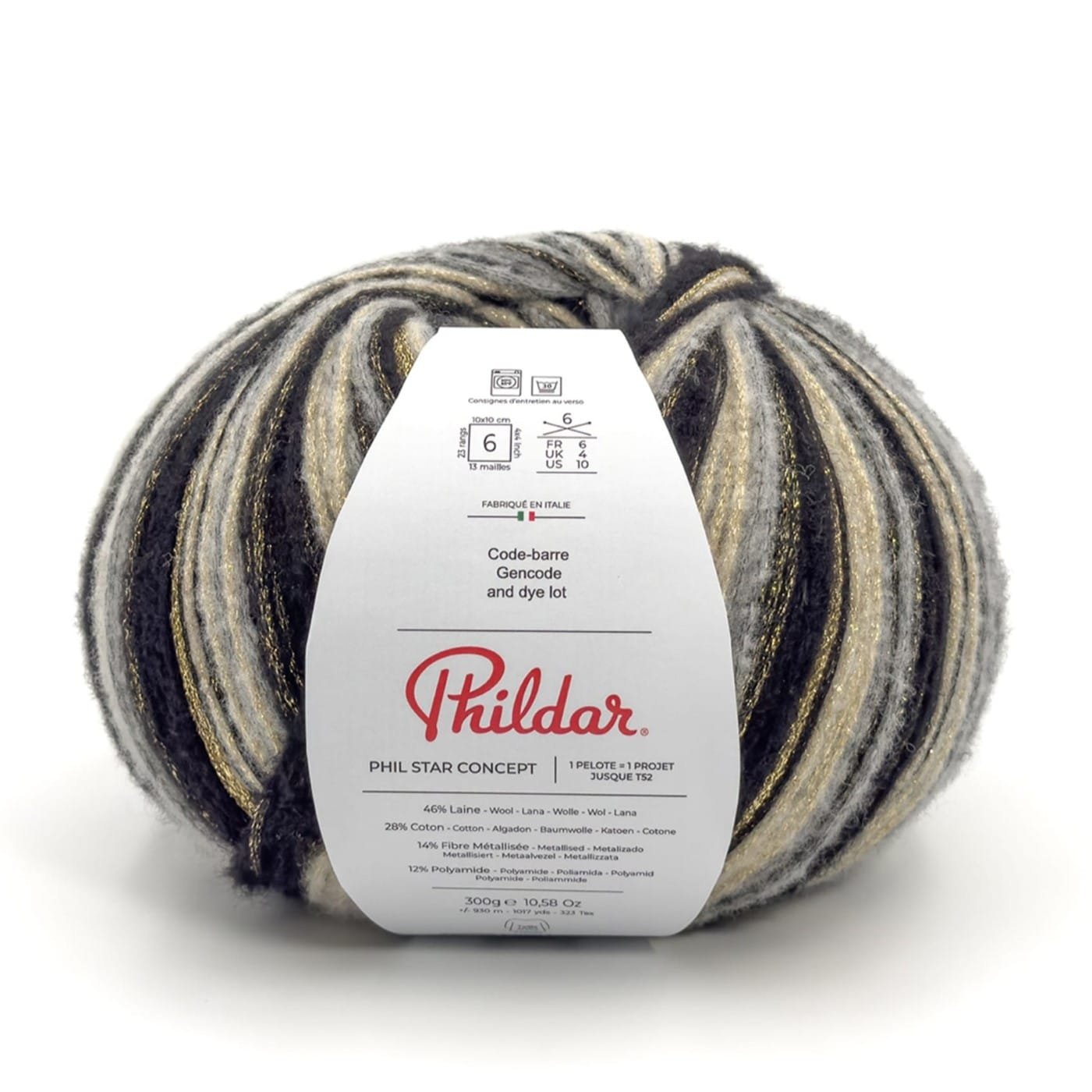
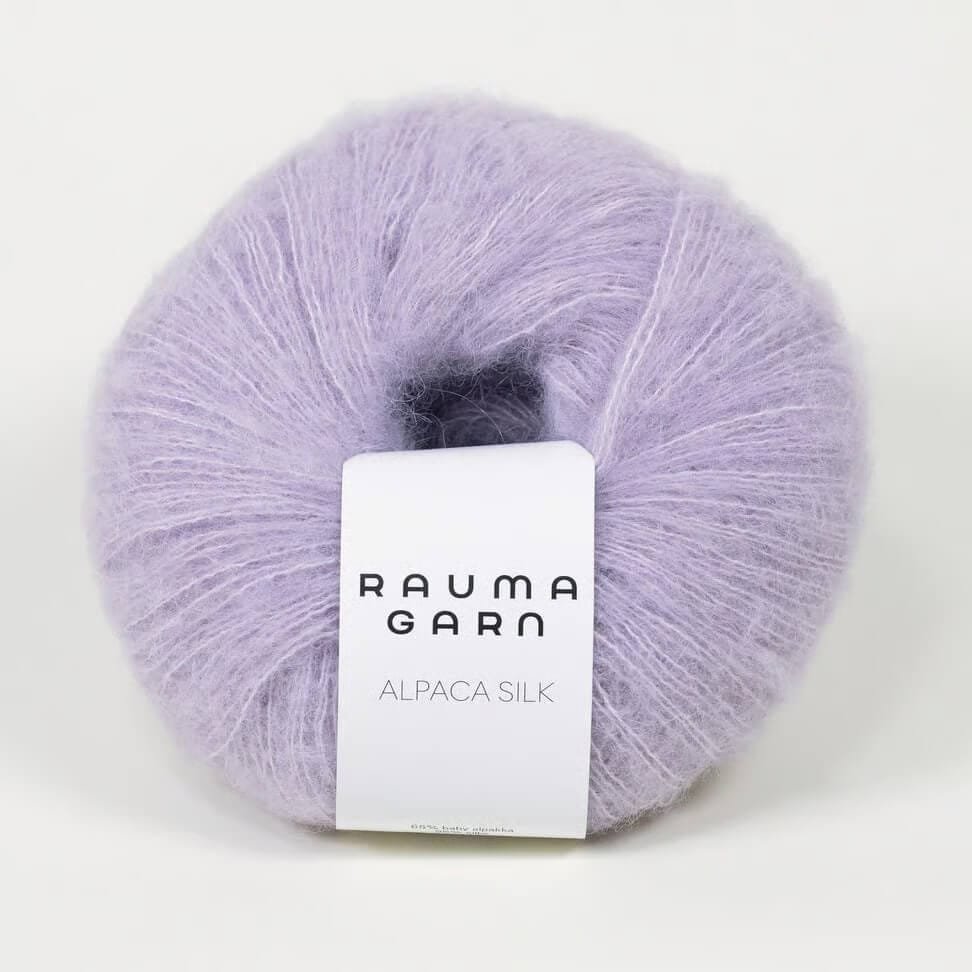
Merino wool yarn: softness, warmth and comfortable knitting
Merino wool yarn is valued for a soft feel, elasticity and the ability to support a comfortable microclimate. This natural fibre comes from Merino sheep. It is usually finer than many other types of sheep wool, so it bends more easily and can feel more pleasant against the skin. The final feel depends on more than the fibre name: micron count, twist, finishing and blends all matter.
The structure of wool fibre helps absorb moisture vapour and release it gradually, which is why merino garments are often chosen when both warmth and breathability matter. Natural elasticity helps fabric hold its shape, while the fine fibre suits not only winter accessories but also lighter garments worn closer to the body.
How to choose merino wool yarn
Begin with the project and the yarn specifications. A sweater needs suitable drape, weight and resistance to wear as well as softness. A loftier yarn can work for a hat, scarf or gloves, while an evenly and firmly plied option often shows textured stitches more clearly. Compare the recommended needle size, yarn length, gauge and care instructions.
- Composition. 100% merino retains characteristic wool warmth and elasticity. Blends with silk, cotton, alpaca or synthetic fibres can change drape, strength, sheen and care.
- Thickness and length. Balls of the same weight may contain different lengths, so calculate quantity from the exact label and pattern.
- Twist. A firmer twist usually defines stitches and cables, while a loftier yarn can create a softer, lighter surface.
- Finishing. Superwash means the wool has been treated to reduce felting in washing. Not all merino yarn is Superwash, so never assume this from composition alone.
Which projects suit merino wool?
Merino yarn is commonly used for sweaters, vests, hats, scarves, gloves and socks. Finer options suit lightweight layers, while thicker ones work for warm accessories and cosy outer garments. For baby or children's clothing, browse yarn for babies, but remember that skin sensitivity is individual. Touch the yarn and, where possible, make and wash a gauge swatch before a larger project.
A swatch shows whether the fabric stretches, shrinks or develops a halo after washing and how the stitch pattern appears. This is especially important for garments that require accurate final measurements. When buying several balls for one project, check the dye lot because shades can vary slightly between batches.
Merino yarn for crochet
Merino wool also suits crochet, but the result depends strongly on yarn twist and hook size. Dense crochet can become firmer and heavier, so use a looser fabric for garments or shawls and always test a swatch. A firmly plied merino yarn is useful for defined stitches, while a loftier one creates a softer textured surface. For accessories exposed to friction, consider the durability and care of the blend.
Caring for merino wool
Follow the exact manufacturer label. Unless stated otherwise, use a wool detergent, cool water and a gentle cycle, and avoid sudden temperature changes and strong rubbing. Shape the damp item and dry it flat. Even with Superwash yarn, use only the washing and drying method allowed on the label.
How does merino differ from other wool?
Merino is a type of sheep wool known for a finer fibre, although individual yarns can still differ greatly. Browse the wider wool yarn range. For lightweight halo, compare alpaca yarn and mohair yarn. Across all knitting and crochet yarns, choose by project, feel, care and gauge rather than the fibre name alone.