Chunky yarn







-15%
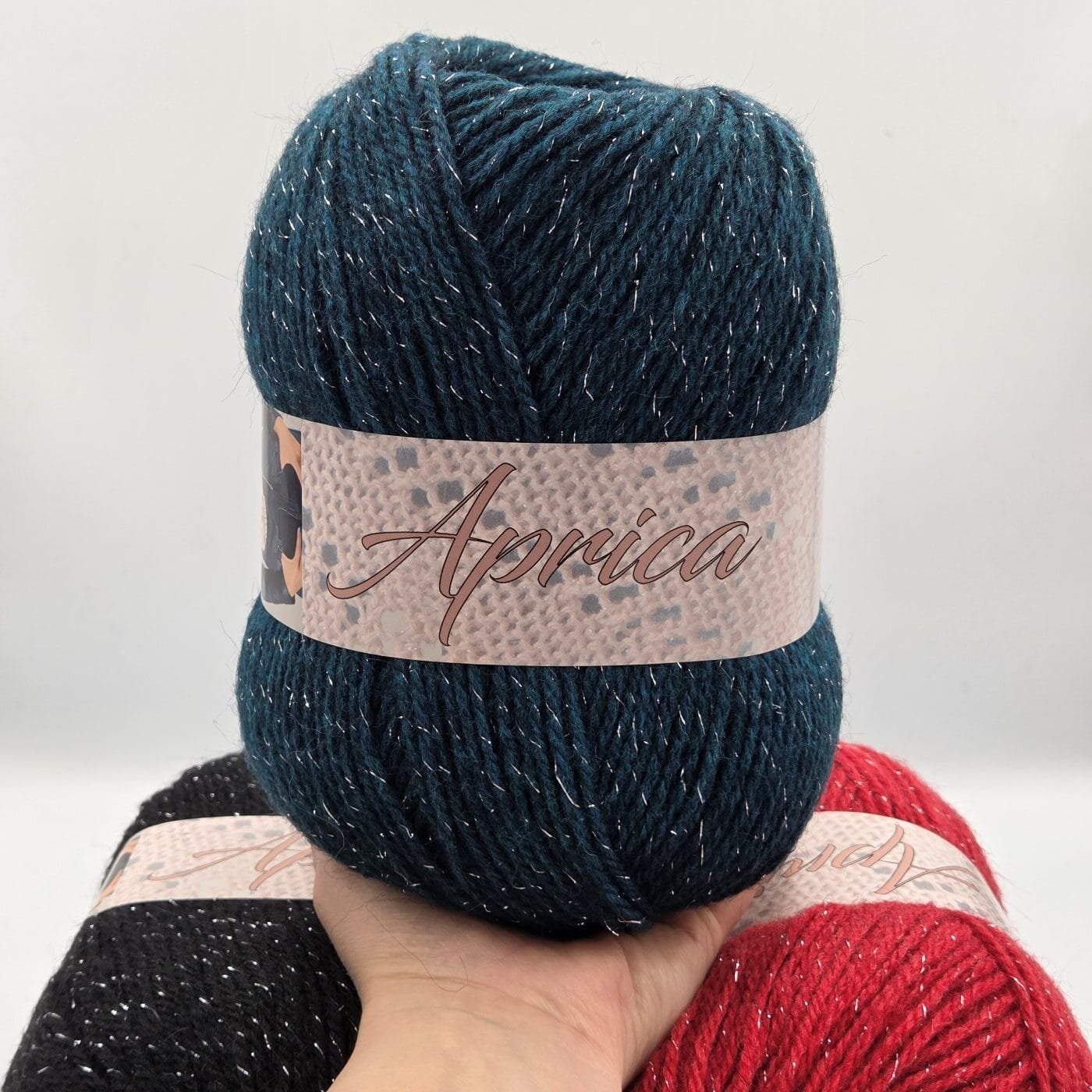
Bertagna Filati by Arvier GRINTA (wool, alpaca and acrylic)
Weight/length: 150g/220m
Original price was: 9,45 €.8,05 €Current price is: 8,05 €. 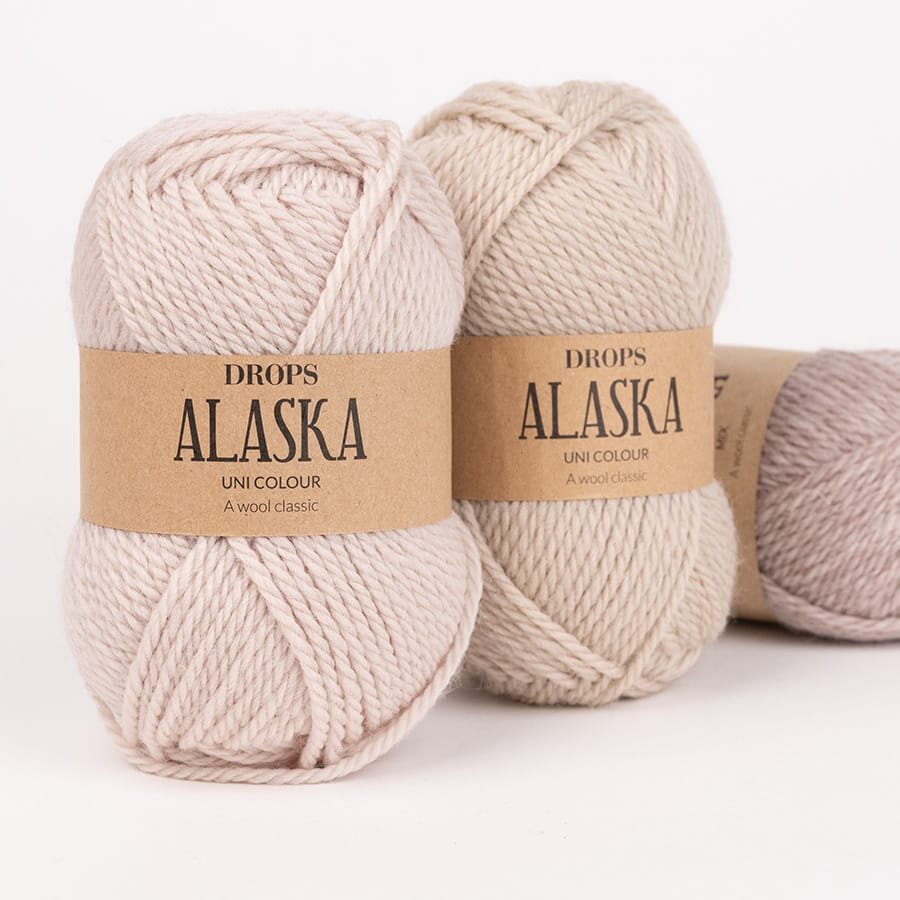
-25%
DROPS ALASKA (100% wool)
Weight/Length: 50g/70m
Original price was: 2,20 €.1,65 €Current price is: 1,65 €. 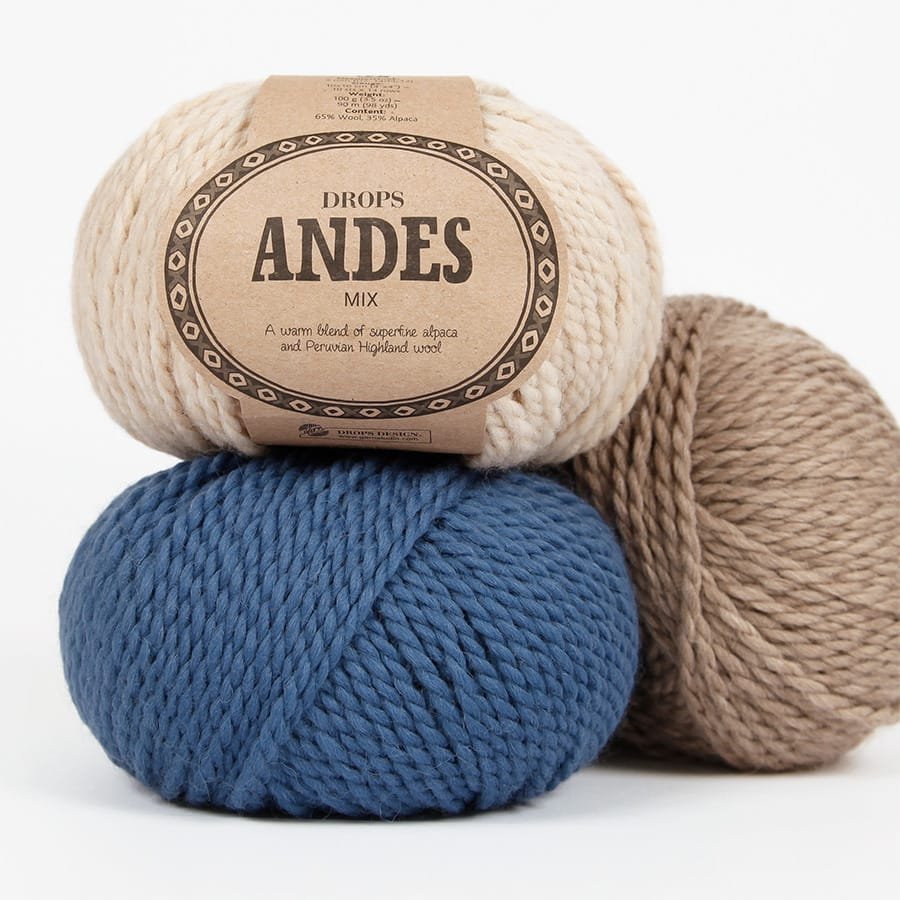
-23%
DROPS ANDES (wool, alpaca)
Weight/length: 100g/90m
Original price was: 5,65 €.4,35 €Current price is: 4,35 €. 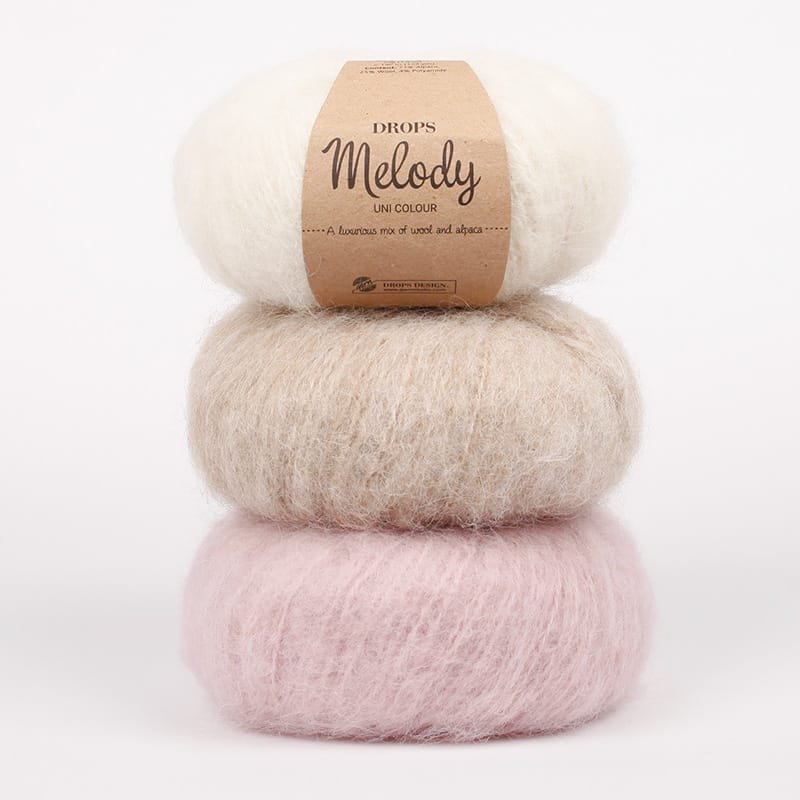
-26%
DROPS MELODY (alpaca, wool)
Weight/length: 50g/140m
Original price was: 4,95 €.3,65 €Current price is: 3,65 €. 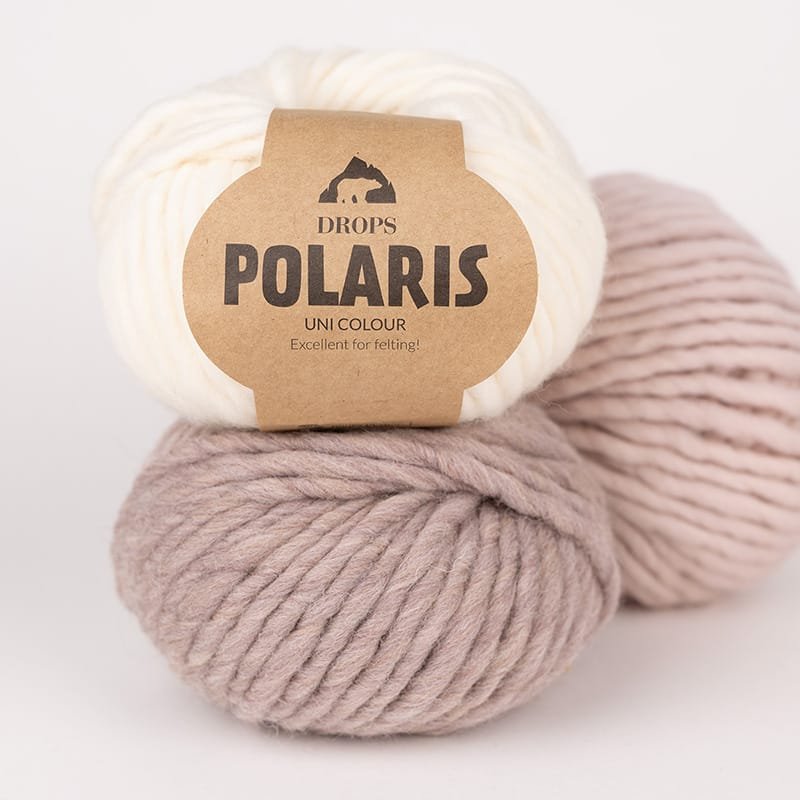
-30%
DROPS POLARIS (100% wool)
Weight/length: 100g/36m
Original price was: 5,45 €.3,82 €Current price is: 3,82 €. 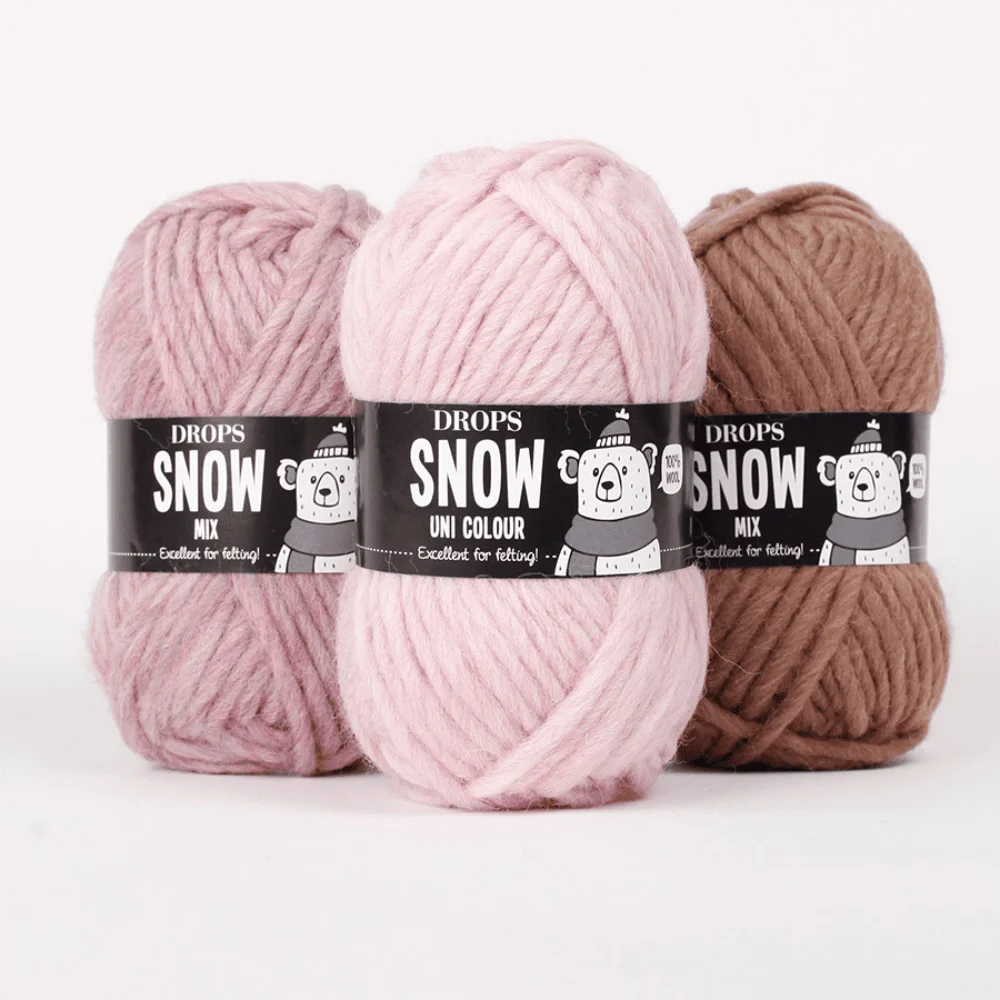
-30%
-14%
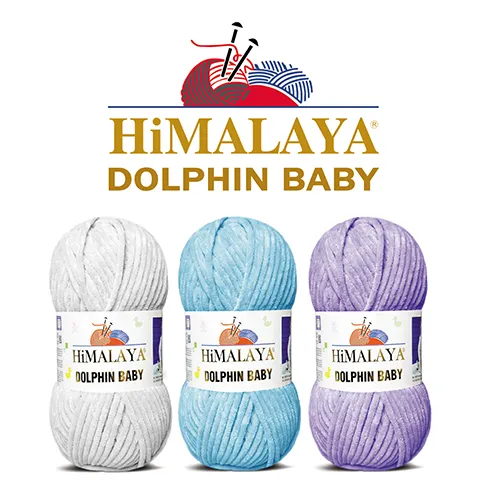
Himalaya DOLPHIN BABY (plush yarn)
Weight/Length: 100g/120m
Original price was: 3,45 €.2,95 €Current price is: 2,95 €. 
New
New

-15%
Tropical Lane EXTREME – extra-thick faux fur yarn
Weight/length: 300 g / 30 m
Original price was: 14,95 €.12,65 €Current price is: 12,65 €. 
New
Chunky yarns for knitting and crochet: how to choose?
Chunky yarns allow you to quickly form large eyes and an expressive surface of the knit. They are often chosen for hats, scarves, sweaters, blankets, pillows and bags, but the category name alone is not enough. The markings “chunky”, “bulky” or “super bulky” can mean different thicknesses from different manufacturers, so compare the yardage, density and recommended tools.
Chunky yarn does not necessarily mean a heavy product. A fluffy wool, a lightweight acrylic, a dense cotton cord or a polyester with a fur surface can have a similar diameter, but completely different weight, drop and purpose. When choosing, the most important thing is to foresee how the product will be worn or used.
How to determine the true thickness of the yarn?
Compare not only grams, but also meters within the same weight. The fewer meters per 100 grams, the thicker the yarn, but the fluffiness and construction can change the feel. Also check the recommended needle or hook size and the manufacturer’s stated knitting gauge.
The label recommendation is a starting point. A smaller tool creates a denser, stiffer fabric, while a larger tool creates a looser and fluffier fabric. Knit or swatch a sample, wash it, and only then judge the thickness, fall, and dimensions.
What projects are thick yarns good for?For hats and scarves. A fluffy wool or wool blend adds warmth and allows you to finish the project quickly. Evaluate the feel against the neck individually.
For sweaters and cardigans. Calculate the weight of the finished garment. A very dense knit made of thick yarns can be heavy and less flexible.
For throws and cushions. The yardage, care, and durability are important. A large product will require quite a few balls, even if you knit quickly.
For handbags and bags. Choose a thread that maintains structure and a dense crochet. Thick fur thread is more suitable for a decorative surface, while crochet cords are worth comparing for a more solid structure.
For quick gift projects. Thick threads are suitable for simple accessories, but fast work does not replace calculating density and quantity.Wool, acrylic, cotton or polyester?
Thick wool threads provide warmth and elasticity, but care depends on processing. Acrylic threads can be lighter and more practical for everyday products, but the softness and resistance of different products vary. Thick cotton or cord is suitable for stiffer lace, while polyester threads can create a furry, velvety or other effect surface.
Blend percentages are important, but they do not tell the whole story. The twist, fluffiness and support thread of the thread can change the strength, elasticity and whether the fabric holds its shape.
How thick thread will you need?
Due to the smaller size, one project often requires more balls. Calculate the amount based on the size of the specific pattern, your sample, and the meters per ball. For example, identical 100-gram balls can have 30, 80, or more meters, so comparing grams alone is misleading. For a larger project, choose yarn from the same dye lot and plan for a spare.
Thick yarns quickly use up a ball, so before you start, check whether the remaining amount of the selected color is sufficient for the entire project. If you are changing the pattern, recalculate the amount based on the new density.
What needles and hooks should you choose?
Thick yarns require a tool of the appropriate diameter and a comfortable grip. For longer work, not only the size is important, but also the length of the needle, the flexibility of the line, or the hook handle. Check the needles and hooks, and determine the final size based on the washed sample.
Care and final weight
Wash according to the label of the specific yarn. A large piece of thick yarn can be very heavy when wet, so do not hang it unless the manufacturer advises otherwise. Carefully remove excess water, shape and dry flat. Compare all other weights in the general knitting and crochet yarn category, or check out our extra-fine yarns for lighter projects.