ACCESSORIES
















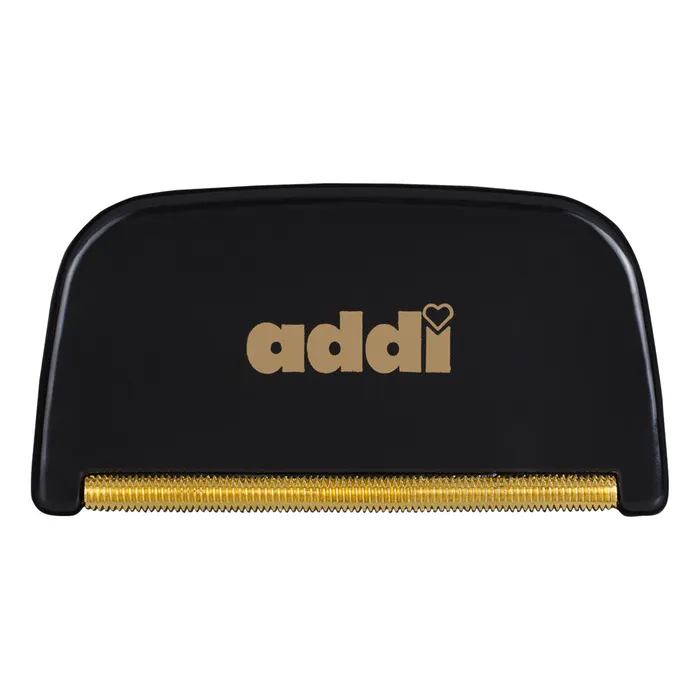
Addi cashmere brush
6,45 €
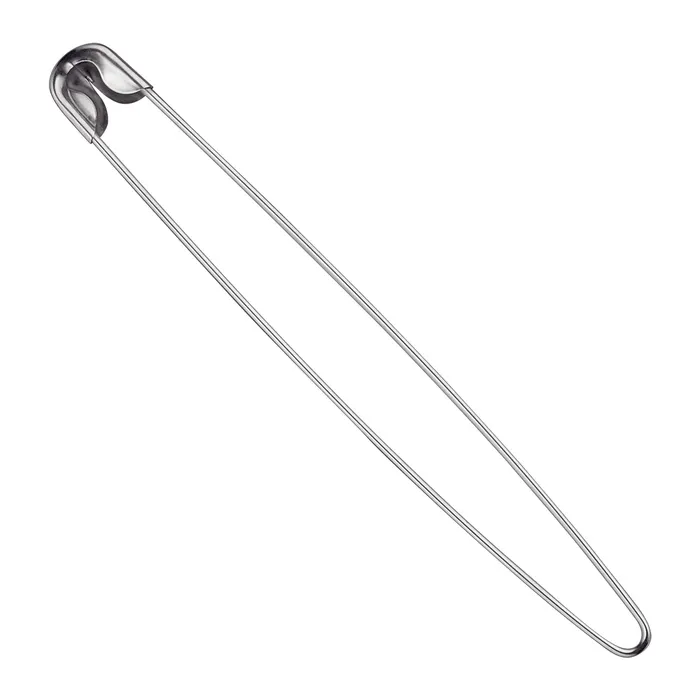
Addi stitch holders (2 pcs.)
5,40 €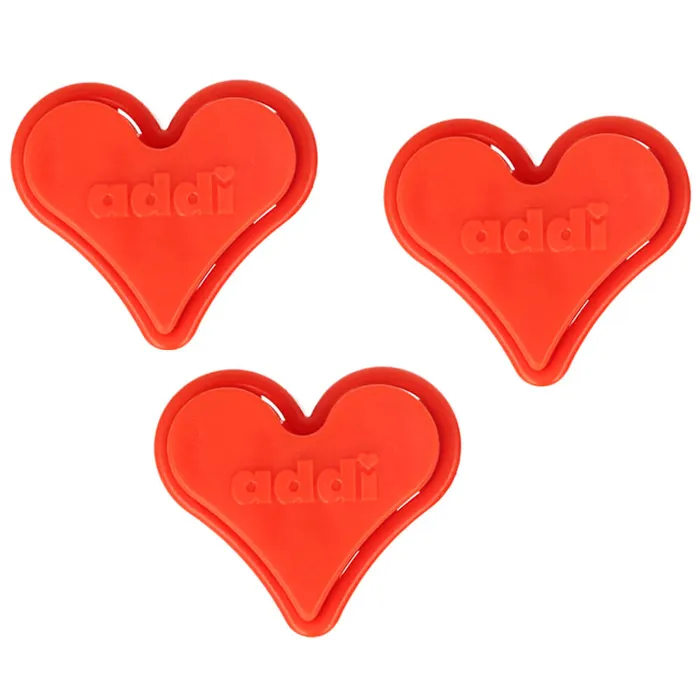
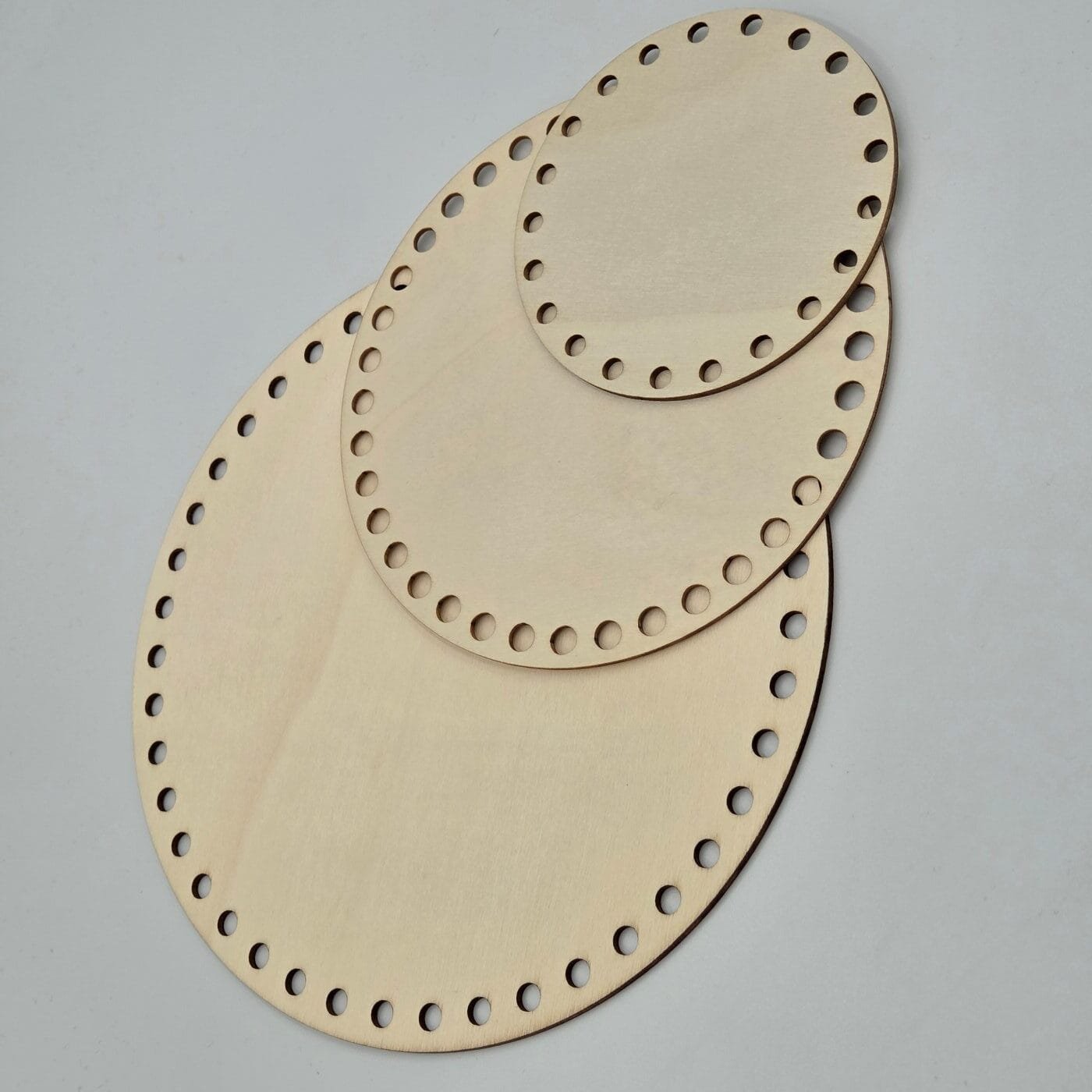
Round wooden base (bottom) for a handbag/basket
Price range: 1,20 € through 2,90 €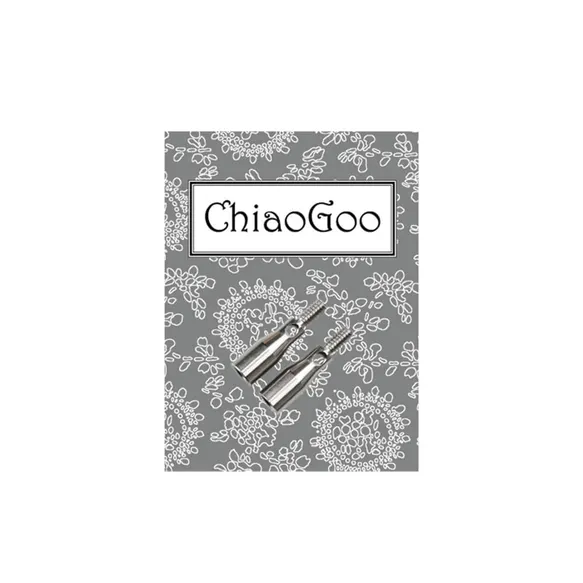
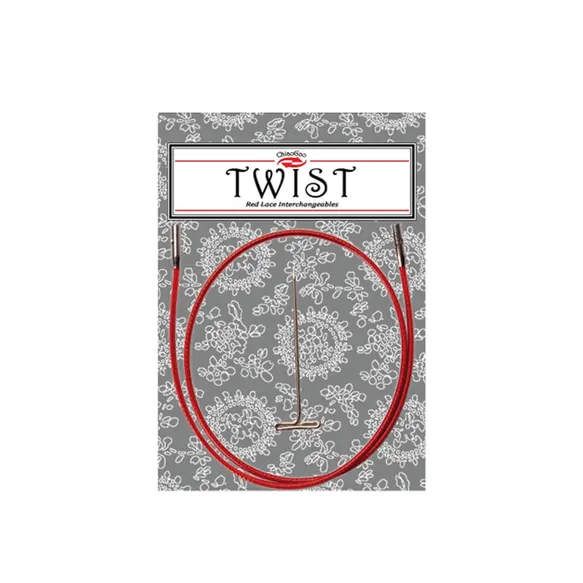
ChiaoGoo MINI [M] interchangeable cords (13–93 cm)
Price range: 9,70 € through 10,90 €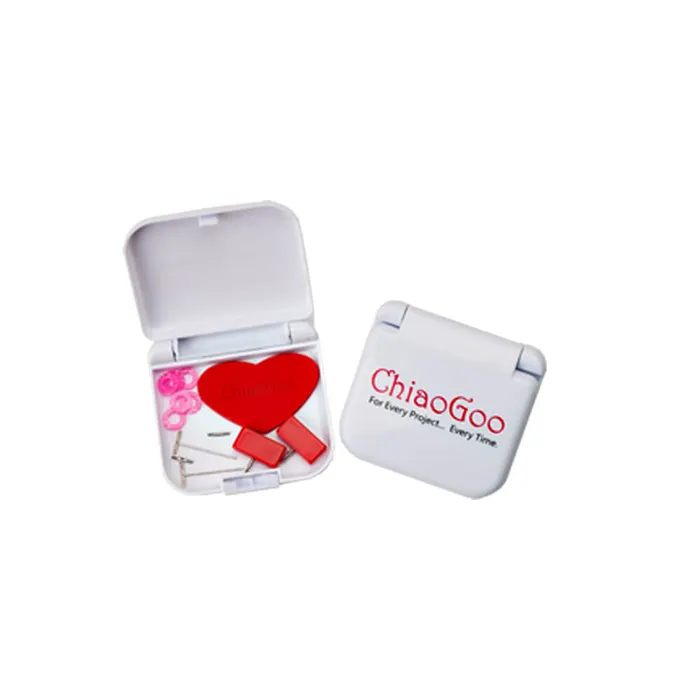
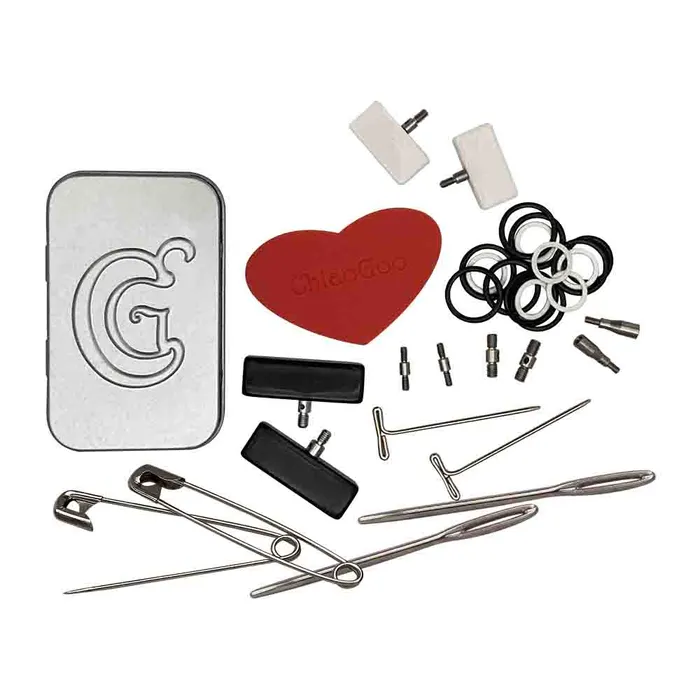
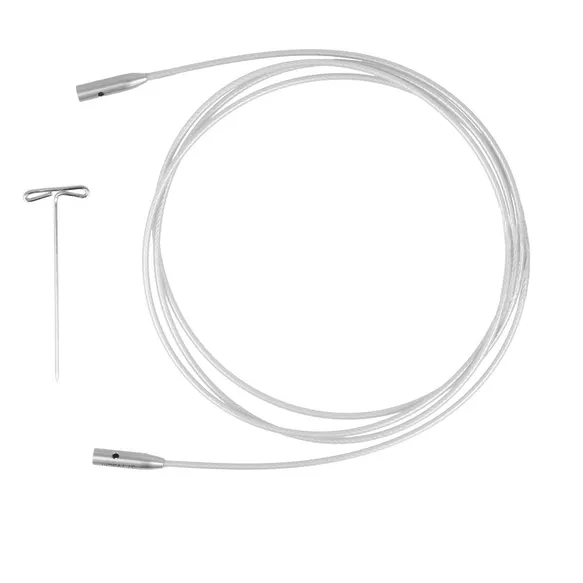
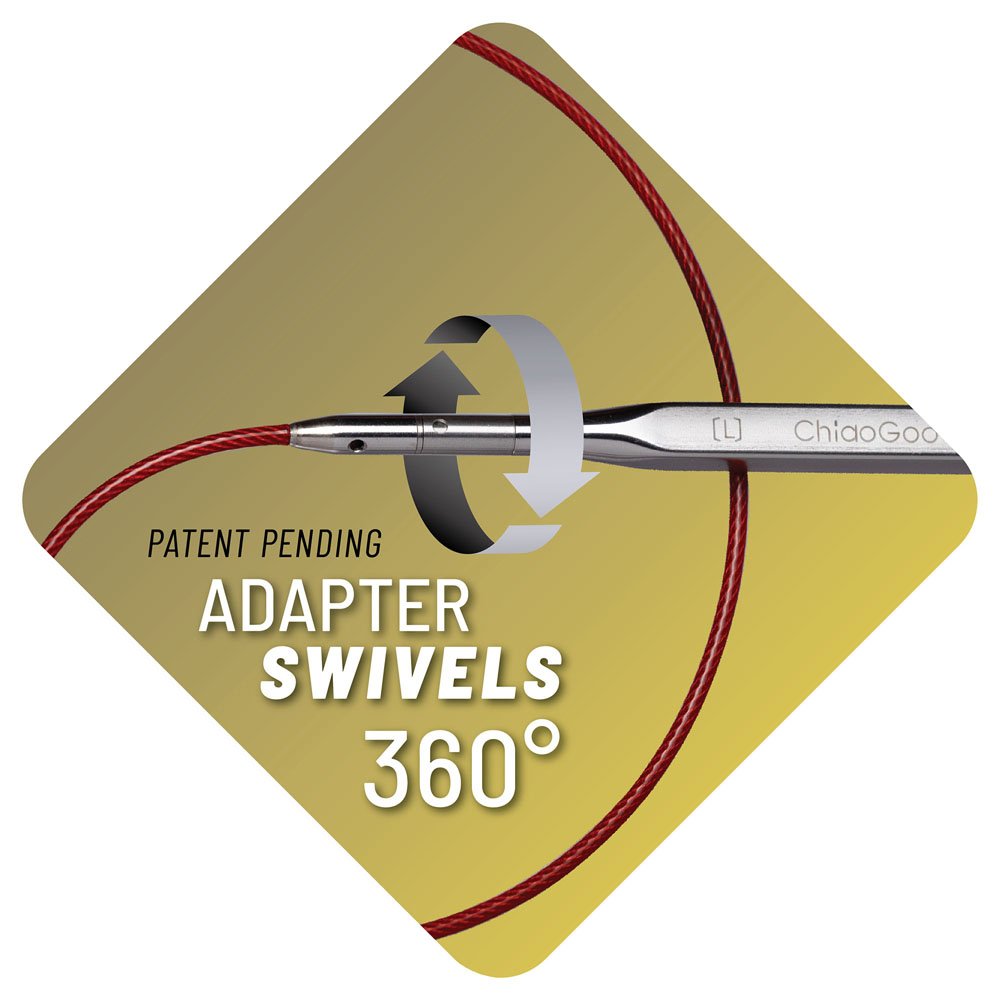
![ChiaoGoo TWIST Blue X-Flex [S] interchangeable needle cable](https://siulubangos.lt/wp-content/uploads/2026/07/chiaogoo-melynas-valas.jpg)
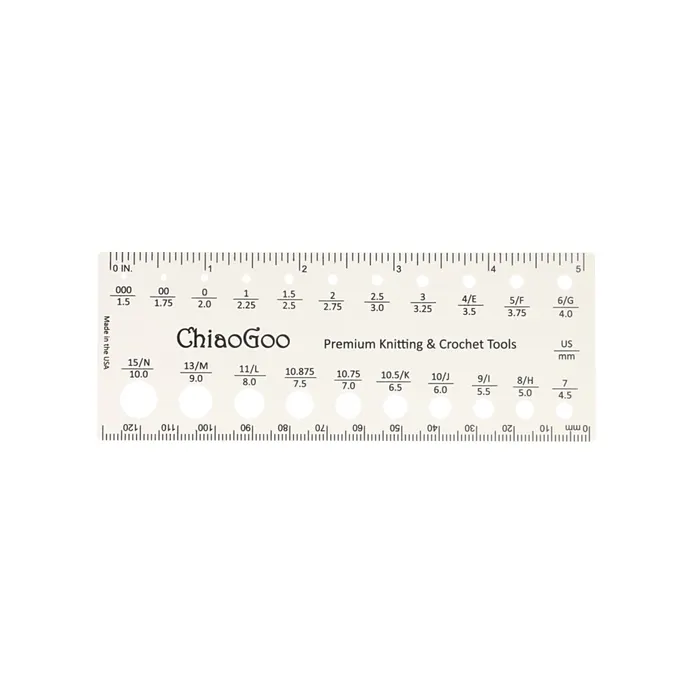
ChiaoGoo needle gauge and ruler (13–20 cm)
Price range: 4,50 € through 6,80 €

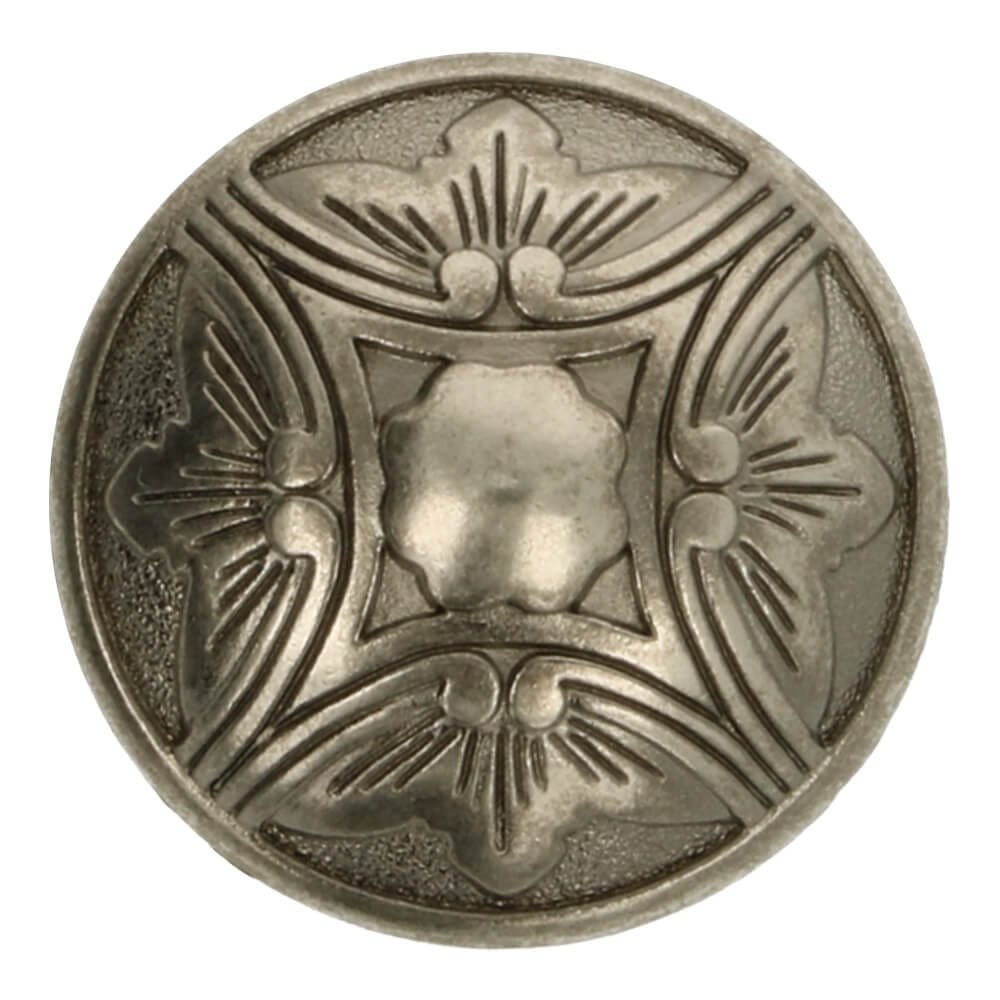
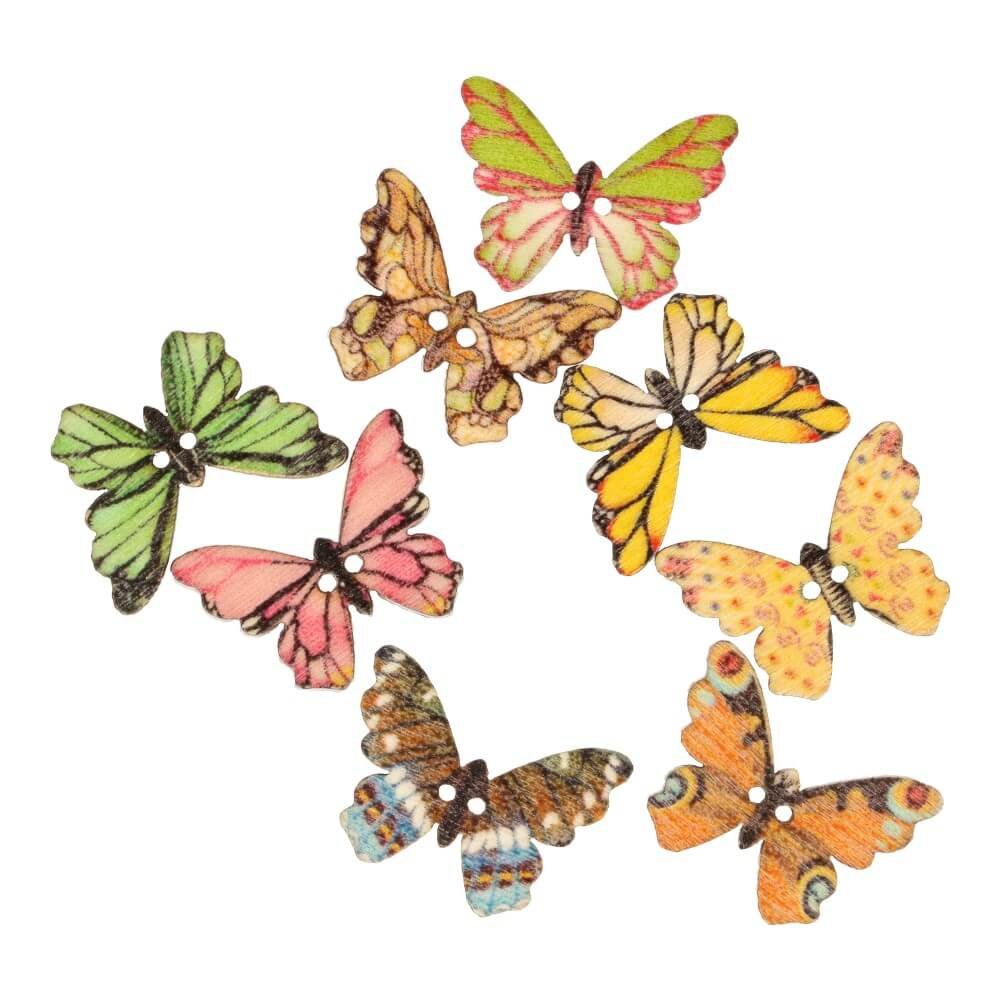
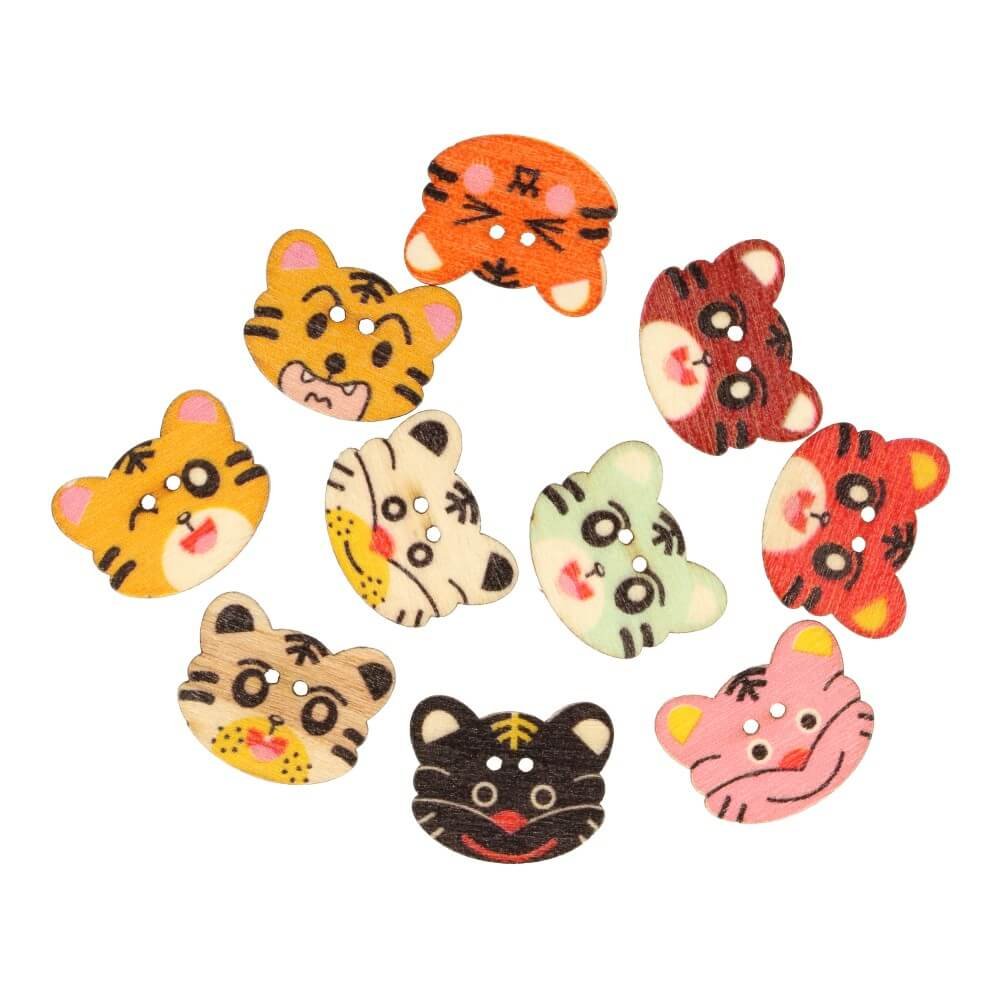
Knitting tools and craft supplies
Knitting accessories help you count stitches accurately, manage yarn, finish a project and care for completed knitting or crochet. Yarn, knitting needles or a crochet hook shape the main result, but well-chosen small tools save time and reduce mistakes. This category includes stitch markers, needles, measuring tools, scissors, yarn-winding equipment, needle point protectors, garment-care products and other useful craft accessories.
Markers, counters and measuring tools
Stitch markers and locking markers identify the beginning of a round, pattern repeats, increases or decreases, and temporarily separate parts of a project. Locking markers can attach to a stitch or the fabric, while closed rings usually slide onto a knitting needle. Row counters help with repeated sections, although marking completed steps on the pattern is still useful. A tape measure and gauge tool help check both the swatch and finished dimensions.
Needles, scissors and finishing
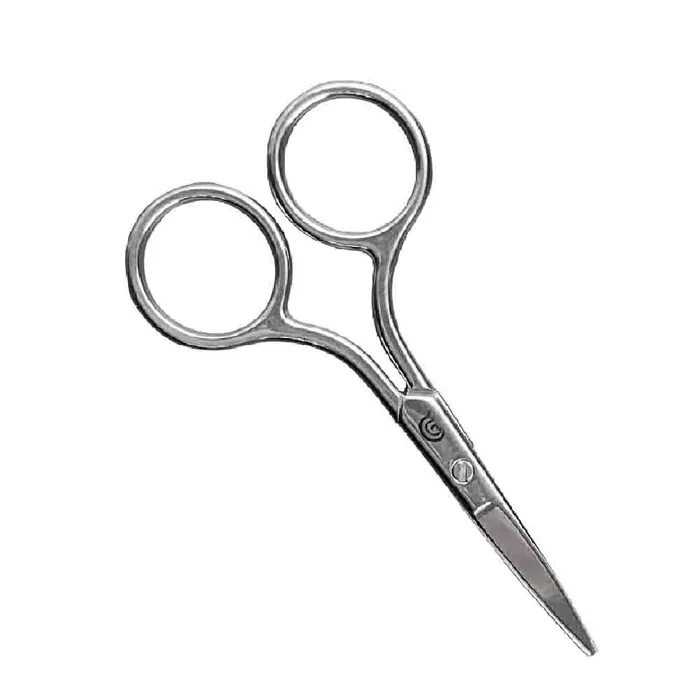
Wool or tapestry needles are used to weave in ends, seam pieces and add decorative stitching. A blunt tip passes between stitches without splitting the yarn, while a larger eye makes thicker yarn easier to thread. Choose scissors for precision, handle comfort and the yarn thickness you cut most often. Keep small sharp tools in a case, especially when carrying them with a project.
Yarn preparation and storage
Yarn-winding tools turn a hank into a convenient cake or ball and keep leftover yarn tidy. Avoid winding too tightly, as excessive tension can reduce elasticity. Project bags, cases and organisers separate different colours and protect needles and small accessories. Keep the yarn labels until the project is complete because they record fibre content, length, dye lot and care symbols.
Needle point protectors and system accessories
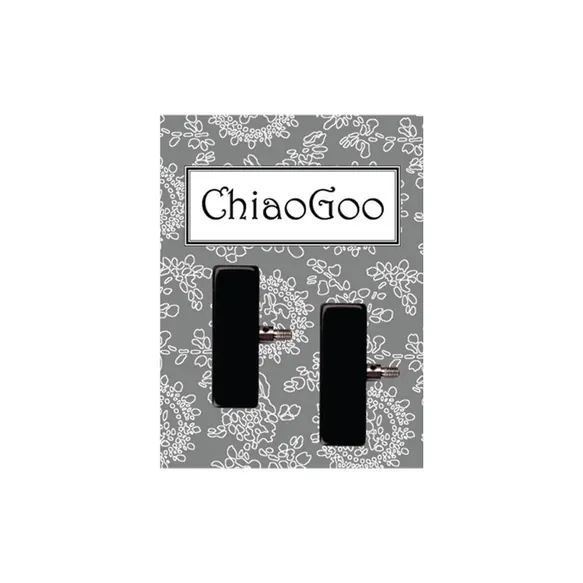
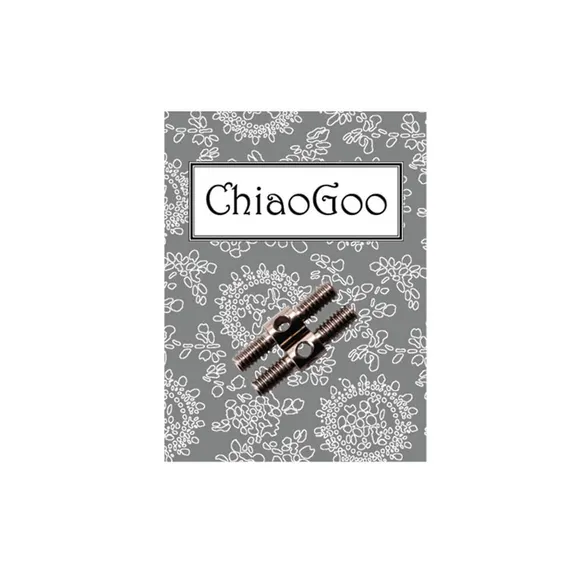
Needle point protectors hold stitches securely when you put a project aside or move it. Cables, connectors, keys and end stoppers for interchangeable systems must match the specific system and size group. Check the product description before buying an extra part, because products from the same brand are not always mutually compatible.
Knitwear care
Knitwear care products help wash, shape, dry or refresh finished items. Always follow the label of the specific yarn, as wool, cotton, linen, silk and synthetic blends can require different care. Test a new product on a swatch first, especially when the item is brightly coloured or combines several fibres.
Supplies for bags and other crafts
The bag-making supplies category includes handles, bases, fastenings and other structural parts. Match them to the thickness of the chosen cord or yarn and to the finished item’s size and weight. Before starting, check the attachment method and whether the knitted or crocheted fabric is firm enough to hold its shape.
Comfort, quality and compatibility
For a frequently used tool, comfortable grip, clear markings, secure fastening and smooth surfaces that do not snag yarn matter as much as its name. Check dimensions and set contents before buying: similar-looking markers, needles or cases may suit different yarn and tool sizes. Treat the manufacturer’s intended use as the main criterion, especially for interchangeable-system parts or accessories that must support a project’s weight.
How to build a basic tool kit?
A tape measure, several types of markers, a suitable needle, small scissors and a stitch holder are enough to begin. Expand the kit for real projects rather than simply collecting accessories. First choose yarn and suitable knitting needles or crochet hook, then add only the tools required for that pattern. This helps avoid incompatible or rarely used purchases.