Baby yarn












Bertagna Filati by Arvier PRESTIGE (super baby alpaca, superfine merino, silk)

Concept by Katia BABY CARE MERINO (100% merino wool)
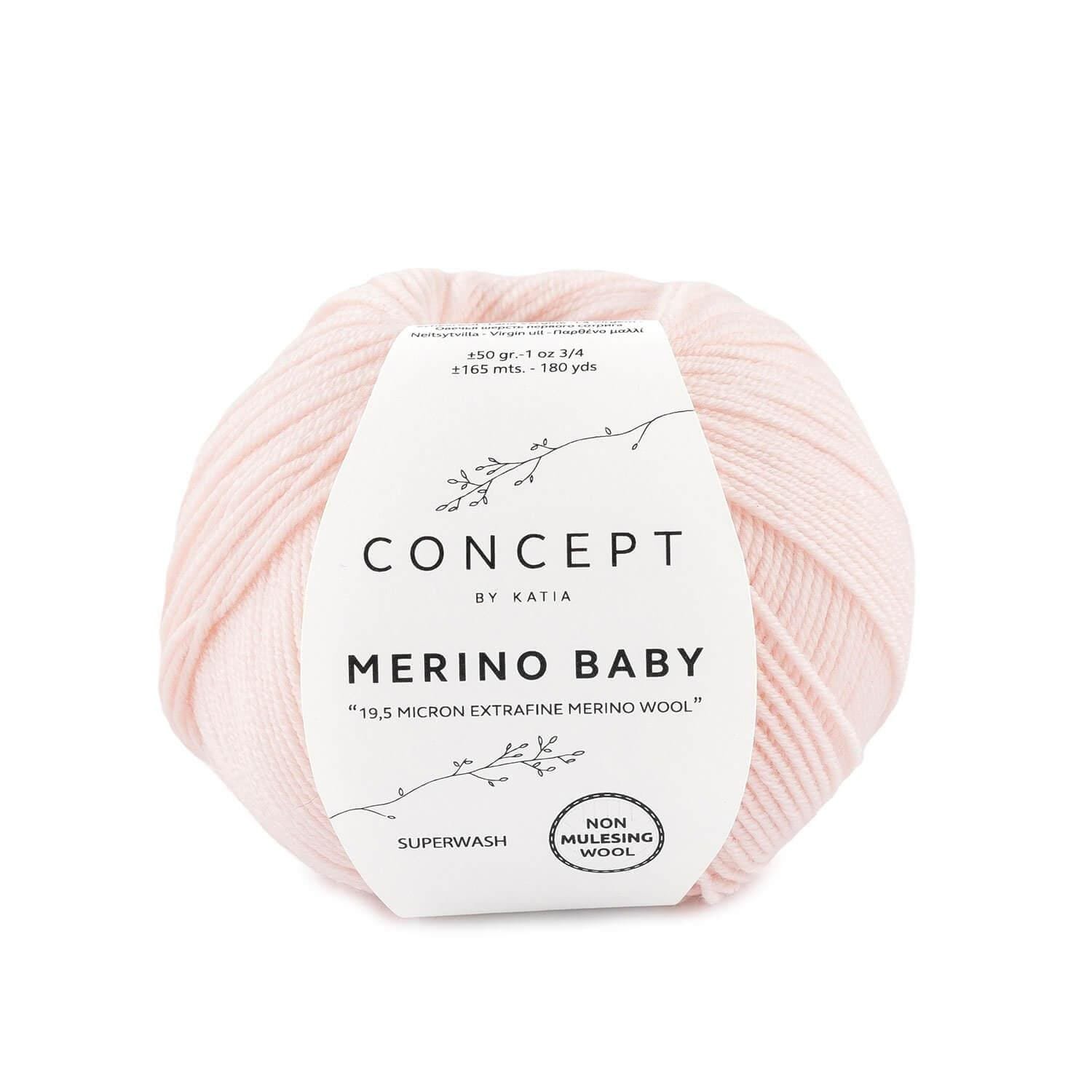
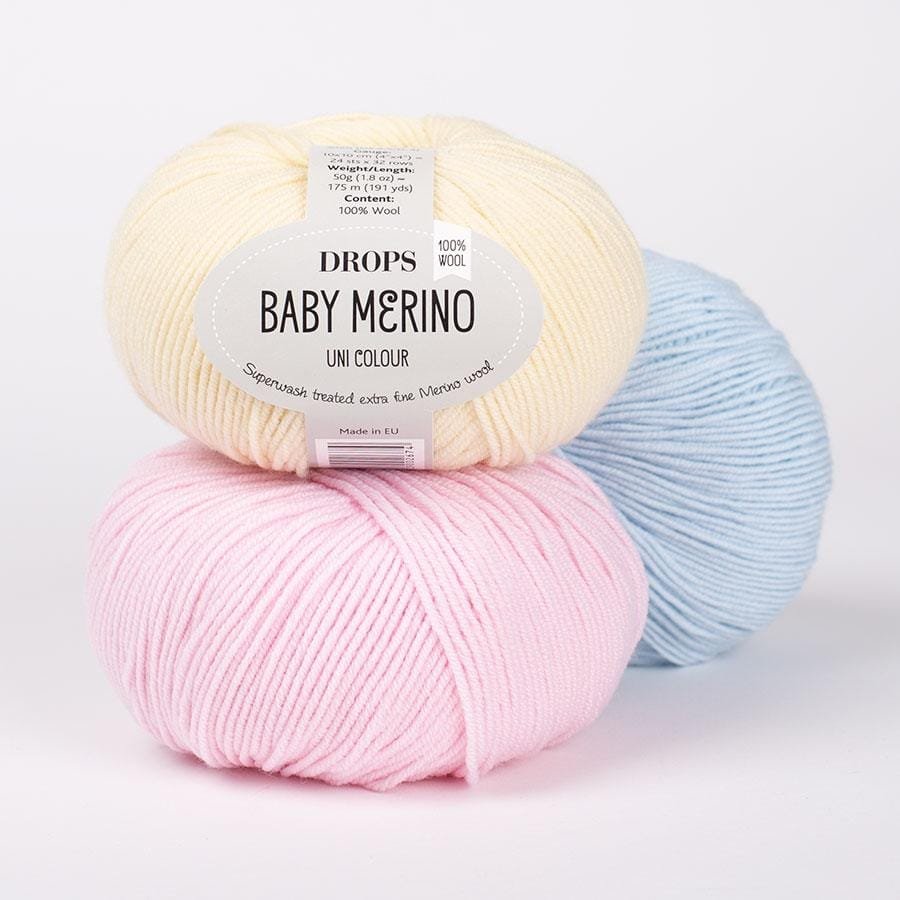
DROPS Baby Merino (100% merino wool)
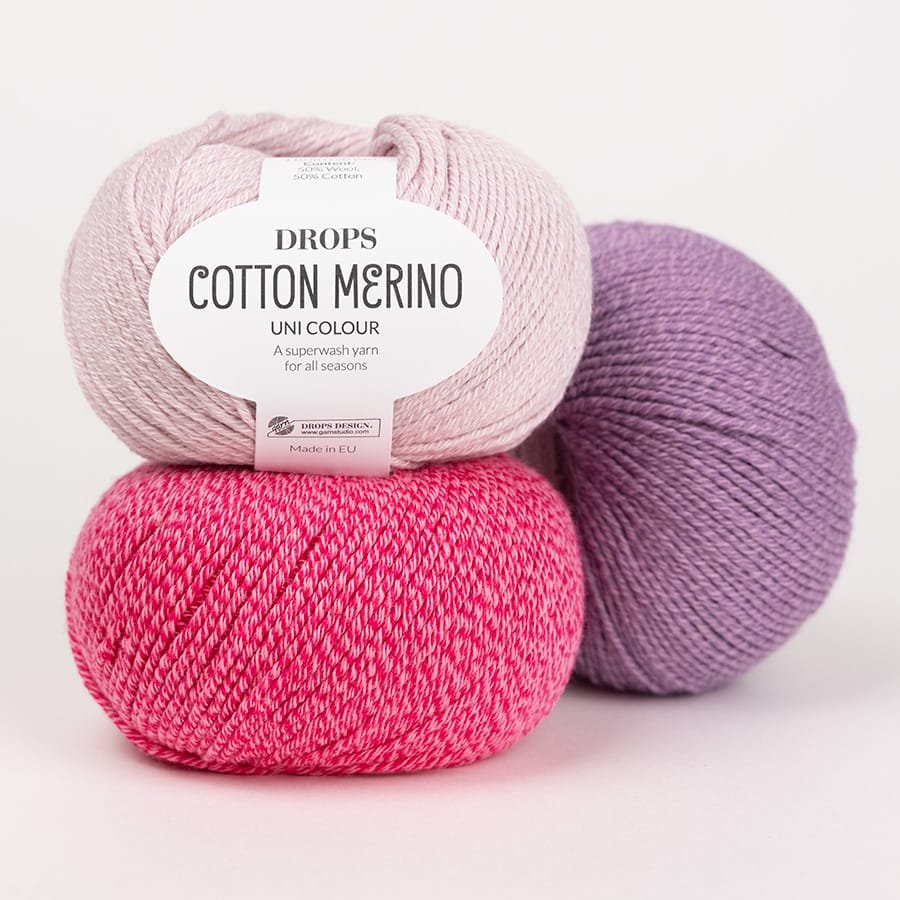
DROPS COTTON MERINO (merino wool, cotton)
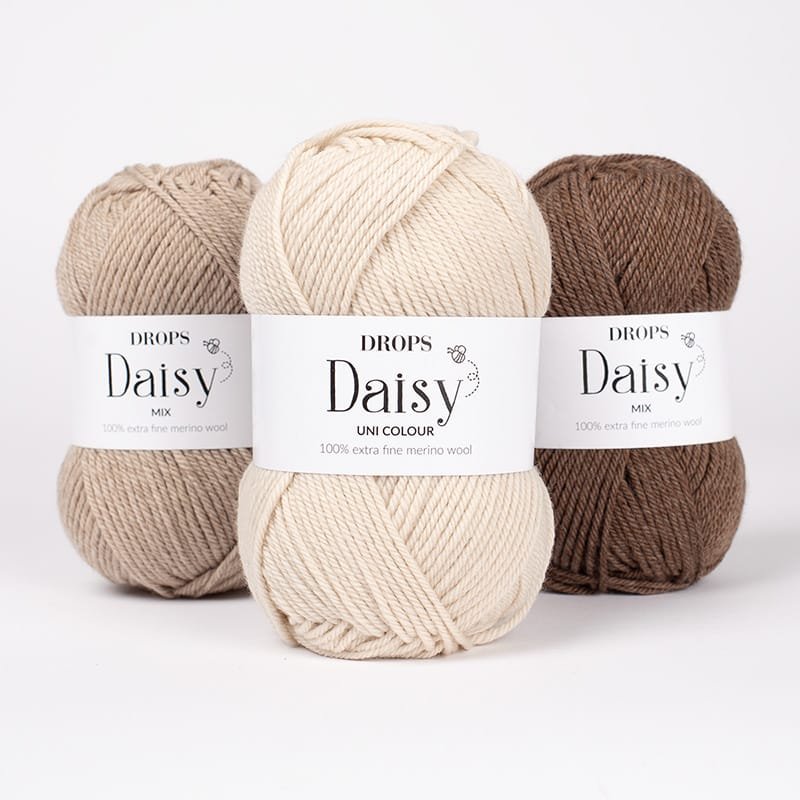
DROPS DAISY (100% merino wool)
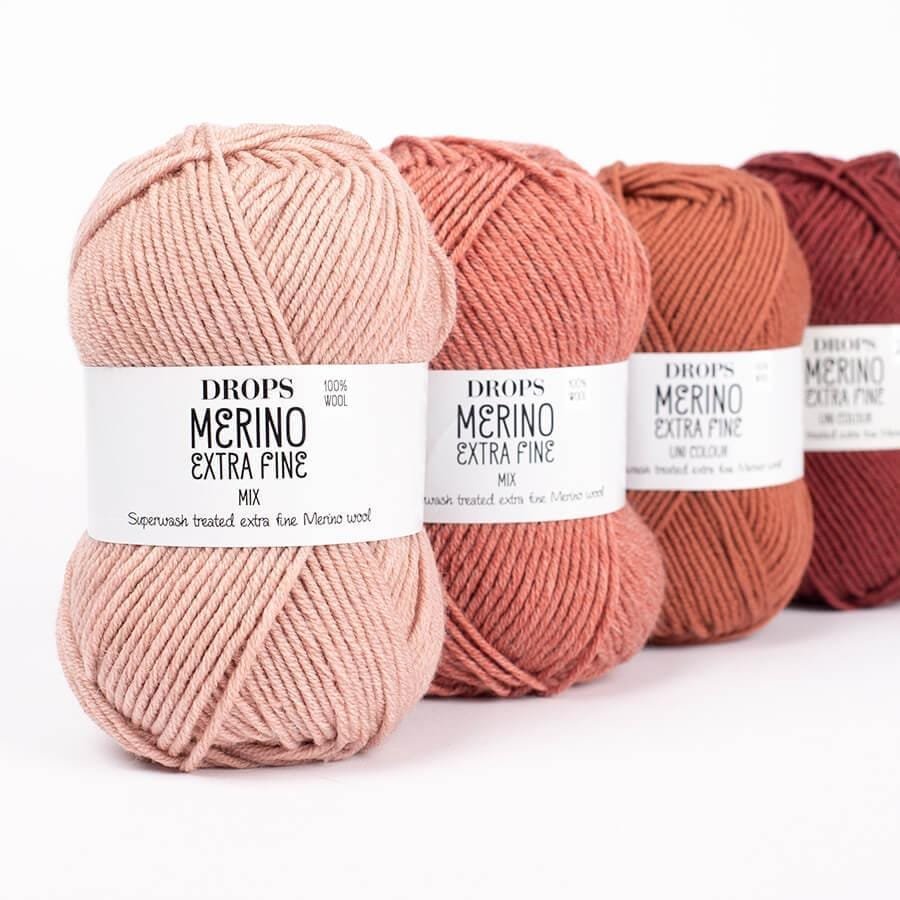
DROPS MERINO EXTRA FINE (100% merino wool)
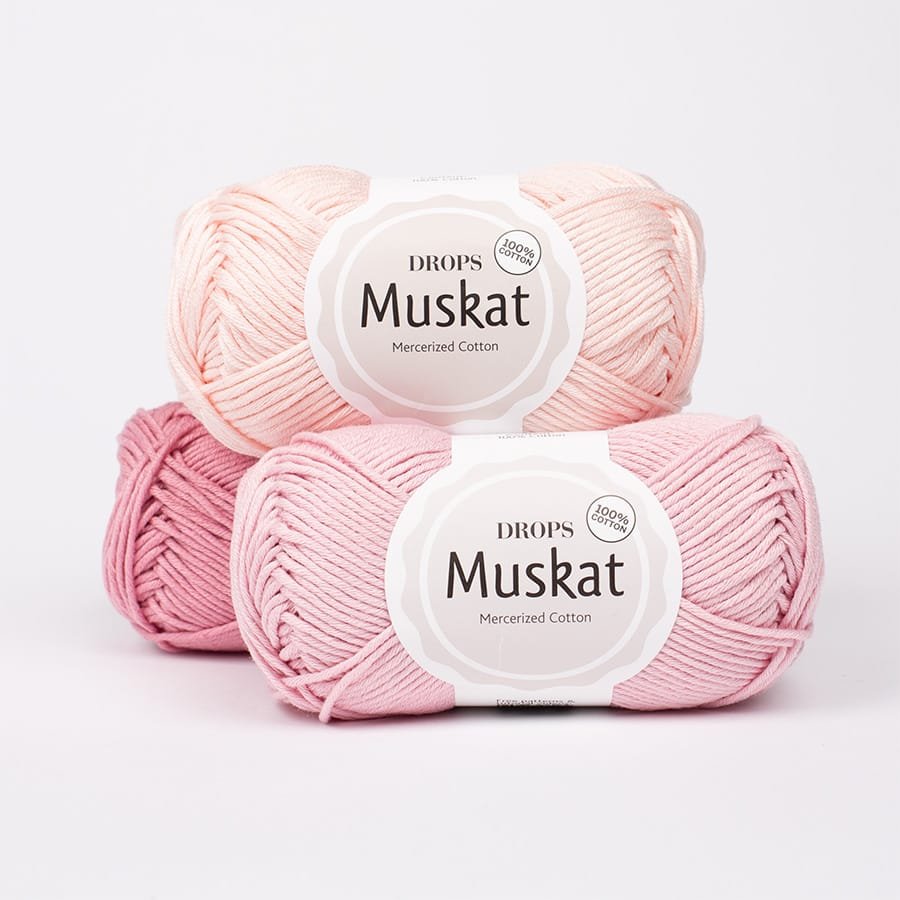
DROPS MUSKAT (100% cotton)
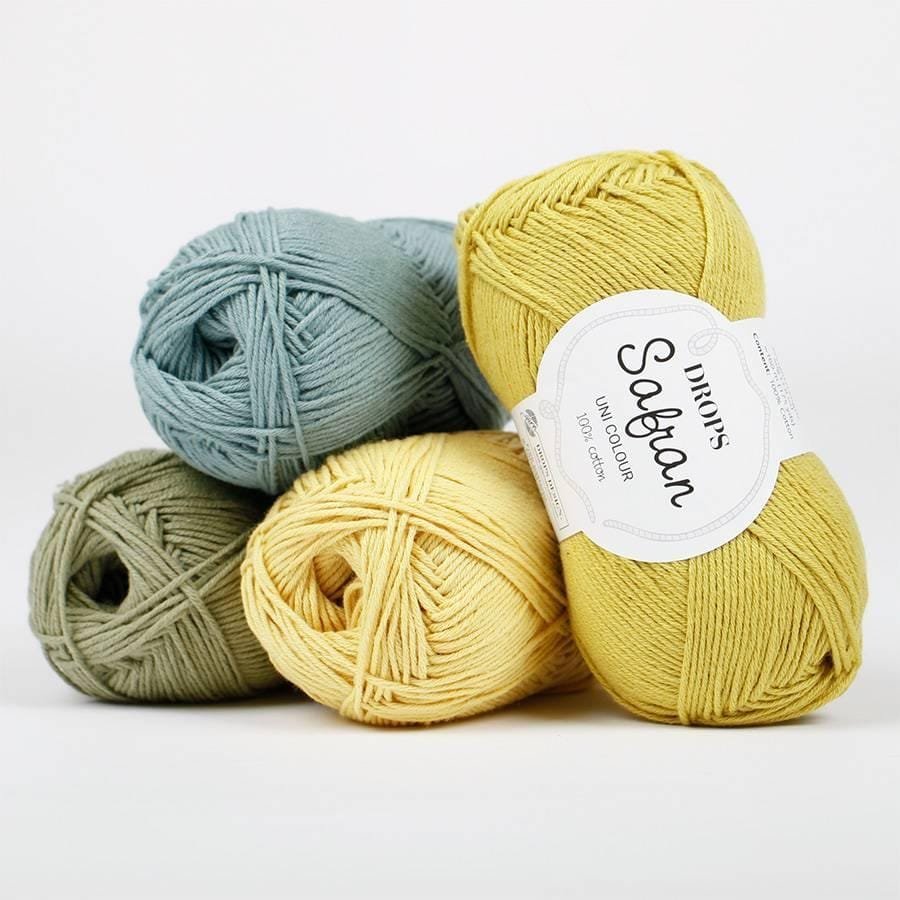
DROPS SAFRAN (100% cotton)
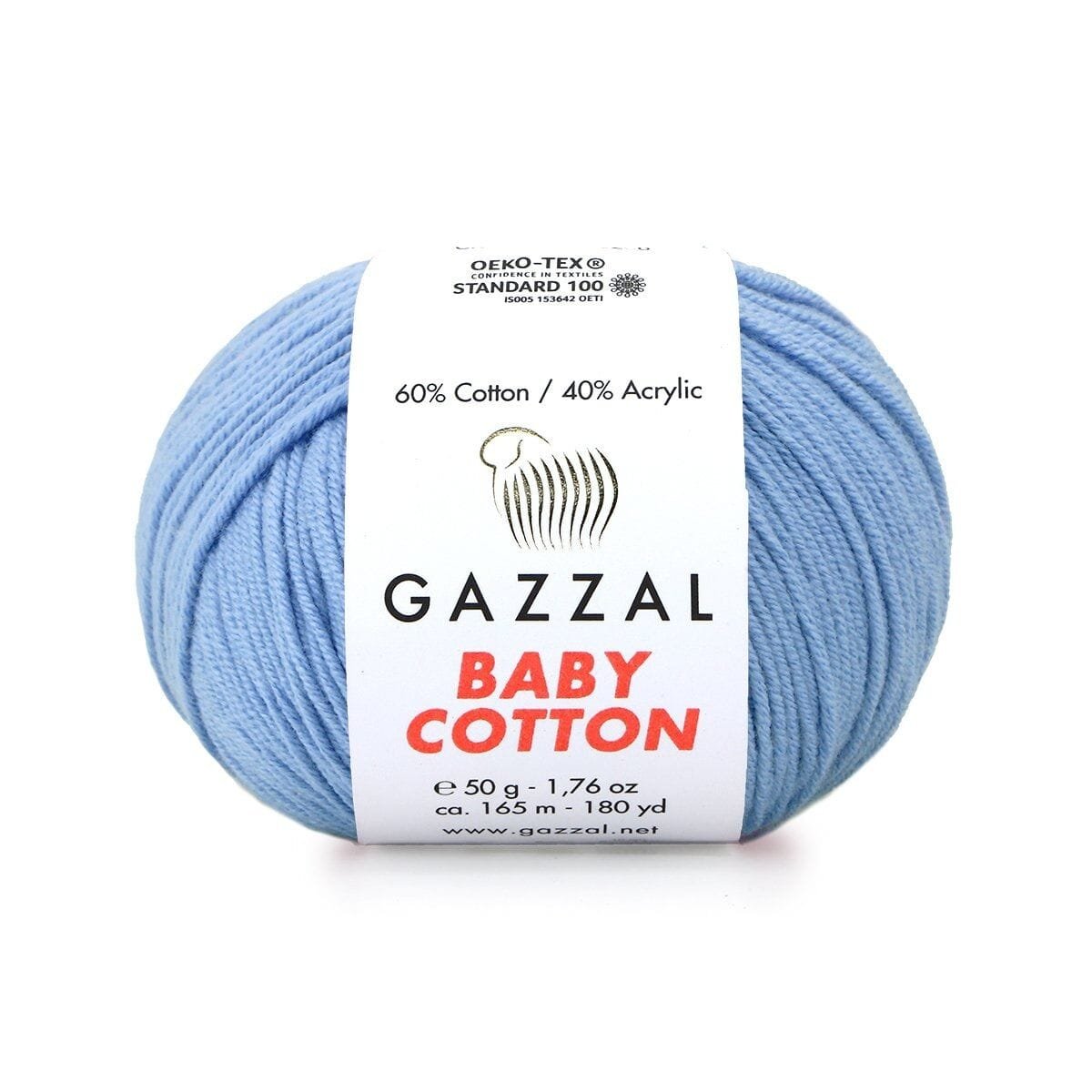
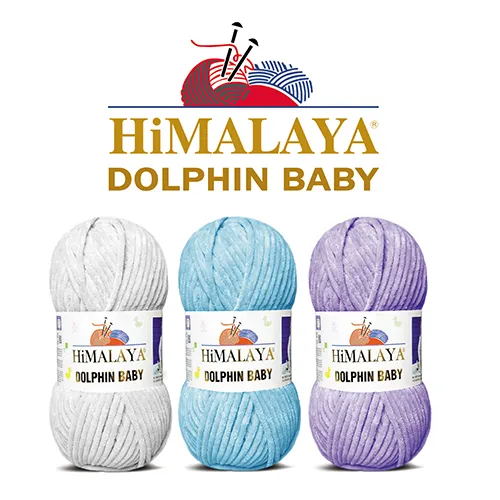
Himalaya DOLPHIN BABY (plush yarn)


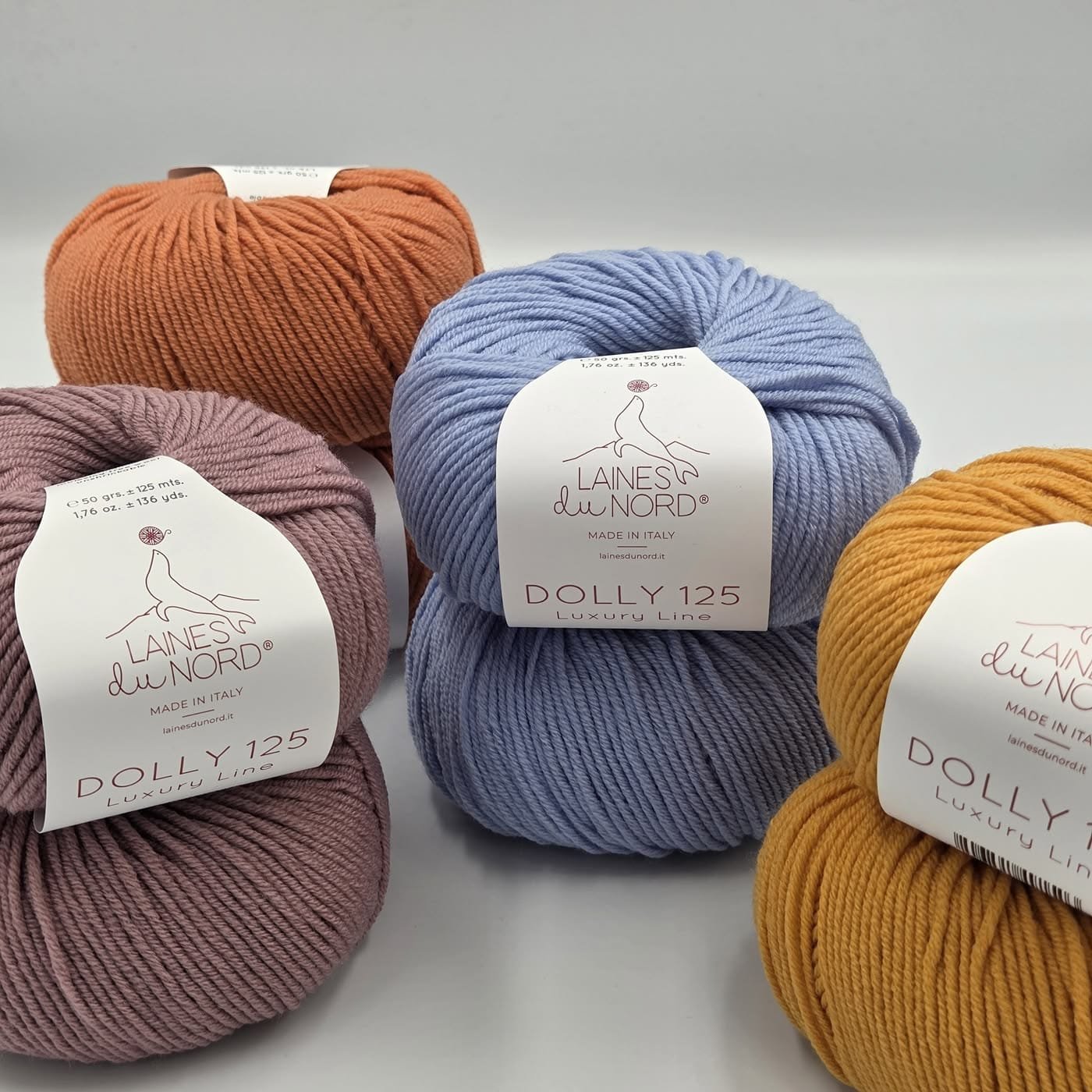
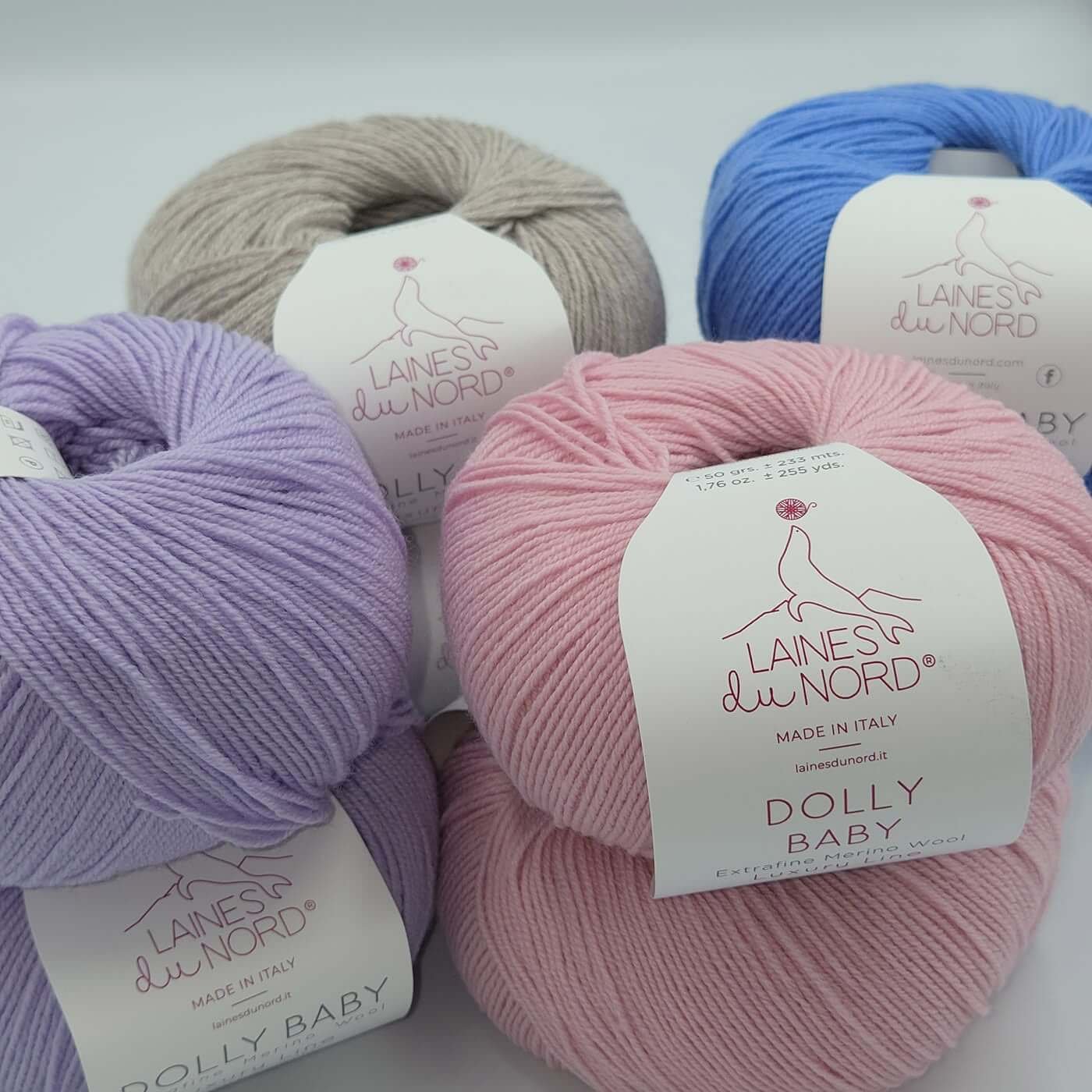
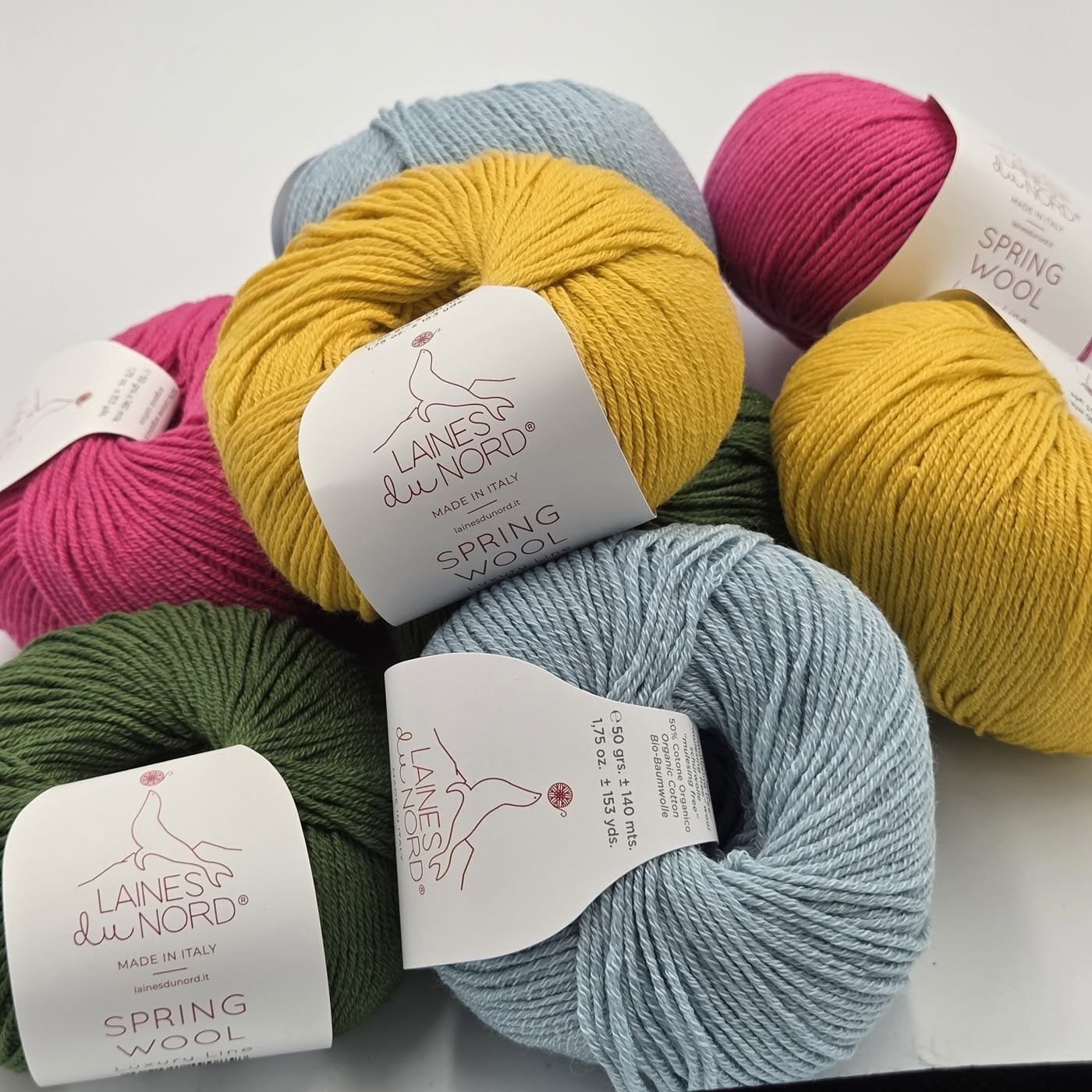
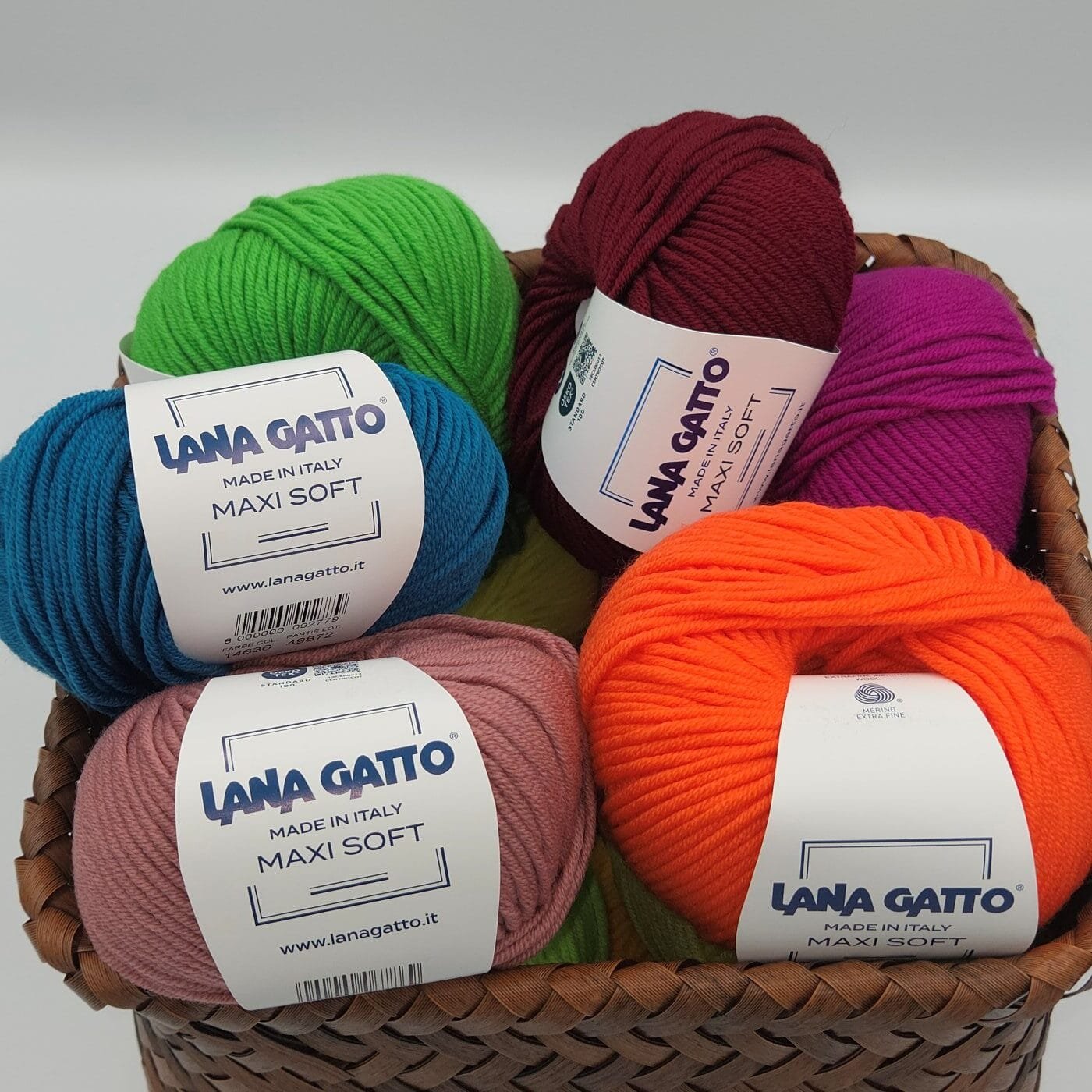

Yarn for babies: choosing fibres, softness and care
When choosing yarn for baby clothes and accessories, look beyond colour and the category name. Consider how the yarn feels, its fibre content and construction, the care it needs and the intended use of the finished item. A yarn that works for a blanket may be impractical for a frequently washed jumper or too fluffy for an item worn close to the face.
The description “yarn for babies” does not guarantee that a yarn will suit every child. Skin and sensory sensitivity vary. Feel the yarn, knit a swatch, wash it and assess it again. Claims such as “hypoallergenic”, “non-irritating” or “suitable for all babies” should not be taken for granted without supporting information from the manufacturer.
Which fibres should you choose?
- Cotton. Cotton yarn is often used for lightweight clothes, summer knits, toys and blankets. It is less elastic than wool, so an accurate gauge swatch matters.
- Merino wool. Merino wool yarn can feel softer than coarser sheep's wool and suit warm garments. The feel depends on fibre diameter, finish and the blend.
- Acrylic. Acrylic yarn can be easy to care for and practical for frequently washed items. Acrylic alone does not guarantee softness or suitability for sensitive skin.
- Blends. Blends of cotton, wool and synthetic fibres can balance warmth, stretch, durability and care. Check the full composition, not just the first fibre listed.
Matching yarn to the project
For a jumper or cardigan, balance softness, stretch and practical care. For a hat, consider how the yarn feels against the forehead and neck. A thicker yarn may suit a blanket, but assess the finished weight, surface fluff and washing instructions. Socks need elasticity and shape retention; toys benefit from a firm twist that helps define small details.
Assess long fibres and loosely twisted strands particularly carefully if the item will touch the face or be put in the mouth. Yarn is only one part of the finished item's safety: avoid easily detached decorations, long ties and insecurely attached buttons or toy parts.
Care for everyday use
Baby clothes and blankets need frequent washing, so check the permitted temperature, washing method, spin cycle and drying instructions before buying. Superwash means wool has been treated to reduce felting, but the specific label still applies. Do not assume the yarn is machine washable unless the manufacturer says so.
A washed swatch shows whether the fabric softens, stretches, shrinks or becomes fluffier, and whether the colour remains stable. Measure the stitch and row gauge after washing and drying as directed. This helps you achieve the intended size, especially for close-fitting garments.
Choosing yarn thickness and quantity
The amount needed depends on the child's size, the garment, the pattern, the yarn length and your gauge. Balls of the same weight can contain very different lengths. Follow the pattern's quantities, allow extra yarn for a swatch and choose balls from the same dye lot.
Finer yarns suit lightweight garments. Thicker yarns can make a blanket or warm outer layer quicker to knit, but may produce heavier fabric. Choose suitable knitting needles or crochet hooks based on your washed gauge swatch.
What to check before buying online
Read the full fibre content, yarn length, recommended tool size and care symbols. If a certificate or a claim about sensitive skin is provided, check that it applies to the specific product. Explore other fibres in the yarn for knitting and crochet category. Choose a yarn that suits your project, feels comfortable and can be cared for in a practical way.