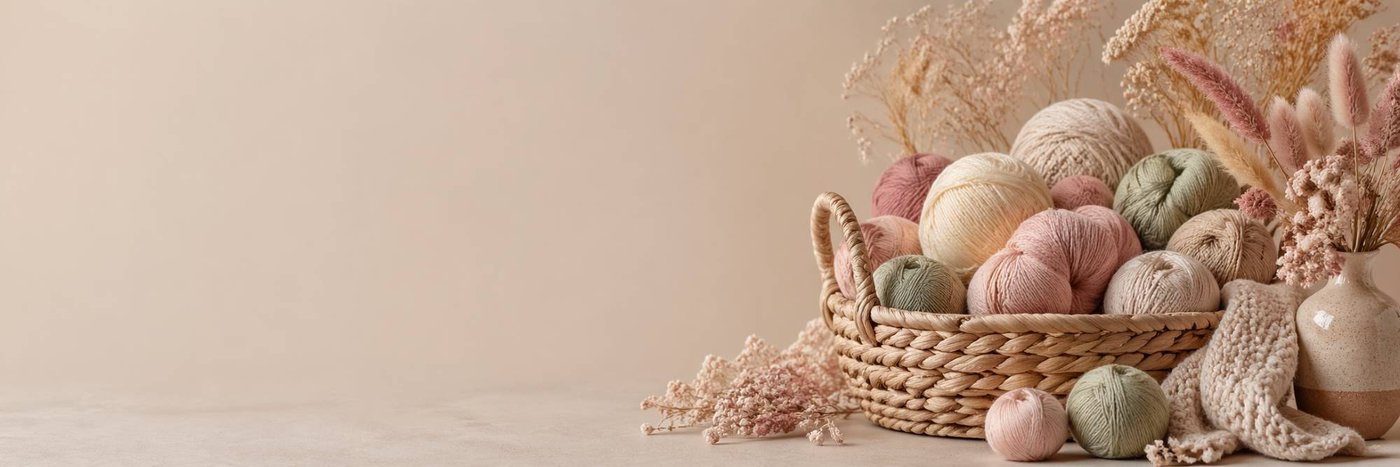
Mohair yarn







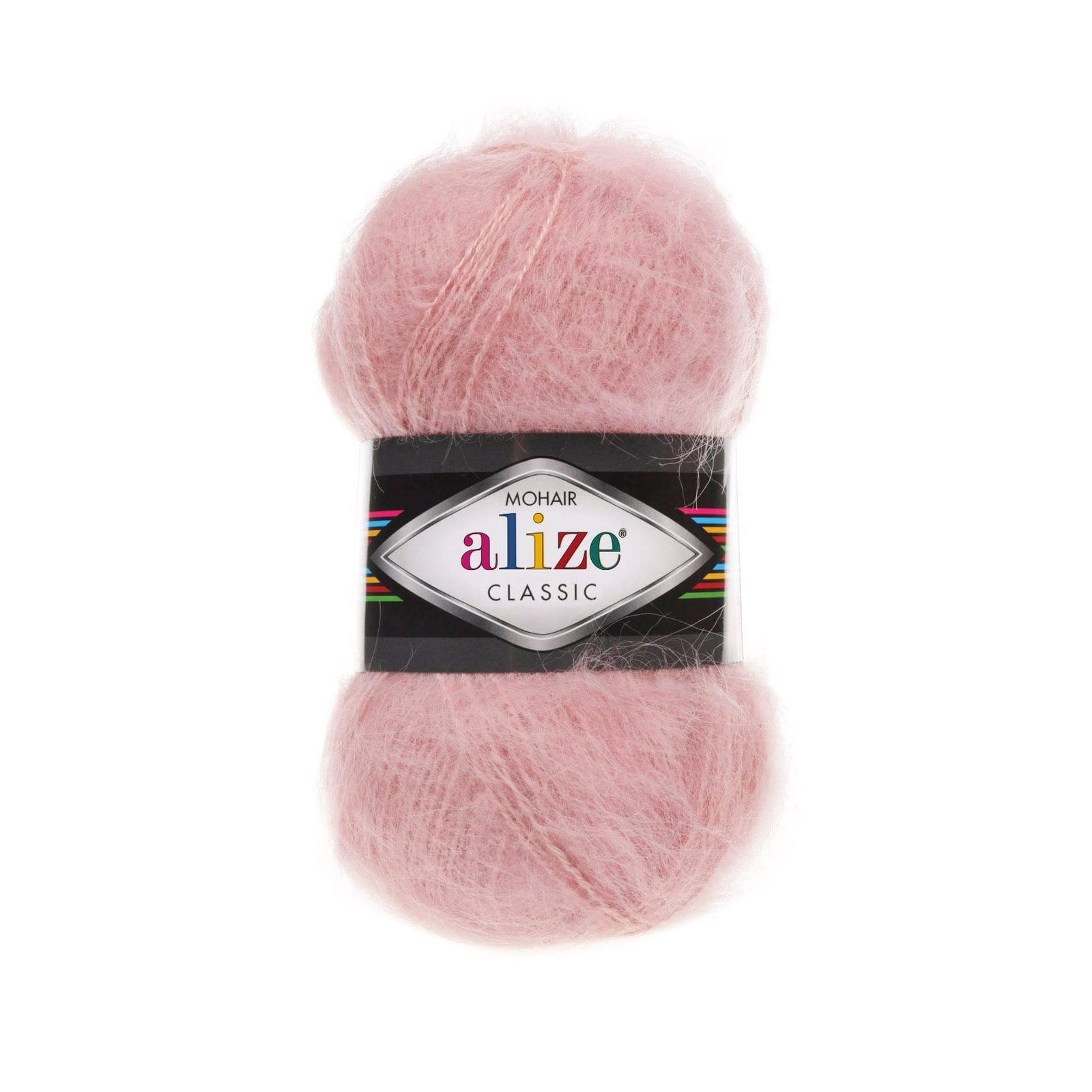
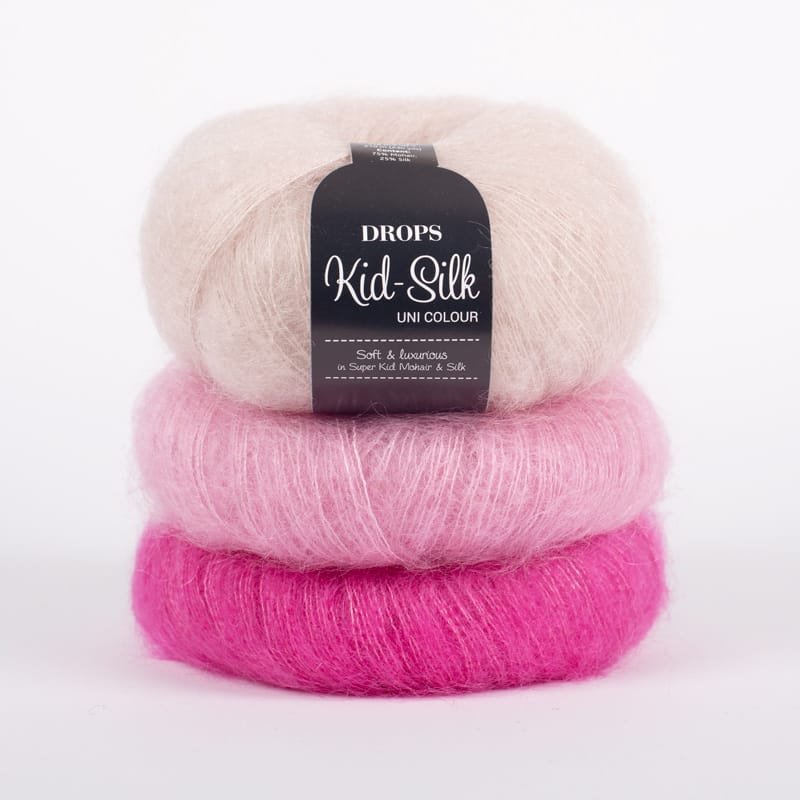
DROPS KID-SILK (mohair, silk)
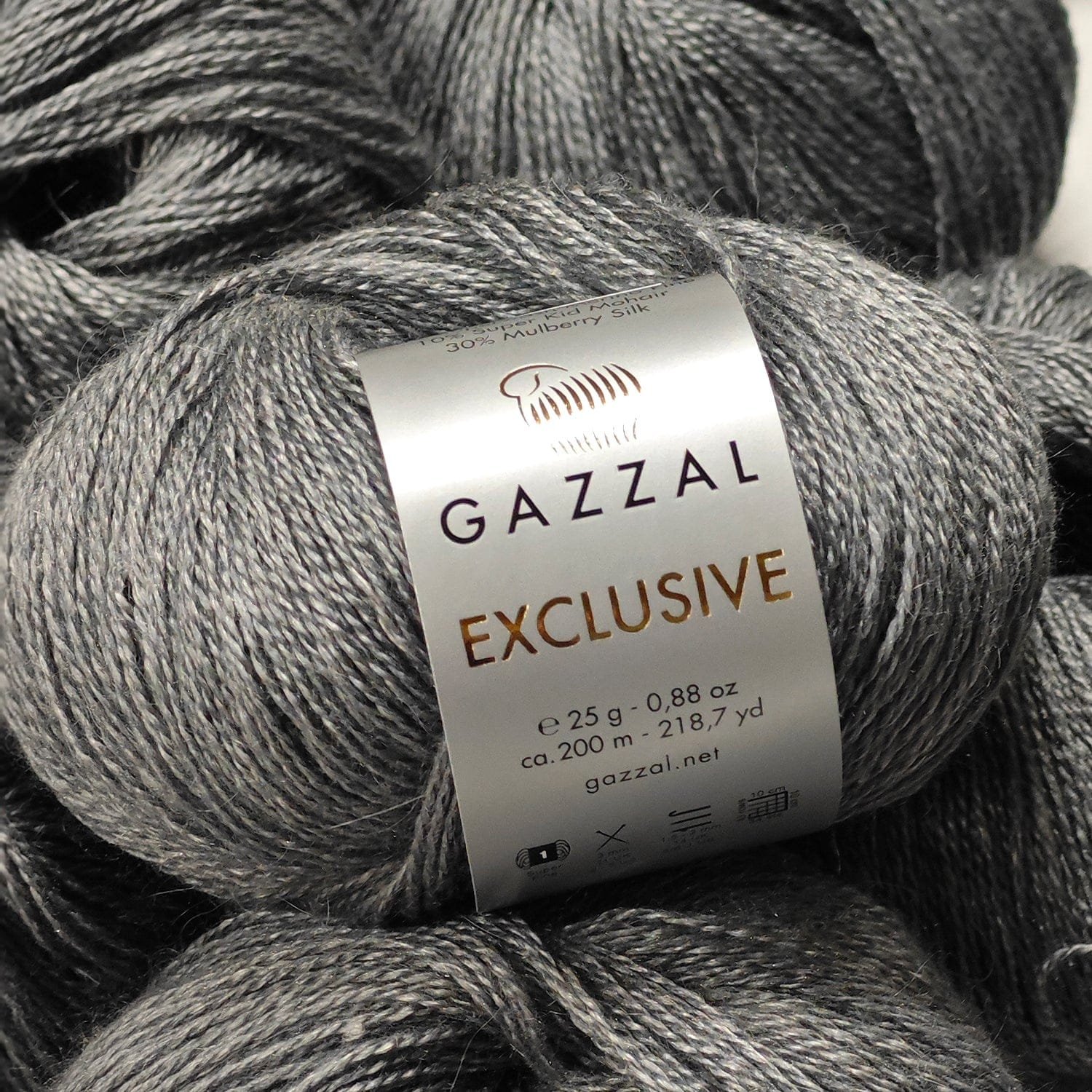
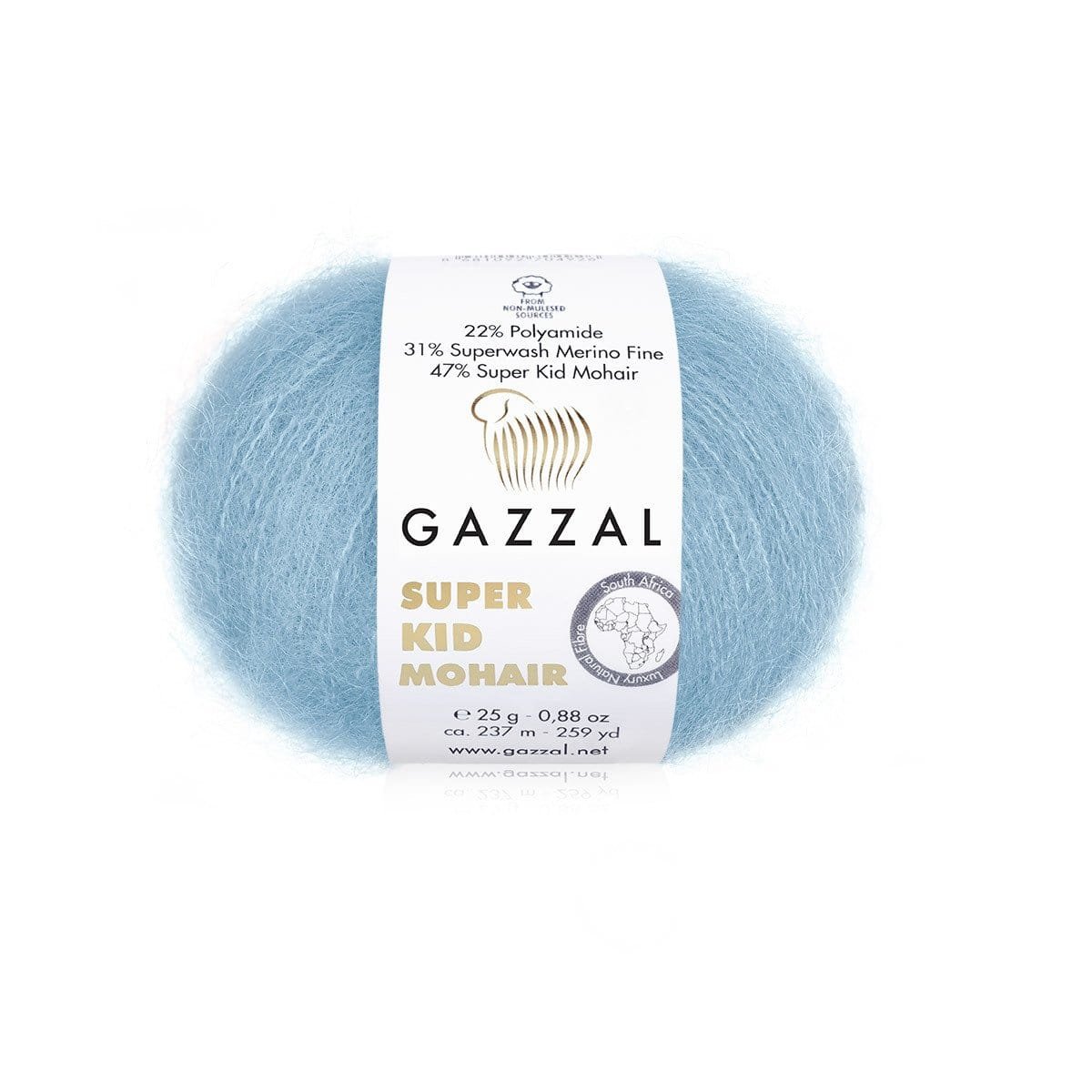
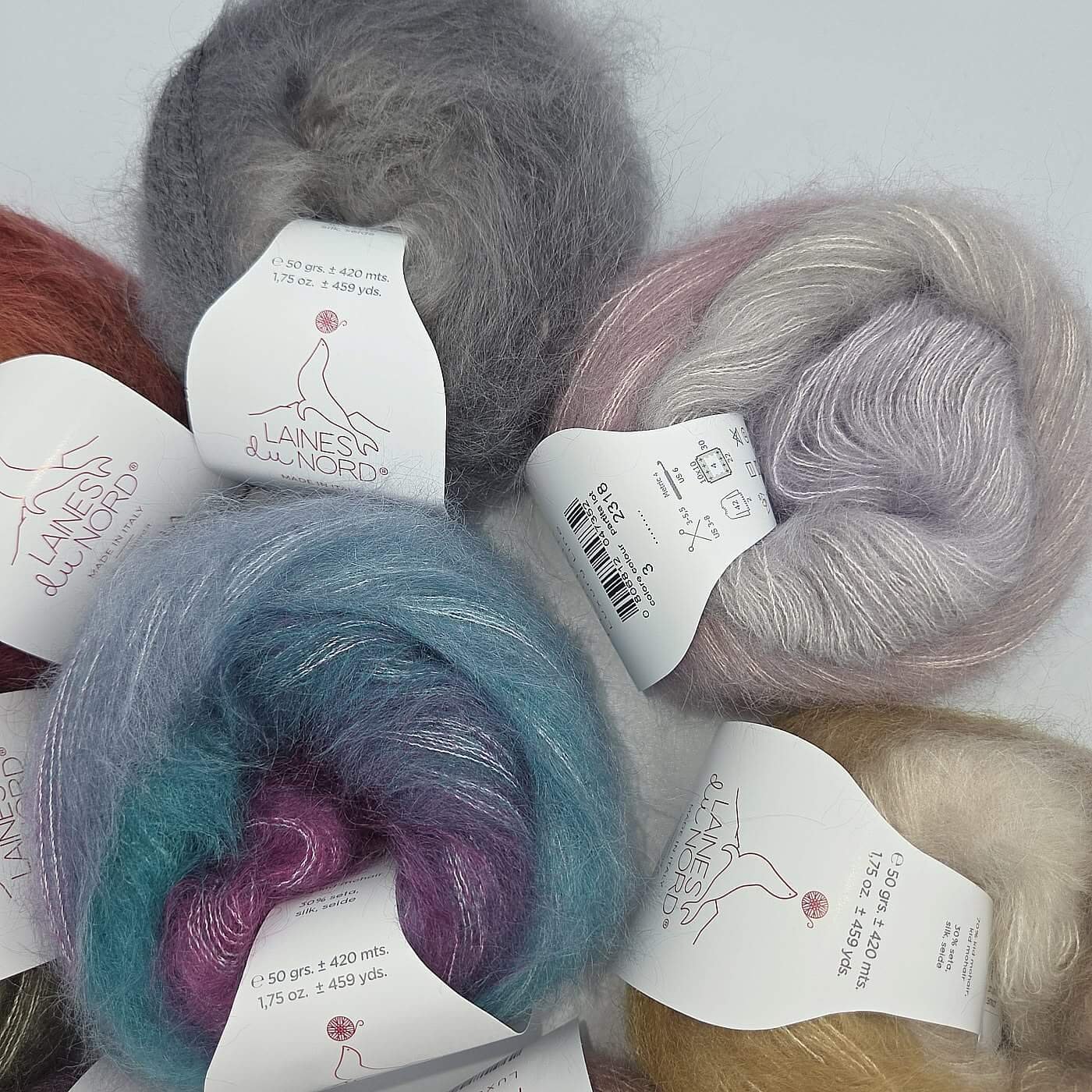
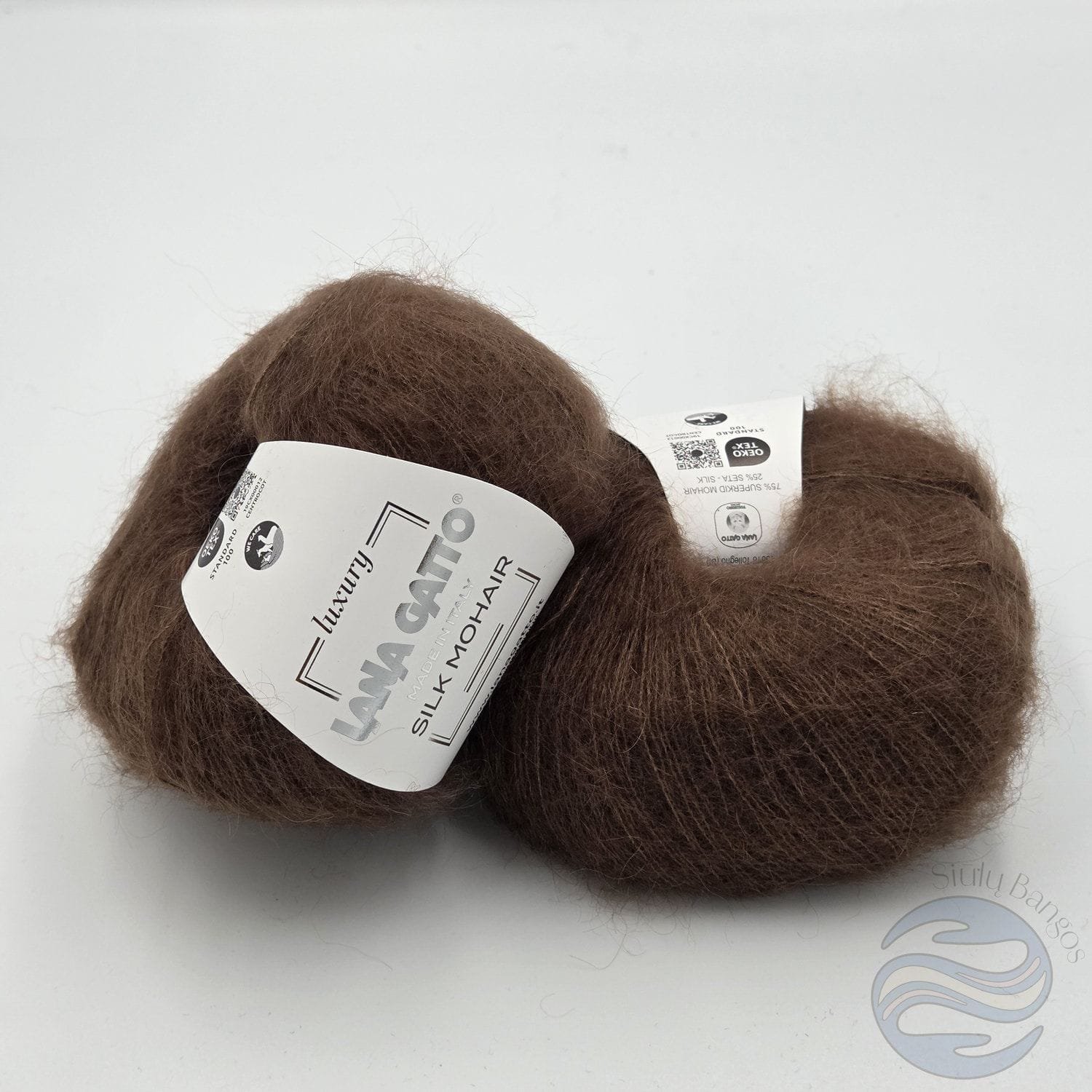
Lana Gatto SILK MOHAIR (mohair, silk)
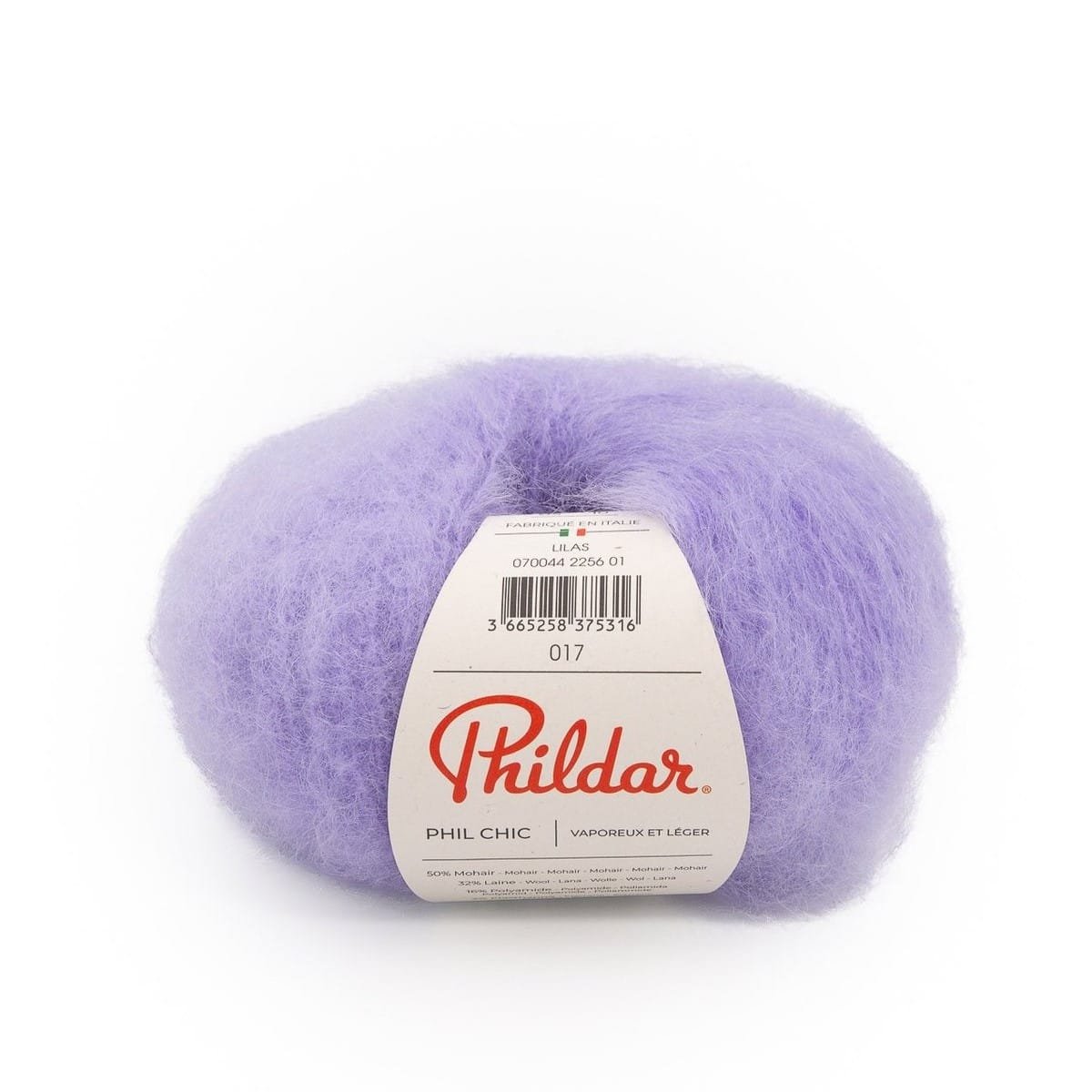
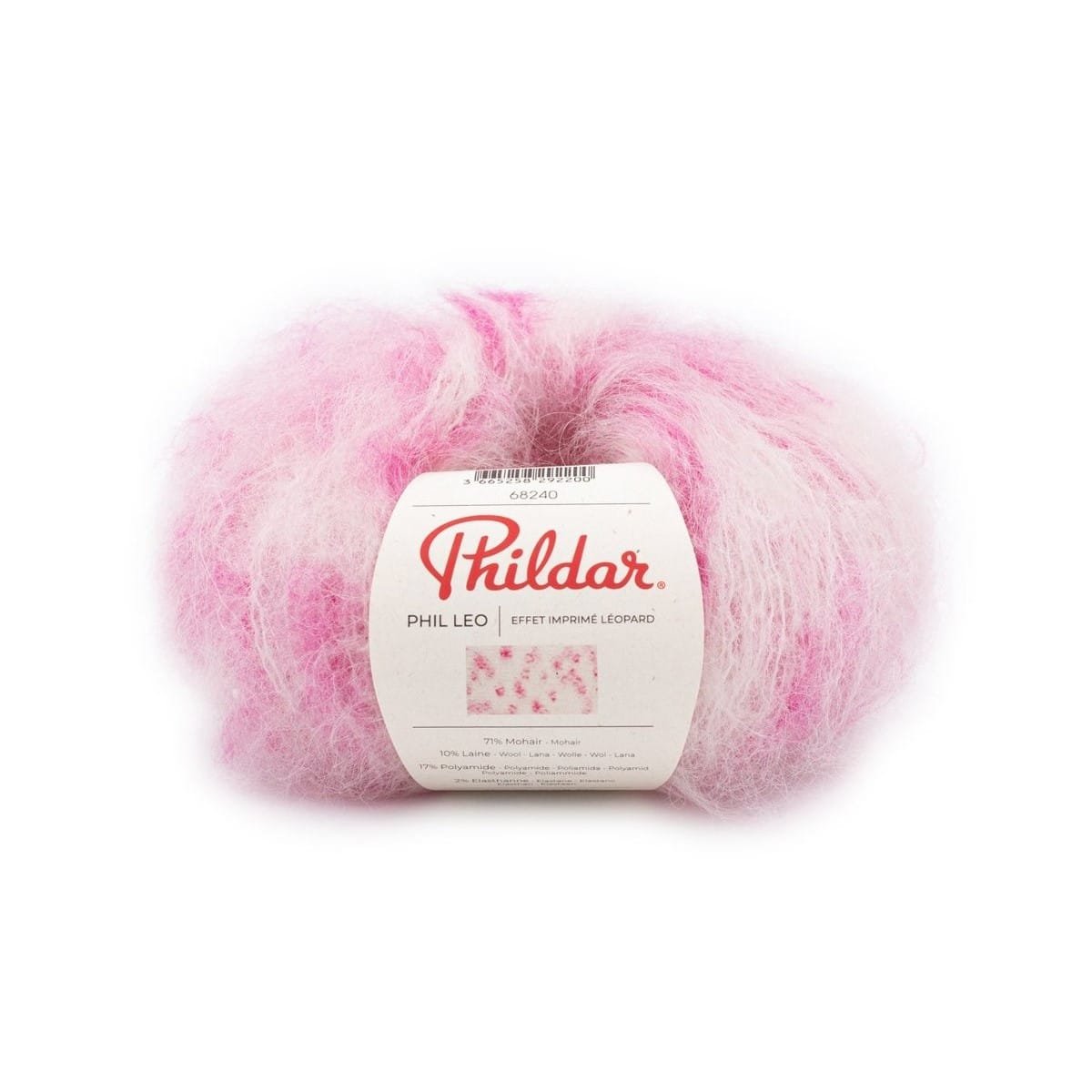
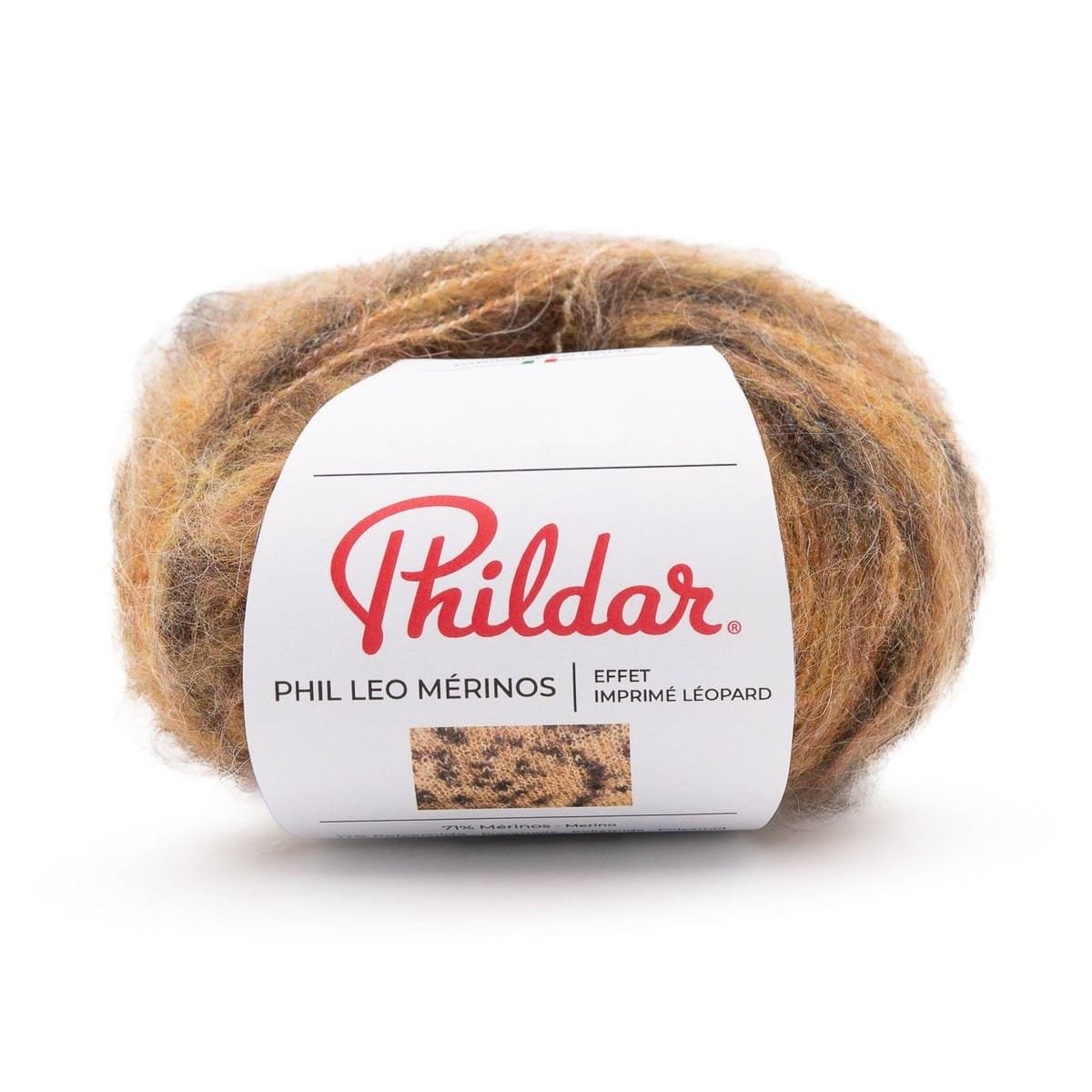


Mohair yarn: light halo, lustre and choosing for a project
Mohair is a natural animal fibre obtained from Angora goats. It should not be confused with angora fibre from Angora rabbits. Mohair is valued for lustre, strength and the ability to give fabric a light, fluffy surface. The feel of an individual yarn depends on fibre fineness, the proportion of mohair, twist and the other fibres in the blend.
Mohair yarn is commonly sold as a blend with silk, wool, polyamide or other materials. A blend can give a fine mohair strand more stability, elasticity and strength. Look beyond the word mohair and compare the full composition, yarn length and intended knitting method.
What is kid mohair?
Kid mohair generally means fibre from young Angora goats. It is usually finer, although the name alone does not guarantee the same softness in every yarn. Fibre selection, percentage, spinning and the blend all influence the feel. If a garment will touch the neck or another sensitive area, handle the yarn and test it in a swatch before a larger project.
If the product label specifies the Responsible Mohair Standard or another certification, assess that information for the exact product. Certification claims cannot be assigned to all mohair simply because the fibre name is the same.
Mohair with silk, wool or synthetic fibres
- Mohair with silk is often very fine, light and subtly lustrous. It can be knitted alone or held with another strand. Compare other silk yarns.
- Mohair with wool or merino can add warmth, elasticity and volume. Find alternatives among merino wool yarns.
- Mohair with polyamide can have a stronger supporting strand, but the exact percentages and construction determine feel and care.
- A small mohair percentage may add a halo, but the result will differ from yarn with a higher mohair content.
Which projects suit mohair yarn?
Mohair is often chosen for lightweight sweaters, cardigans, vests, shawls, scarves and fluffy accessories. A fine strand creates airy fabric, so even a larger garment can look light. The halo softens stitch outlines: stocking stitch can appear expressive, while complex cables and small textures may be less visible.
Mohair also suits lace because the halo joins pattern lines into a cohesive surface. If you need a clearly defined crochet pattern, choose a less fluffy blend or make a trial sample. Mohair can be crocheted, but mistakes may be harder to undo than with smooth yarn.
Working with one or several strands
Fine mohair can be used as one strand, doubled or held together with another yarn. One strand creates light, translucent fabric; two matching strands add thickness and colour intensity. Holding it with wool, cotton or another base yarn changes the surface, drape, warmth and total yarn requirement.
Make a sufficiently large swatch and wash it before starting. The halo can bloom after washing, and the gauge of several strands does not always equal a simple sum of their thicknesses. Choose knitting needles or crochet hooks for the fabric you want, not only the label recommendation.
Caring for mohair garments
Follow the exact manufacturer label. Unless stated otherwise, use cool water, gentle washing and a wool detergent. Do not rub or wring because the halo can felt. Remove excess water carefully, shape the item and dry it flat. Frequent washing and strong friction can change the surface.
For a different fluffy, warm fibre, compare alpaca yarn. Browse all knitting and crochet yarns. The best choice depends on the project, desired halo, individual feel, gauge and care requirements.