Luxury yarn












Bertagna Filati by Arvier PRESTIGE (super baby alpaca, superfine merino, silk)

Cardiff CAMMELLO Classic (100% camel wool)

Cardiff Cashmere CLASSIC (100% cashmere)
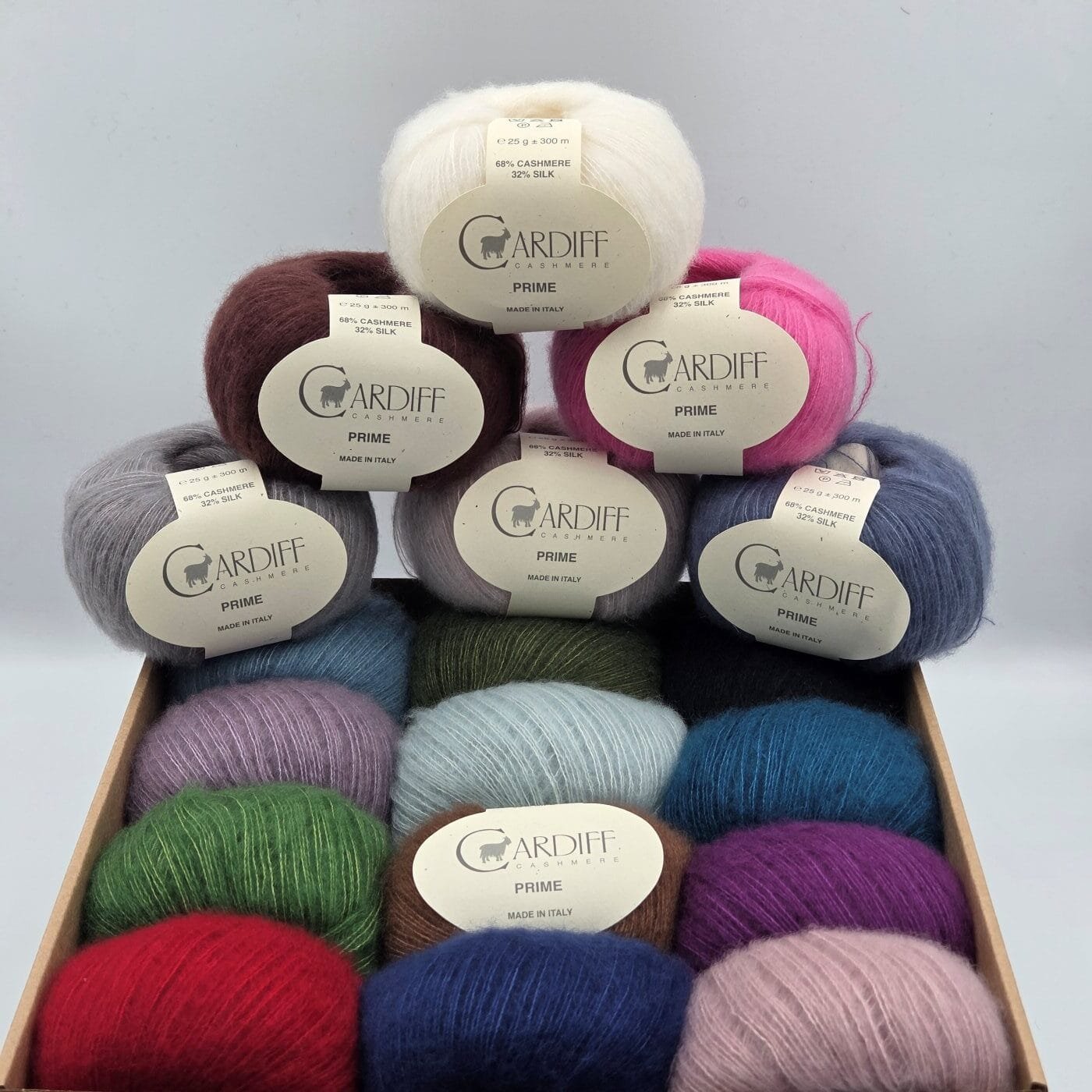
Cardiff Cashmere PRIME cashmere and silk yarn

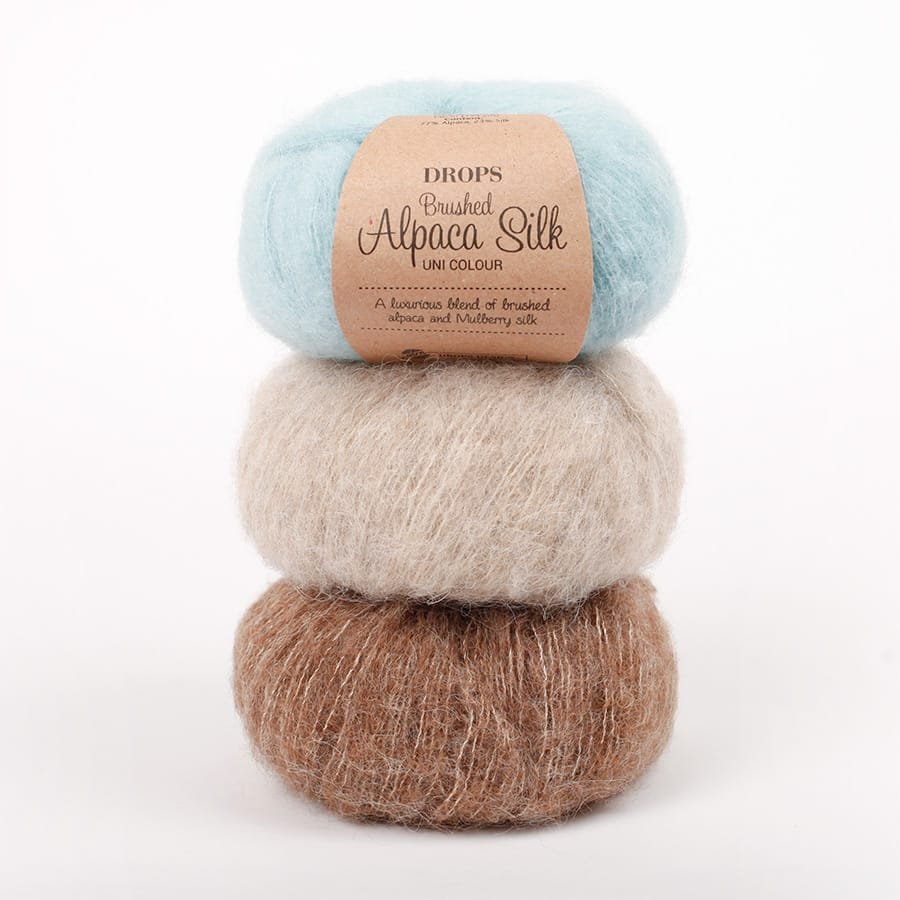
DROPS BRUSHED ALPACA SILK (alpaca, silk)
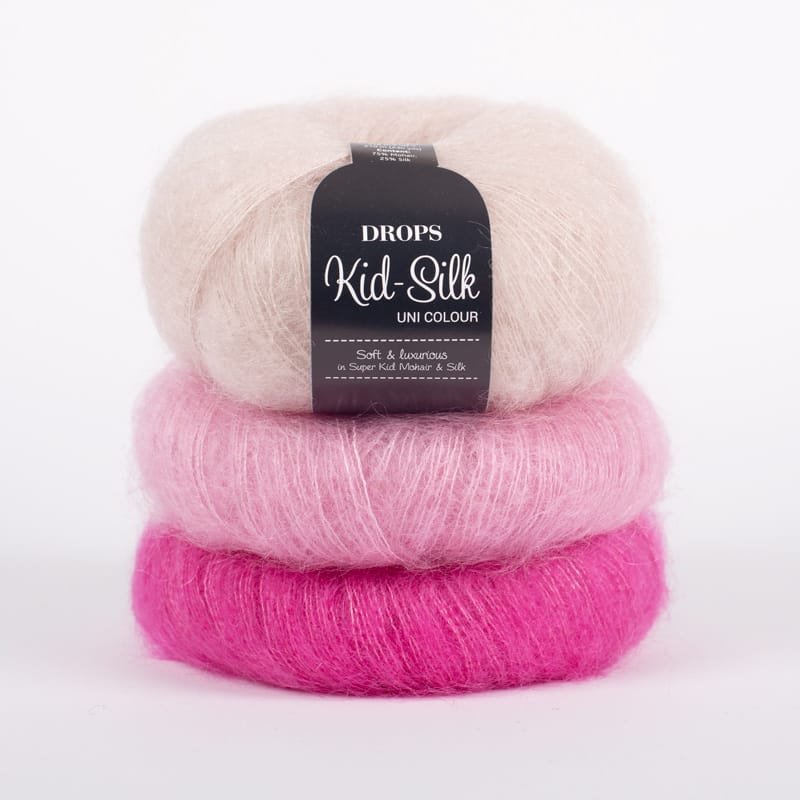
DROPS KID-SILK (mohair, silk)

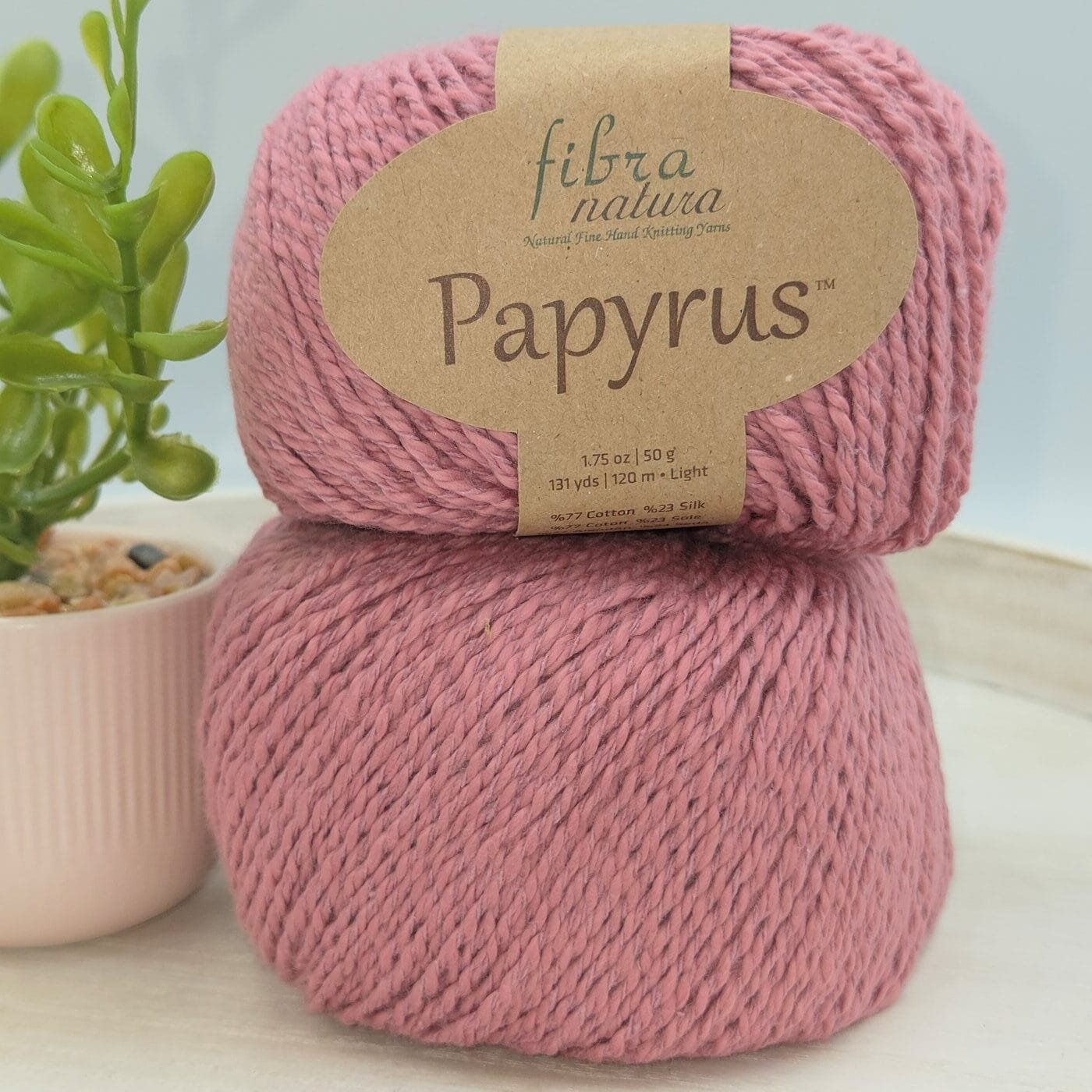
Fibra Natura PAPYRUS (cotton, silk)


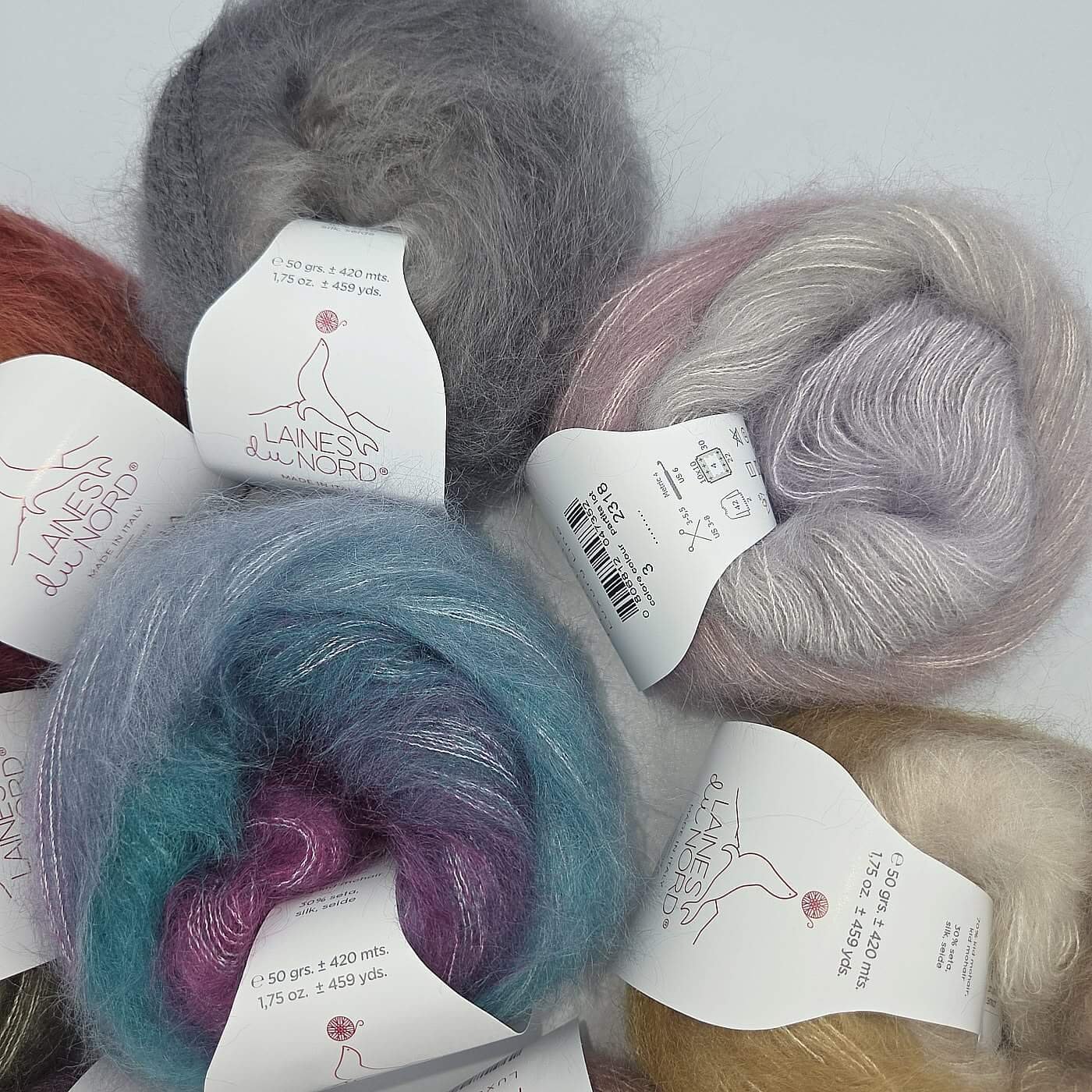
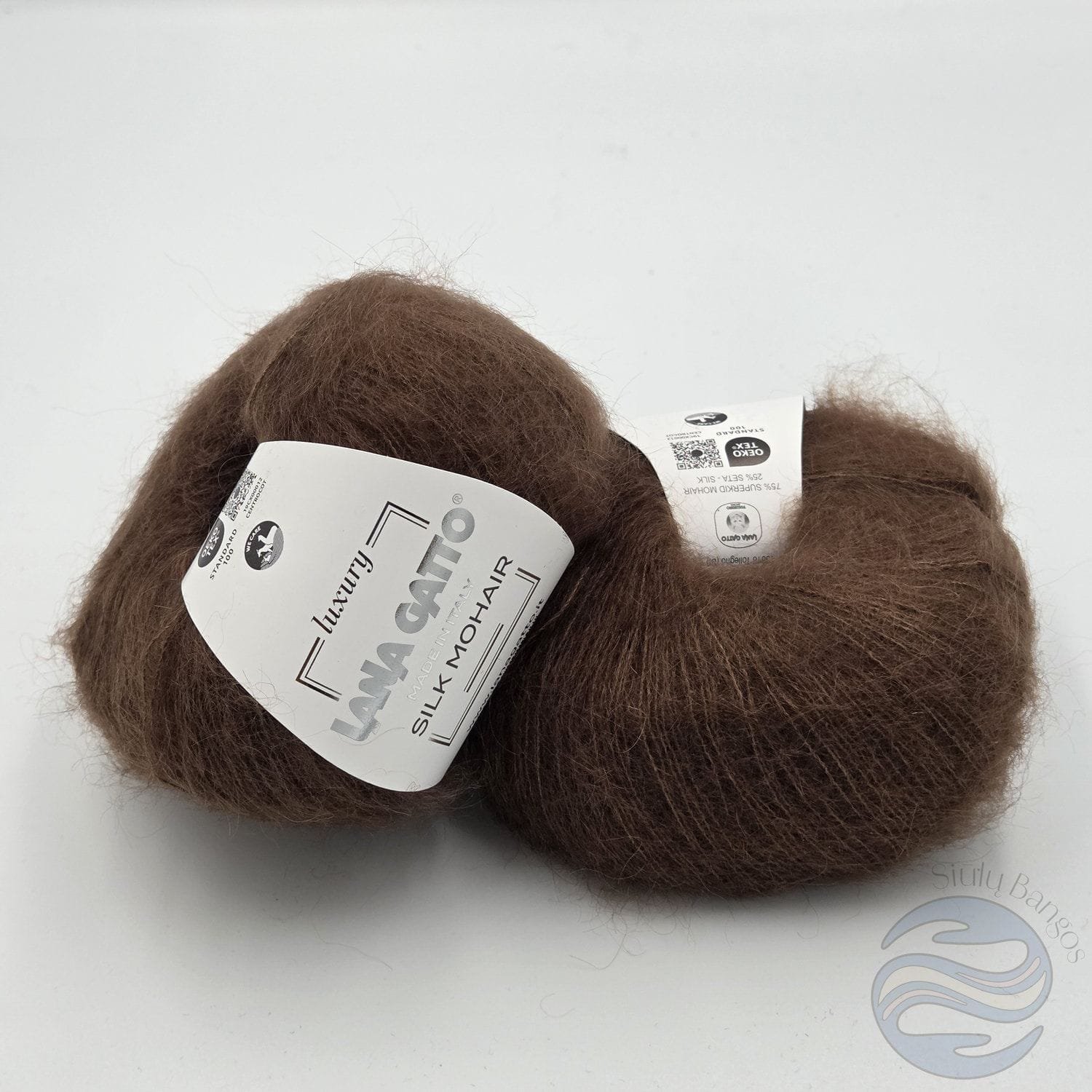
Lana Gatto SILK MOHAIR (mohair, silk)
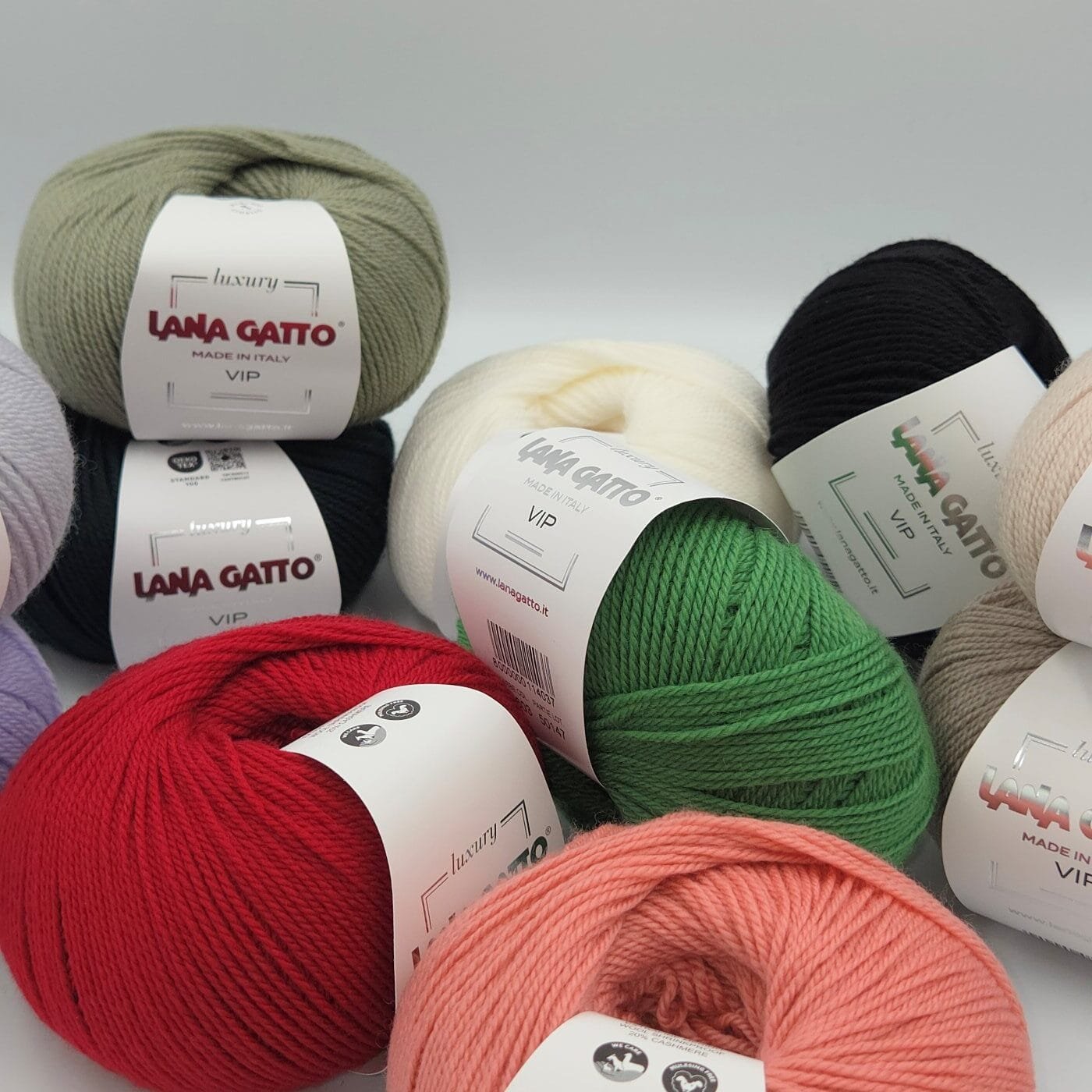
Lana Gatto VIP (merino wool, cashmere)
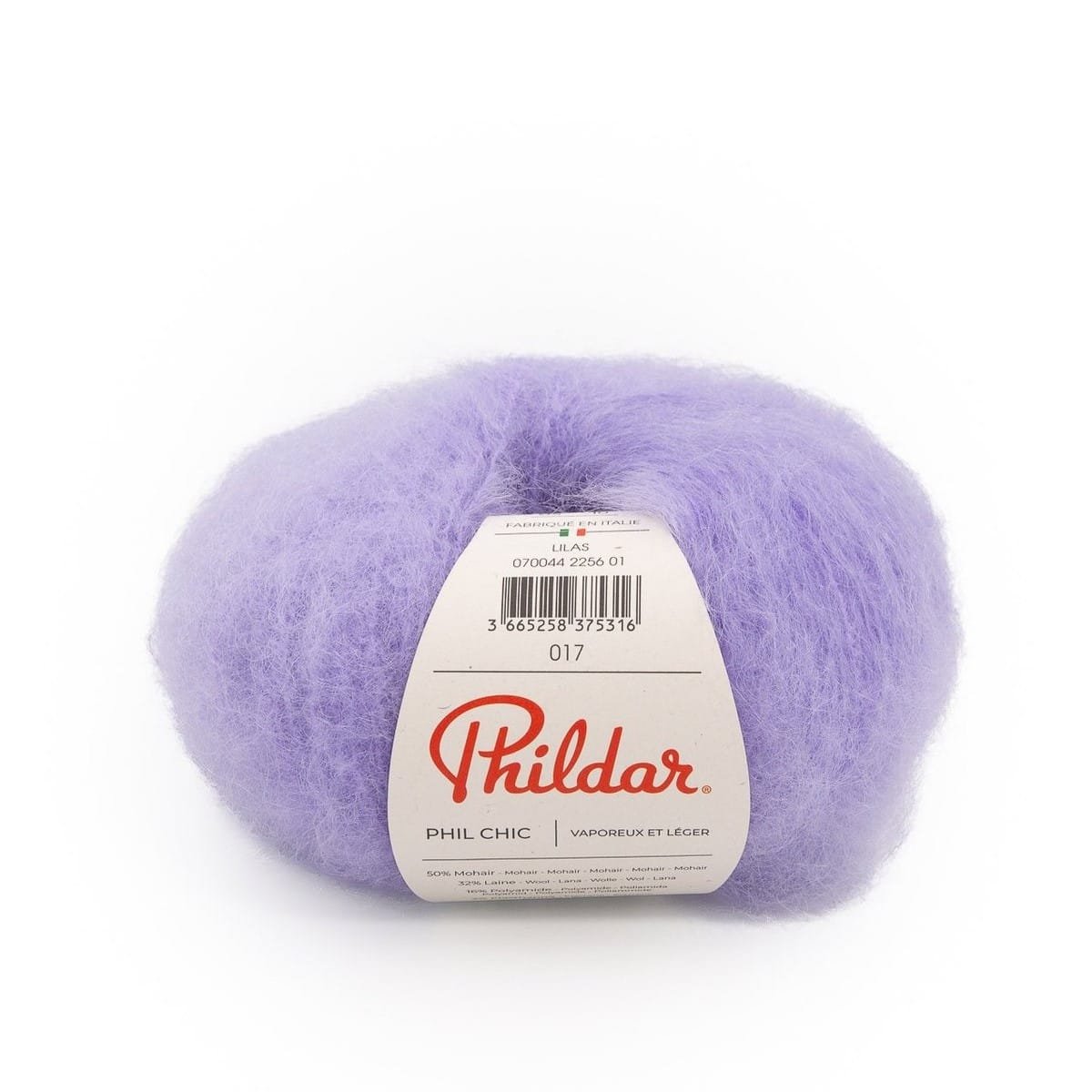
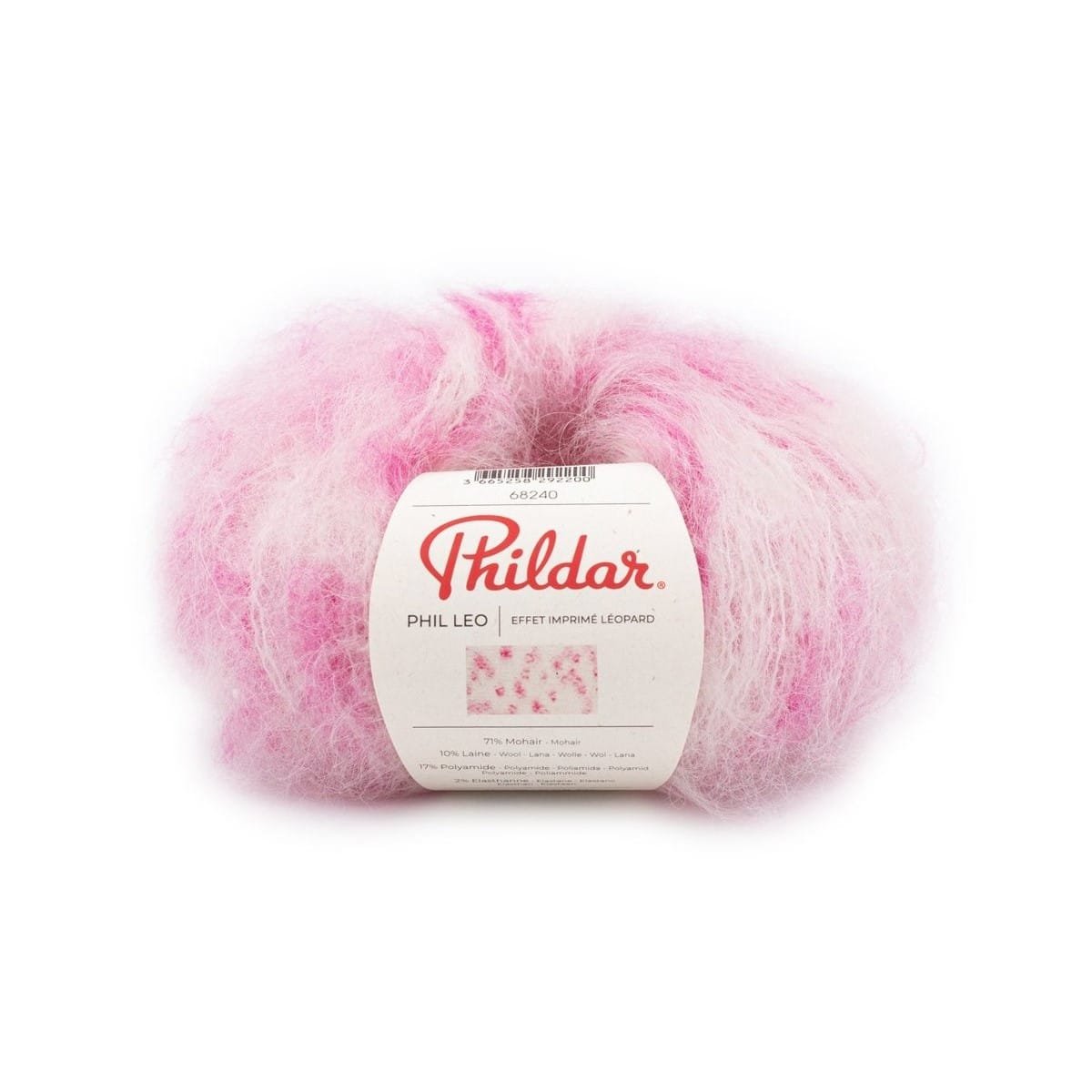
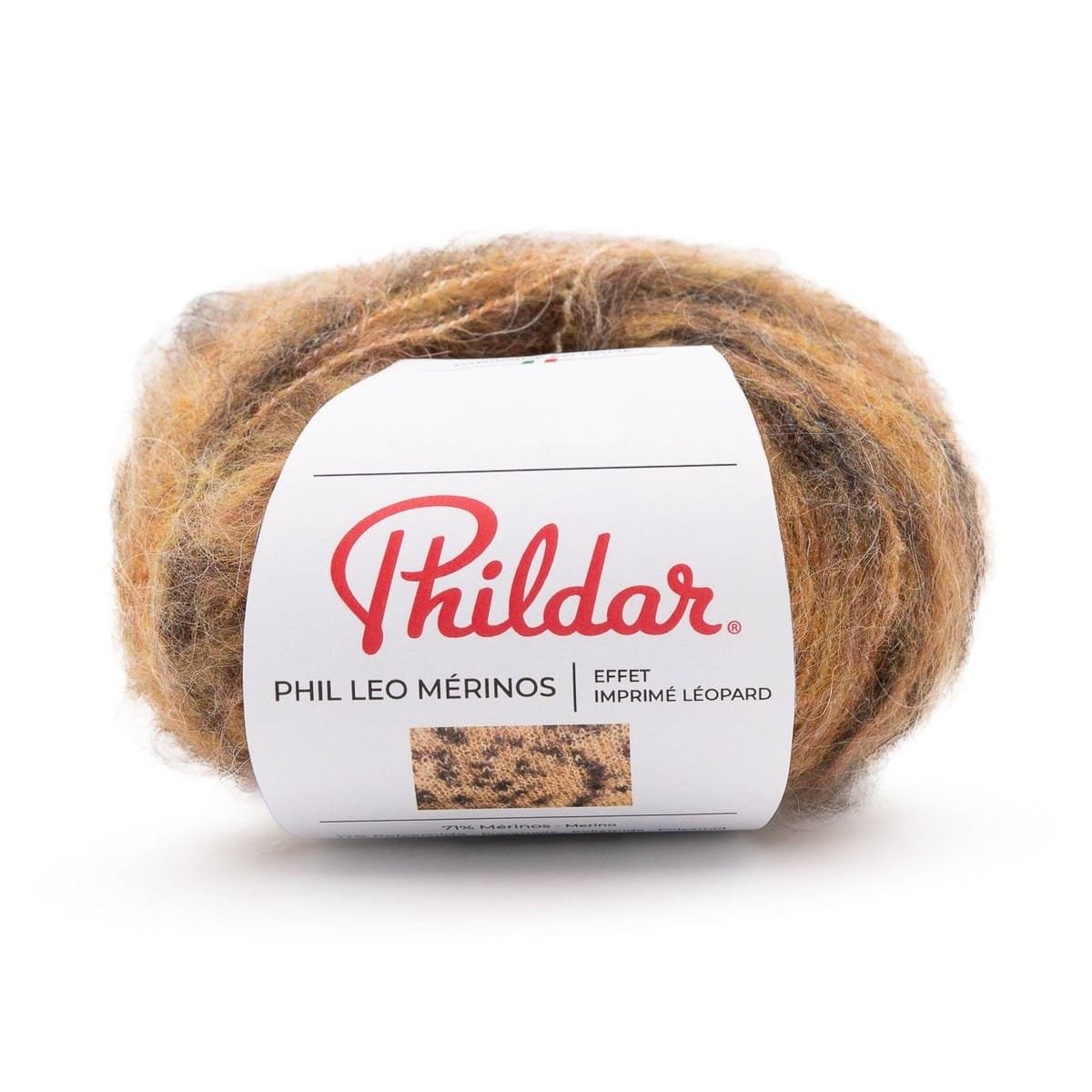

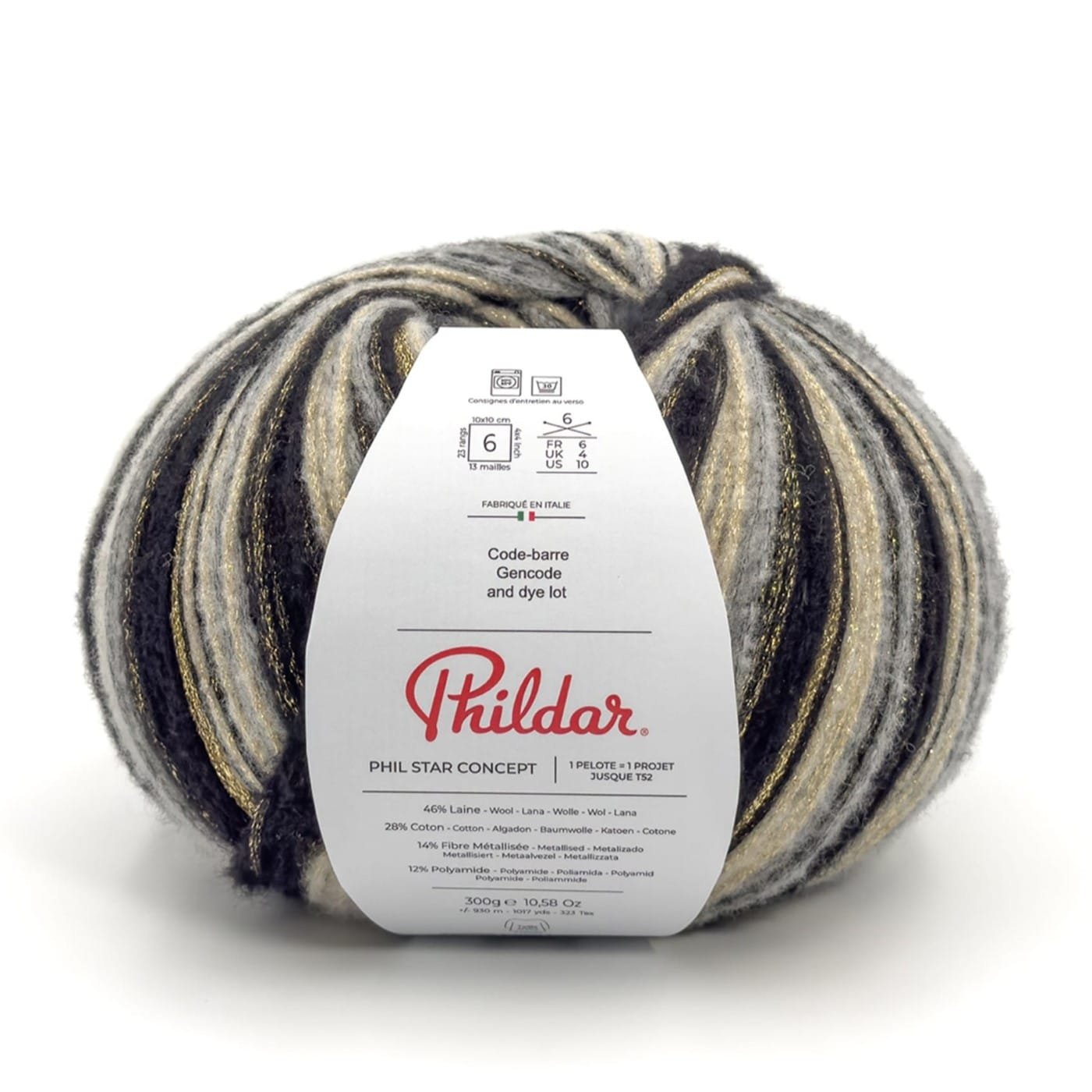
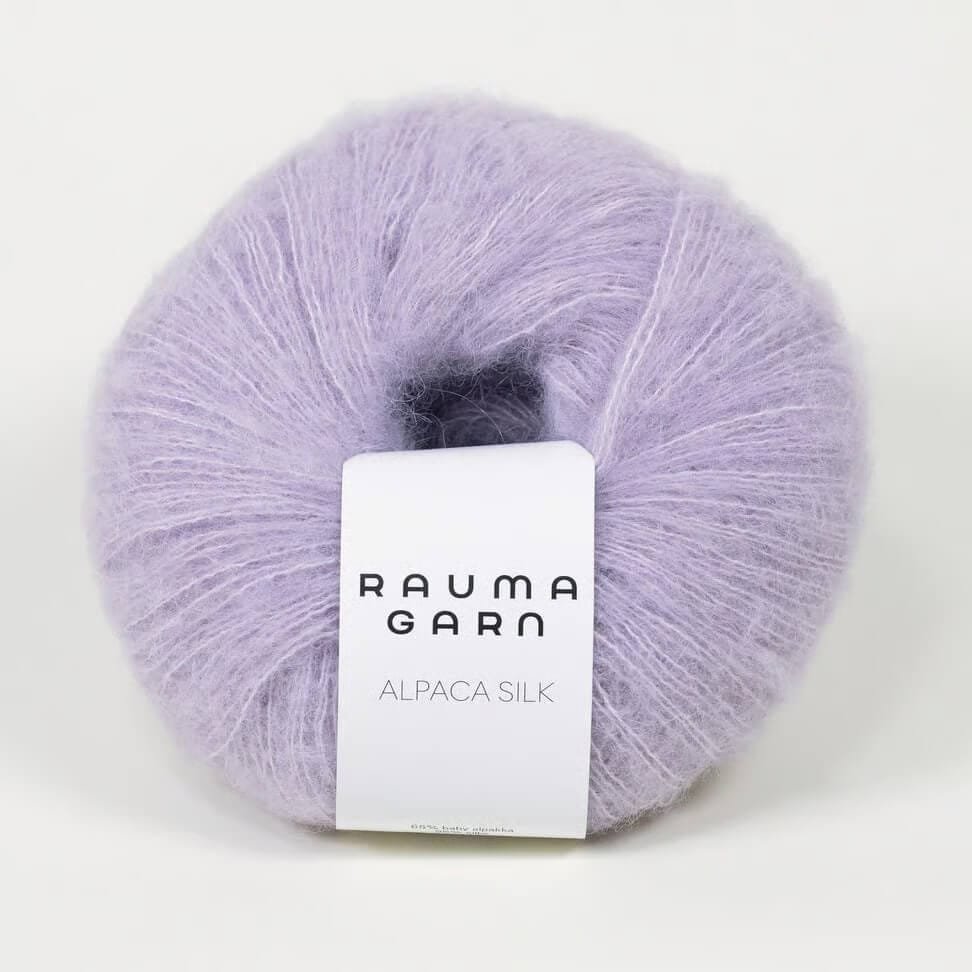
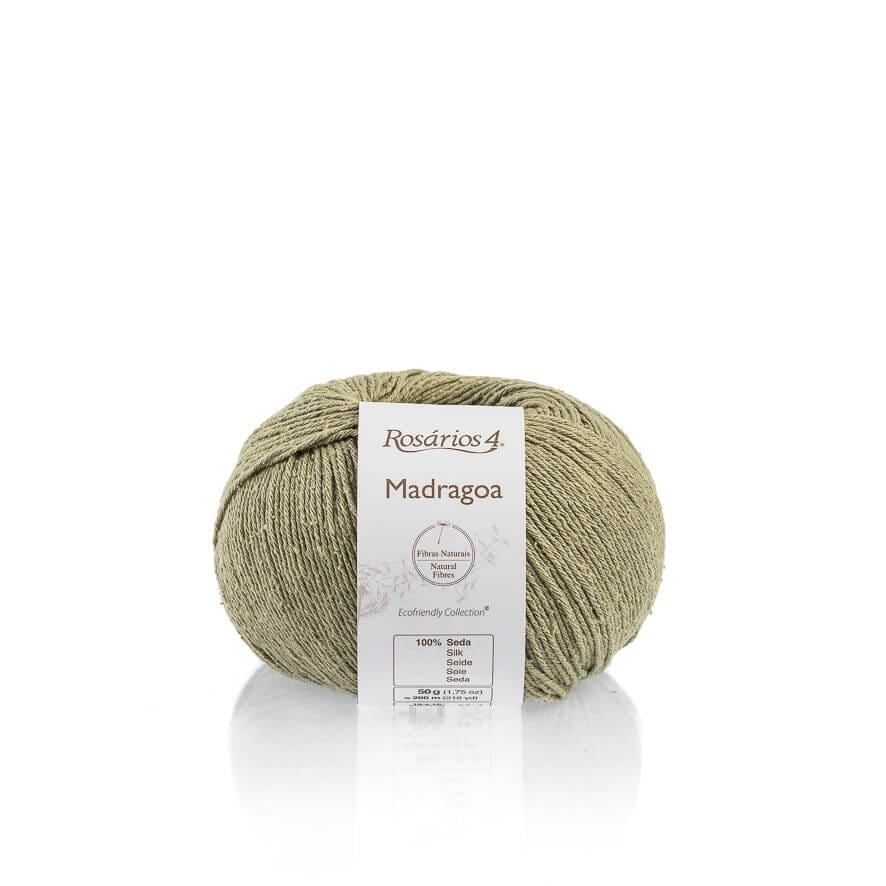
Luxury yarns for knitting: cashmere, silk and valuable blends
Luxury yarn is not an officially standardized type of fiber. This name most often describes yarns made from cashmere, silk, camel or alpaca wool, high-quality merino, kid mohair and carefully selected blends of them. The value is not determined by the name of the fiber alone: its proportions, fineness, length, selection, twist, production method and final finish are important. Therefore, before choosing, it is worth evaluating the exact label, and not just the word "luxury".
Cashmere yarn
Cashmere is obtained from the undercoat of cashmere goats and is valued for its very fine fibre and light, warm knit. The range includes both 100% cashmere, such as Cardiff Cashmere CLASSIC and Cardiff CASHMERE Small, and blends with silk or wool, such as Cardiff Cashmere PRIME, Lana Gatto VIP and Bertagna Filati ECOCASHMERE. Pure cashmere and its blends vary in length, surface, drape and care. For more information, see cashmere wool yarn category.
Silk and its blends
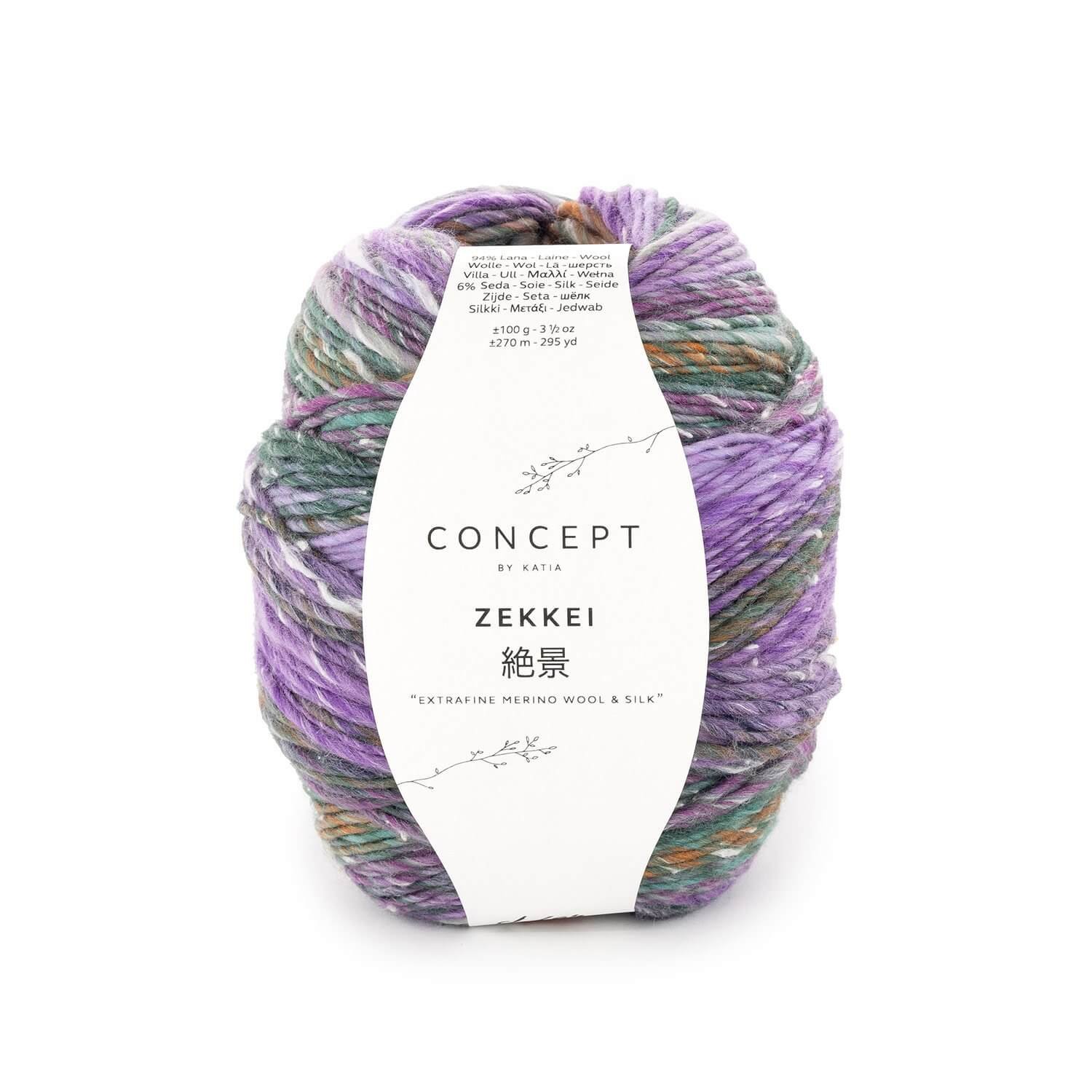
Silk can add strength, smoothness, a subtle sheen and drape to a yarn, but the final result depends on the construction. Laines du Nord LUXURY SILK and Rosarios4 MADRAGOA are examples of 100% silk, while DROPS KID-SILK, Lana Gatto SILK MOHAIR, Rauma Garn ALPACA SILK and Concept by Katia ZEKKEI combine silk with mohair, alpaca or merino wool. The fine mohair and silk yarn can be knitted in one or more strands, or added to another yarn. Compare silk and mohair yarn.
Alpaca, camel and merino wool
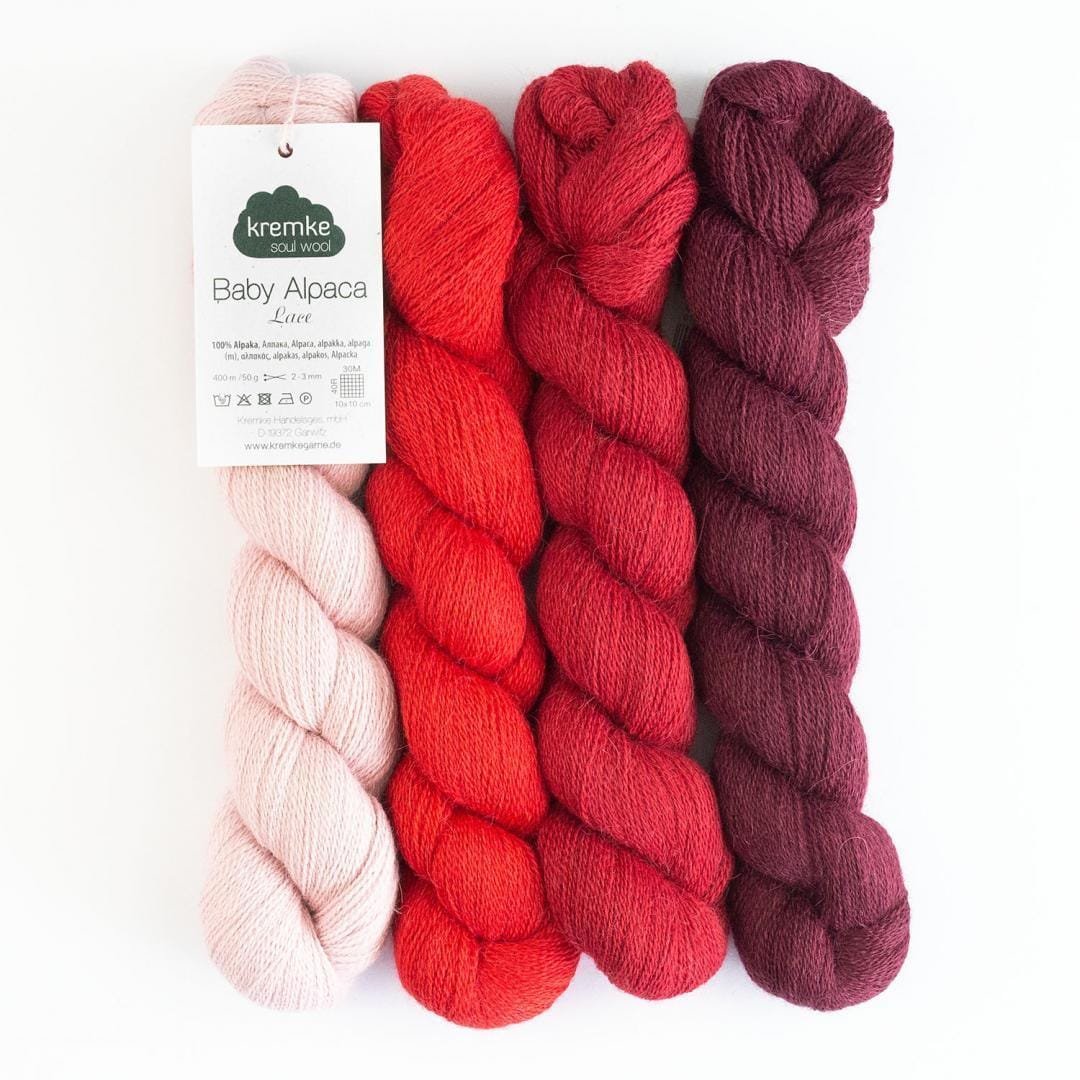
Alpaca wool can provide warmth and a light drape, camel wool has a distinctive warm surface, and fine merino wool is often chosen for a more elastic knit. Cardiff CAMMELLO Classic, Kremke BABY ALPACA LACE, Bertagna Filati PRESTIGE and Laines du Nord POEMA show that there are very different thicknesses and compositions in the luxury category. The origin of the fiber does not in itself guarantee the same softness for every person, so for a more sensitive touch it is worth evaluating a sample. Compare alpaca, camel and merino wool yarn.
Pure fiber or blend?
A 100% single-fiber yarn gives you a clearer sense of its properties, but a blend may be more practical for a particular project. Silk can reinforce the fluffy construction of mohair, wool can add elasticity, and another fiber can change the price, weight, or care. A blend is not automatically inferior to a pure fiber - what matters is whether its construction suits the purpose of the knit. Check the label not only for the fiber list, but also for the percentages.
How to objectively compare threads?
When comparing two products, look at the composition percentages, yardage, ball weight, recommended density and care. The same fiber name can hide yarns with very different thicknesses and twists. The origin of the manufacturer or a higher price can be useful information, but in itself does not determine suitability for your project. If certifications, animal welfare or traceability claims are important, refer to the specific product documentation, not the general category description.
For which projects should you choose luxury threads?
Fine cashmere and silk yarns are suitable for lightweight sweaters, scarves, shawls and delicate details. Mohair blends can be used for loose cardigans and layering, while medium-weight merino or camel wool yarns can be used for hats, sweaters and accessories. A density sample is especially important for more expensive yarns: it helps to check the feel, pattern visibility, final dimensions and care effects.
Quantity planning and maintenance
Calculate the quantity based on the total length of the pattern, size and washed sample. If you are using multiple strands, multiply the required length by the number of strands. For a larger project, select a sufficient quantity of the same dye lot at once. Suitable knitting needles or crochet hook match the construction and density. For cashmere, silk, mohair and other delicate fibers, care only according to the specific label. You will find the full range yarn for knitting and crocheting category.