Acrylic yarn










Bertagna Filati by Arvier GRINTA (wool, alpaca and acrylic)

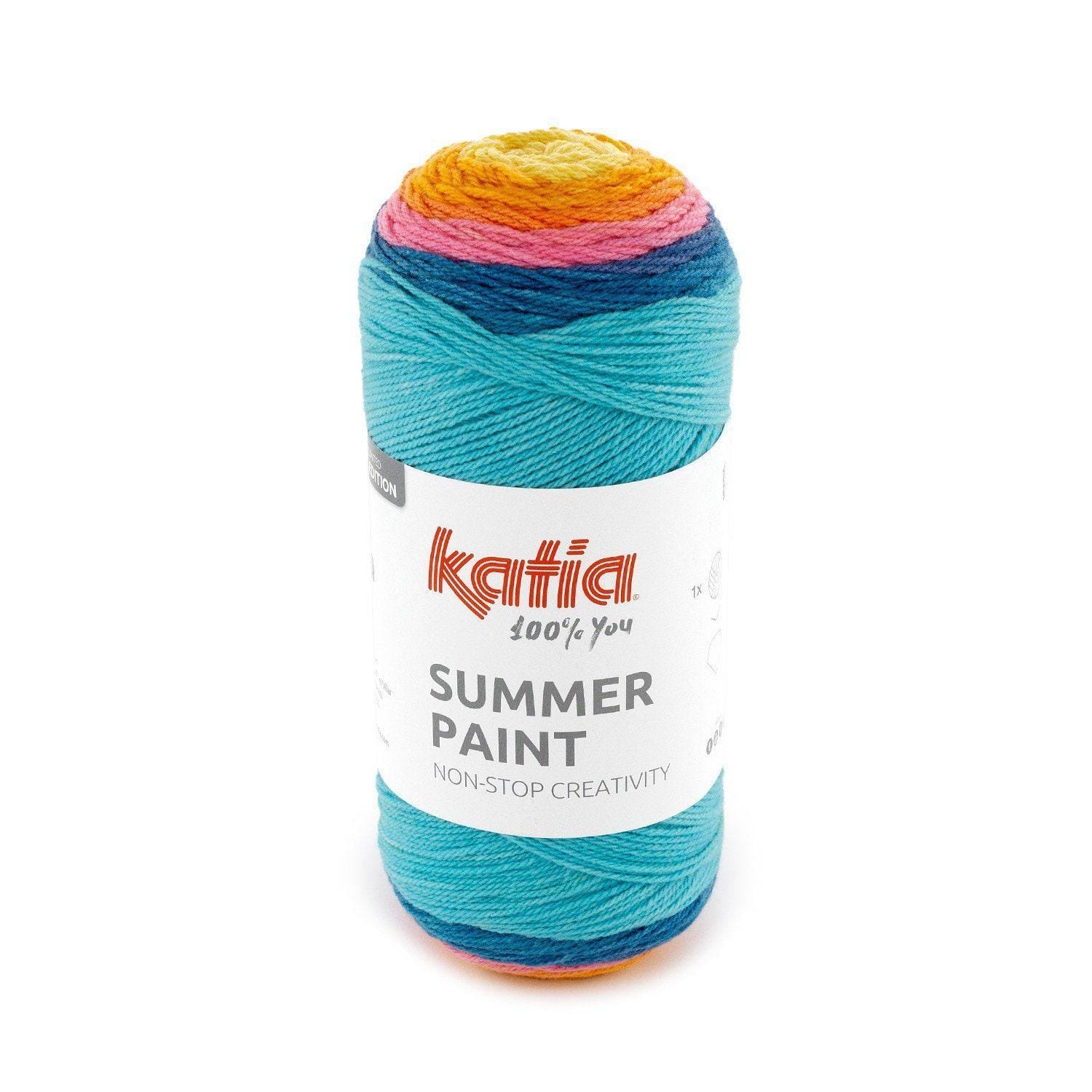
Katia SUMMER PAINT (cotton, acrylic)
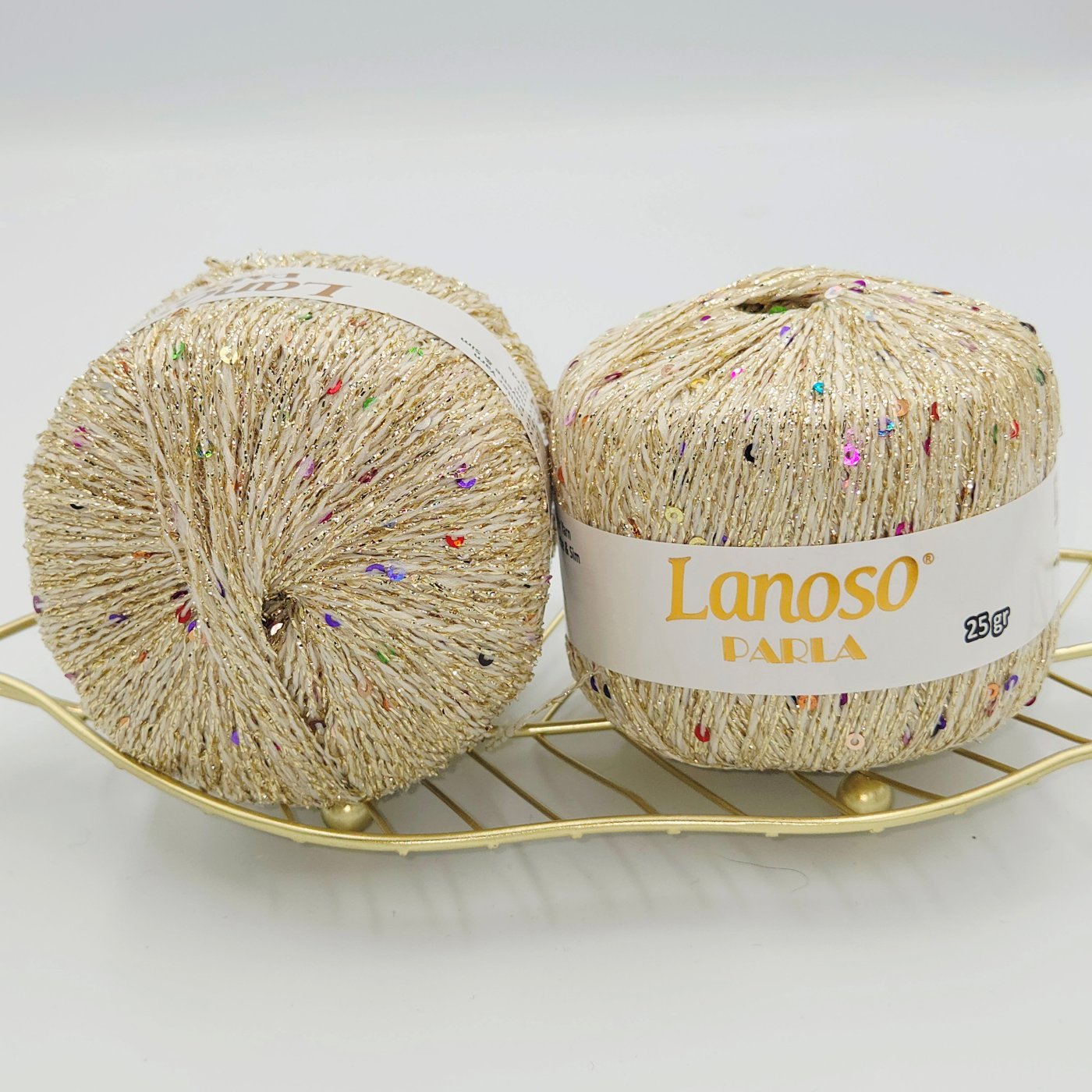
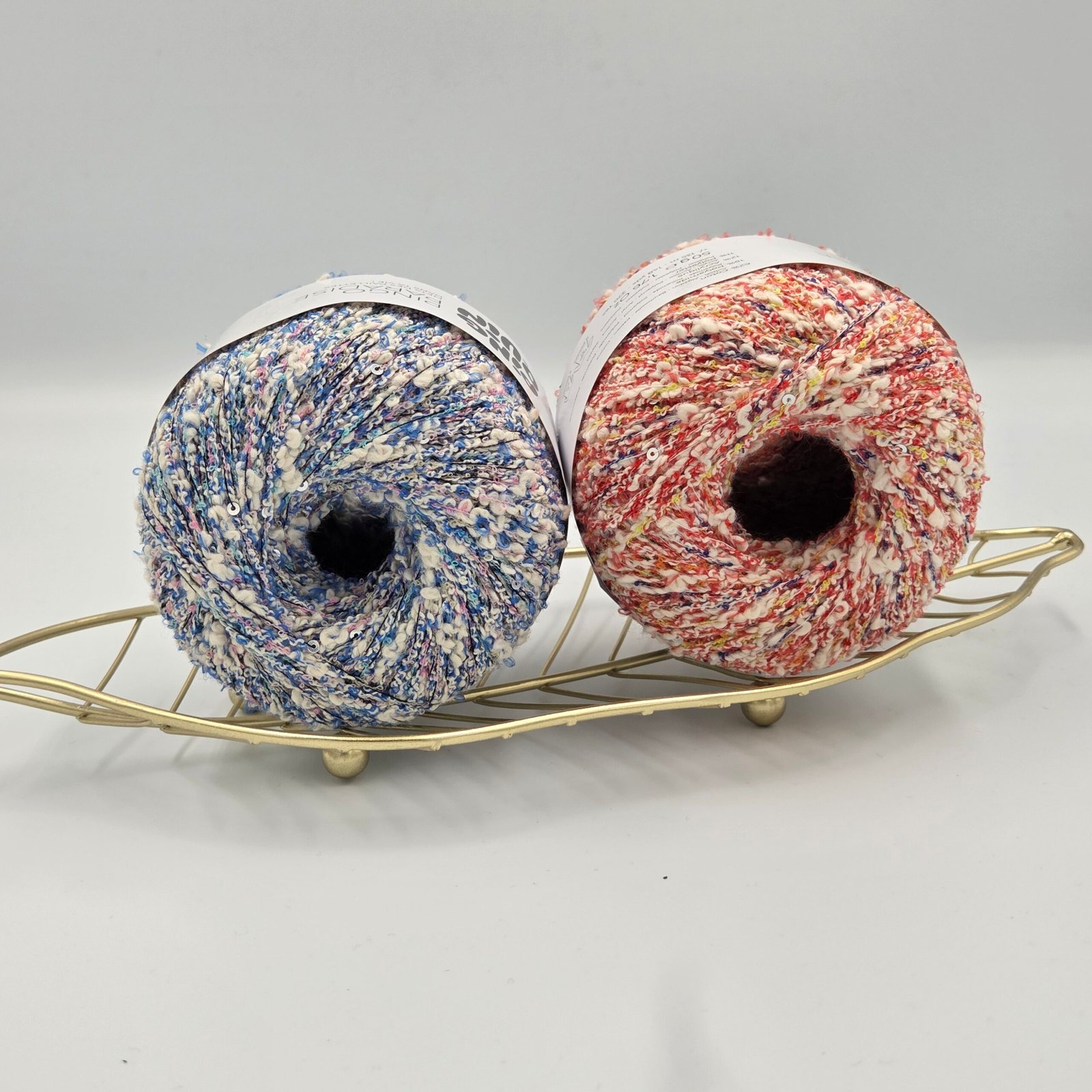
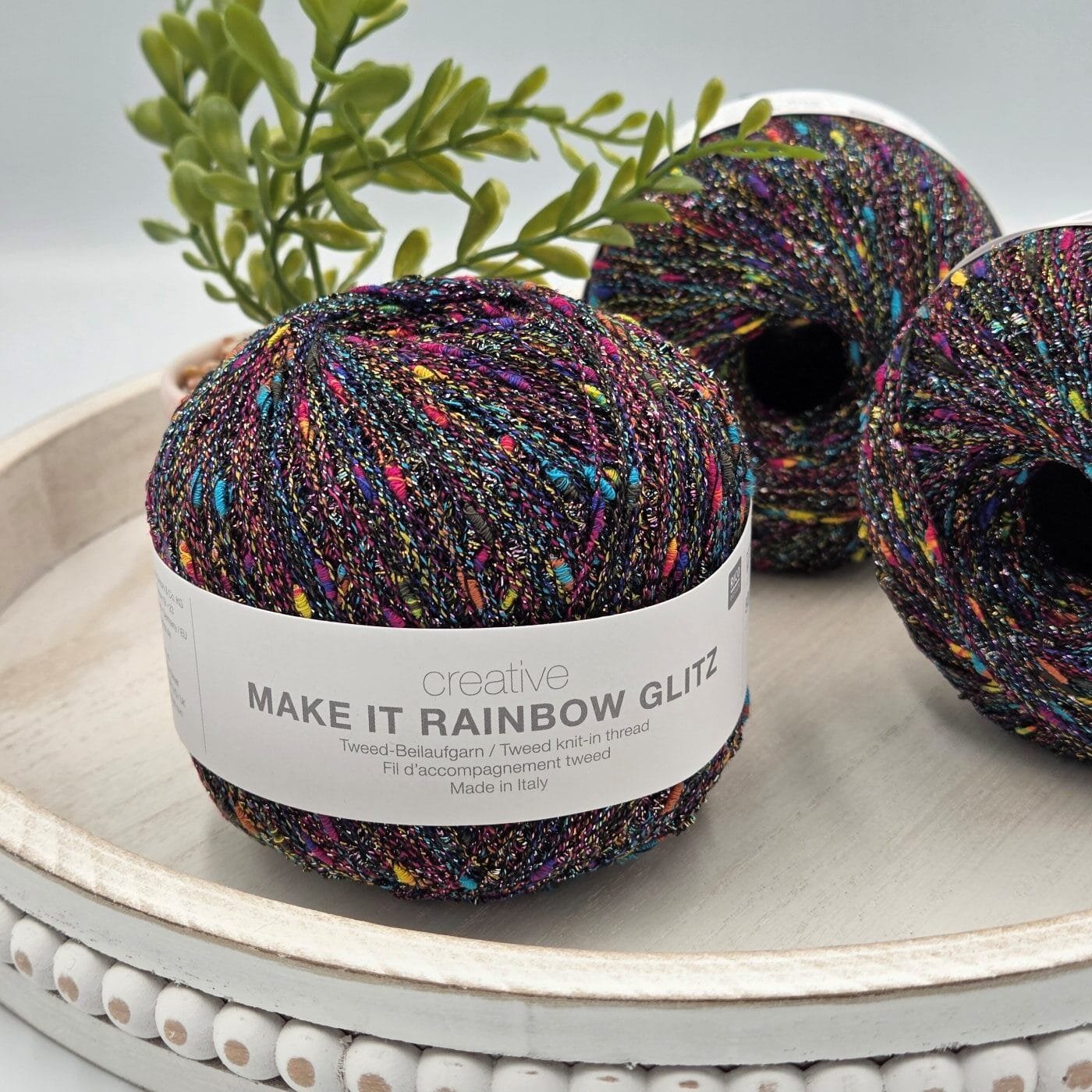
Rico Design MAKE IT RAINBOW GLITZ (sparkling rainbow tweed-effect yarn)
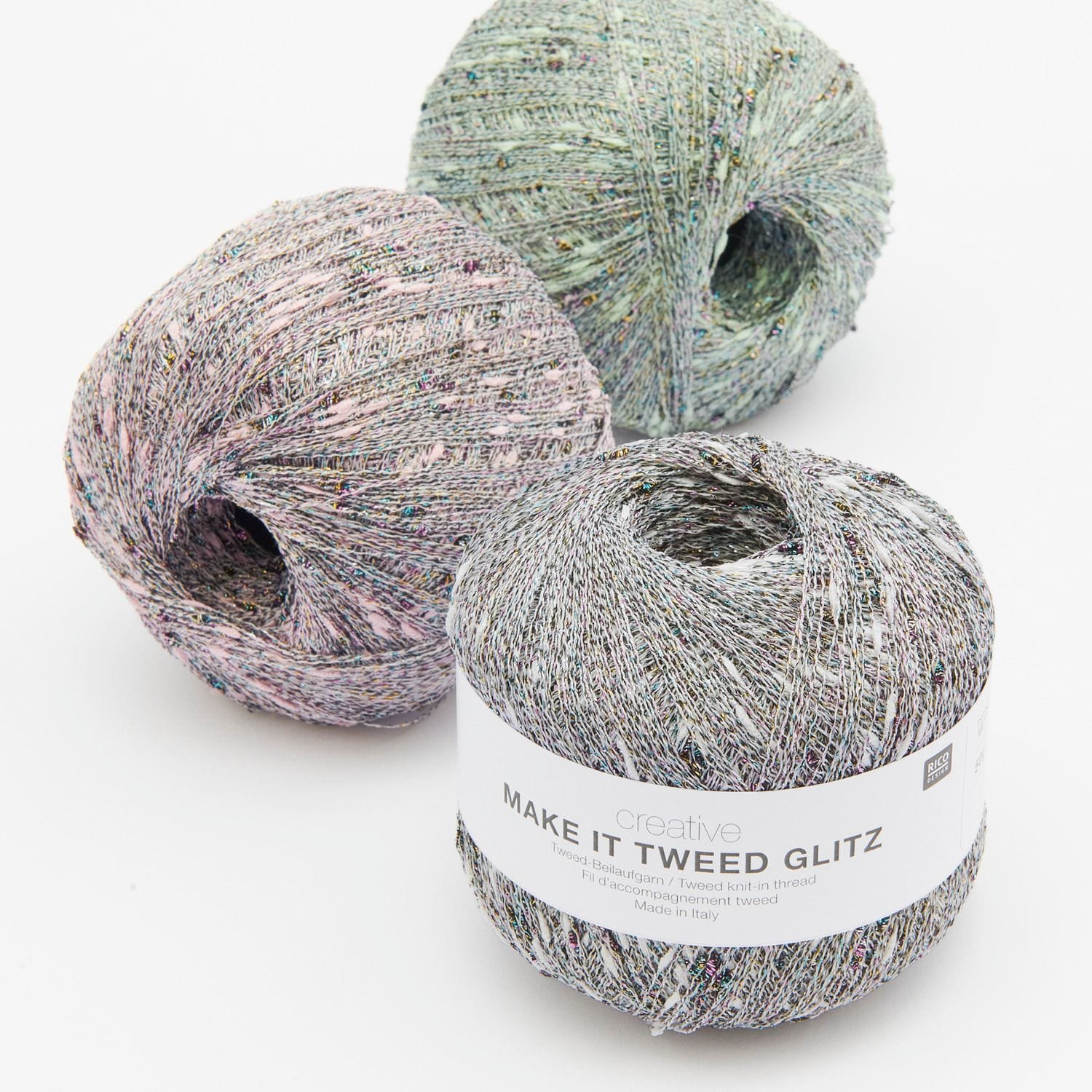




Acrylic yarn for knitting and crochet
Acrylic yarn is made from synthetic fibre and may be used alone or blended with wool, cotton, mohair and other materials. The yarns in this category are not identical: twist, surface, length, weight and acrylic percentage all vary. Choose according to the intended project, pattern gauge and care requirements rather than one word in the fibre list.
100% acrylic and blended yarns
Pure acrylic is often chosen when low weight, a broad colour range and practical everyday care matter. In a blend it can reduce weight, add stability or change the surface feel. Wool and acrylic blends retain some wool characteristics, while cotton and acrylic can feel lighter and more elastic than pure cotton. The final behaviour still depends on all fibre percentages, twist and finishing. Compare our wool yarn and cotton yarnswhen assessing the differences.
Which projects suit acrylic yarn?
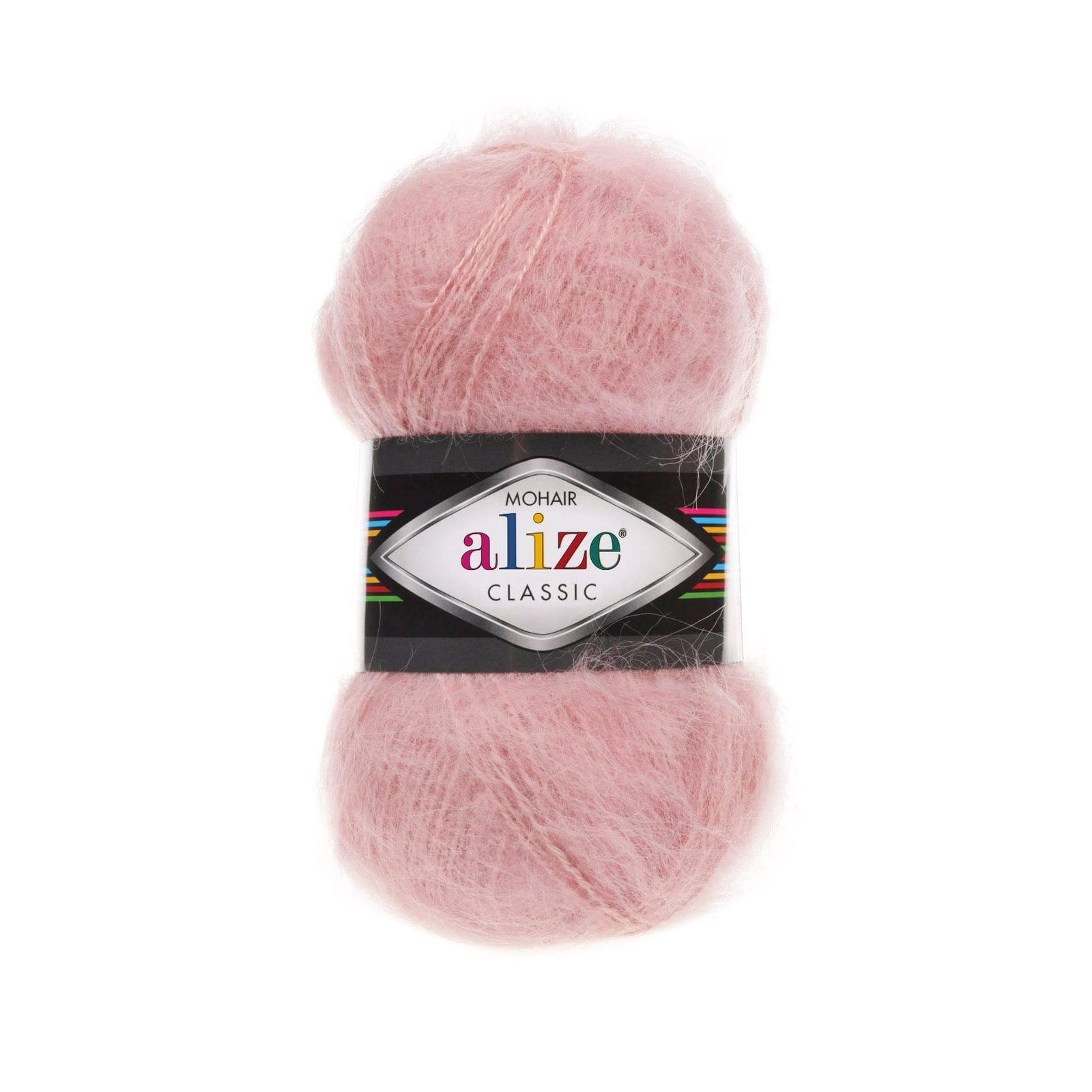
Acrylic yarns and blends are used for sweaters, vests, hats, scarves, blankets, toys and everyday accessories. Fibre is only one factor: yarn weight is equally important. A fine yarn with a long length per ball may suit a light garment or crochet, while a shorter, thicker yarn can create a more substantial accessory. For garments, assess drape and gauge; for toys, check whether the surface supports dense stitches; for blankets, consider total weight and care. If you prefer a fluffy blend, also compare mohair yarn.
Different textures and examples from the range
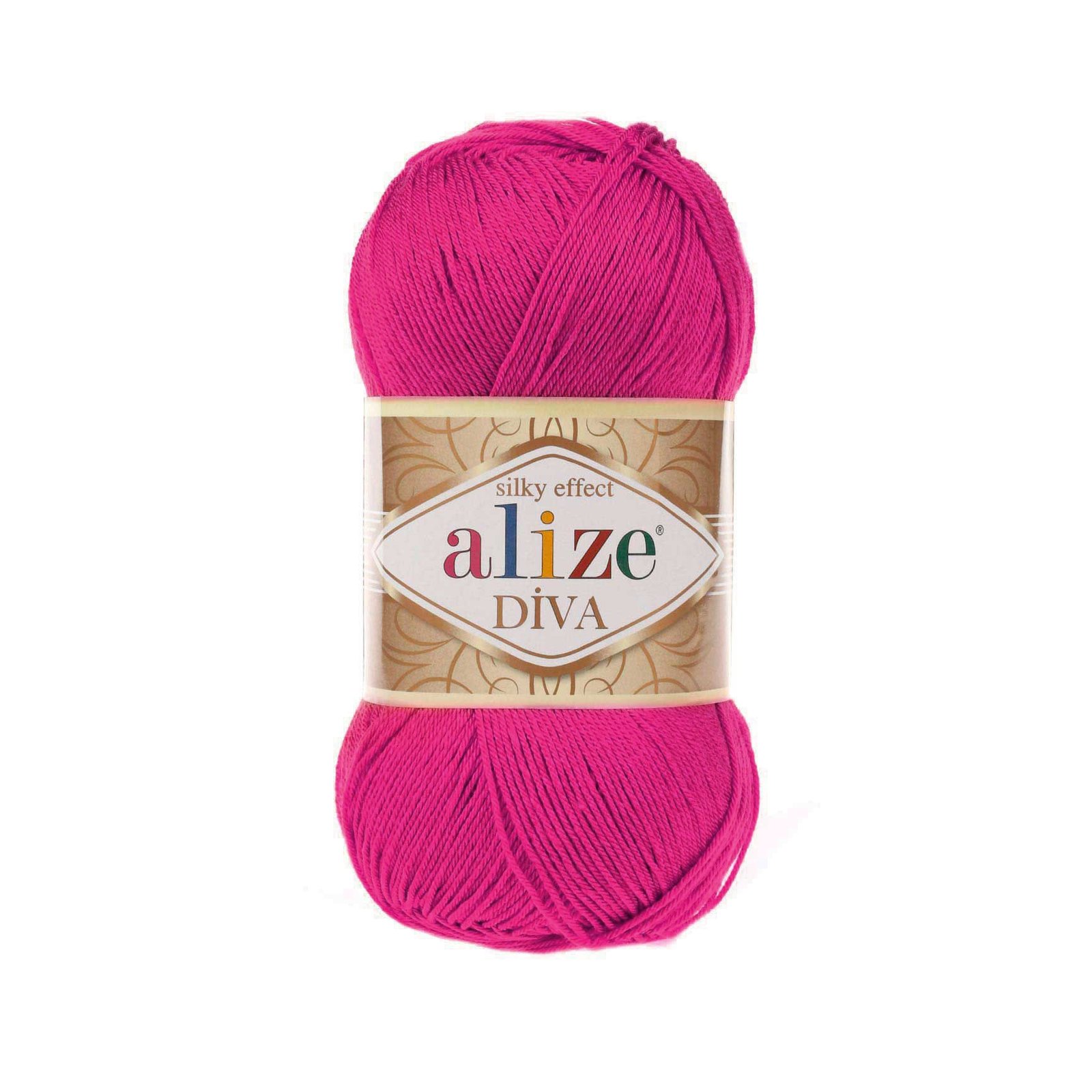
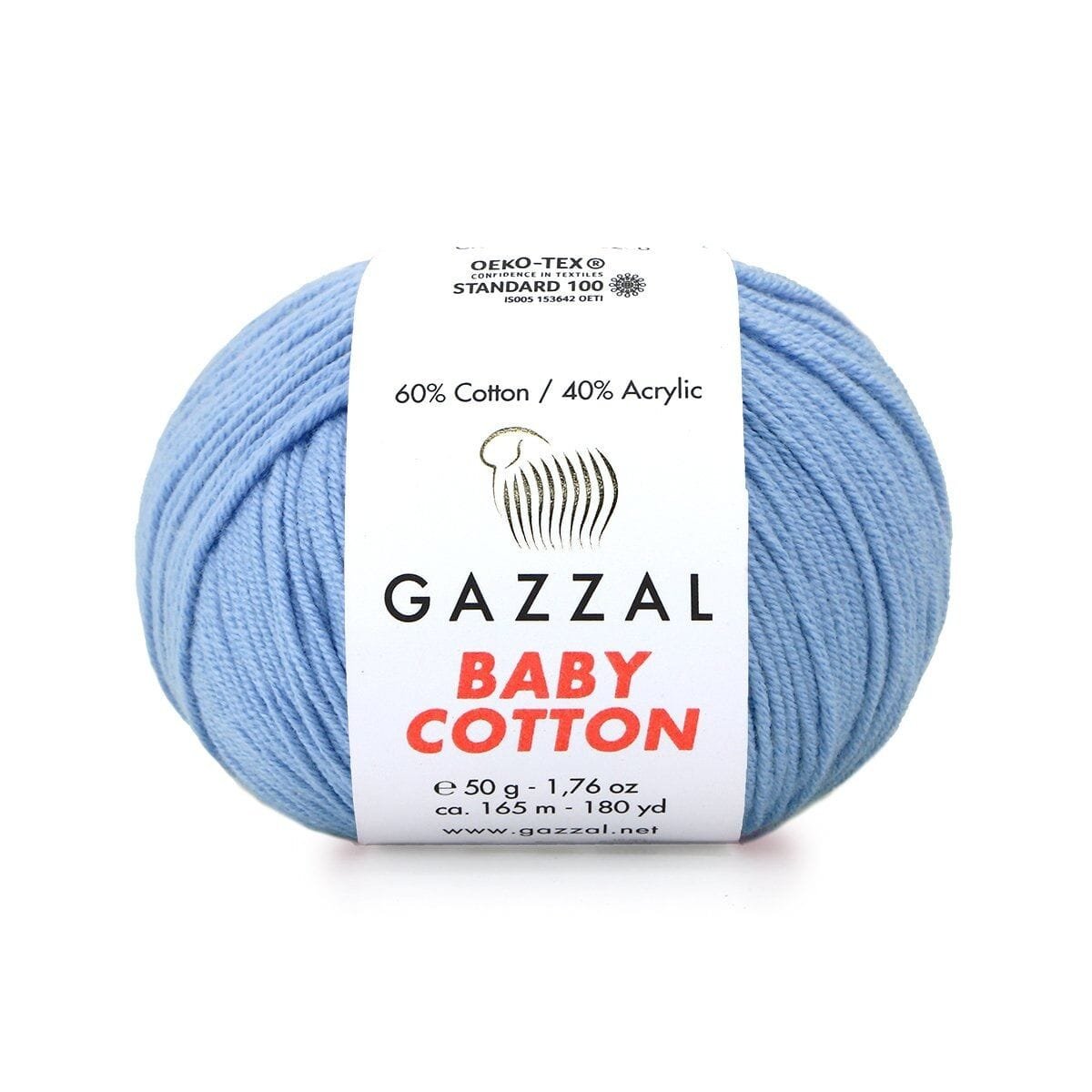
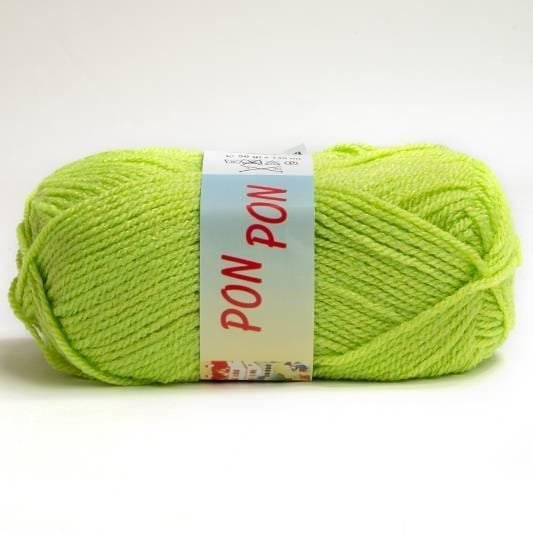
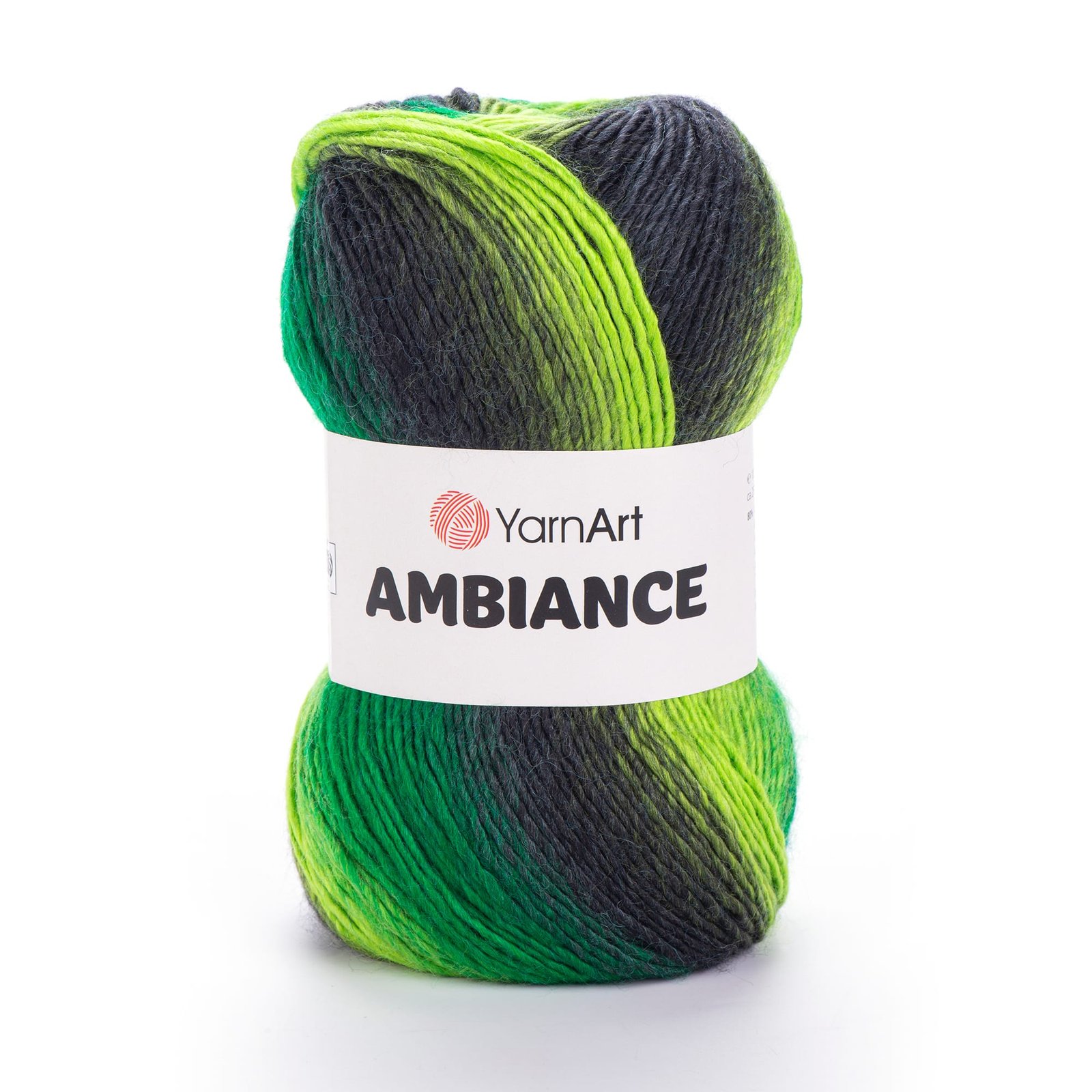
Alize DIVA is an example of microfibre acrylic, while Silke by Arvier PON PON shows how acrylic can create expressive texture. Gazzal BABY COTTON, Kartopu COTTON LOVE and Katia SUMMER PAINT combine acrylic with cotton, while YarnArt AMBIANCE combines it with wool. These examples explain why two acrylic-containing yarns can feel and perform very differently. Find more regional brands in our Turkish yarn manufacturers category.
How does acrylic differ from polyester and polyamide?
Acrylic, polyester and polyamide are synthetic fibres, but they serve different purposes in yarn. Polyester is often used in plush, decorative or shape-supporting yarns, while polyamide is common in sock yarn and blends where abrasion resistance matters. Acrylic often forms the main part of a yarn or complements wool and cotton. Compare polyester and polyamide yarnbut base the decision on the label of the specific product.
Weight, length and gauge
First check the ball weight and yarn length, then the manufacturer's suggested needle or hook size. These figures help compare products but do not replace a swatch. If you obtain more stitches than specified, the fabric is denser and you may need a larger tool; if you obtain fewer, try a smaller one. Wash the finished swatch according to the label before measuring. Match knitting needles and crochet hooks to the project, yarn structure and your working tension.
Planning quantity and colour
Calculate quantity from the total yarn length in the pattern, the size and your swatch gauge. Balls of the same weight may contain very different lengths, so ball count alone is not a reliable comparison. For a large single-colour project, buy enough from the same dye lot. A colourwork swatch also helps assess colour balance and pattern clarity.
Care and selection
Many acrylic-containing projects allow practical care, but washing and drying depend on the whole composition. High heat can damage synthetic fibres, while a wool or mohair blend may require gentler handling. Always follow the exact label and test a swatch first when unsure. Explore the complete range in our yarn for knitting and crocheting category.