Polyamide










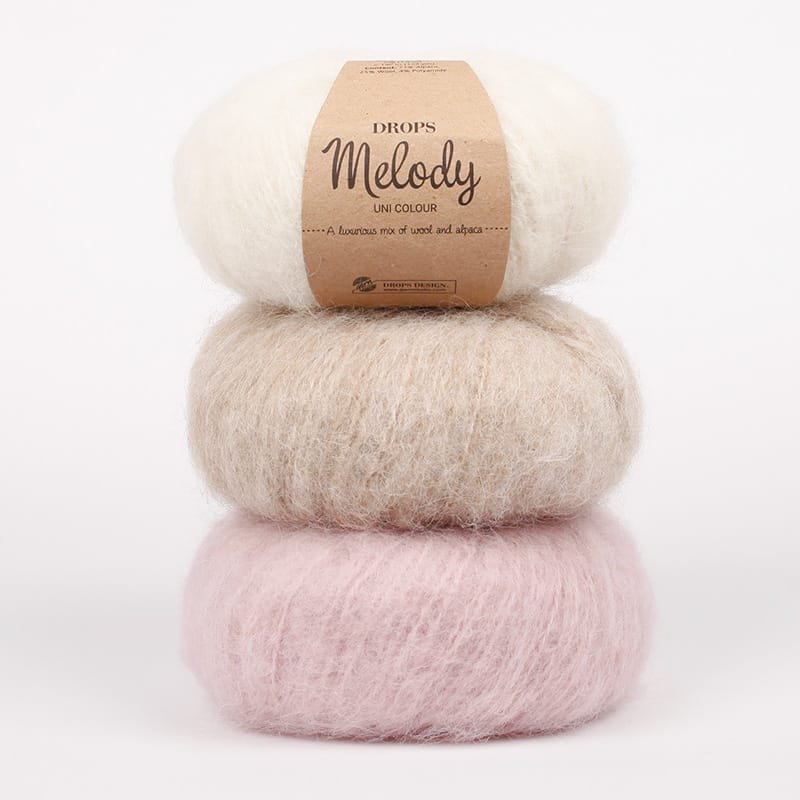
DROPS MELODY (alpaca, wool)
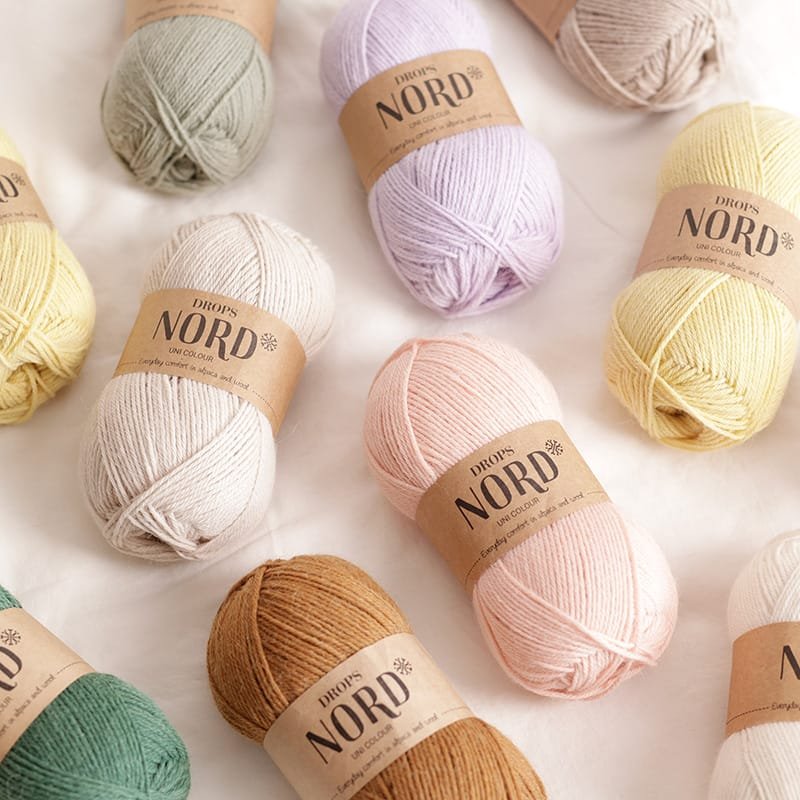
DROPS NORD (alpaca, wool)
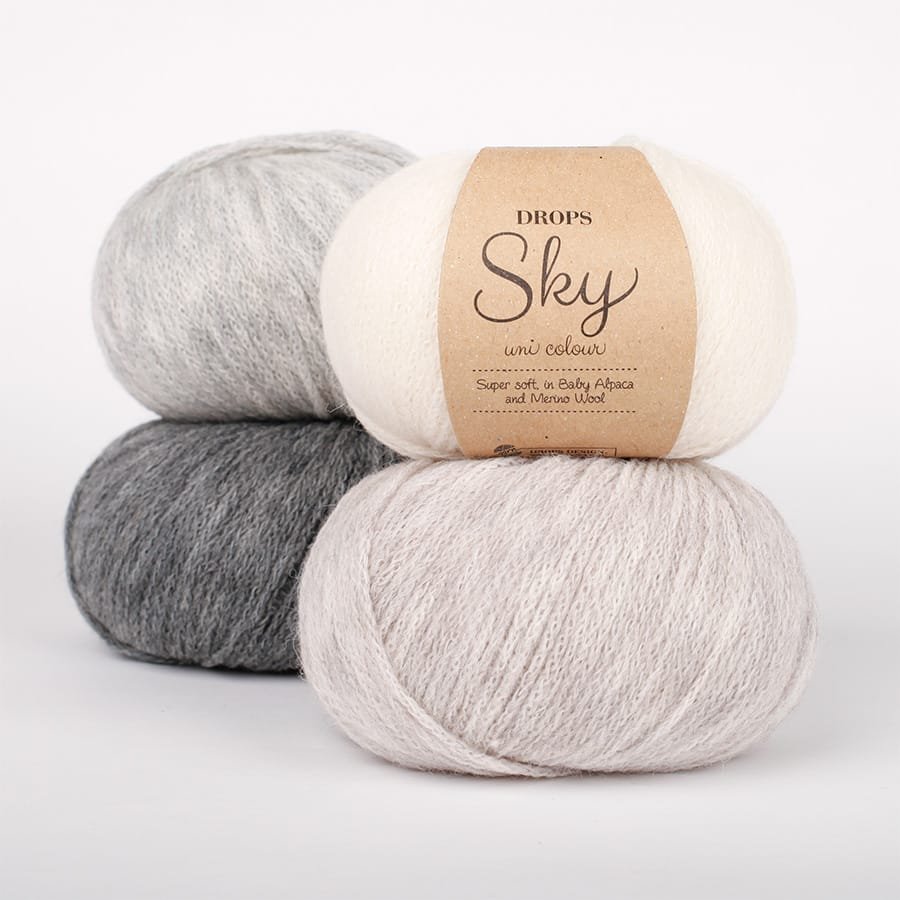
DROPS SKY (alpaca, merino wool)

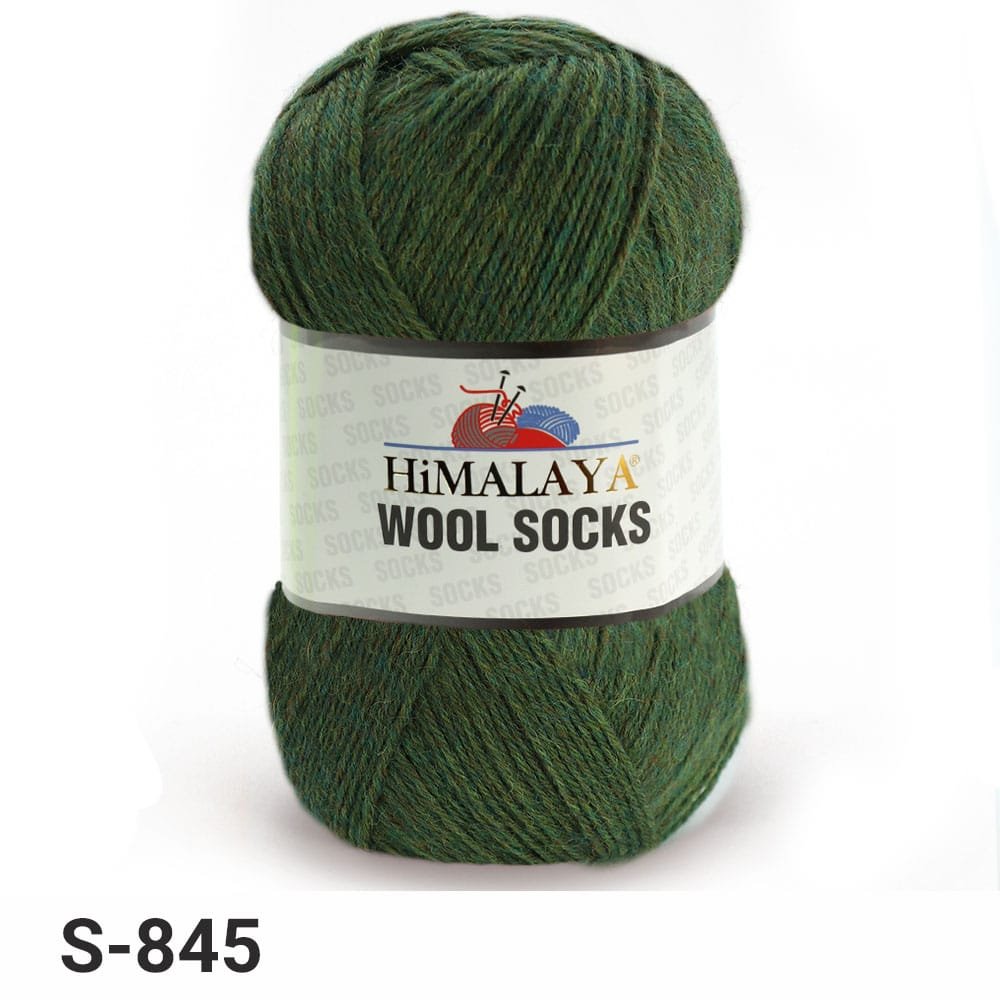
Himalaya WOOL SOCKS (wool, polyamide)

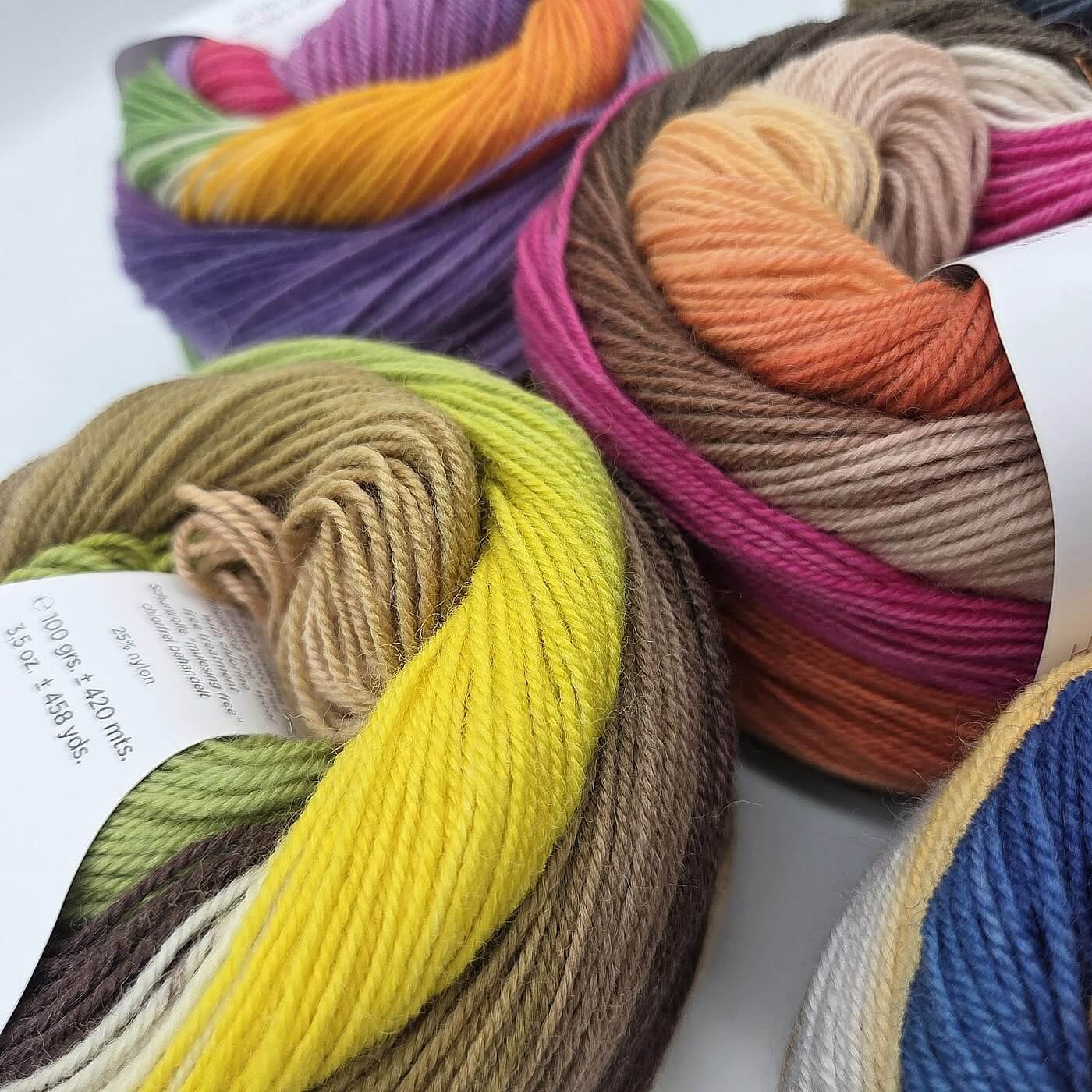
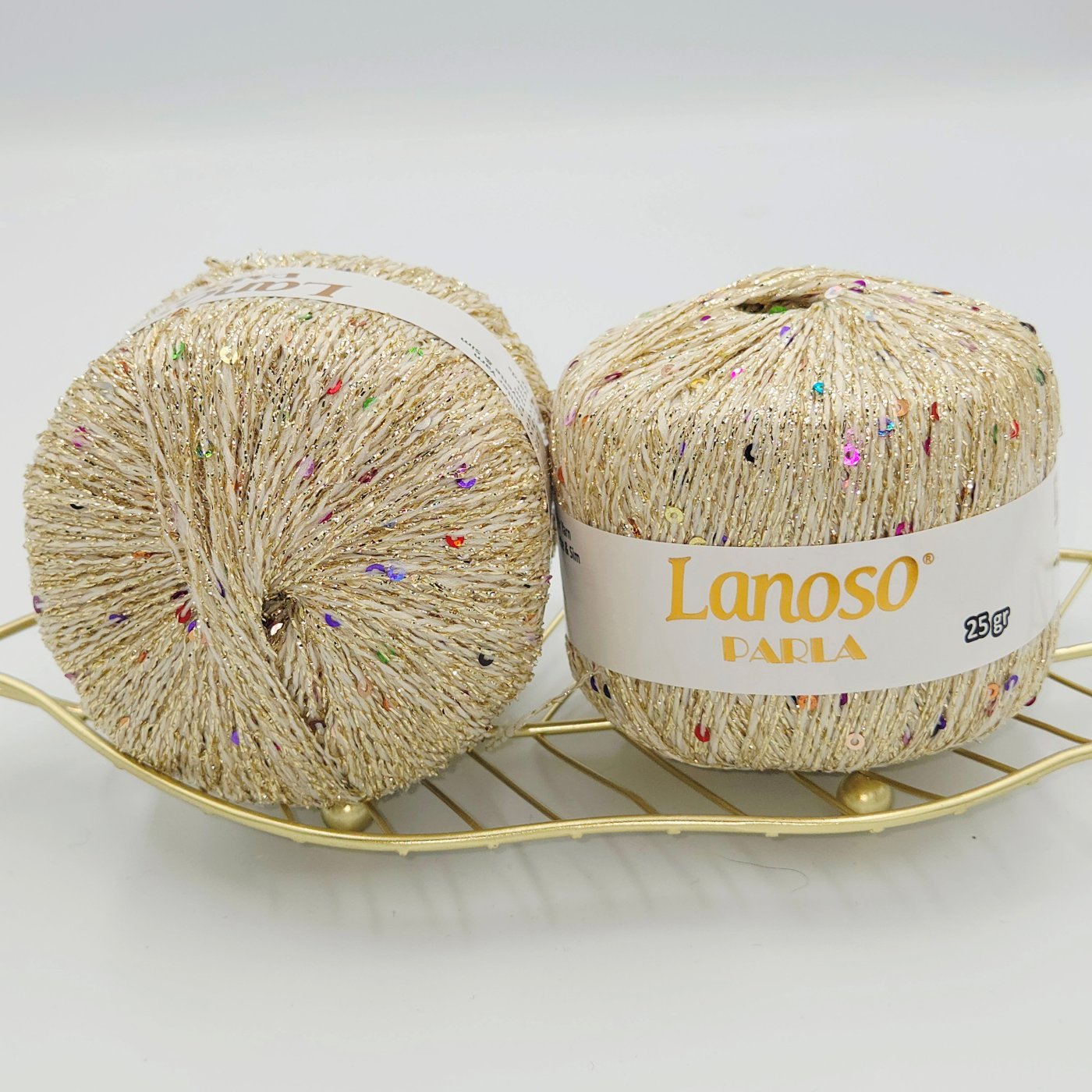
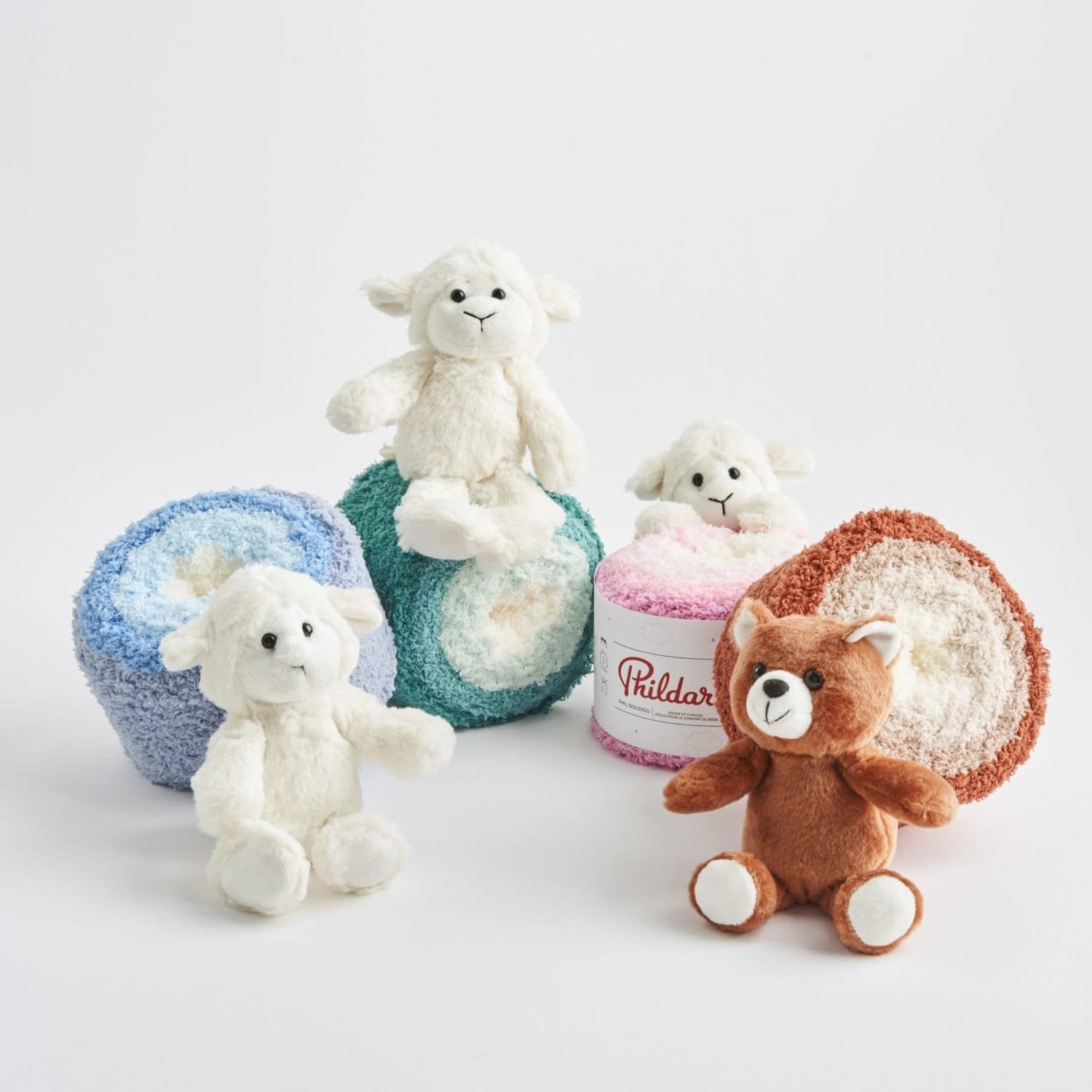
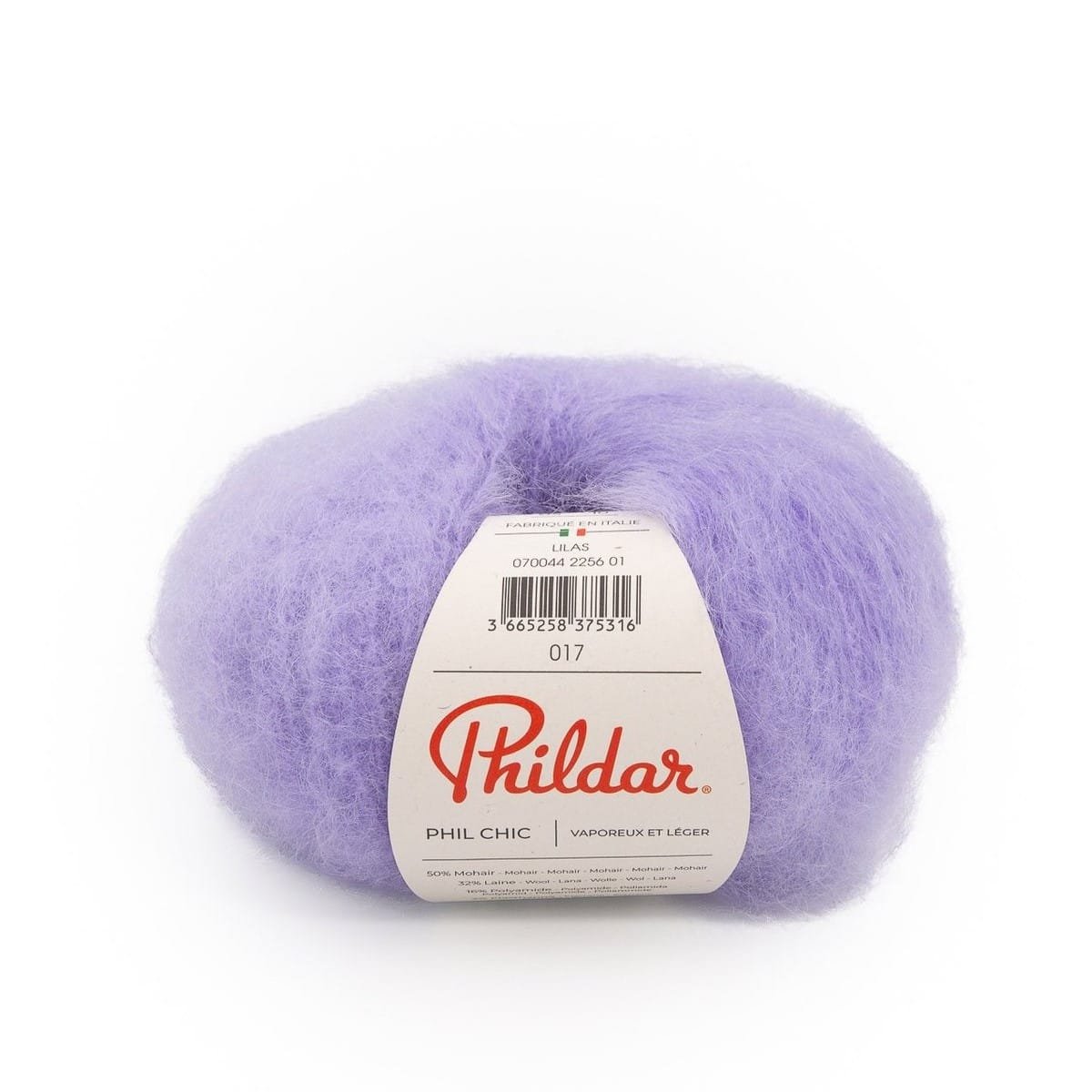
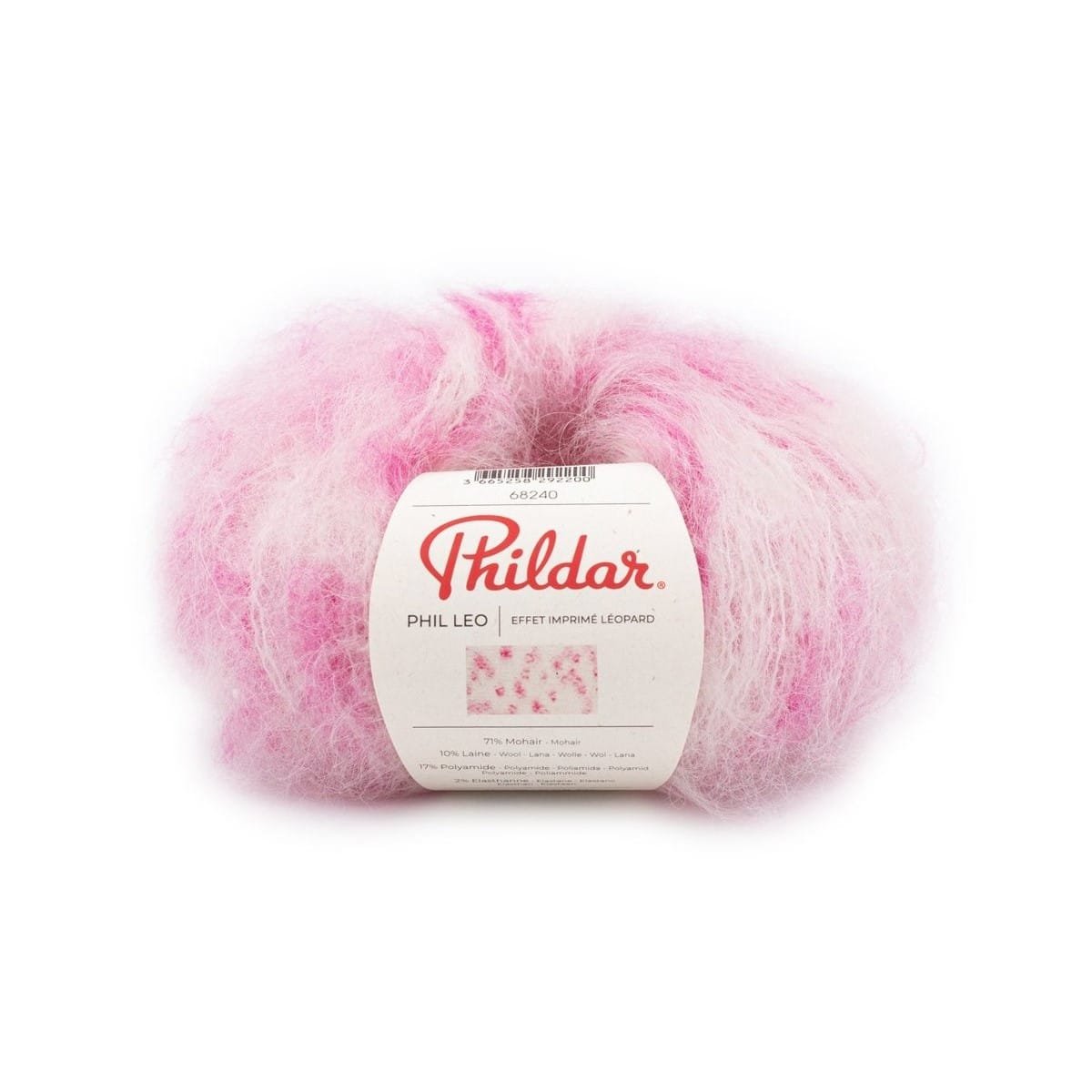
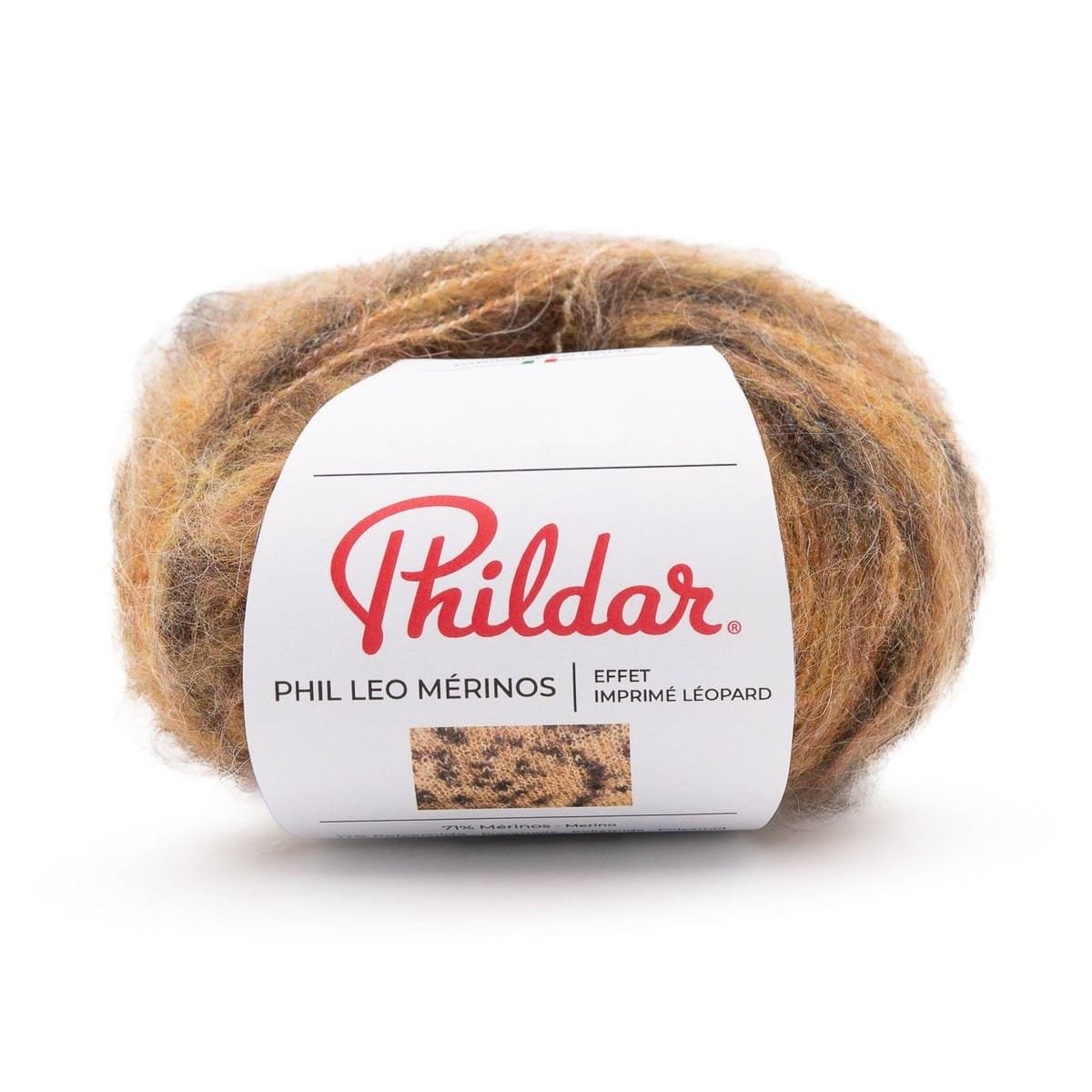
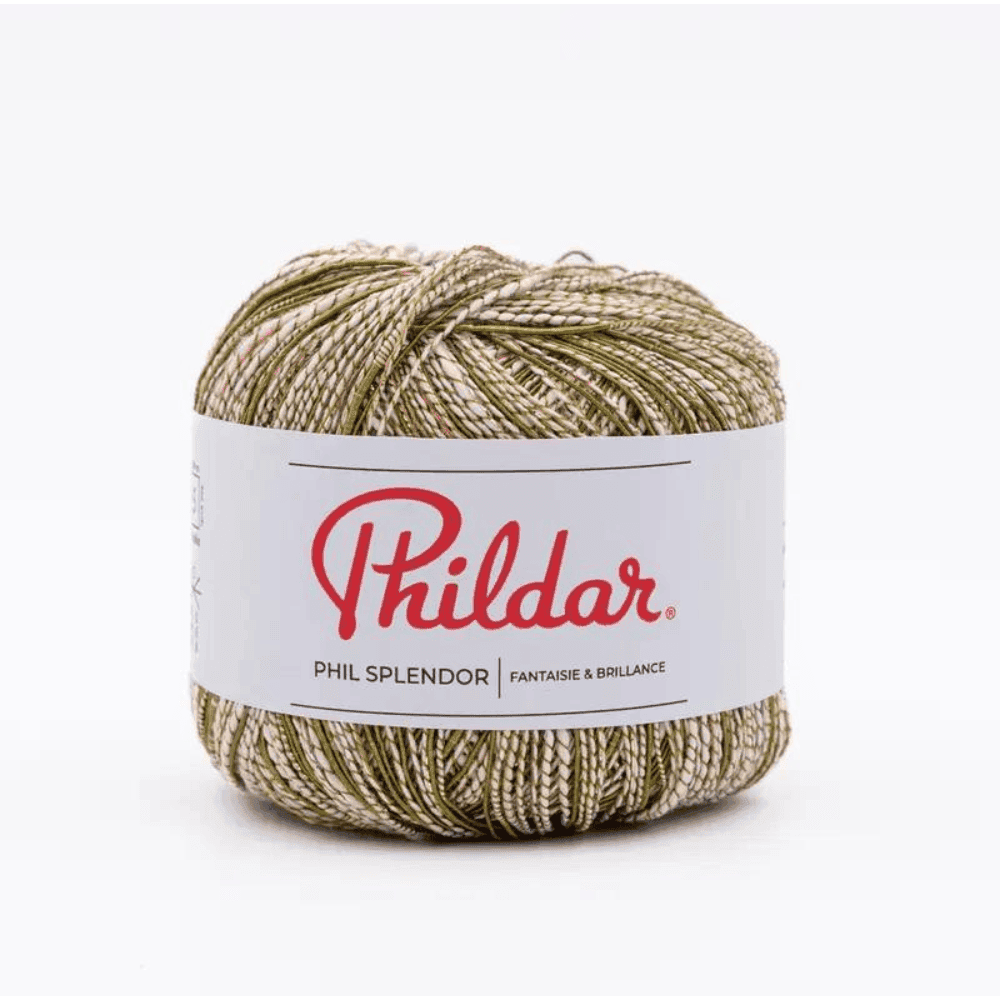
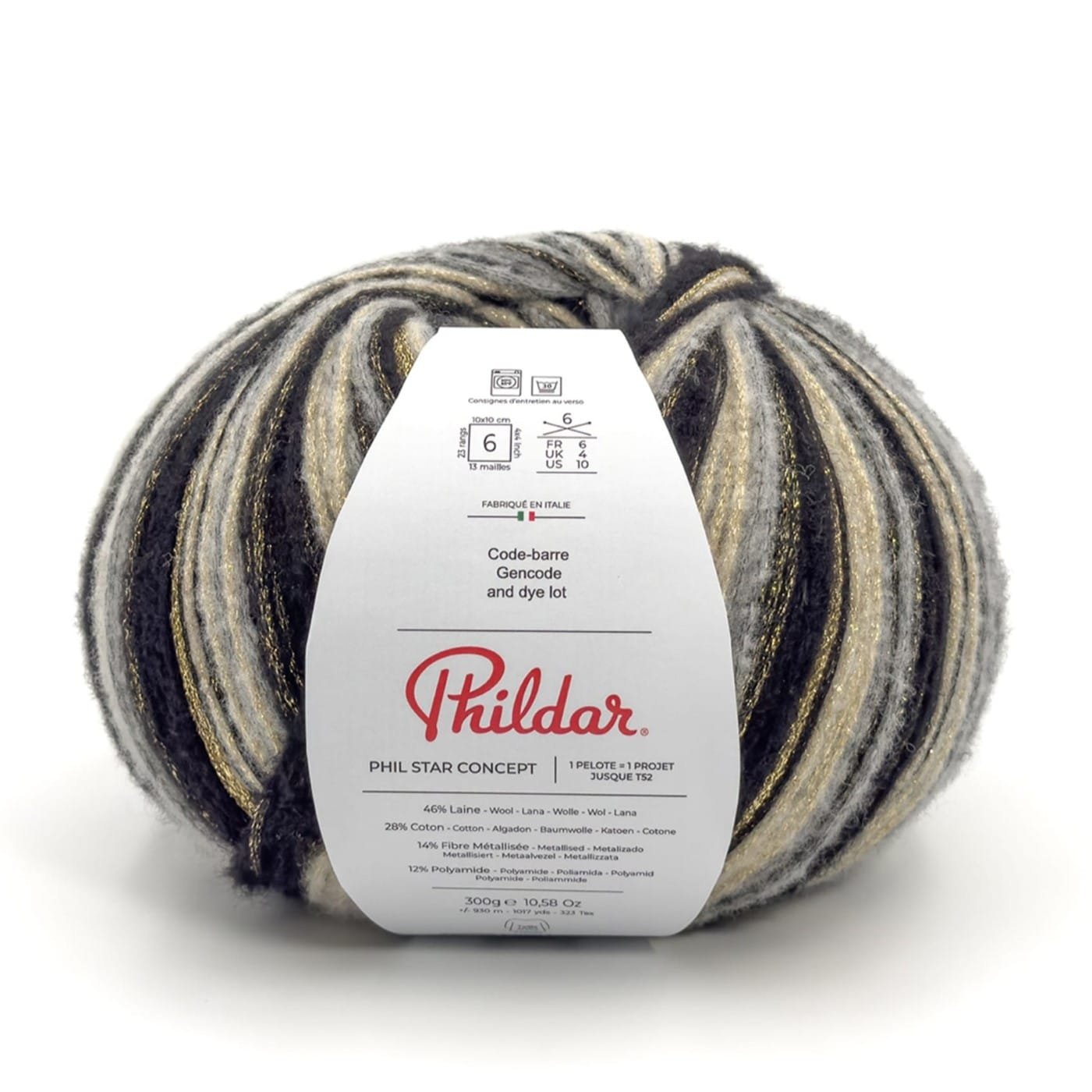
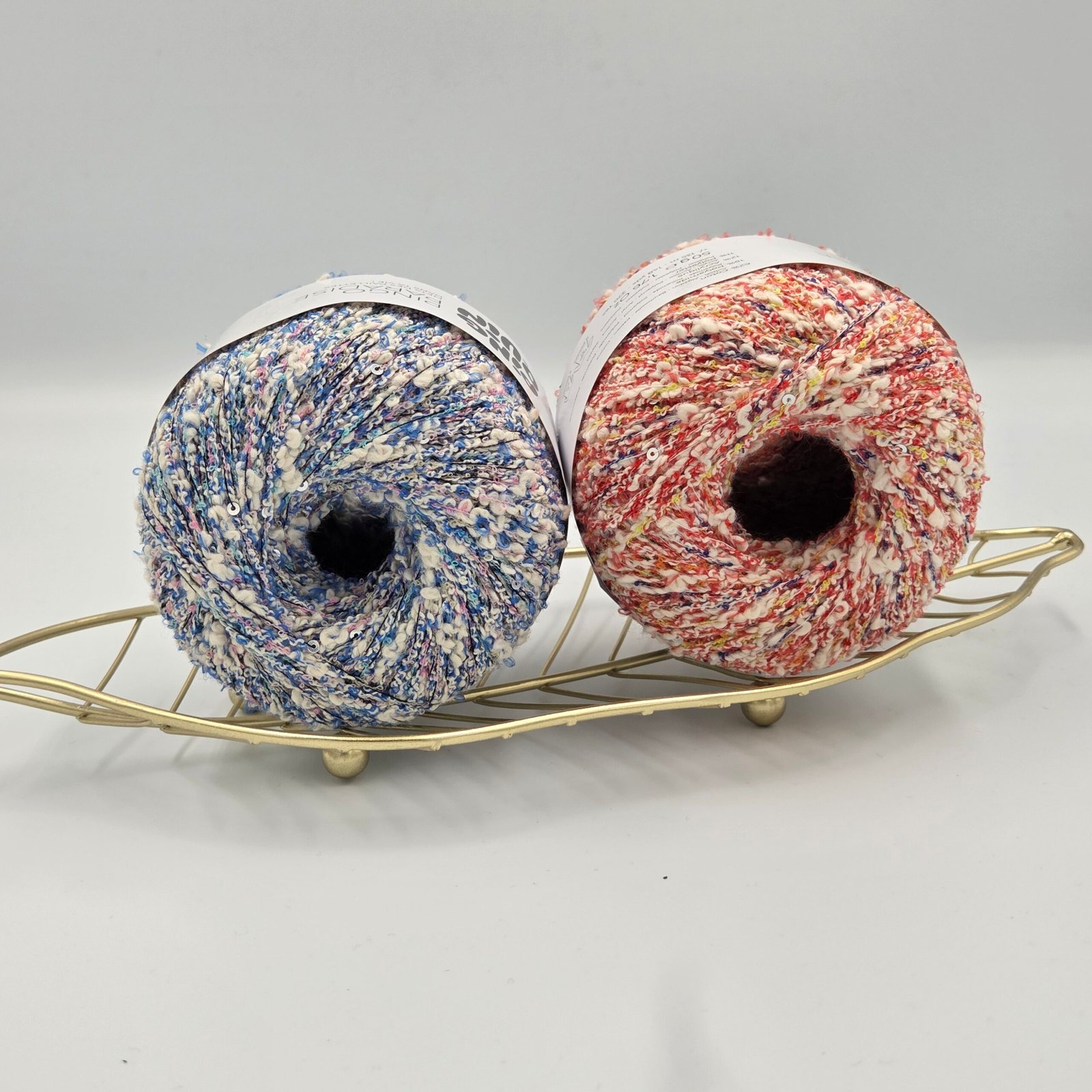
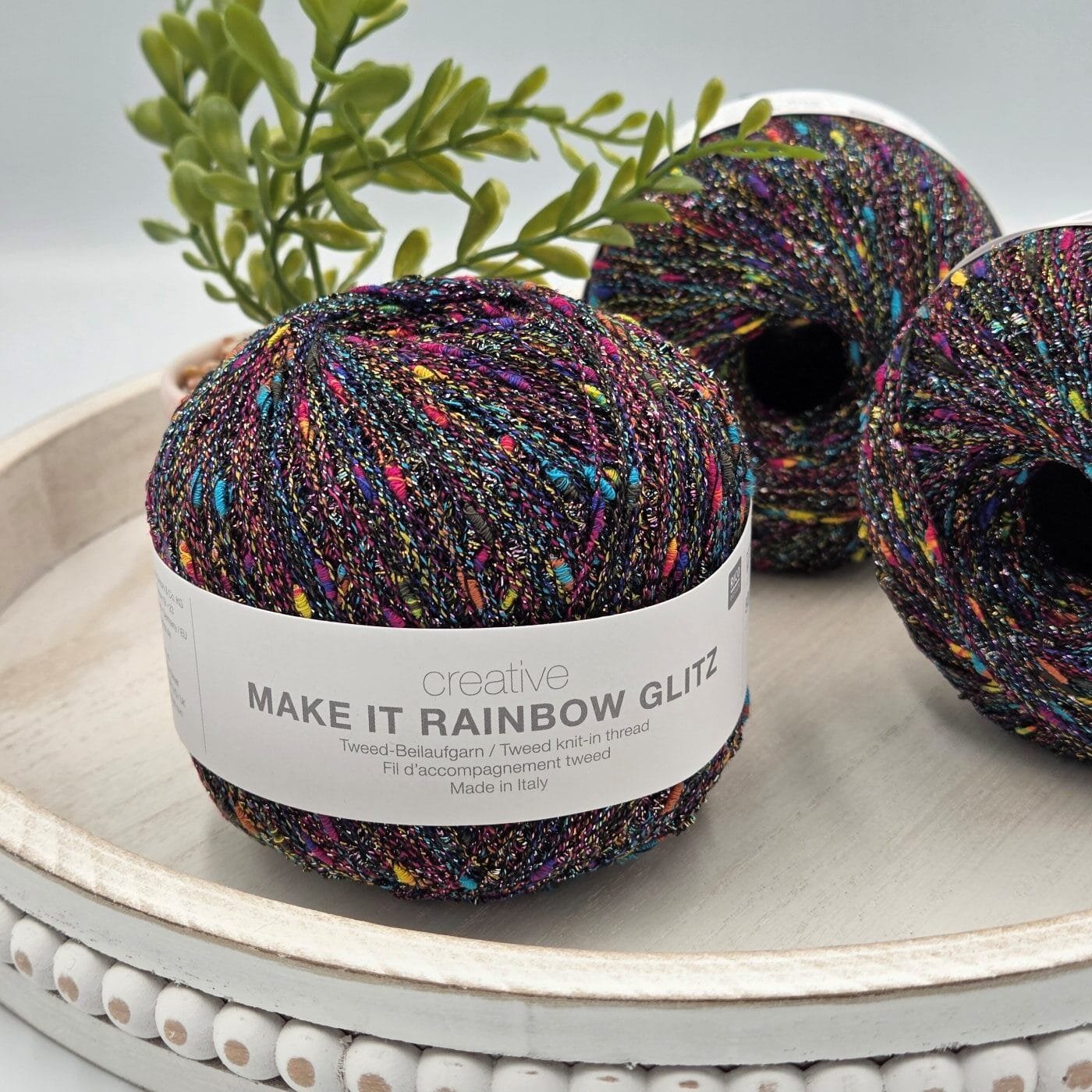
Rico Design MAKE IT RAINBOW GLITZ (sparkling rainbow tweed-effect yarn)
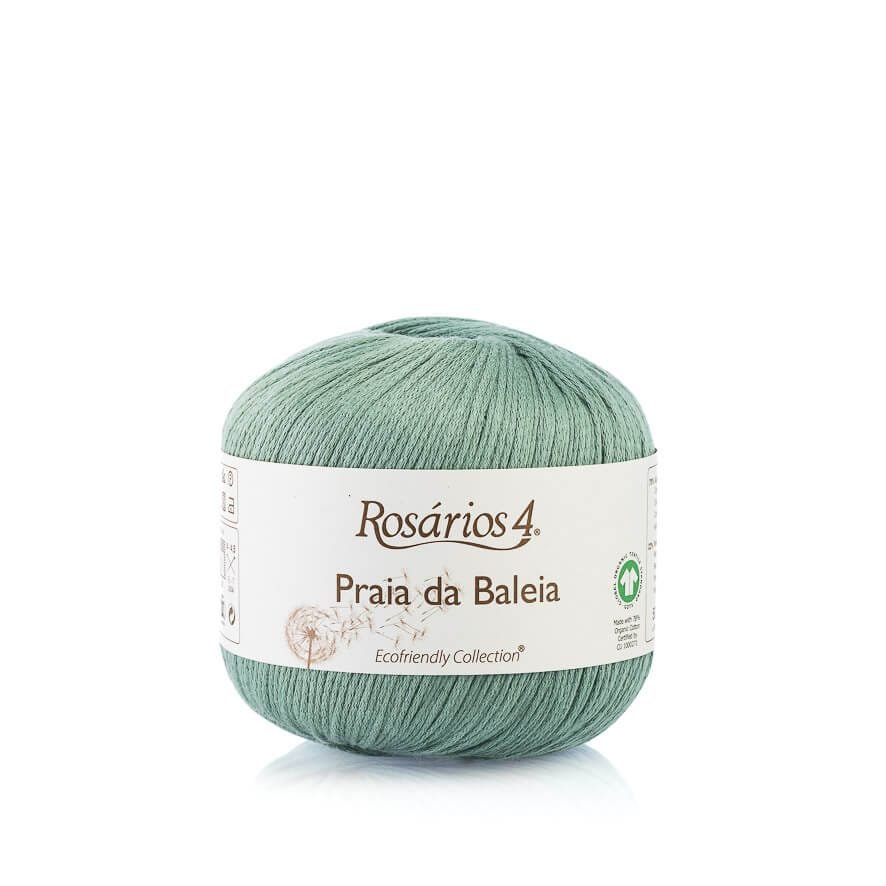
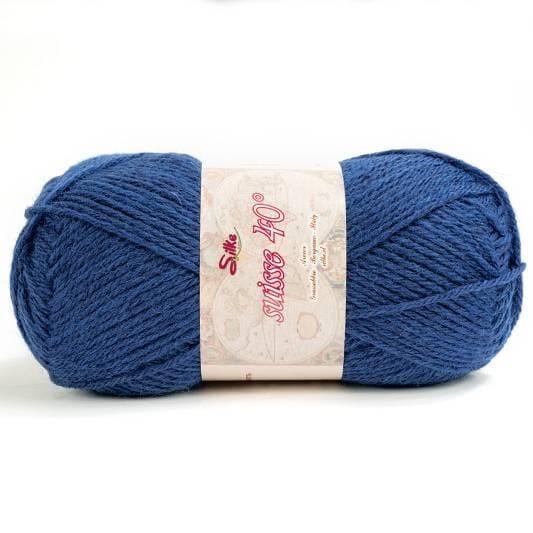


Polyamide yarn and blends for knitting
Polyamide yarn is most often found not as a pure fibre but in blends with wool, alpaca, mohair, cotton or other materials. Textile labels may also use the word nylon, which belongs to the polyamide family. Polyamide is usually included to strengthen the construction, increase abrasion resistance or add slight elasticity, but the final characteristics depend on fibre percentages, twist and surface.
Why is polyamide blended with wool?
Wool contributes its characteristic temperature regulation, elasticity and surface, while polyamide can help yarn withstand more mechanical wear. This combination is especially common in sock yarn, but it is also used for sweaters, hats, gloves and everyday accessories. Polyamide does not make every item indestructible, so consider the whole composition, yarn weight and care rather than its presence alone. Compare wool yarn and sock yarn.
Polyamide in sock yarn
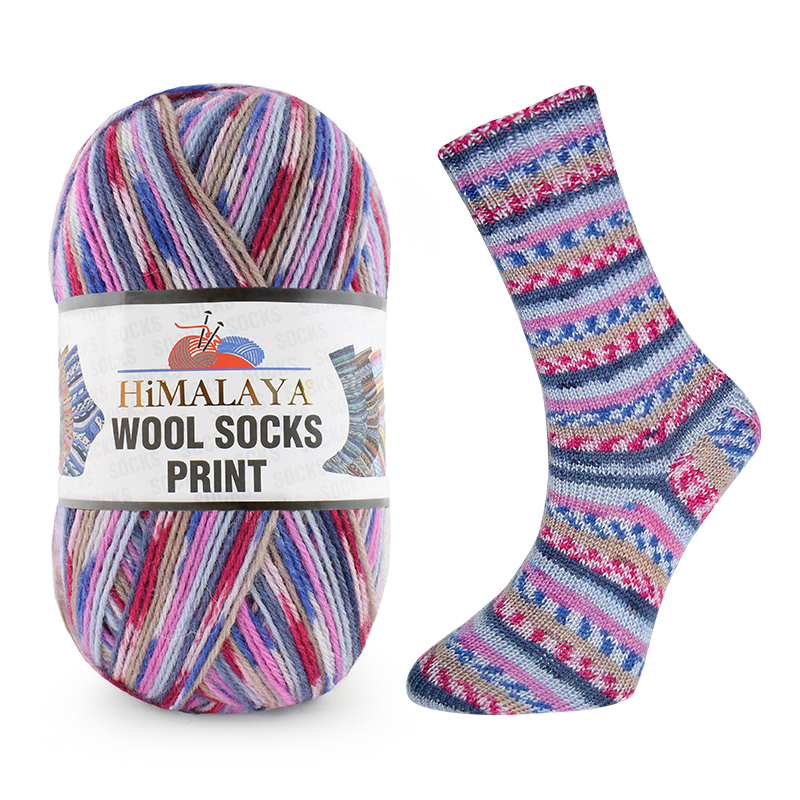
Abrasion resistance, elasticity and shape retention matter for socks, making wool and polyamide blends a practical choice. Himalaya WOOL SOCKS, Himalaya WOOL SOCKS PRINT and Laines du Nord HARMONIOUS SOCKS are examples. Check yarn length, the manufacturer’s suggested needle size and whether one ball is enough for the intended size. Denser knitting can be used for heels and toes, but always confirm final measurements with a swatch.
Fluffy, bouclé and decorative blends
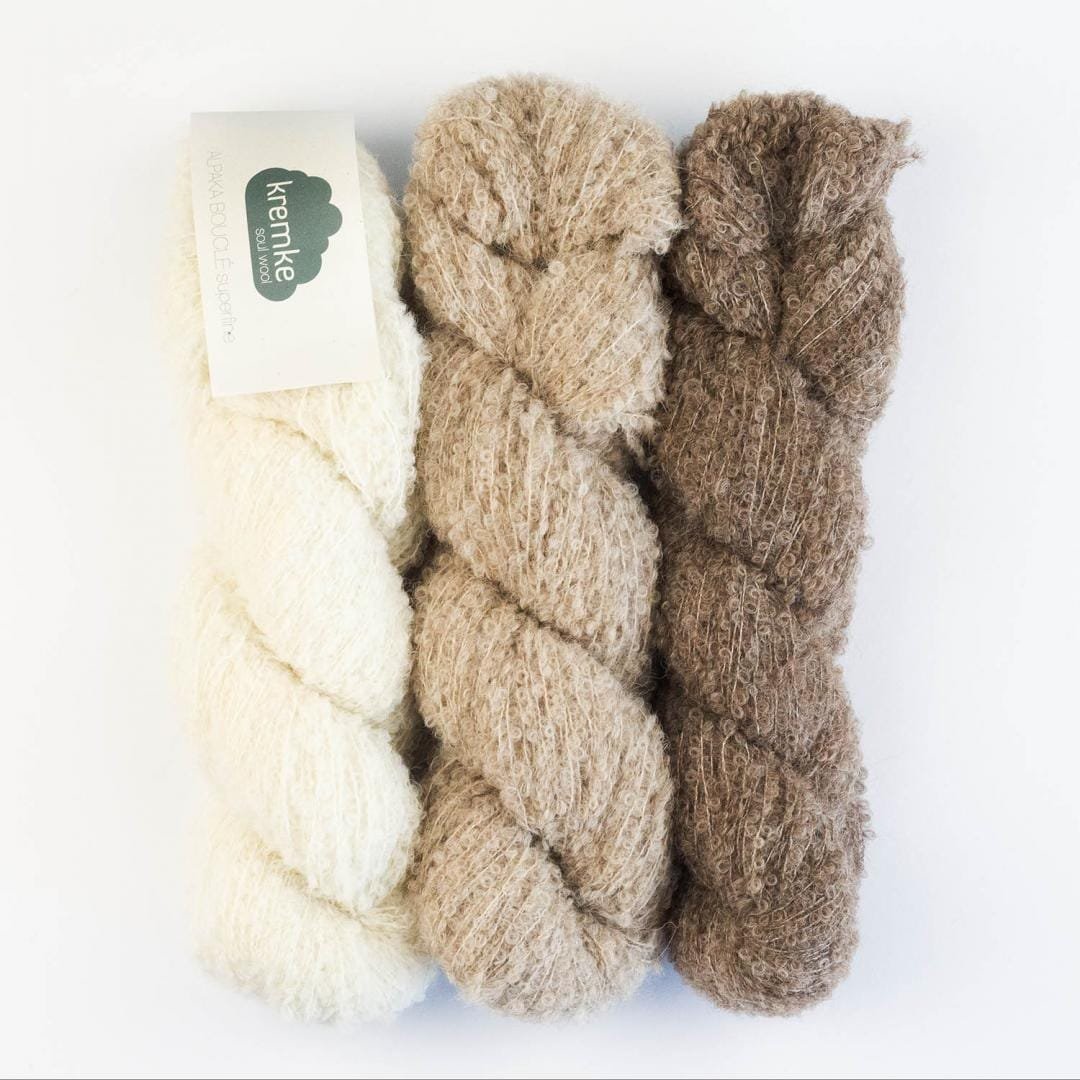
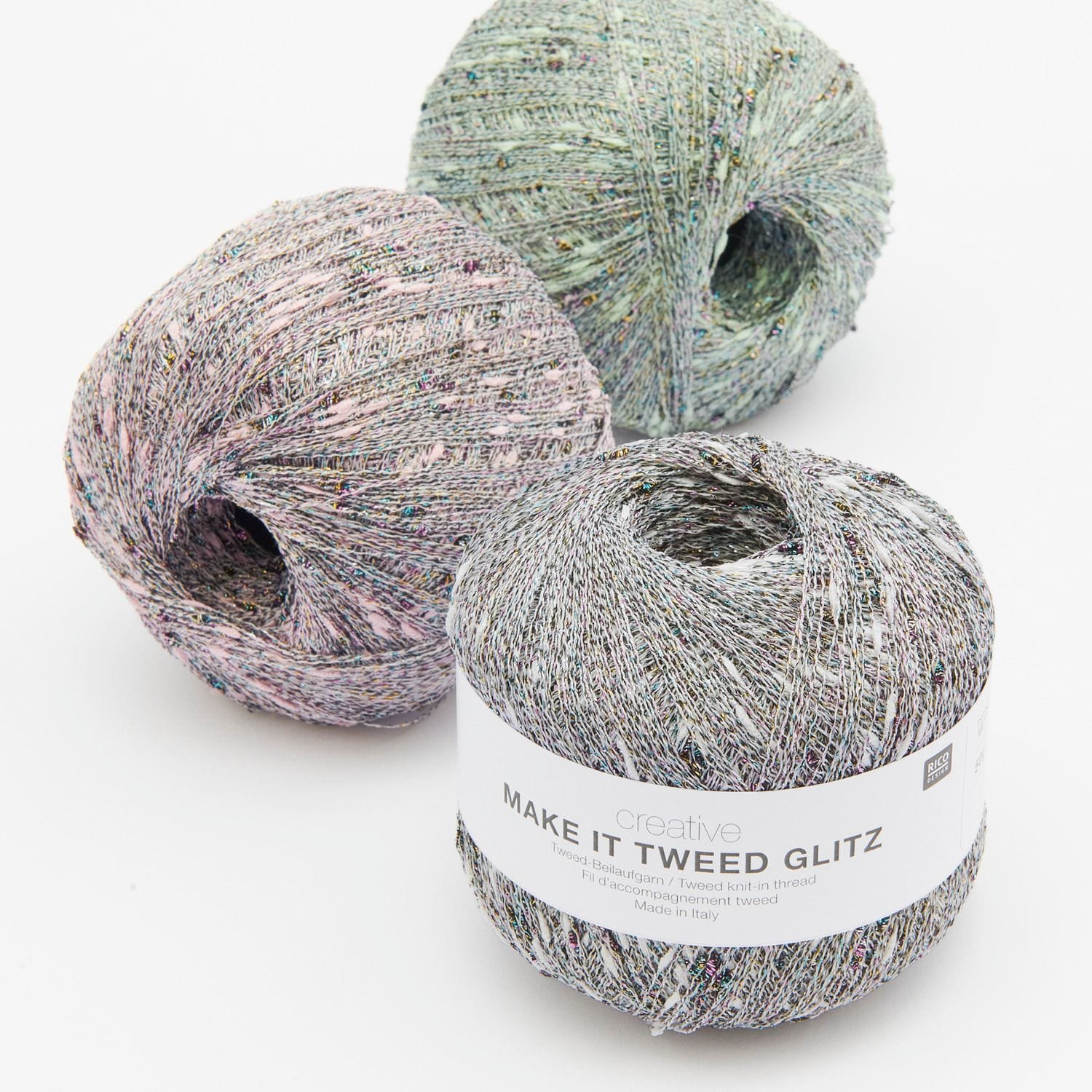
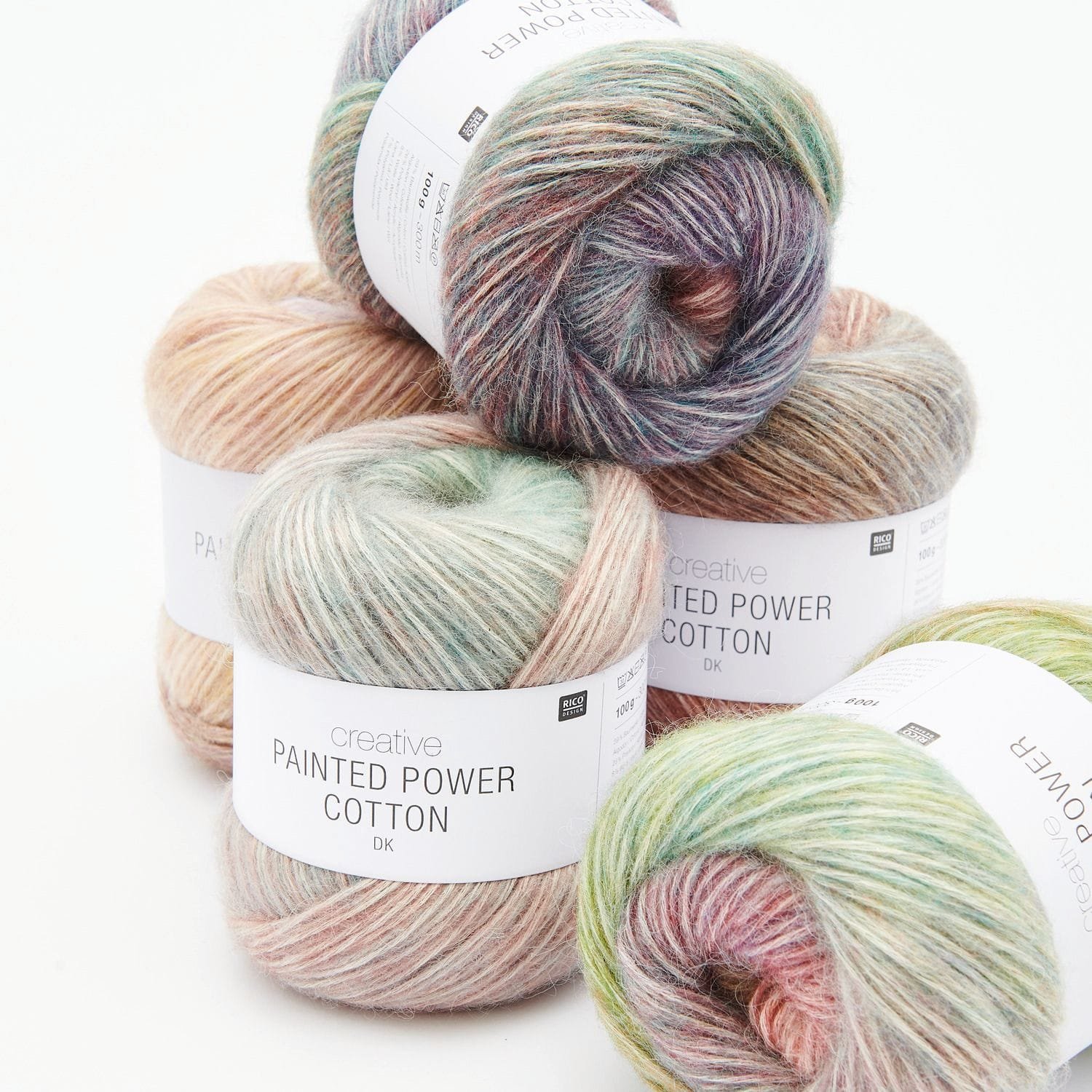
Polyamide is not used only in sock yarn. It may form part of an exceptionally light fluffy construction, help create bouclé loops or support a decorative surface. The range shows this in products as different as DROPS MELODY, DROPS SKY, Kremke SOUL ALPACA BOUCLÉ, Gazzal MARILYN & MERINOS and the shiny Laines du Nord ARME. Polyamide-containing yarn can therefore range from fine sock yarn to fluffy, light or effect yarn. For a particular surface, explore alpaca yarn, mohair yarn and shiny yarn.
How does polyamide differ from acrylic and polyester?
All three are synthetic fibres, but their roles in yarn may differ. Polyamide is often chosen for abrasion resistance and structural strength, acrylic may form a larger part of a lightweight everyday yarn, and polyester appears in plush, decorative or shape-supporting yarn. These descriptions are not absolute: the result depends on how the yarn is made. Compare acrylic and polyester yarn.
How to choose yarn, quantity and tools
Read the complete composition and note the proportion of polyamide. Then compare weight, yarn length, recommended needles or hook and care symbols. Balls of the same weight may contain very different lengths, so calculate quantity from the pattern’s total length and your gauge swatch. A simple pattern often shows fluffy texture more clearly, while socks require precise gauge. Match suitable needles and hooks to the specific label.
Colour and project planning
For a larger single-colour project, buy enough balls from the same dye lot at once. In self-patterning sock yarn, colour distribution depends on repeat length, stitch count and circumference, so the pattern shown in a photo may look different in another size. In fluffy and bouclé yarn, texture can hide complex stitches; check that the chosen pattern remains clear before starting. A swatch helps test both colour and surface effect.
Care
Yarn containing polyamide does not necessarily tolerate an intensive wash. If the blend includes wool, alpaca or mohair, base care on the most delicate fibre. Follow the label’s temperature, drying and ironing instructions, and wash a swatch before a larger project. Explore the complete selection in our yarn for knitting and crocheting category.