Felting yarn
Brand name




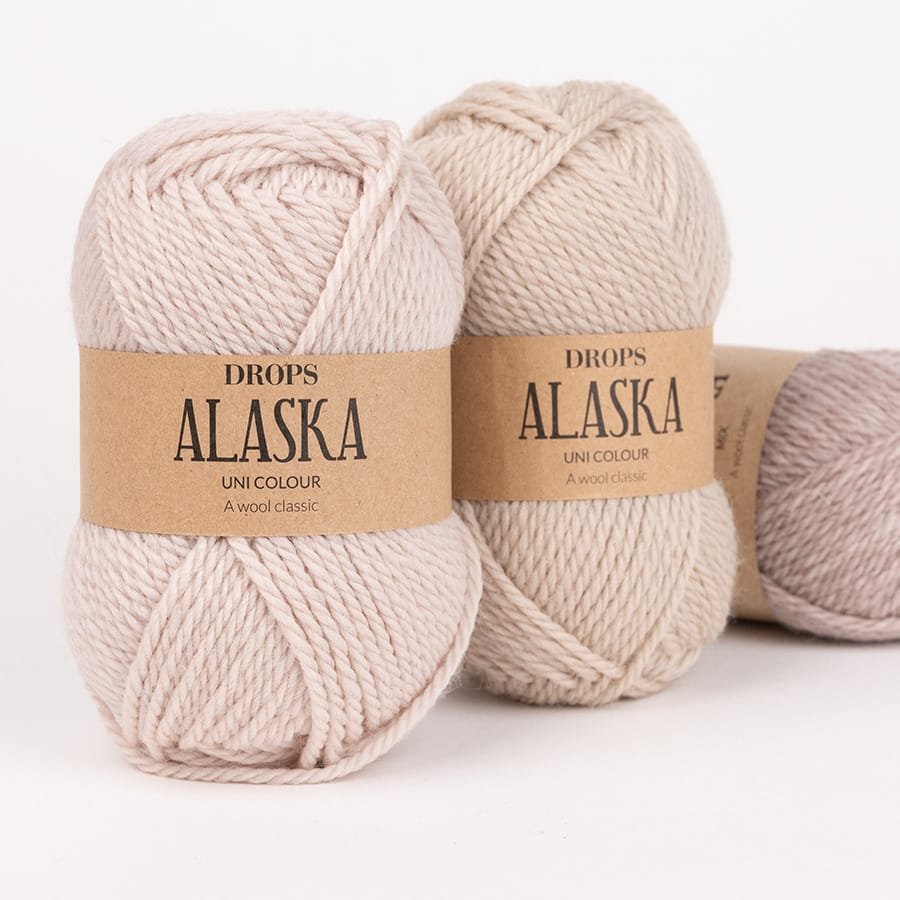
DROPS ALASKA (100% wool)
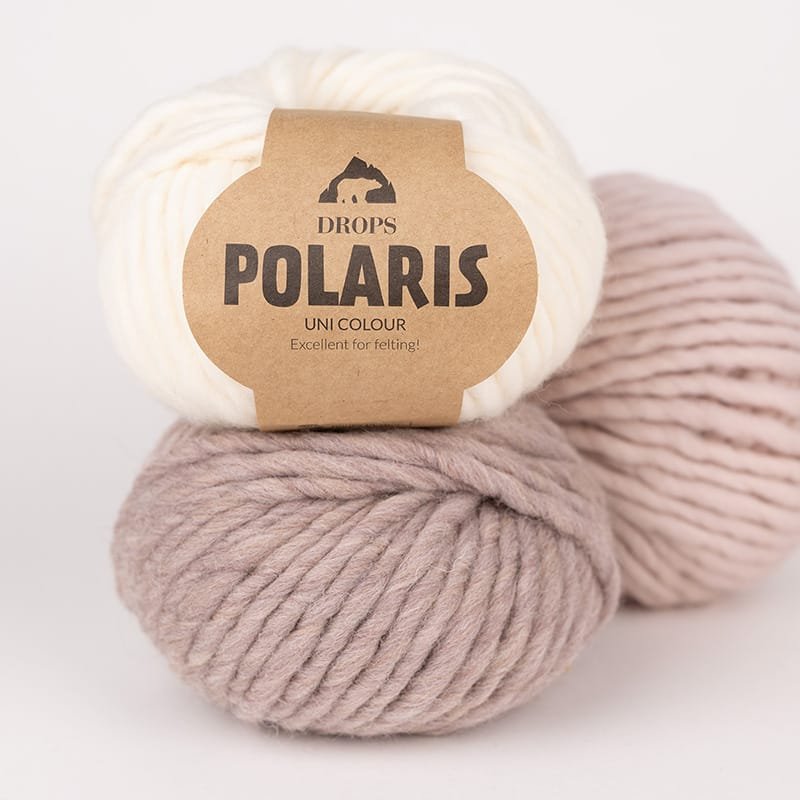
DROPS POLARIS (100% wool)
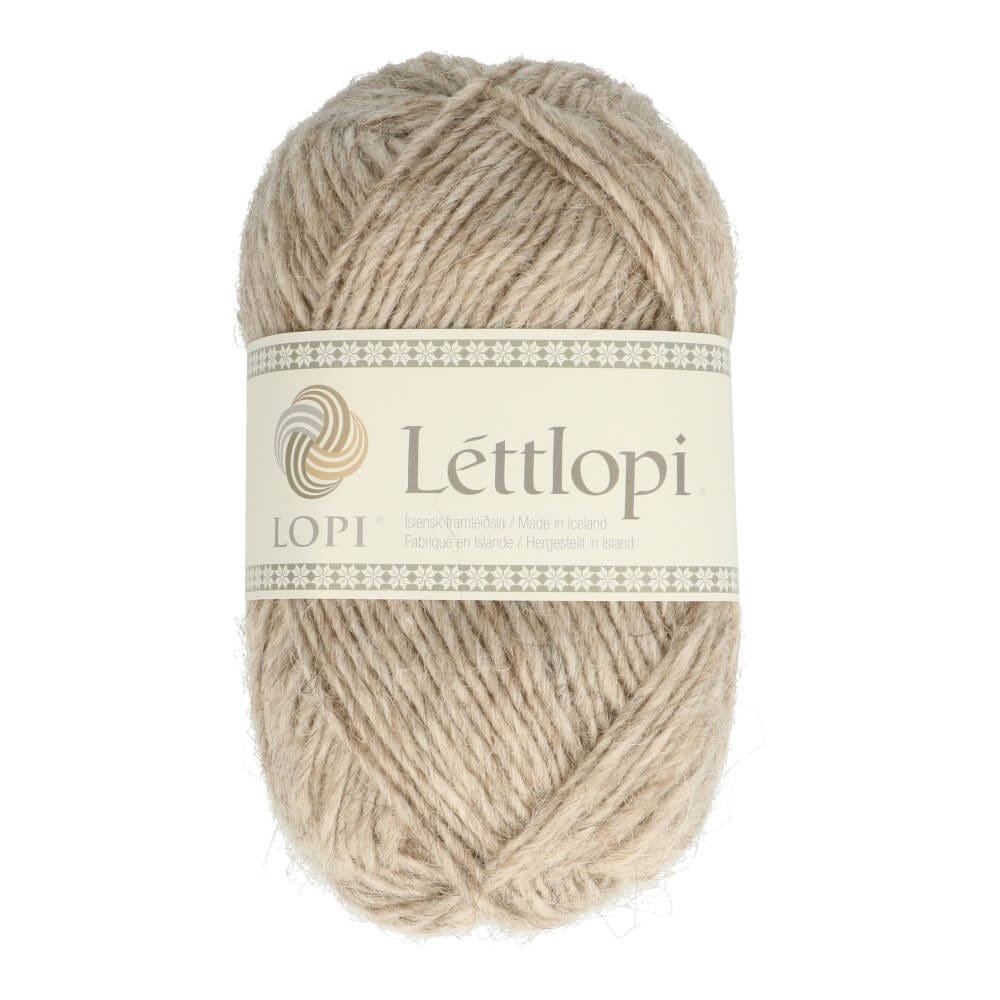
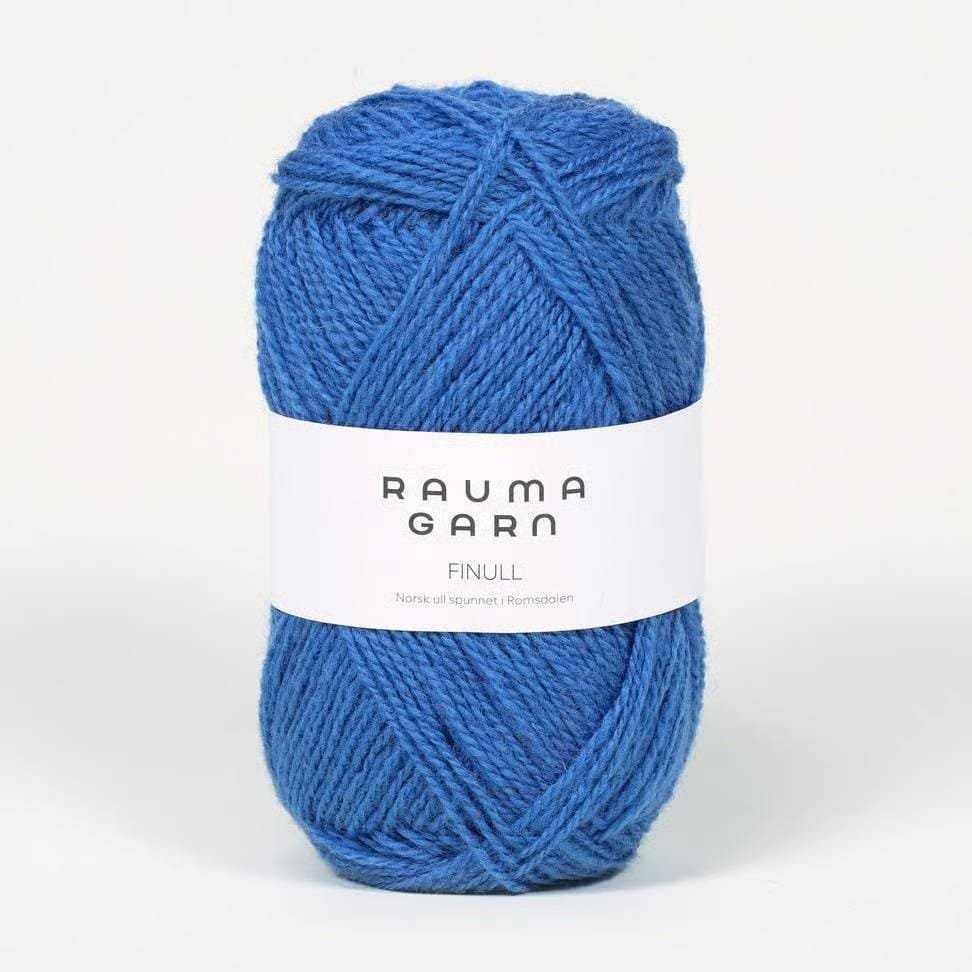
Felting yarn: which wool to choose and why
Felting projects most often use animal fibre that has not been treated to resist felting. Moisture, heat and friction cause the fibres to interlock, making the fabric denser. The final result depends on the type of wool, yarn construction, fibre content and felting method, so the word “wool” on the label alone is not enough.
Does every wool yarn felt?
No. “Superwash” wool and other washable wool treated to resist felting usually felts only slightly or not at all. Look for yarn with a high proportion of wool that has not been treated to resist felting, read the manufacturer’s information and check the other fibres in the blend.
How to plan a felted project
Knit and felt a swatch using the same method you intend to use for the finished item. Shrinkage and surface density can vary noticeably even between yarns with similar fibre content. Chunky yarn can be suitable for bags, slippers, baskets and decorative pieces, but calculate the starting dimensions only after measuring the felted swatch.
What should you check before felting?
Record the original swatch dimensions, water temperature and processing time, then measure it again after felting. This helps you plan the proportions of the finished item more accurately. Always follow the specific product label, because colour, treatment and the complete fibre blend may also affect the result.