Silk yarn












Bertagna Filati by Arvier PRESTIGE (super baby alpaca, superfine merino, silk)
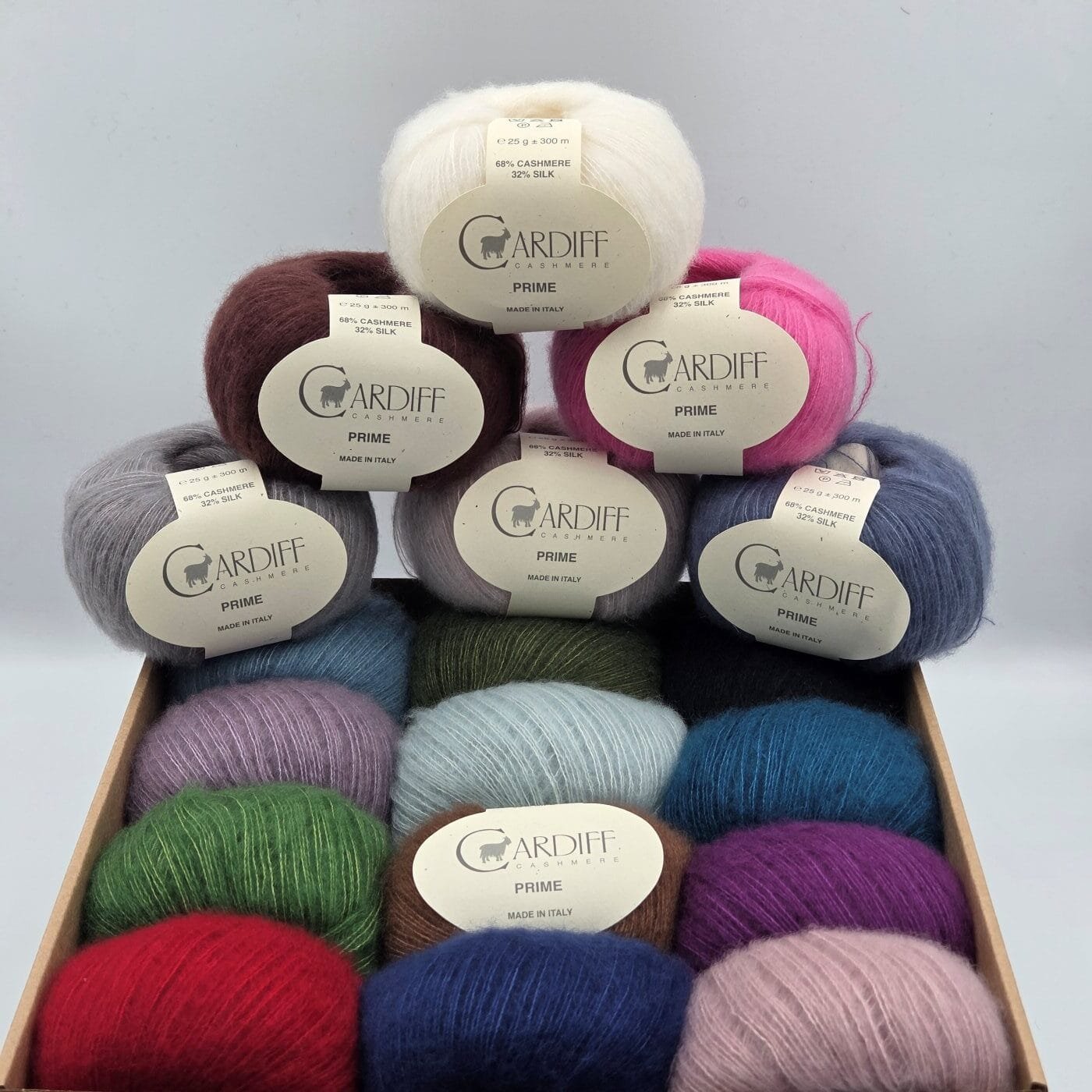
Cardiff Cashmere PRIME cashmere and silk yarn
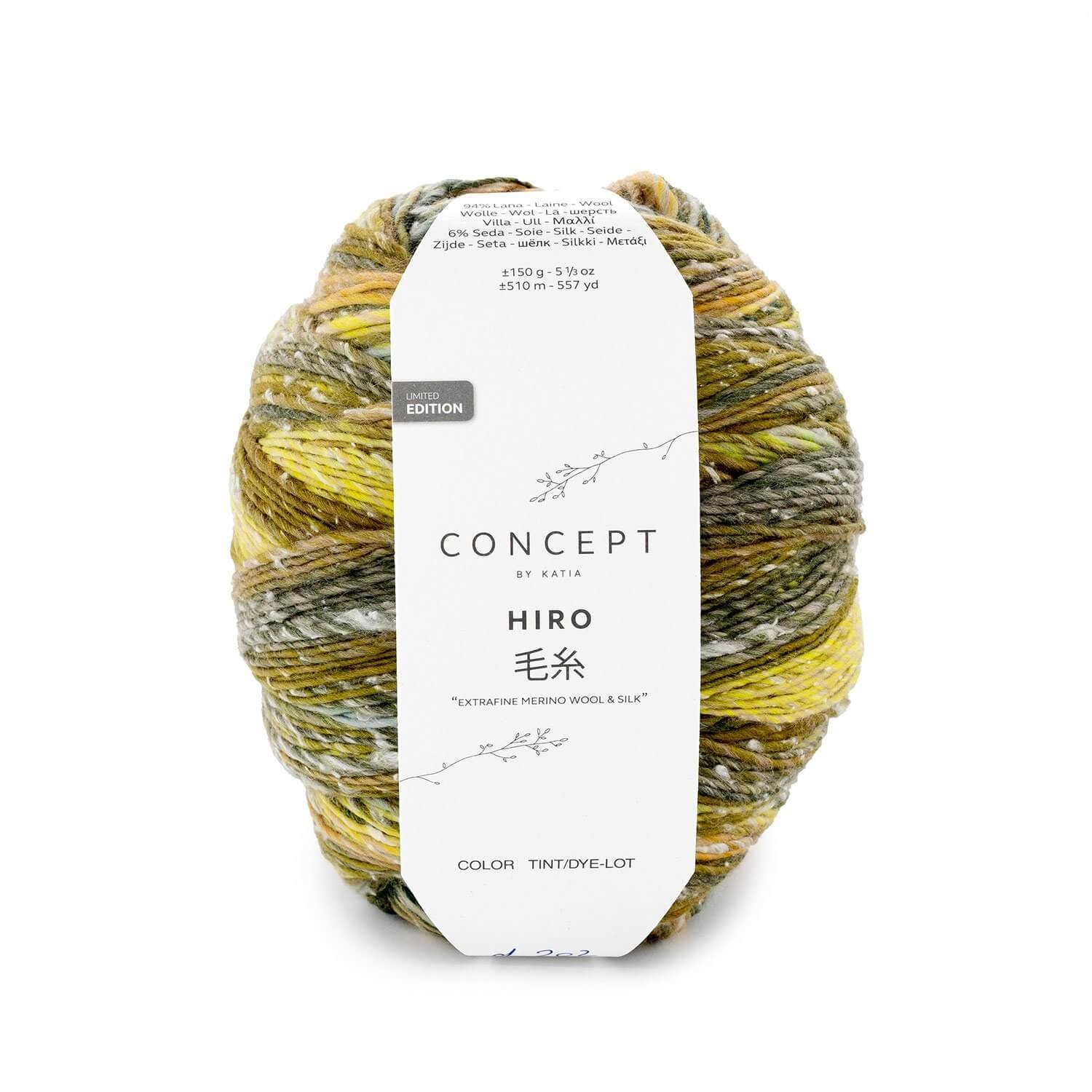
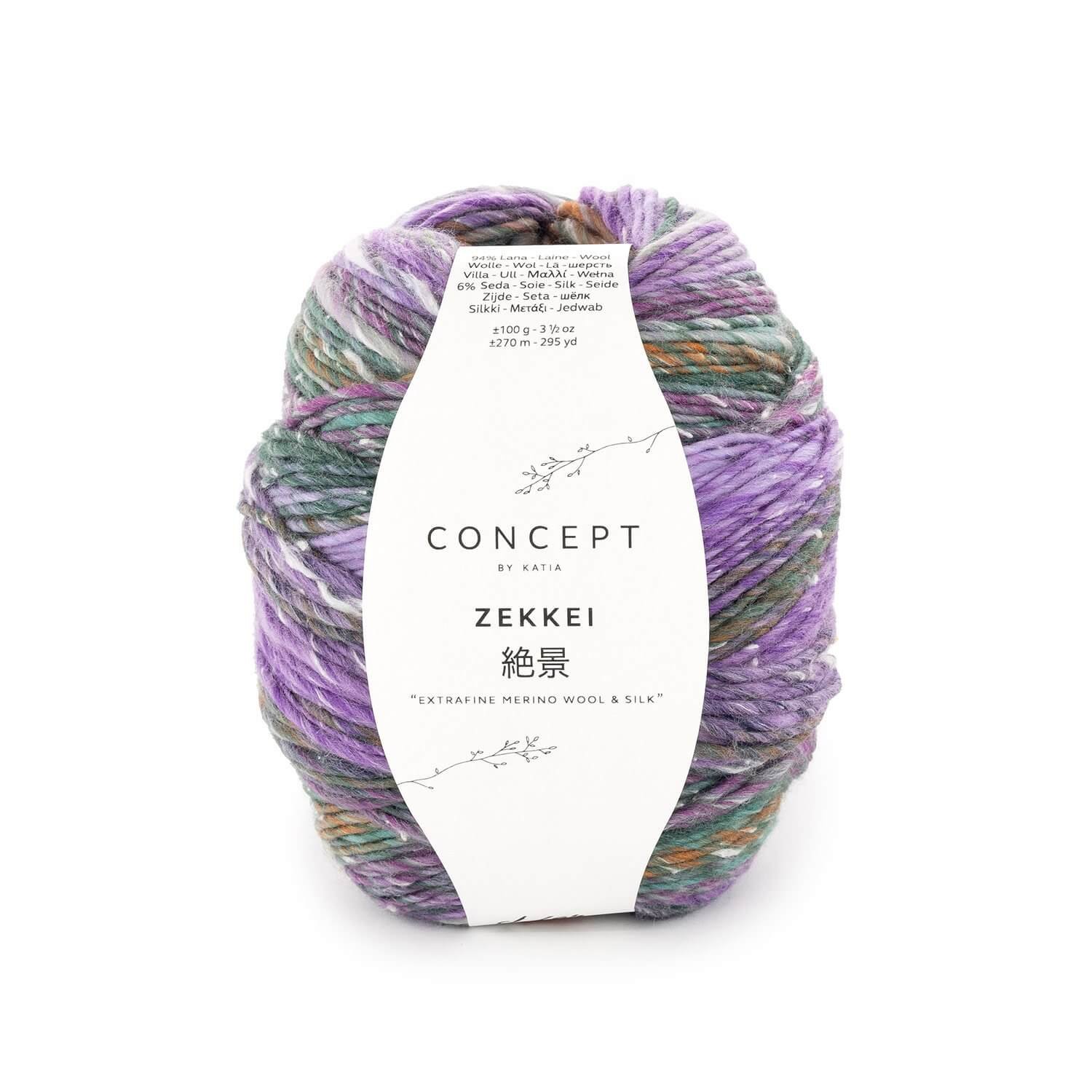
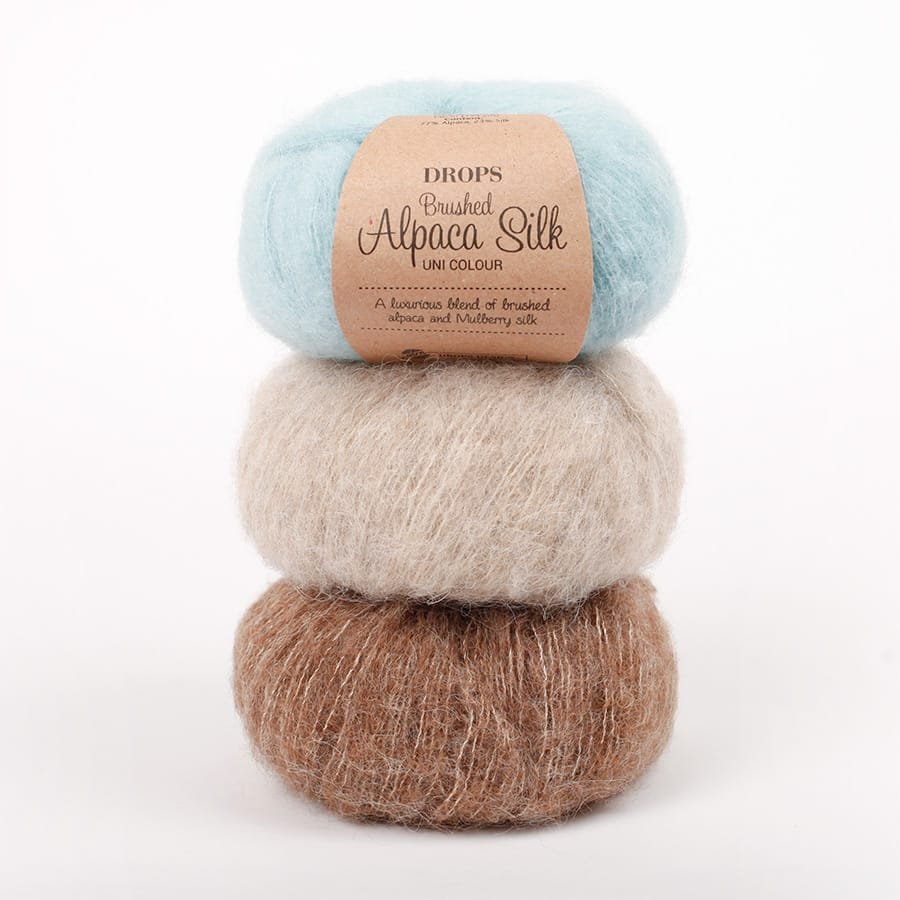
DROPS BRUSHED ALPACA SILK (alpaca, silk)
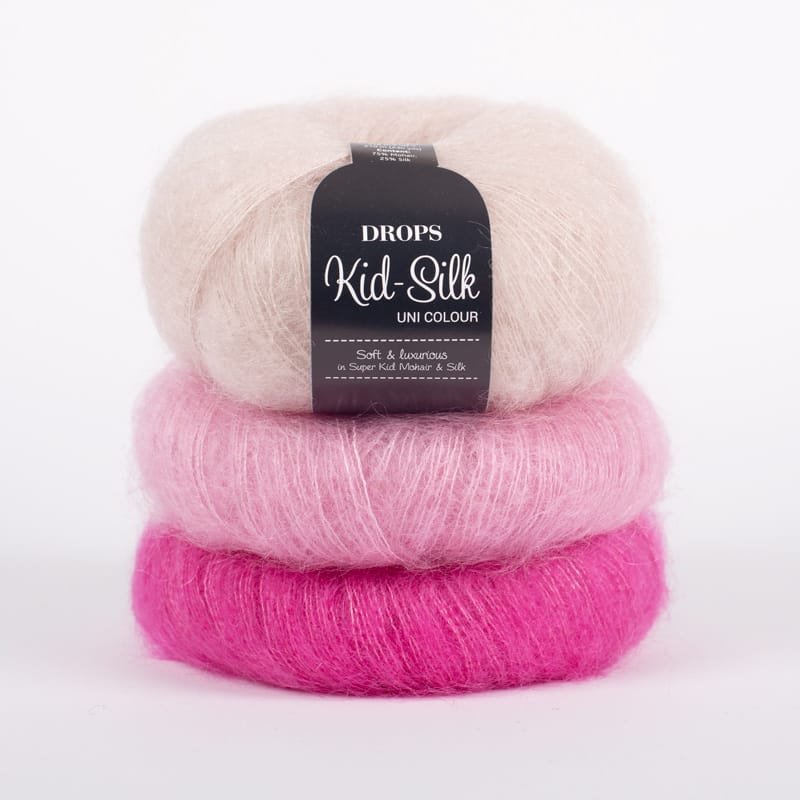
DROPS KID-SILK (mohair, silk)
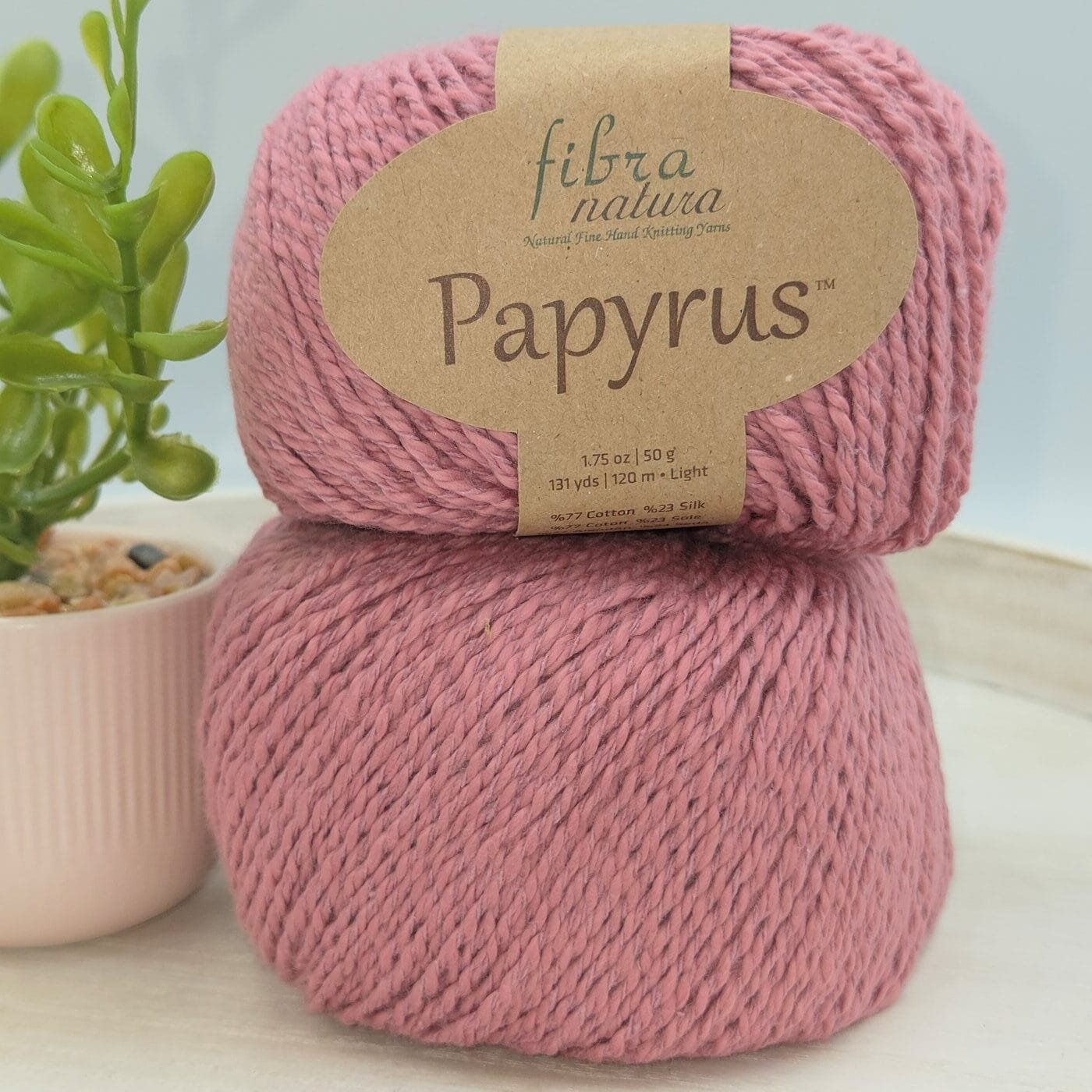
Fibra Natura PAPYRUS (cotton, silk)
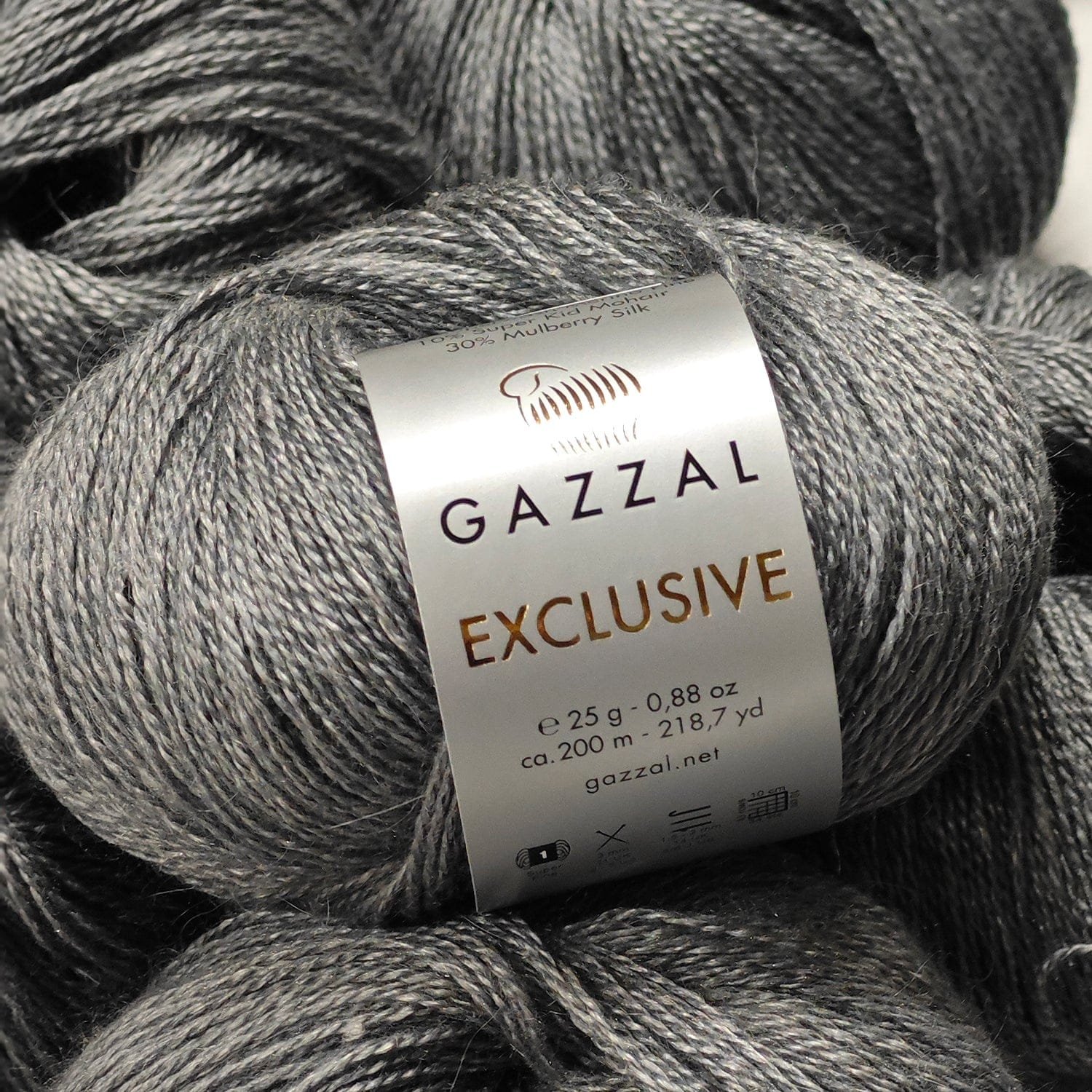

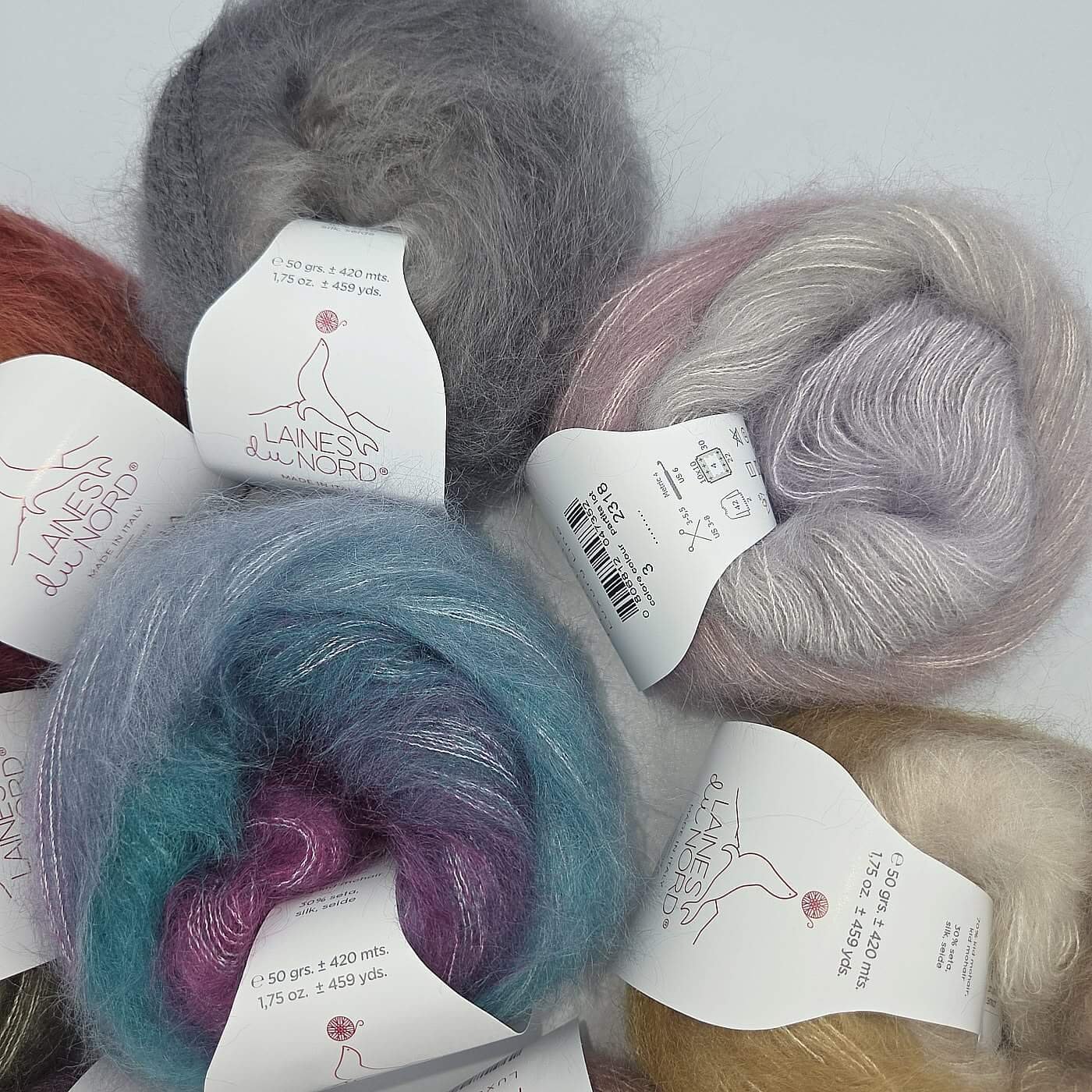
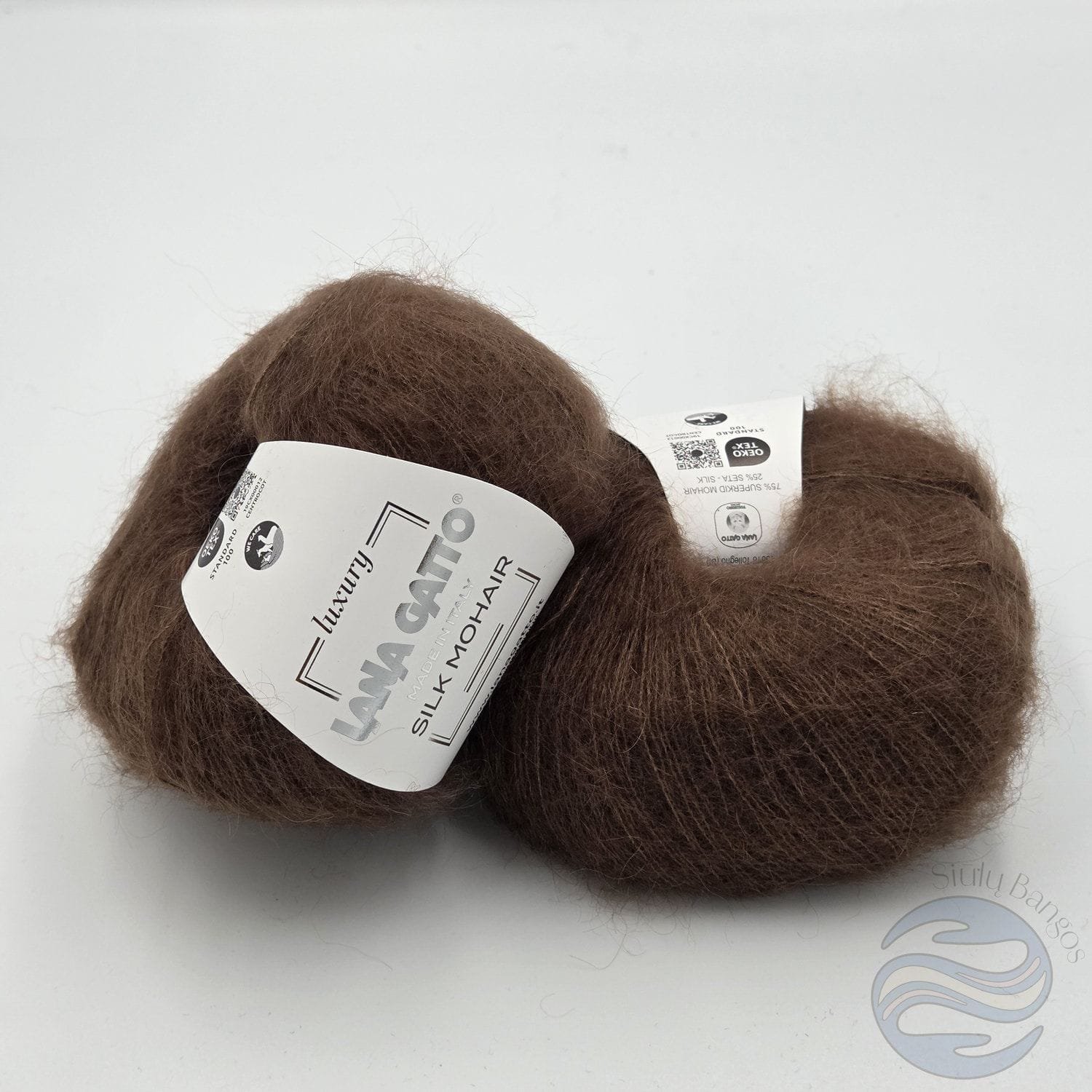
Lana Gatto SILK MOHAIR (mohair, silk)

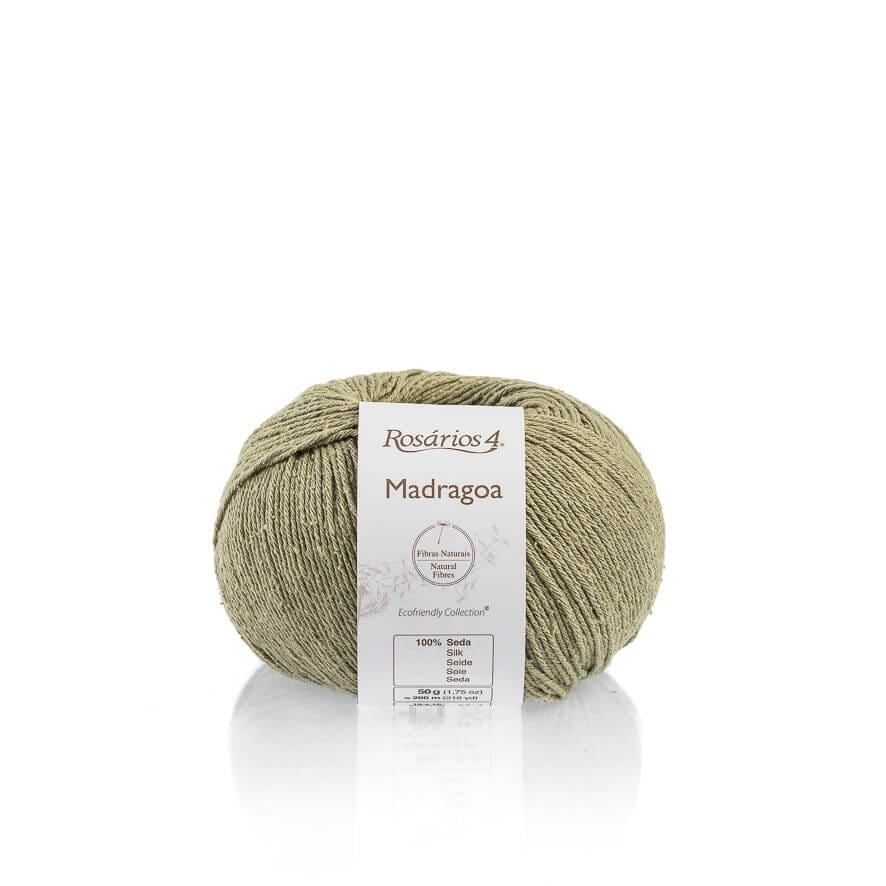
Silk yarn for knitting and crochet: how to choose
Silk yarn is valued for a smooth surface, natural lustre and elegant drape. Silk is a protein fibre obtained from silkworm cocoons, but the final yarn properties depend on more than silk content. Spinning, twist, thickness and blends determine whether the fabric is light and fluid or warmer, more elastic and loftier.
The category can include both 100% silk and blends with merino wool, mohair, cotton or other fibres. Pure silk suits projects where lustre and drape matter, but it is generally less elastic than wool. Blends combine silk's appearance with added warmth, loft, strength or easier care.
100% silk or a silk blend?
Choose according to the result you want. 100% silk best displays a sleek surface and refined drape, making it suitable for tops, shawls, light sweaters and special details. Pure silk fabric can be heavier, more slippery and less elastic, so a washed gauge swatch is especially important before a larger project.
A silk and merino blend usually adds elasticity and warmth. Mohair blends are light and fluffy and can be worked as one or several strands. Silk with cotton is often chosen for summer garments when a smooth, cooler feel and less wool elasticity are preferred. Compare merino wool and mohair yarns separately to understand what each fibre contributes.
Which projects suit silk yarn?
- Light garments. Tops, cardigans and fine sweaters can drape beautifully, but the construction should account for lower yarn elasticity.
- Shawls and scarves. Silk lustre and drape highlight lace, while mohair blends add a light halo.
- Occasion details. Silk yarn works for edgings, lace, inserts and other accents that benefit from subtle shine.
- Crochet. A smooth yarn can show stitches clearly, but slipperiness and weight vary by composition. Avoid excessively dense crochet for garments.
- Several strands. A fine silk and mohair blend can be held with another yarn to change colour depth, surface and warmth.
How to assess thickness, yarn length and quantity
Ball weight alone is not enough: 25, 50 or 100 grams of silk yarn can contain very different lengths. Compare metres, recommended tool size and manufacturer gauge. Calculate the quantity from pattern dimensions, your gauge and the exact yarn length. For several colours, check the dye lot.
Fabric containing silk can stretch more and drape more freely after washing. Knit the swatch, then wash and dry it as you will care for the finished item before measuring stitches and rows. Choose knitting needles and crochet hooks for the fabric density you want, not only the size printed on the label.
Caring for silk yarn
Always follow the exact manufacturer label. Unless stated otherwise, cool water, gentle washing and a detergent for delicate fibres are safest. Do not rub, wring or hang the wet item, because it may stretch. Remove excess water carefully, shape to measurements and dry flat away from direct heat and strong sunlight.
How to choose online
Review the full composition, product images, yarn length, recommended gauge and care instructions. The word silk does not reveal its percentage in a blend, so compare proportions and the role of the other fibres. If next-to-skin feel matters, assess the exact yarn individually because similar composition does not always mean equal softness. More alternatives are available in our knitting and crochet yarn category.