Linen yarn
Brand name





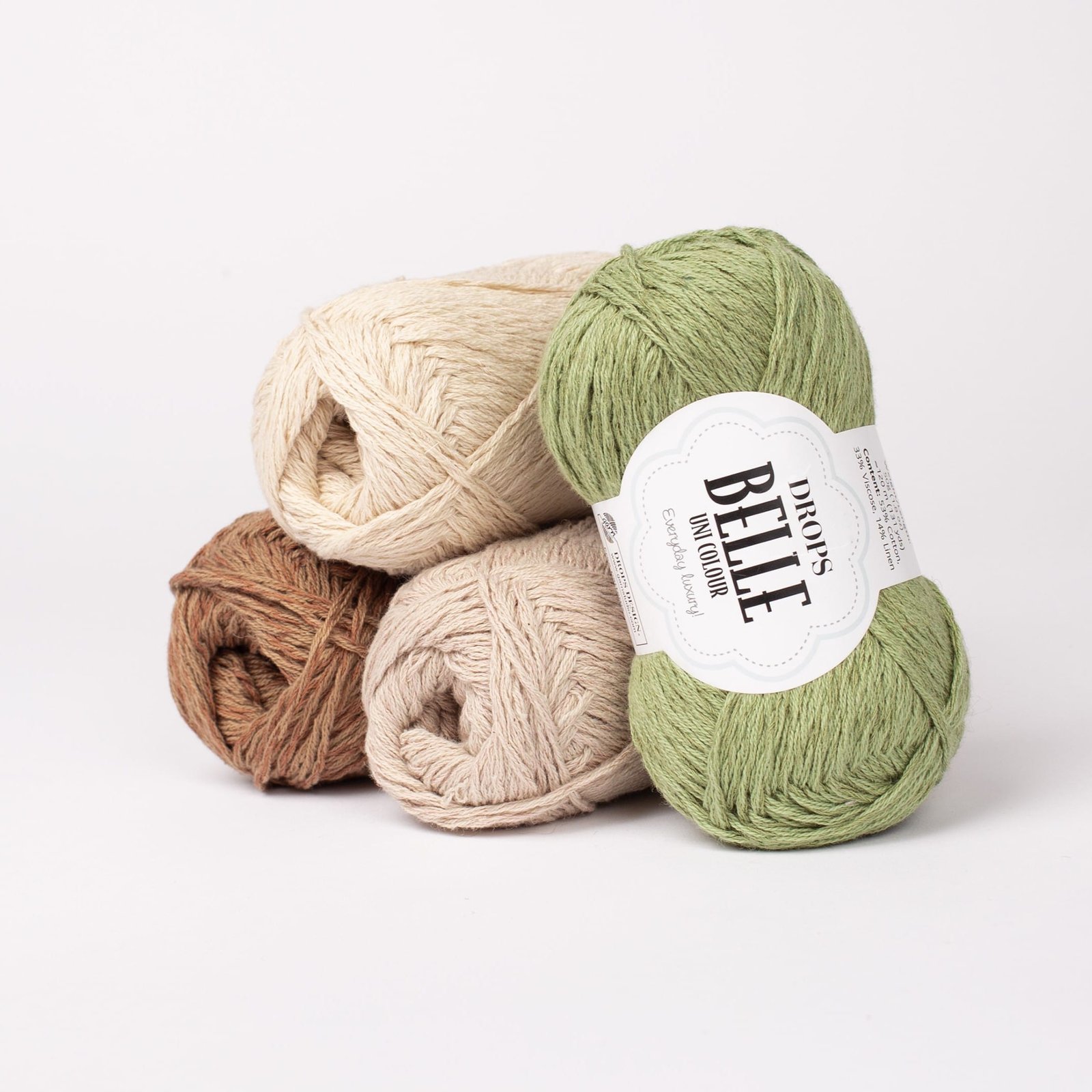
DROPS BELLE (cotton, viscose, linen)
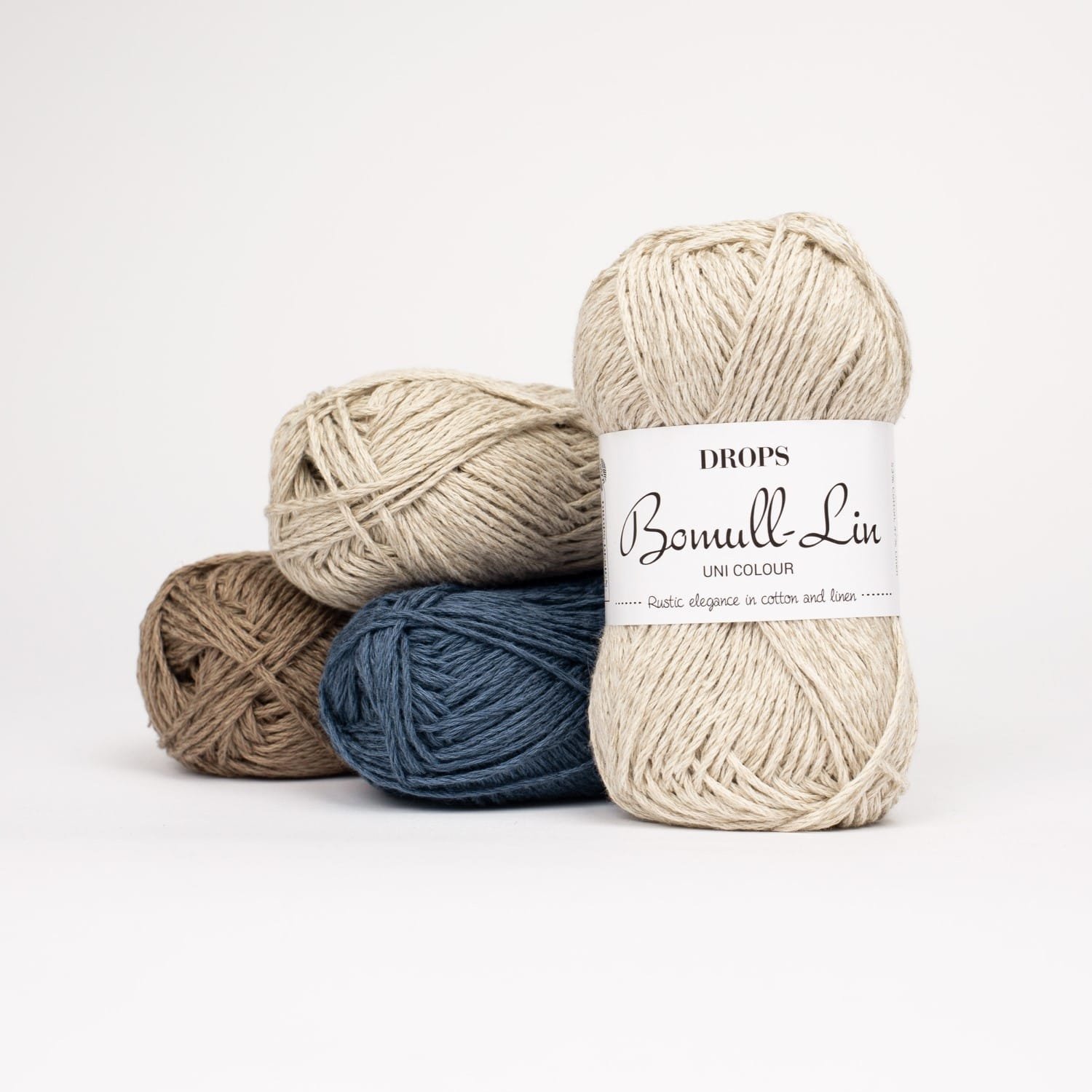
DROPS BOMULL-LIN (cotton, linen)

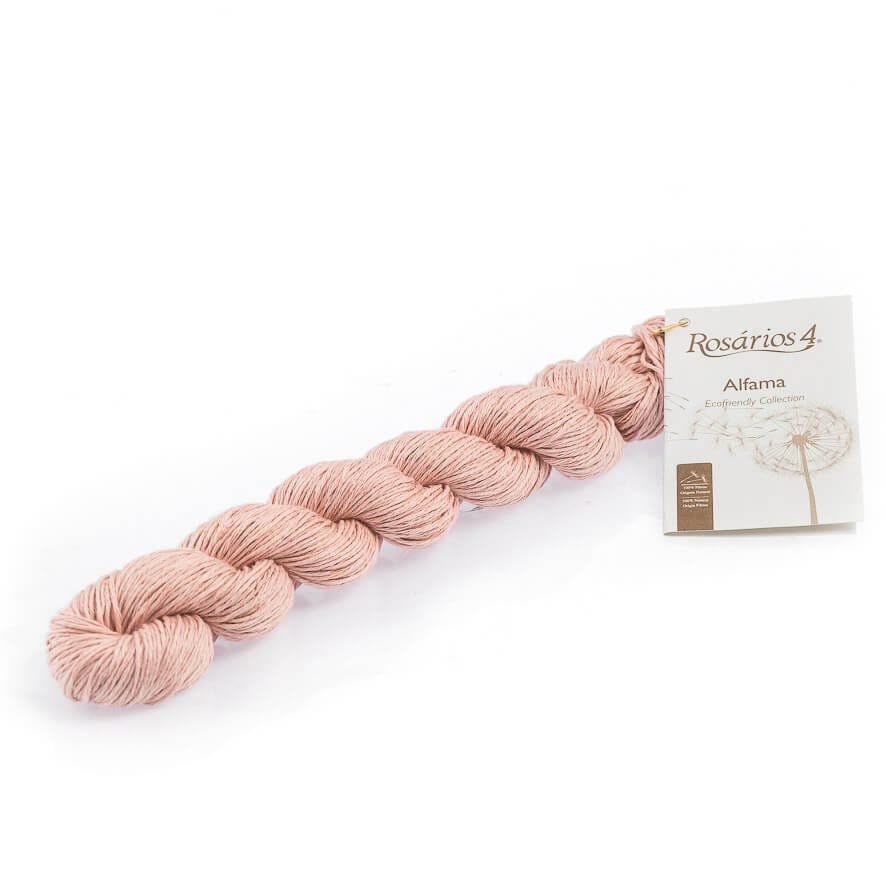
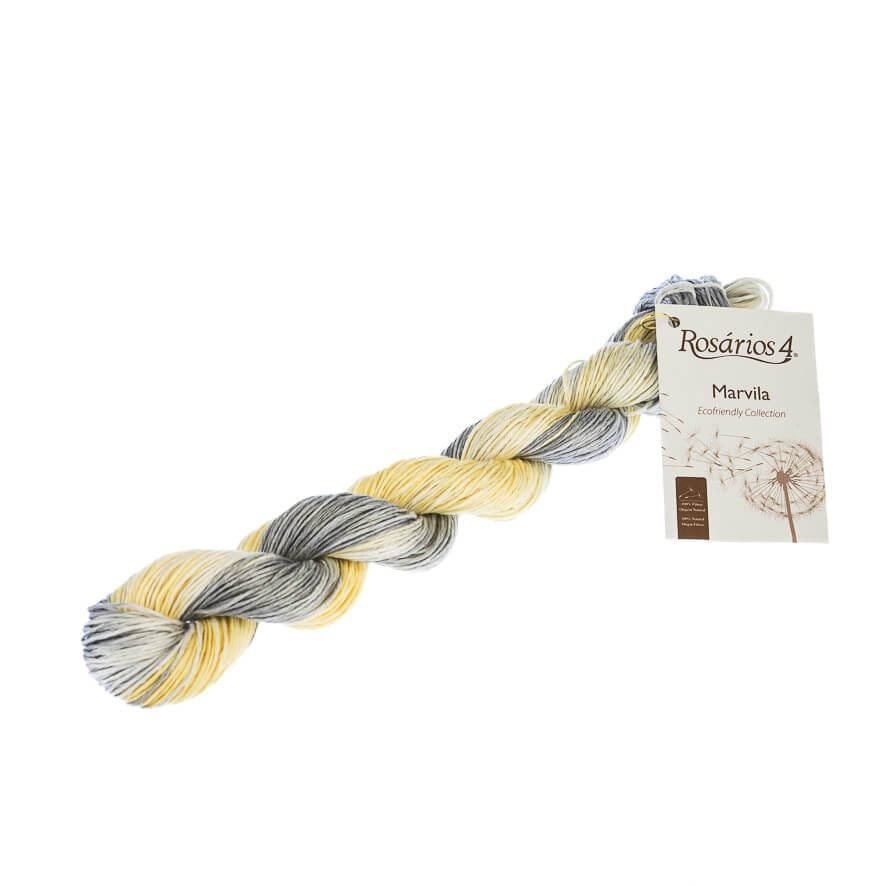
Linen yarn for knitting and crochet: how to choose
Linen yarn is made from fibres found in the stems of the flax plant. It is valued for strength, breathability and a natural surface. A new linen yarn may feel firmer or drier, but the fabric often becomes softer with wear and washing.
Linen has little natural elasticity, so it behaves differently from wool when knitted or crocheted. It shows uneven tension clearly and can create a fluid drape. A washed gauge swatch is therefore especially important.
100% linen or a linen blend?
Pure linen shows the fibre's characteristic texture, strength and natural drape most clearly. It suits summer tops, dresses, lightweight sweaters, shawls, bags and home textiles. Because pure linen may feel firm at first, judge it from a washed swatch rather than from the ball alone.
A blend with cotton may feel softer and easier to handle. Viscose or lyocell can add smoothness and freer drape, while silk may contribute lustre. Wool can add warmth and elasticity. Always check the percentages and the manufacturer's description.
Which projects suit linen yarn?
- Summer garments. Linen works for tops, light cardigans, dresses and relaxed sweaters with an airy drape.
- Crochet. Its clear texture suits openwork, table linen, bags and décor. Fabric worked too tightly may feel stiff, so confirm the hook size with a swatch.
- Shawls and accessories. Fine linen creates light fabric, although edges may need careful finishing because of the lower elasticity.
- Home textiles. Stronger yarns can suit placemats, napkins and decorative details when recommended for that use.
- Trans-seasonal garments. Linen blends with wool or other fibres are not limited to summer; assess the whole composition and fabric density.
How to choose weight, length and quantity
Linen yarns of the same ball weight can contain very different lengths. A finer yarn works for lightweight garments and openwork, while a thicker yarn suits bags, interior accessories or a more pronounced texture. Calculate quantity from the project's measurements, the length of the chosen yarn and your swatch. For a larger project, buy balls from the same dye lot.
Linen fabric can become heavier and stretch, so wash and dry the swatch before measuring it. This is particularly important for longer garments. The label's tool size is only a starting point; choose suitable knitting needles and crochet hooks according to the drape and density you want.
Knitting and crochet tips
Because linen is less elastic, working very tight stitches for a long time can be tiring. Avoid holding the yarn too firmly and inspect the fabric regularly. Smooth needles help the yarn move freely, while tools with slightly more grip can make a slippery blend easier to control. For crochet, choose a hook that does not split the strands; current options are available in the crochet hooks category.
Natural texture and creasing
Linen fabric naturally creases and may have slight variations in texture. This is part of the fibre's character. If you prefer a smoother surface and softer drape, consider a linen blend or yarn with a smoother construction.
Caring for linen projects
Follow the label of the specific yarn because finishes and blends vary. Unless instructed otherwise, avoid sudden temperature changes, vigorous spinning and hanging the project while wet. Shape the damp item to its measurements and dry it as recommended. Linen's surface and softness may continue to change after washing, so test a swatch first.
Compare linen with other fibres in our main yarn for knitting and crochet category. Choose by project purpose, desired drape, yarn length, care requirements and whether the fibre's lower elasticity suits the result you want.