Polyester








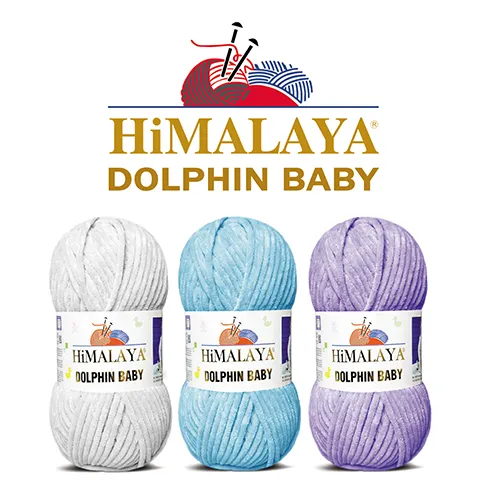
Himalaya DOLPHIN BABY (plush yarn)

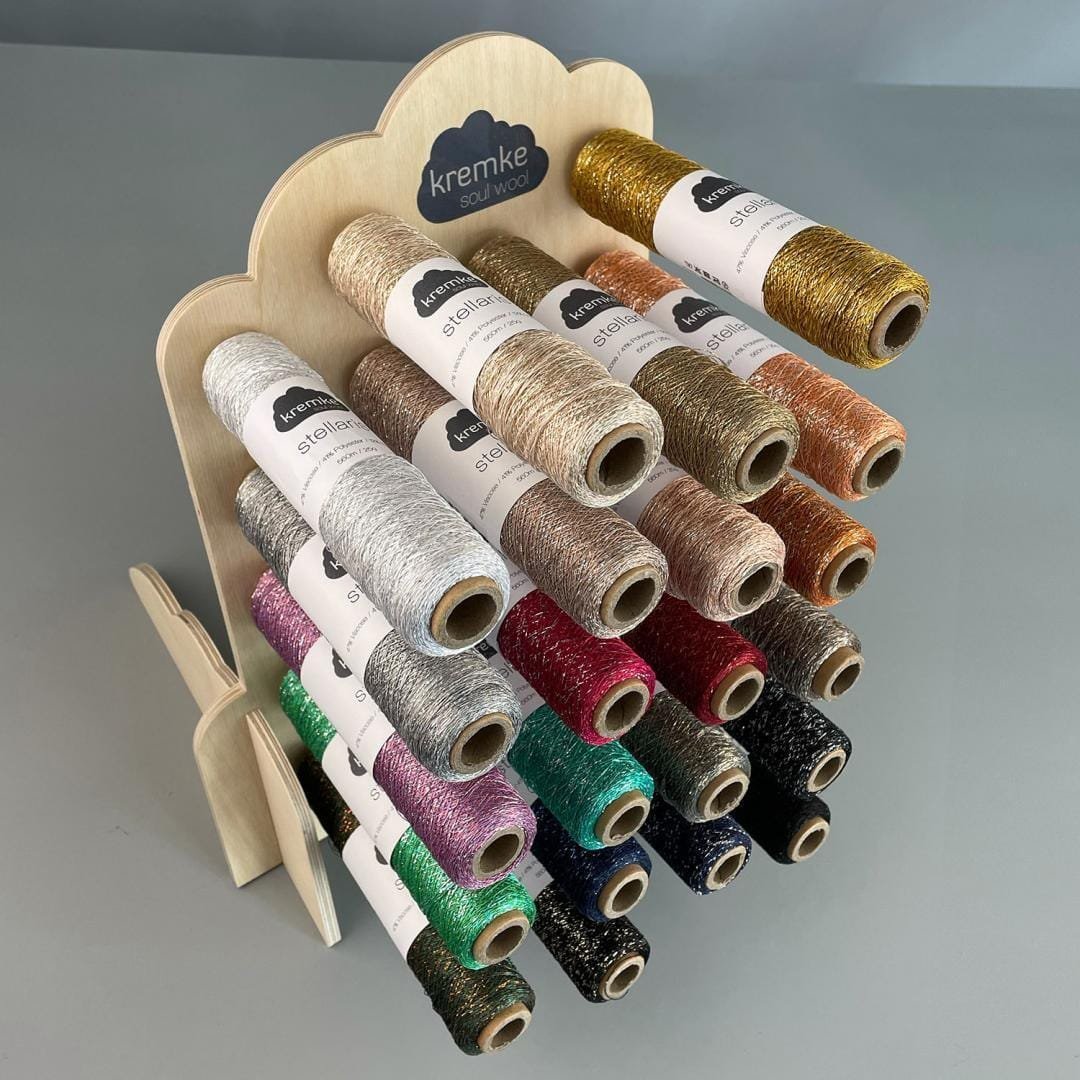
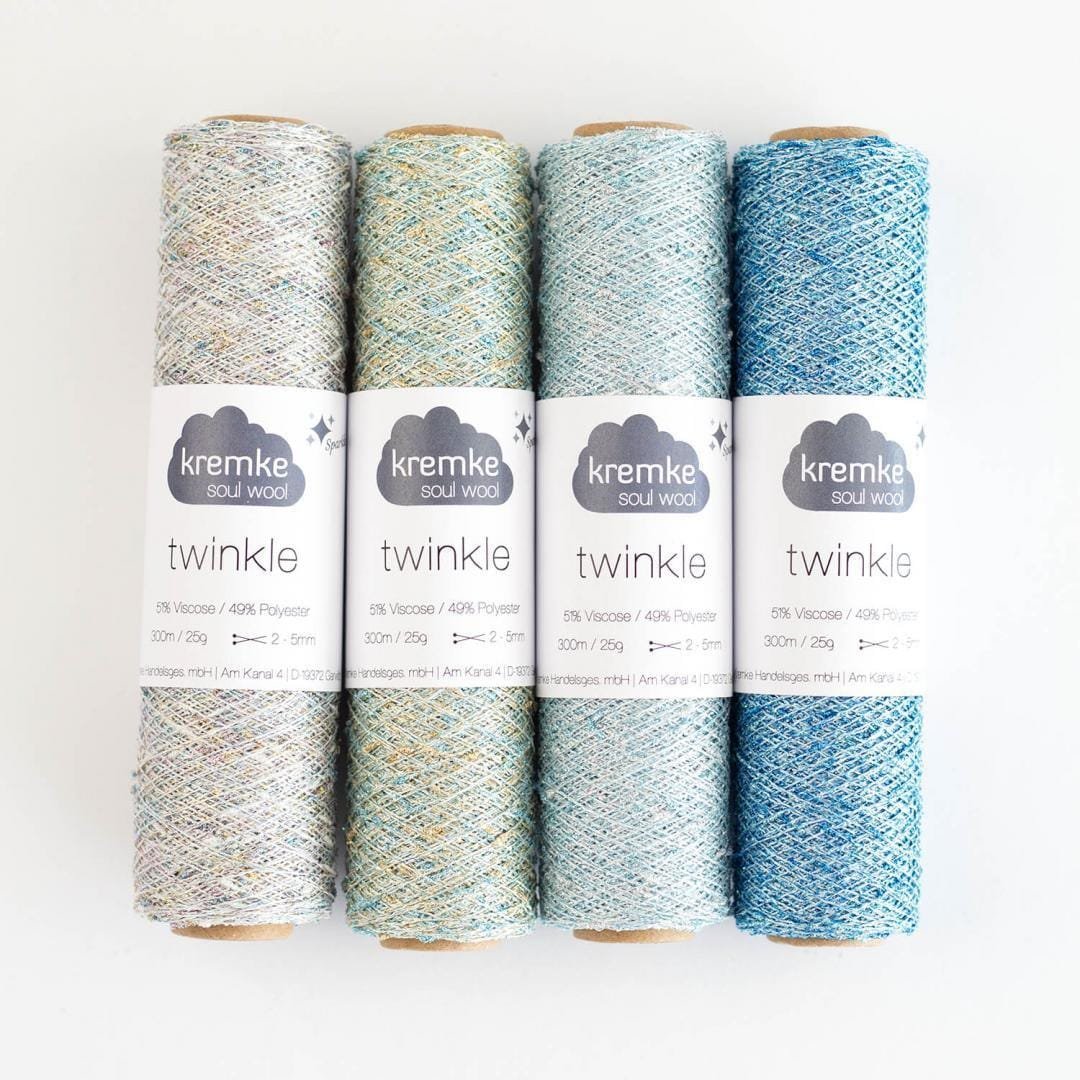
Kremke STELLARIS – shimmering companion yarn (viscose, polyester, metallic fibre)

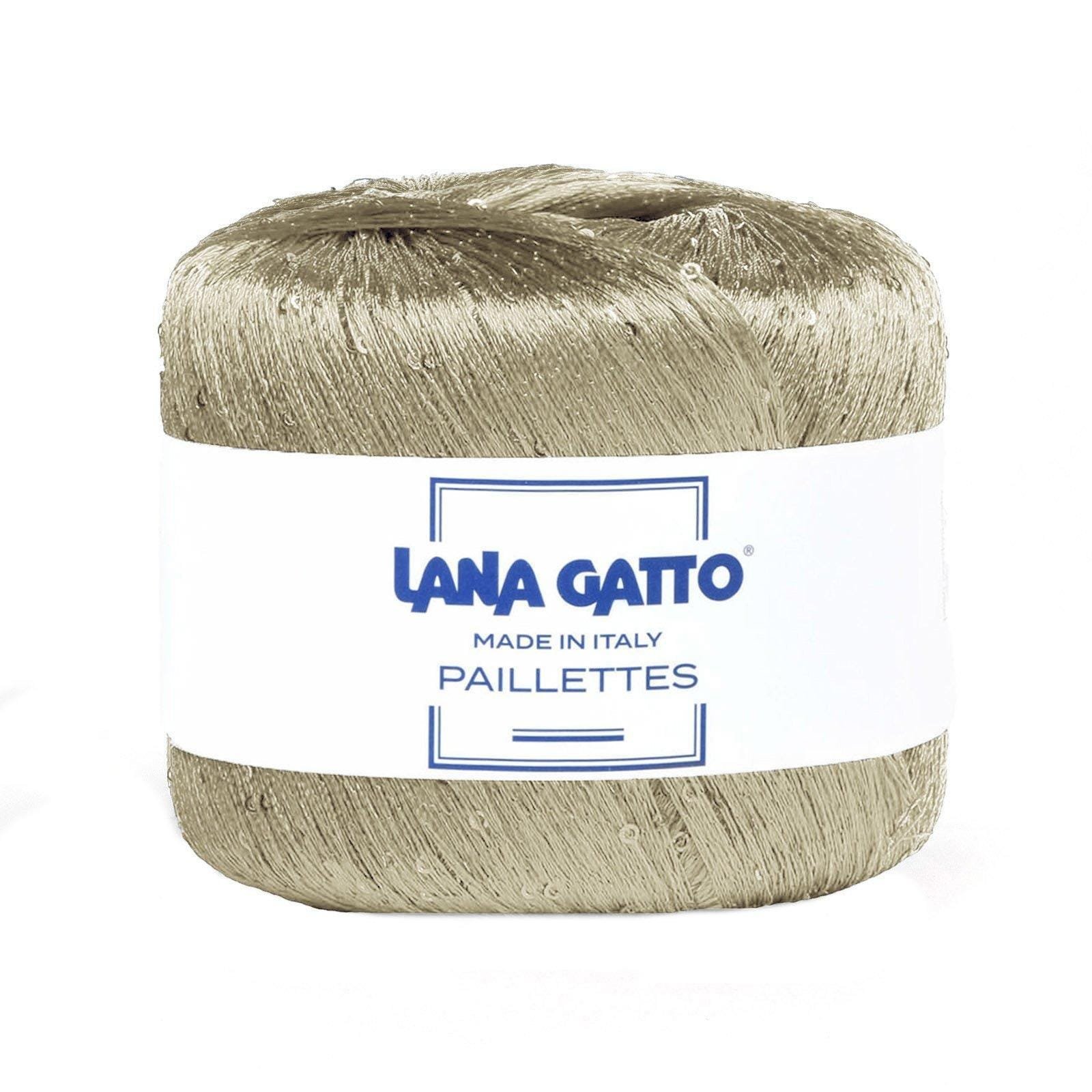
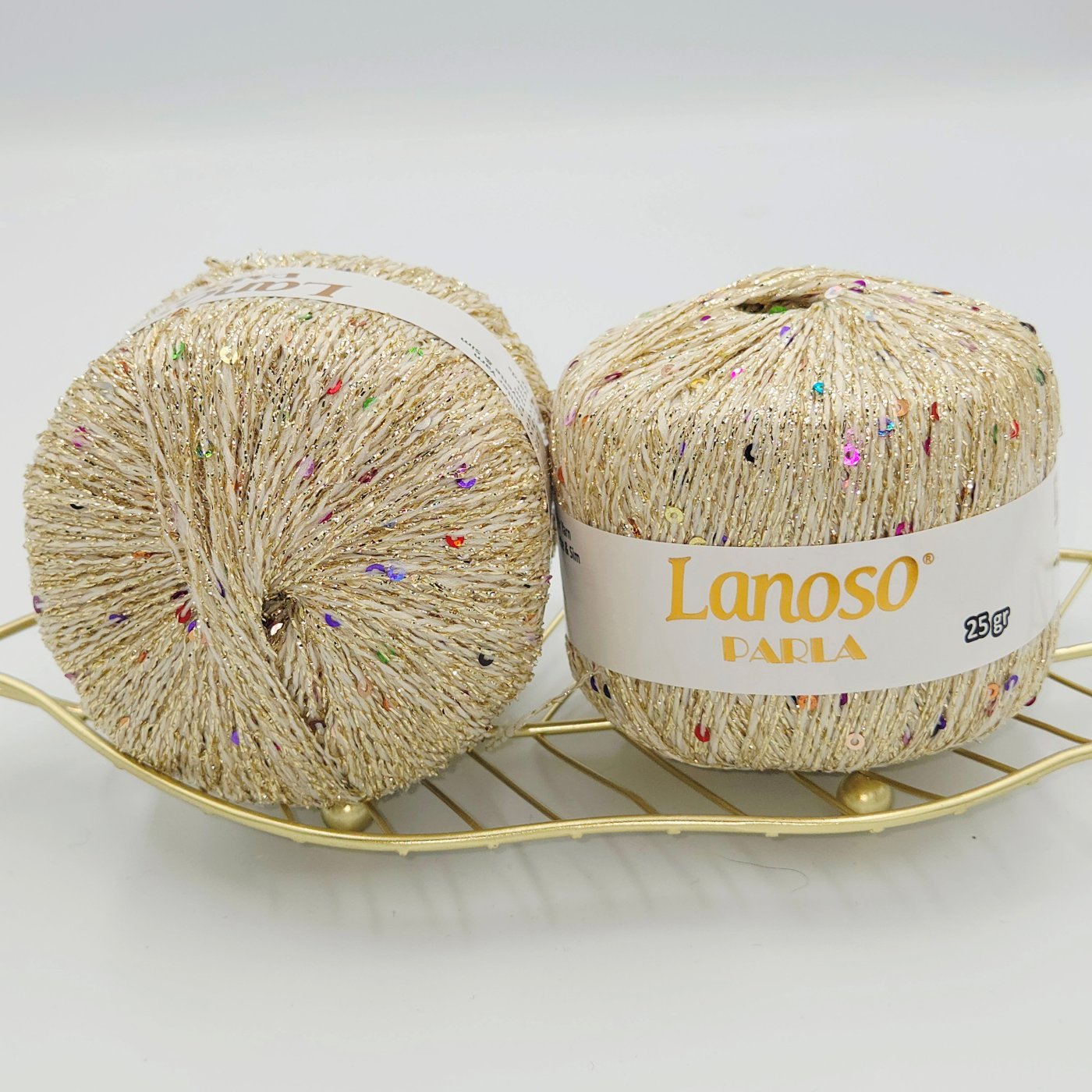
Lana Gatto PAILLETTES (100% polyester)


Tropical Lane EXTREME – extra-thick faux fur yarn


Polyester yarn for knitting, crochet and decorative projects
Polyester yarn covers a broad group of synthetic yarns, so fibre name alone does not reveal how a yarn will look or behave. Polyester may have a soft plush surface, be smooth, fluffy, very thick or appear as a shiny decorative thread. It is also often blended with wool, viscose, cotton or other synthetic fibres. Assess the percentages, construction, yarn length, recommended tools and intended project.
Which projects suit polyester yarn?
Plush polyester yarn is often chosen for toys, soft accessories, cushions and blankets. Thick faux-fur yarn can suit bags, decorative details and smaller interior projects. Fine metallic or sequinned threads are used as accents: work them alone or hold them with another yarn for a subtle shimmer. Explore shiny yarn and chunky yarnswhen appearance or volume is the starting point for your project.
How do yarns in this category differ?
This category contains yarns for very different purposes. Himalaya DOLPHIN BABY-type chenille yarn focuses on a soft plush surface, while Lana Gatto PAILLETTES, Kremke STELLARIS, Laines du Nord ARME and YarnArt GALASSIA provide decorative shine and texture. Tropical Lane EXTREME represents exceptionally thick faux-fur yarn. These examples show why polyester yarn should not be chosen by fibre name alone. Decide whether you need a soft surface, shiny accent, firm decorative detail or a complete item, then compare the length, construction and care of individual products.
Pure polyester or a fibre blend?
The characteristics of pure polyester depend mainly on its structure: a smooth thread, chenille surface and faux-fur yarn behave very differently. In blends, polyester may help retain shape, add a decorative effect or complement another fibre. The final result still depends on the whole composition and production method. If abrasion resistance matters, compare polyamide yarn; for a lightweight everyday synthetic yarn, explore acrylic yarn. For shiny blends with a fluid drape, also consider viscose yarn.
How to choose weight and calculate quantity
Yarn weight cannot be determined reliably from ball weight alone. Compare the length per 50 or 100 grams, surface fluffiness and the manufacturer’s suggested needle or hook size. A shorter length often indicates thicker yarn, although chenille or fluffy construction may look even bulkier. Calculate quantity from the pattern’s total length, size and your gauge swatch. For a colour or texture project, buy enough from the same dye lot at once.
Needles, hooks and the gauge swatch
The tool size on the label is a starting point. A smaller hook can create denser fabric for a toy or firm detail, while a larger one makes a looser, softer fabric. Stitches may be harder to see in plush yarn, so test several sizes and a simple pattern before a larger project. For garments, blankets and accessories, wash the swatch as you plan to care for the finished item. Choose suitable needles and hooks according to the yarn label, desired gauge and your tension.
Caring for polyester projects
Polyester projects usually absorb less moisture than many natural fibres and may dry faster, but this is not identical for every blend. Match washing temperature, spinning, drying and ironing to the most delicate fibre and the label symbols. High heat can damage synthetic fibres, while intensive friction may change chenille or faux-fur surfaces. If unsure, wash a swatch first. Explore the complete selection in our yarn for knitting and crocheting category.