Wool yarn
Brand name
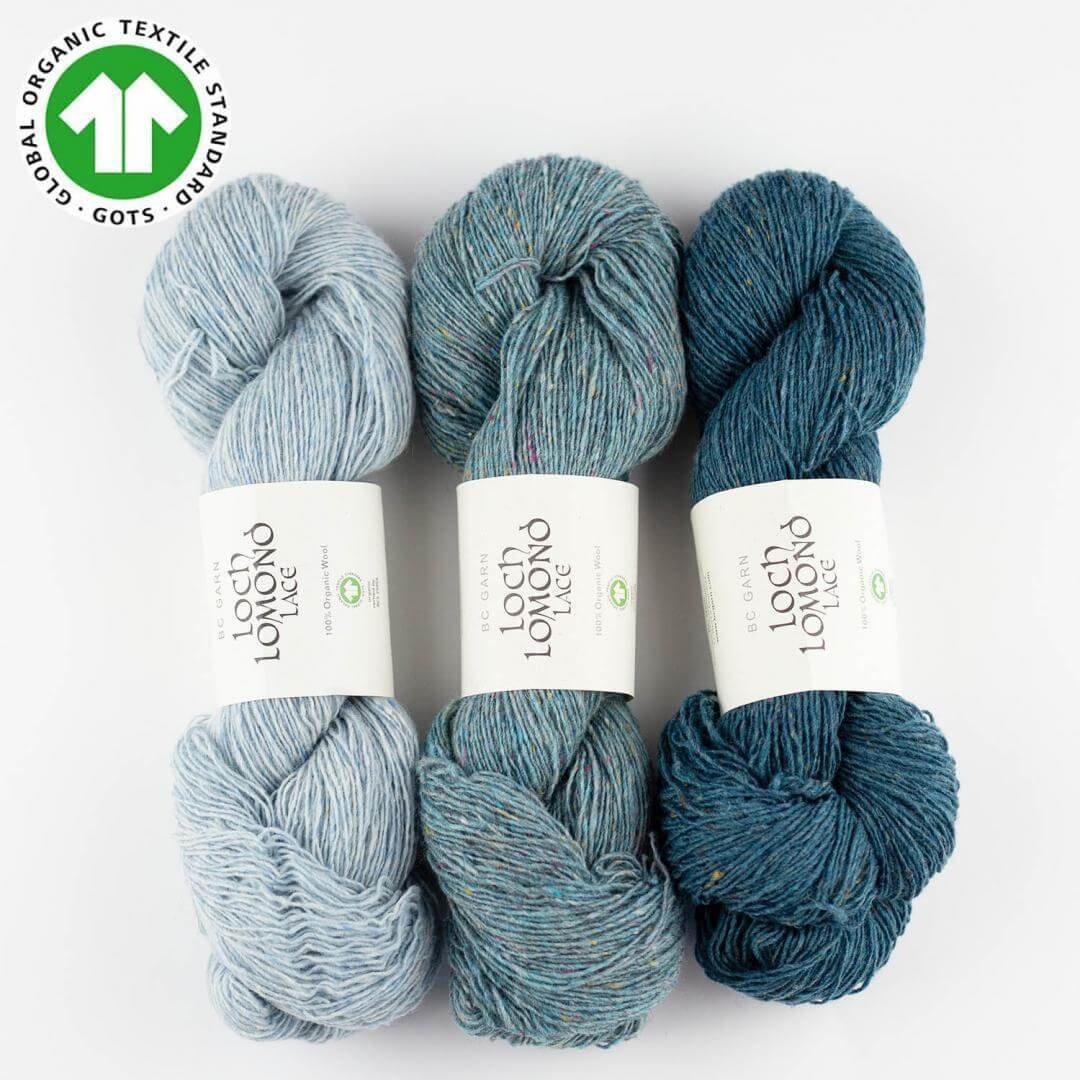
 BC GarnBC Garn 1
 Bertagna Filati by ArvierBertagna Filati by Arvier 2
 DropsDrops 14
- Etrofil 1
 HimalayaHimalaya 2
 KatiaKatia 1
 Laines Du NordLaines Du Nord 1
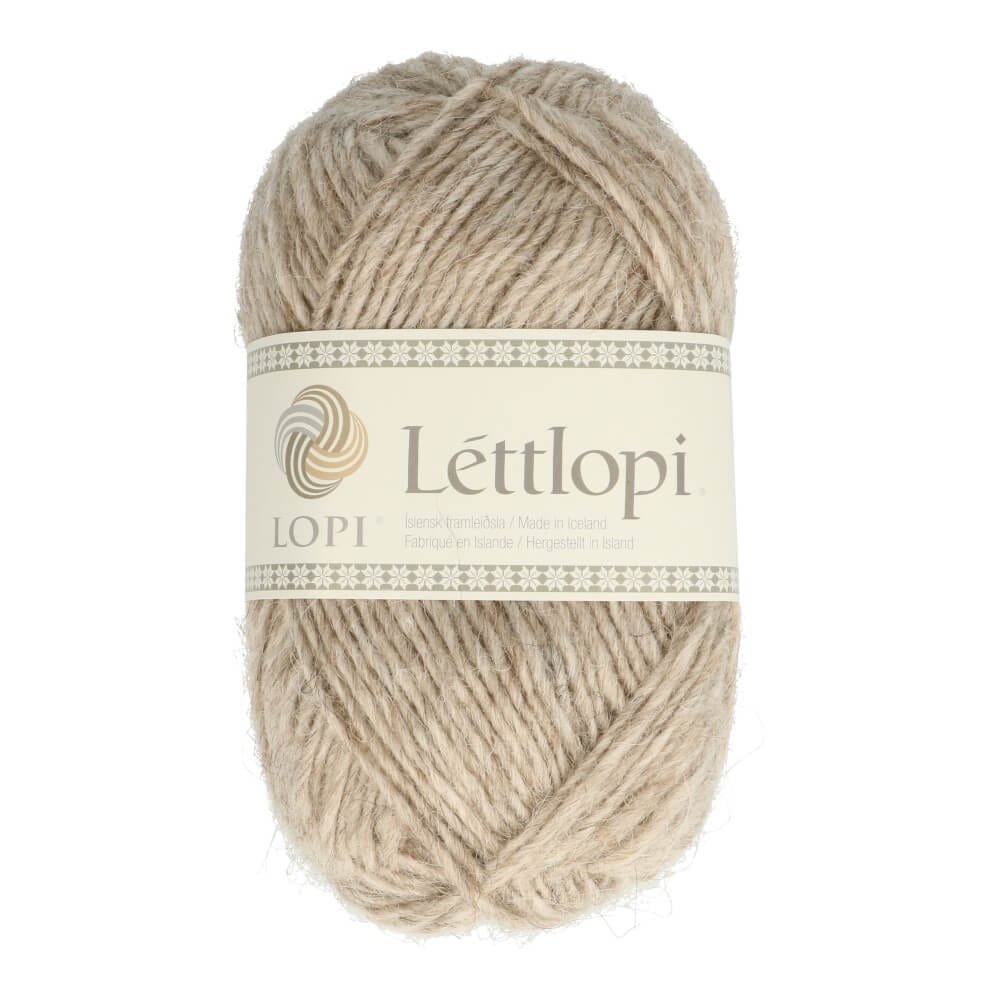
 LopiLopi 1
 OpalOpal 2
 PhildarPhildar 3
 Rauma GarnRauma Garn 3
 Rico DesignRico Design 1
 Silke by ArvierSilke by Arvier 1
 Tropical LaneTropical Lane 2
 YarnArtYarnArt 1
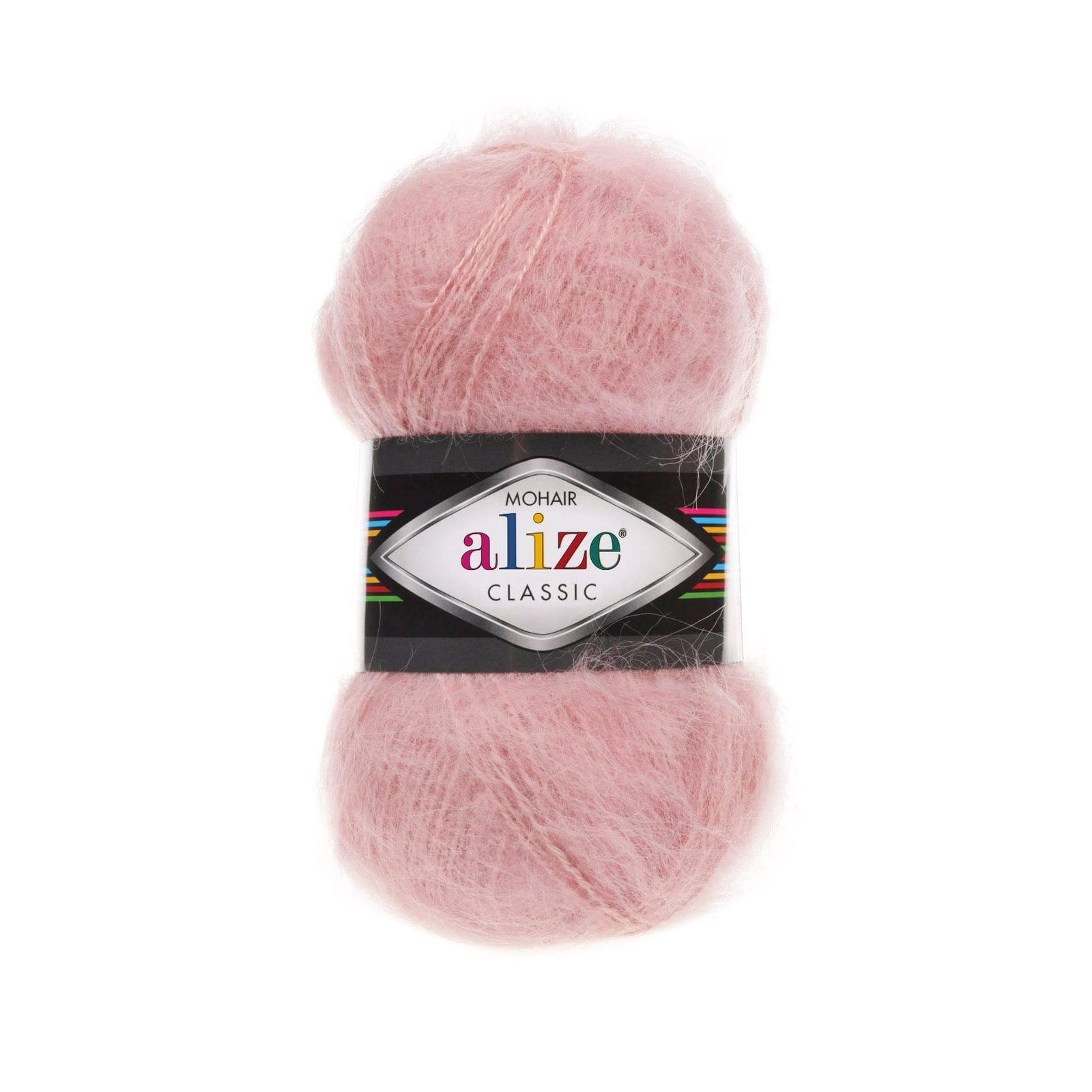
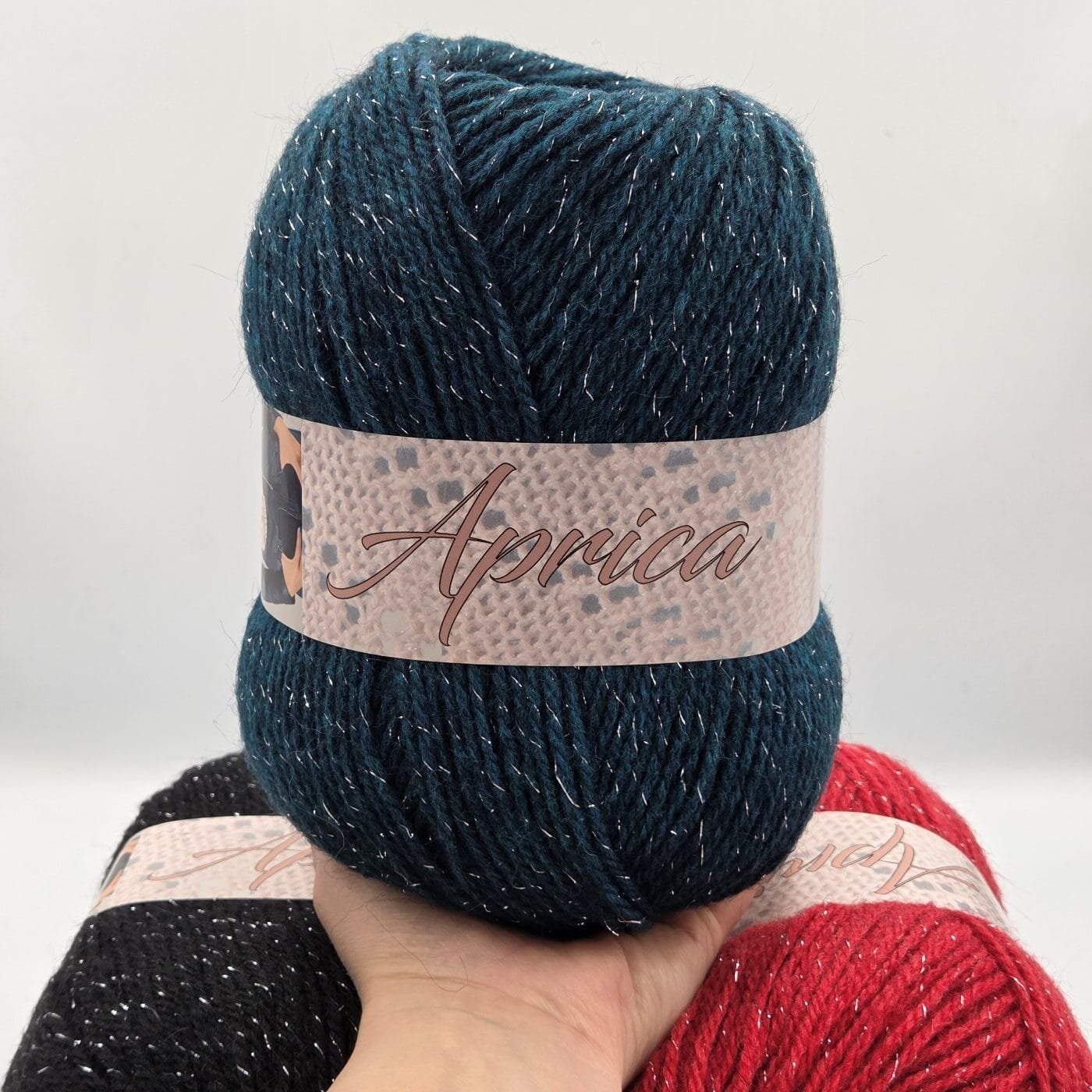

Bertagna Filati by Arvier GRINTA (wool, alpaca and acrylic)

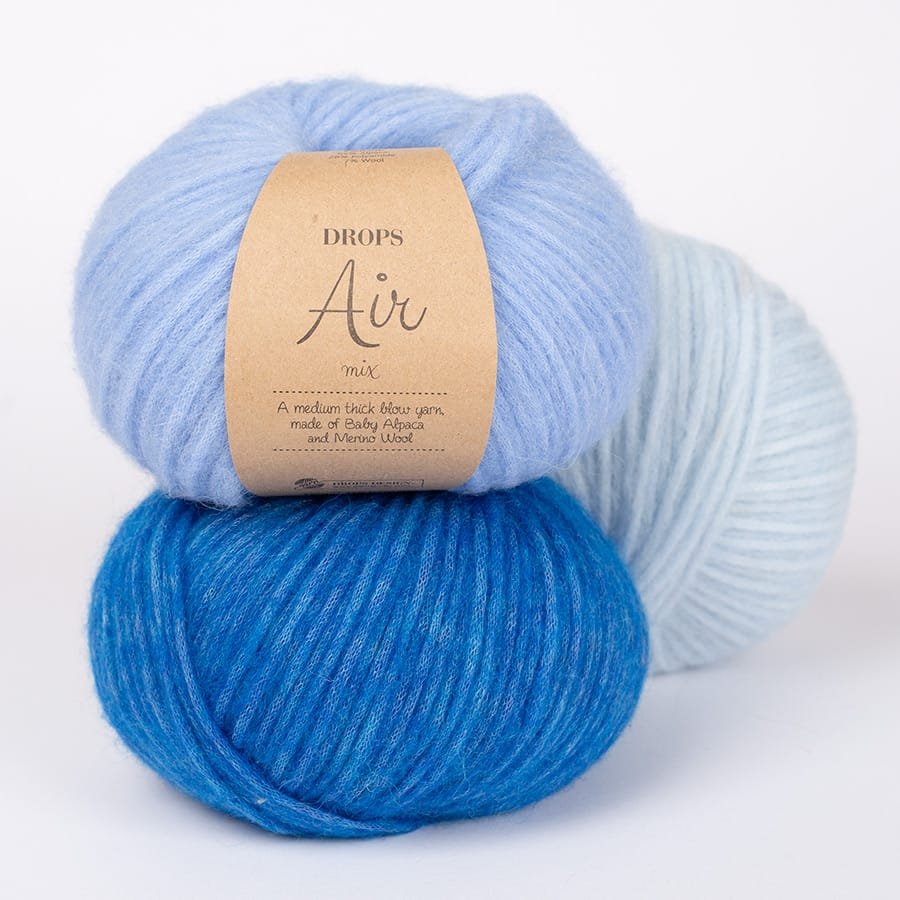
DROPS AIR (alpaca blend)
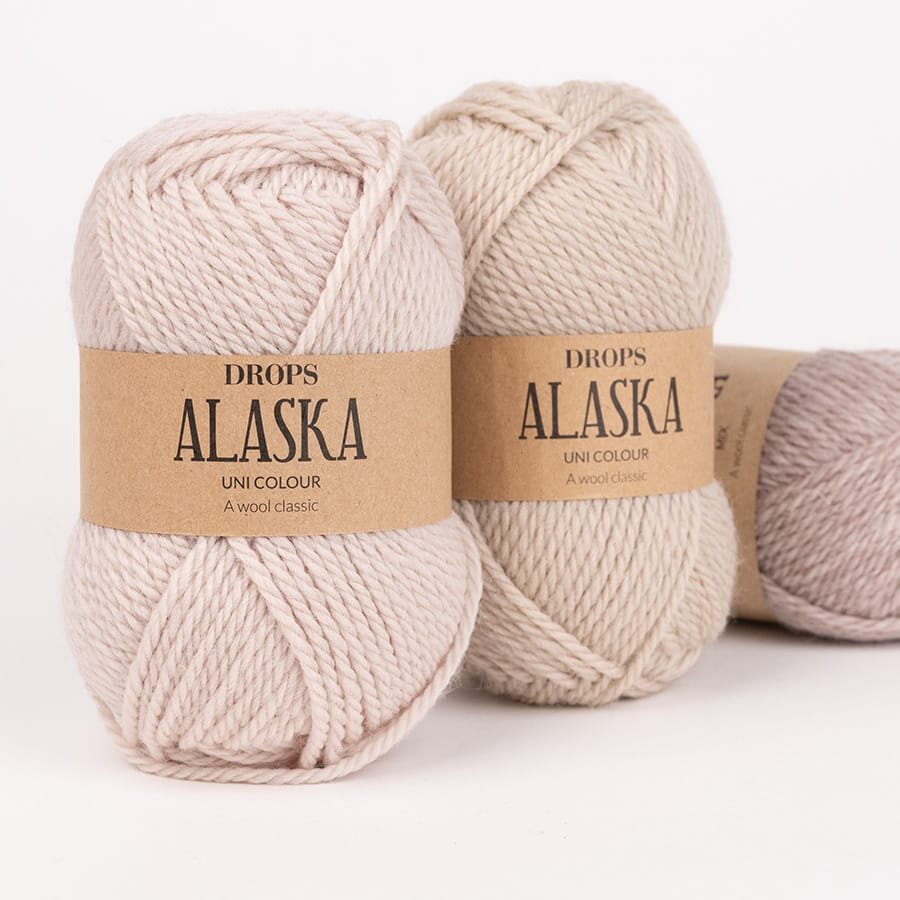
DROPS ALASKA (100% wool)
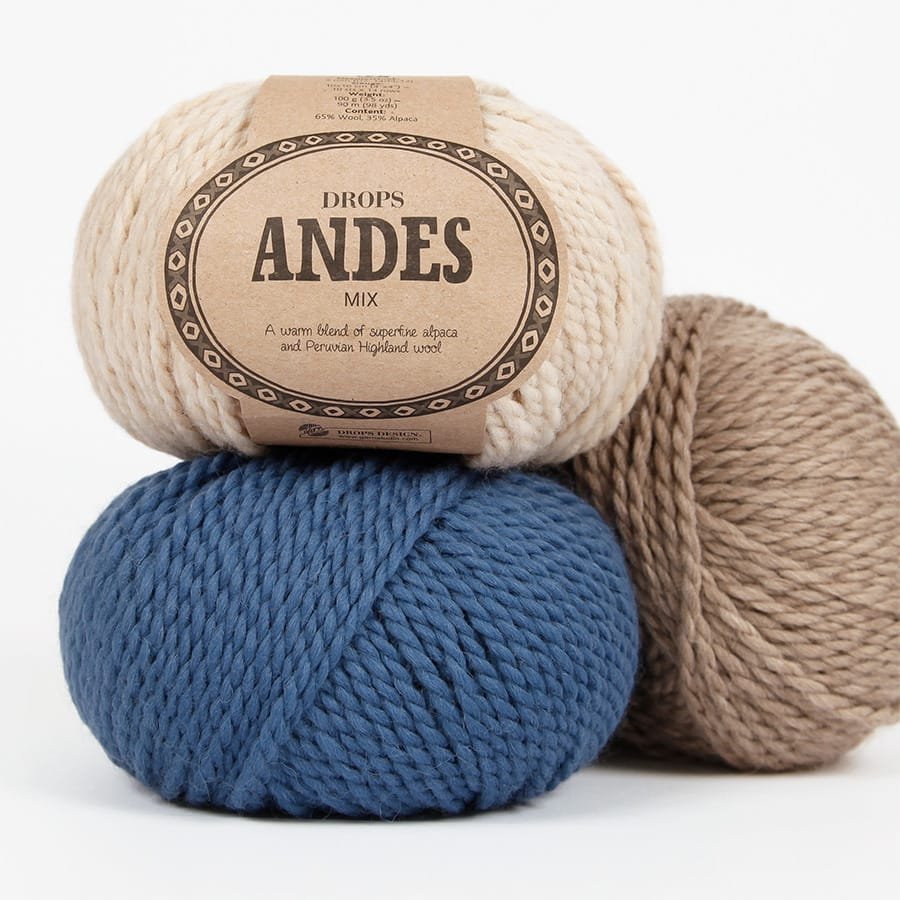
DROPS ANDES (wool, alpaca)
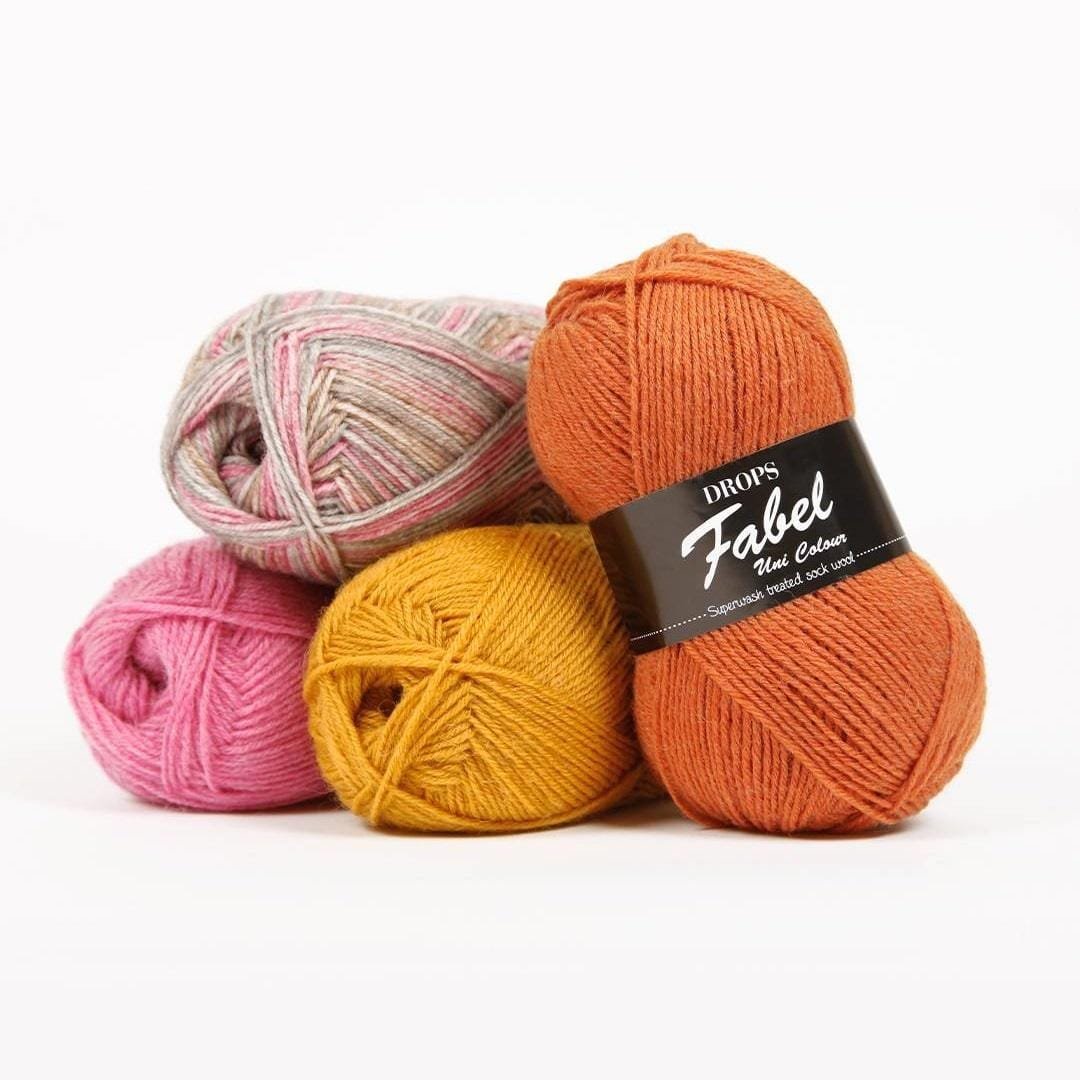
DROPS FABEL (wool, polyamide)
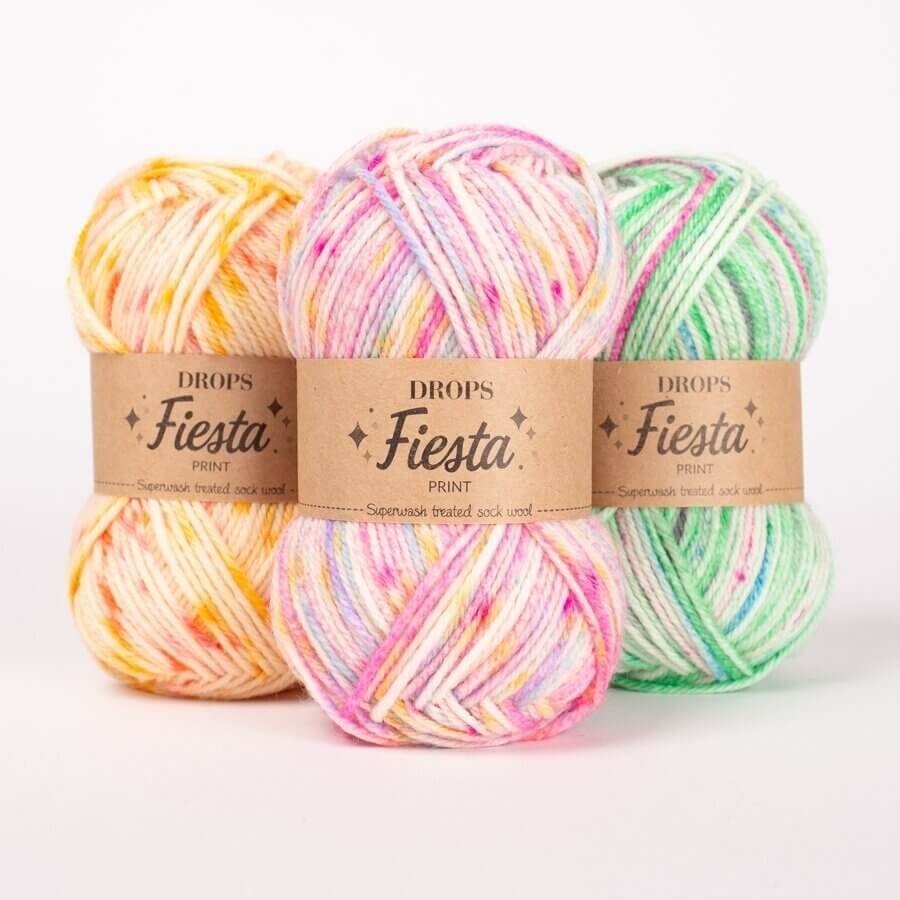
DROPS Fiesta (75% wool, 25% polyamide)
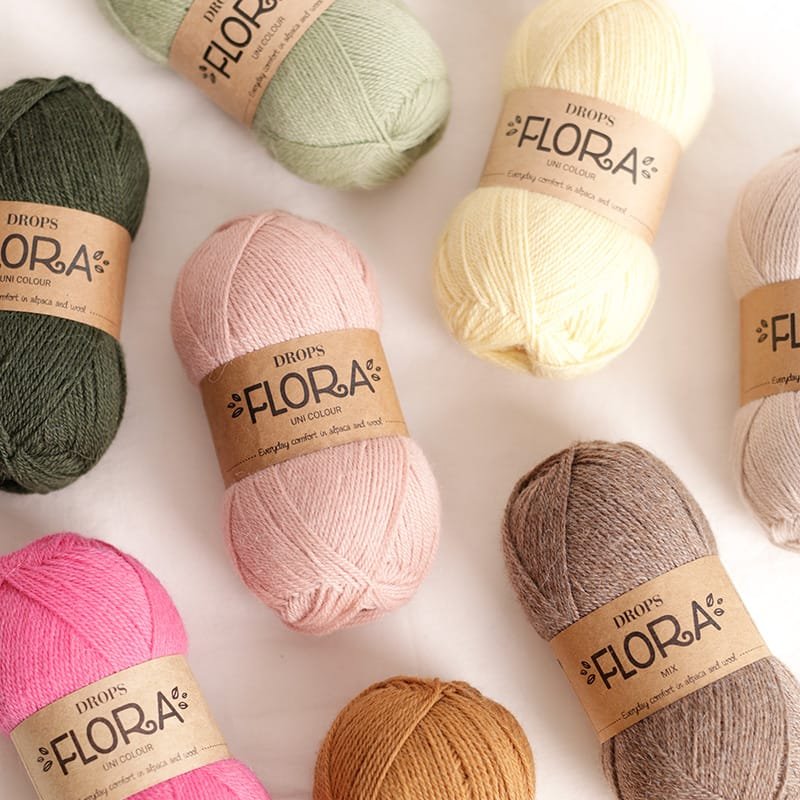
DROPS FLORA (alpaca, wool)
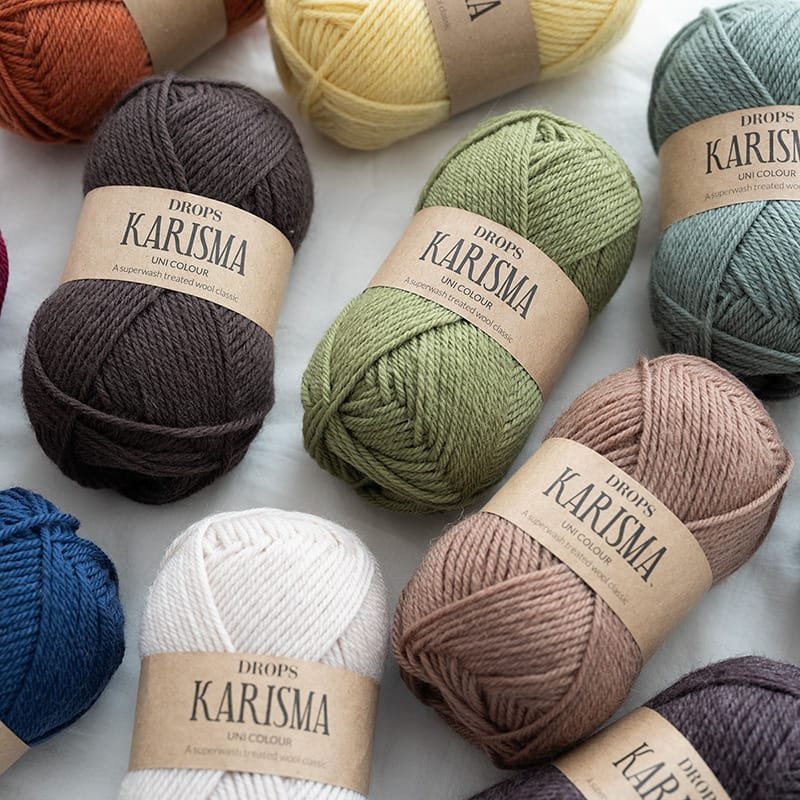
DROPS KARISMA (100% wool)
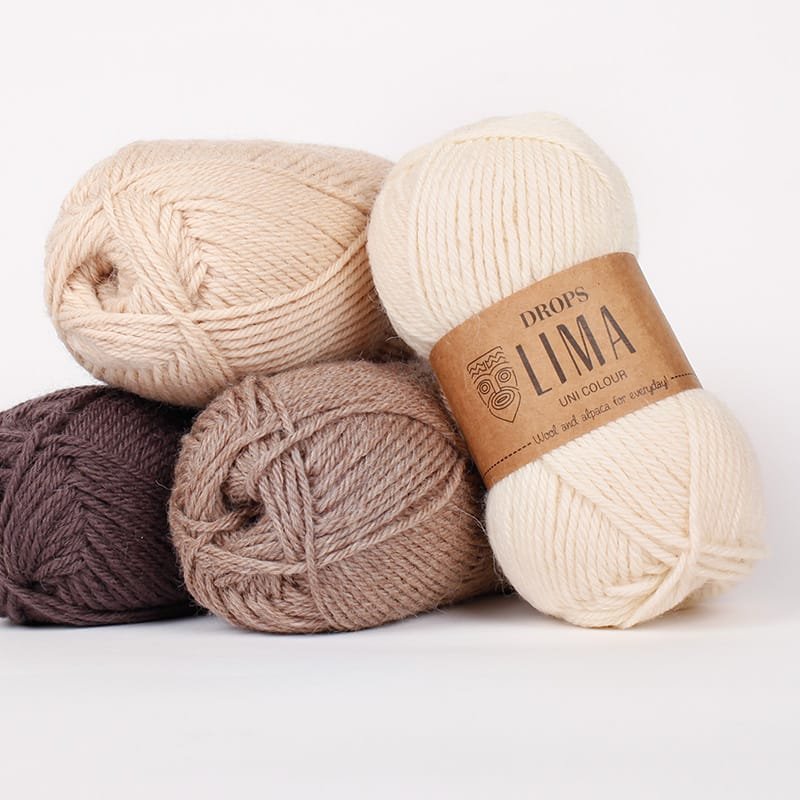
DROPS LIMA (alpaca, wool)
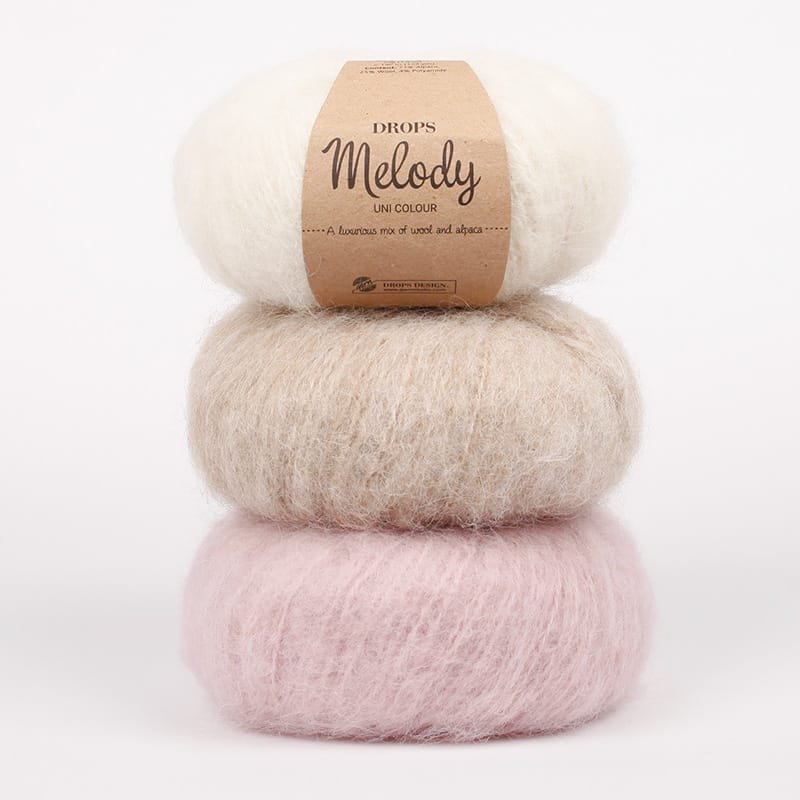
DROPS MELODY (alpaca, wool)
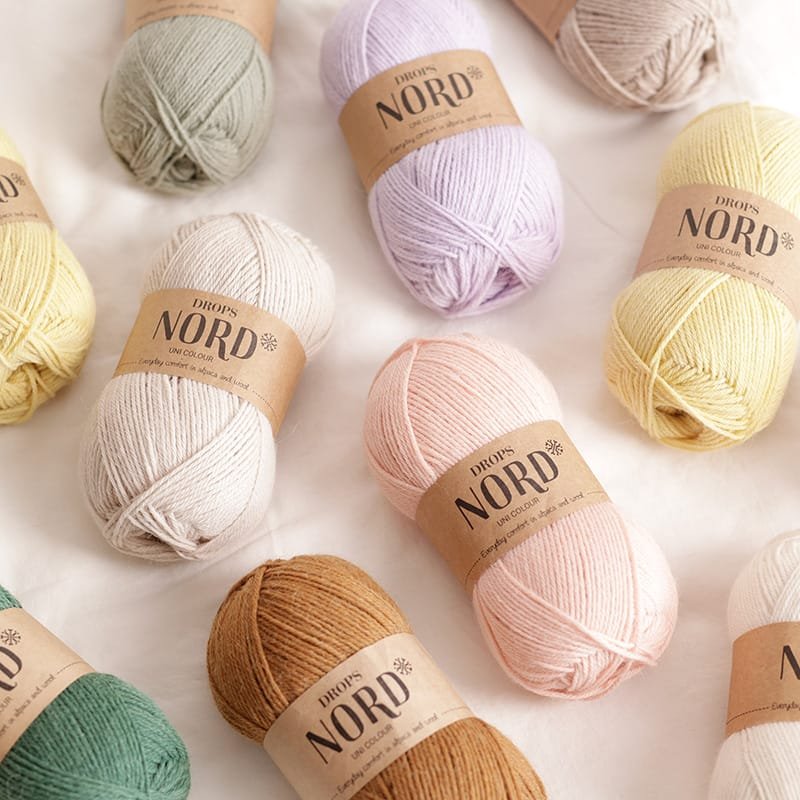
DROPS NORD (alpaca, wool)
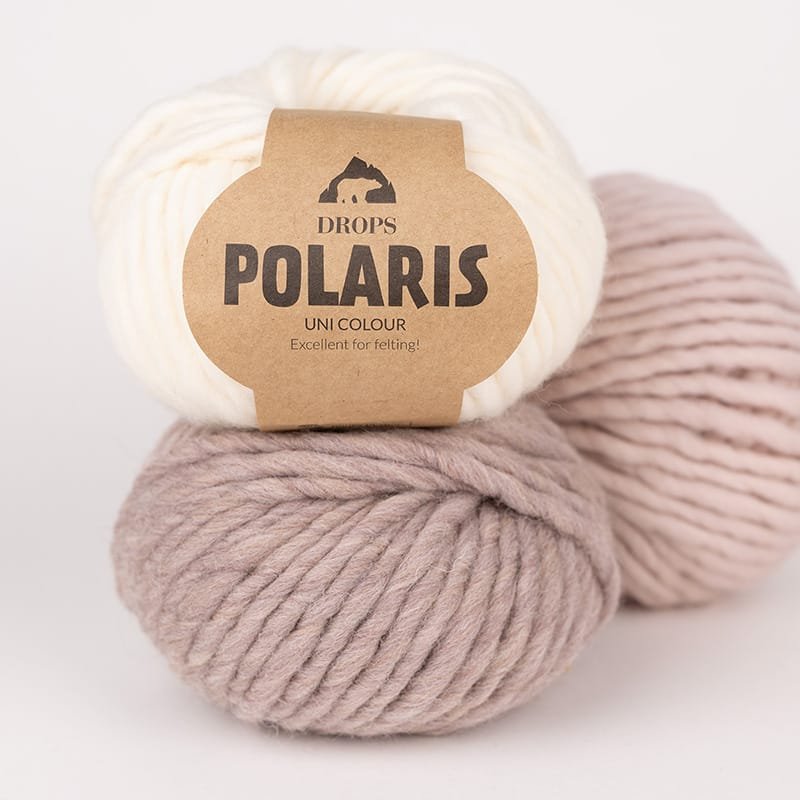
DROPS POLARIS (100% wool)
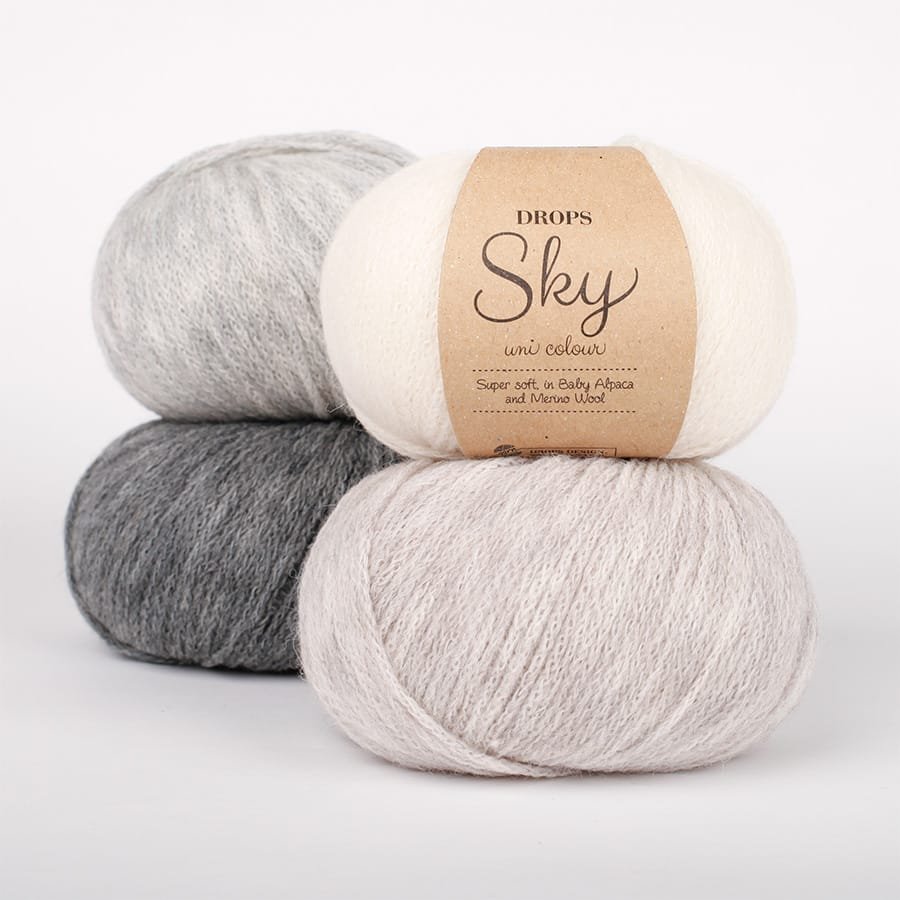
DROPS SKY (alpaca, merino wool)

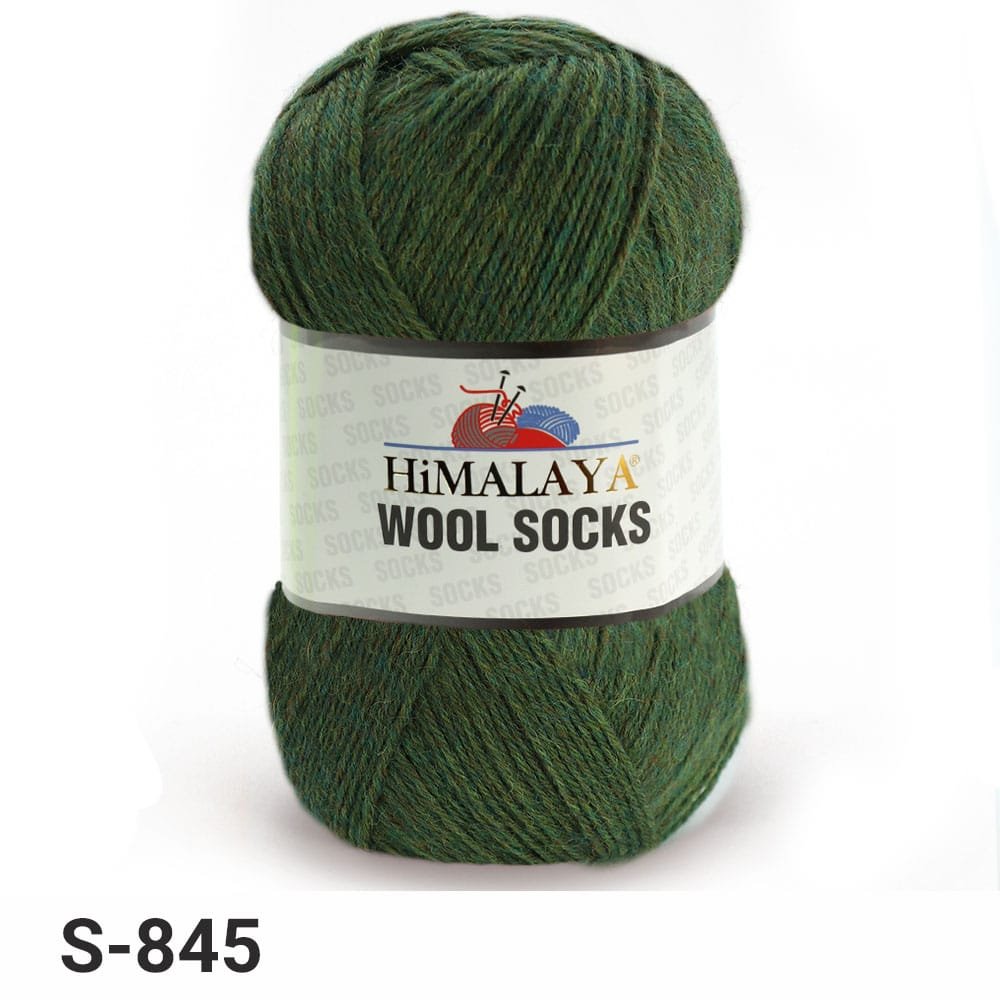
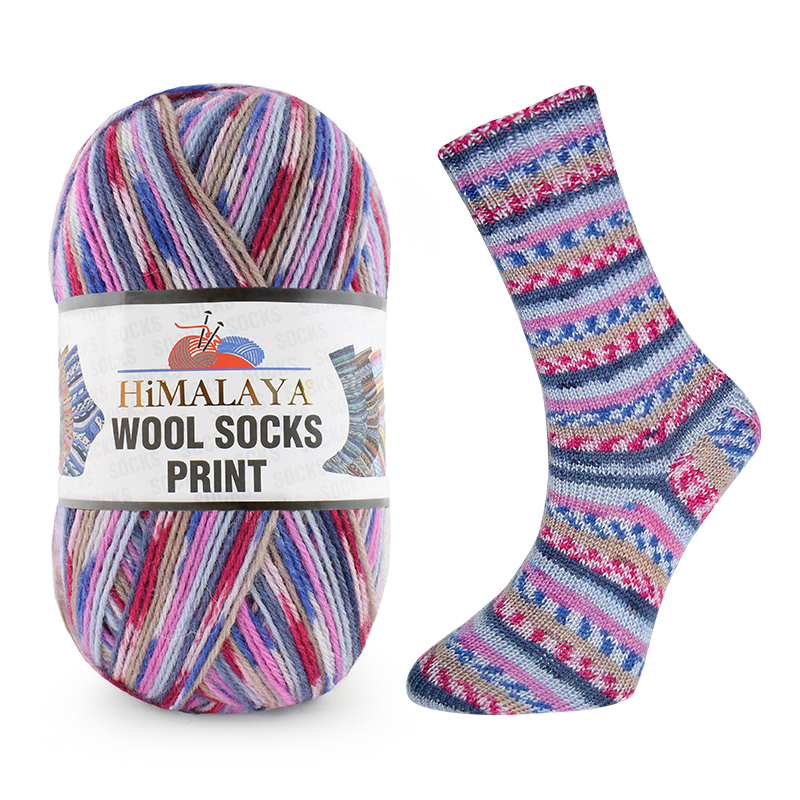
Himalaya WOOL SOCKS (wool, polyamide)
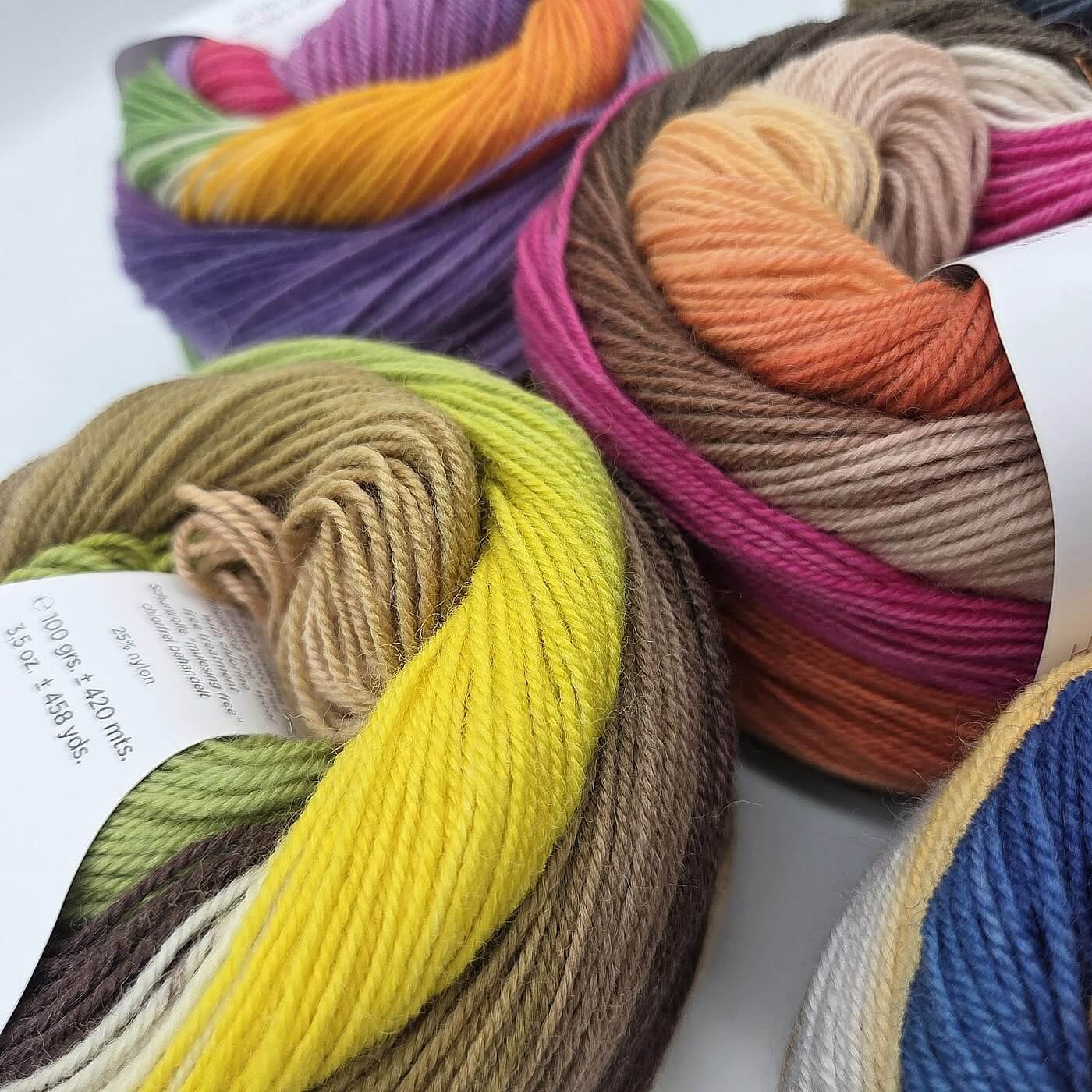
Wool yarn for knitting and crochet: how to choose
Wool yarn is made from sheep's wool, but its character can vary greatly. Fibre thickness, length, crimp and strength depend on the sheep breed, fibre selection, spinning and finishing. Some wool yarns are smooth and soft; others are loftier, feel drier or show traditional stitch patterns more clearly. Look beyond colour and the word wool: compare the full composition, yarn length, twist and care instructions.
The natural structure of wool fibre helps retain warmth, manage moisture vapour and give fabric elasticity. Wool therefore suits garments and accessories that should keep you warm while remaining comfortable as the surrounding temperature changes. Wool fabric often recovers its shape well, although drape and resistance to wear depend on the exact yarn.
How do wool types and blends differ?
Finer wool generally feels softer, while a coarser fibre can be stronger and suit outerwear, gloves or home textiles. Merino wool yarn has a finer fibre and is often chosen for items worn closer to the skin. Wool from other sheep breeds may have a more pronounced texture, hold its shape well and show cables and other textured patterns beautifully.
Wool blends are not created only to change the price. Polyamide can improve resistance to friction; silk can add smoothness and a subtle sheen; alpaca contributes warmth and a different drape; plant fibres can reduce the wool proportion and alter the feel. Assess every blend separately because the same percentage on a label does not guarantee the same result.
How to choose wool yarn for a project
- Sweaters and vests. Consider weight, drape, softness and how the fabric changes after washing. Buy one dye lot for a larger project.
- Hats, scarves and gloves. Balance warmth, elasticity and next-to-skin comfort. A loftier yarn feels soft, while a firmer twist can improve durability.
- Socks. Look for a purpose-made composition with enough resistance to wear; not every 100% wool yarn is equally suitable for frequently worn socks.
- Textured and colourwork patterns. An evenly plied yarn with limited halo usually shows stitches, cables and colour boundaries more clearly.
- Crochet. Consider twist and hook size. Densely crocheted wool can become firm, so make a swatch before beginning a garment.
Thickness, yarn length and gauge
Ball weight does not show yarn thickness: two balls of equal weight can contain very different lengths. Calculate the required quantity from the pattern dimensions, the exact yarn length and your gauge. The needle or hook size on the label is a starting point, so make and wash a swatch before measuring. Suitable tools are available in our knitting needle and crochet hook category.
What is Superwash wool?
Superwash means the wool has been treated to reduce felting during washing. It can make care easier, but it does not permit every temperature or drying method. Not all wool yarn is Superwash, so always check the manufacturer label. If the marking is absent, do not assume the yarn is machine washable simply because it contains wool.
Caring for wool knitwear
Wool can be damaged not only by heat but also by sudden temperature changes and intensive rubbing. Unless the label states otherwise, use cool water and a gentle wool cycle or hand wash, choose a wool detergent and do not wring. Reshape the damp item and dry it flat. Correct care helps preserve shape, stitch definition and surface appearance.
For natural fibres with a different character, compare alpaca yarn or mohair yarn. Browse the full knitting and crochet yarn range. The best choice is the one that matches the project's purpose, desired feel, gauge and care requirements.