Cotton yarn










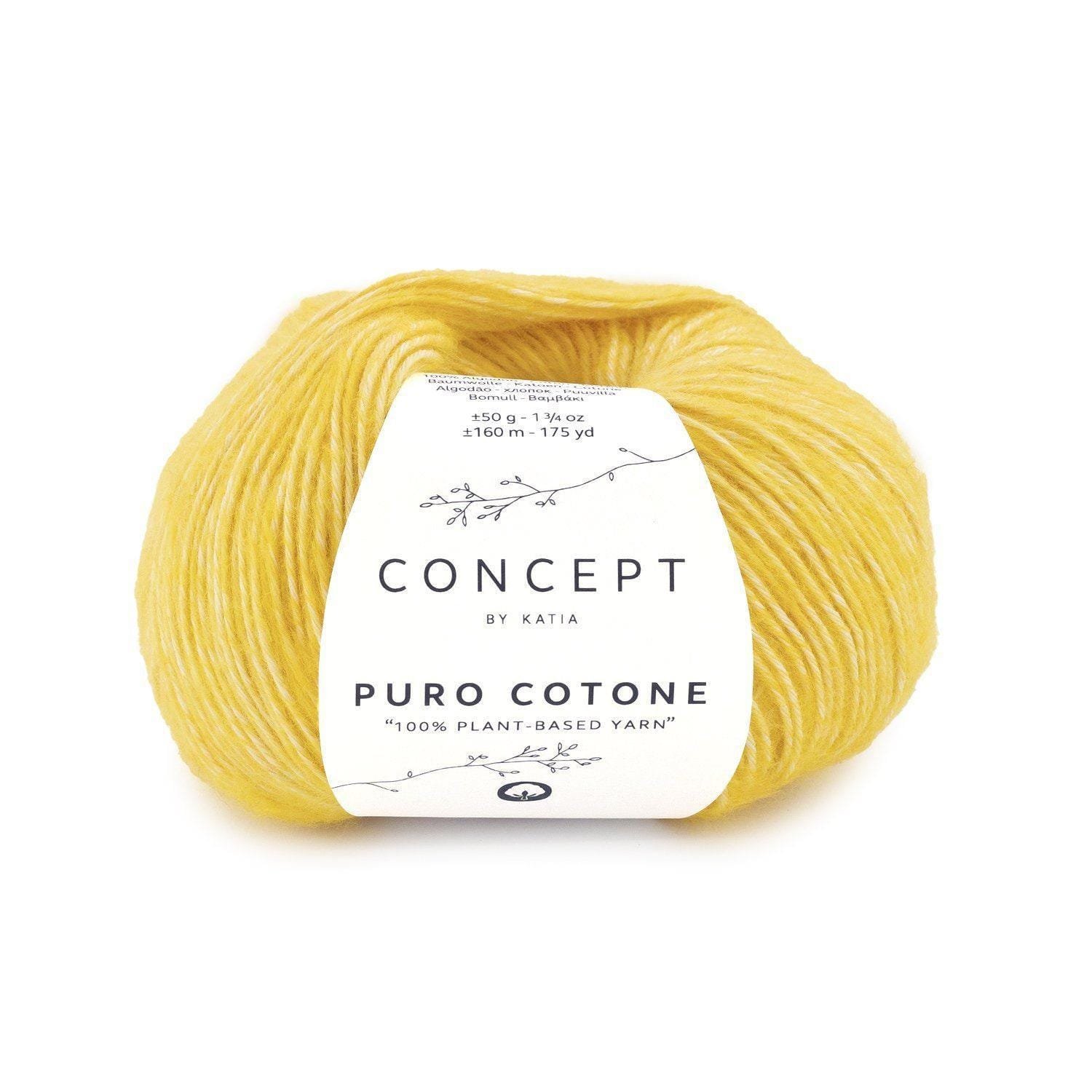
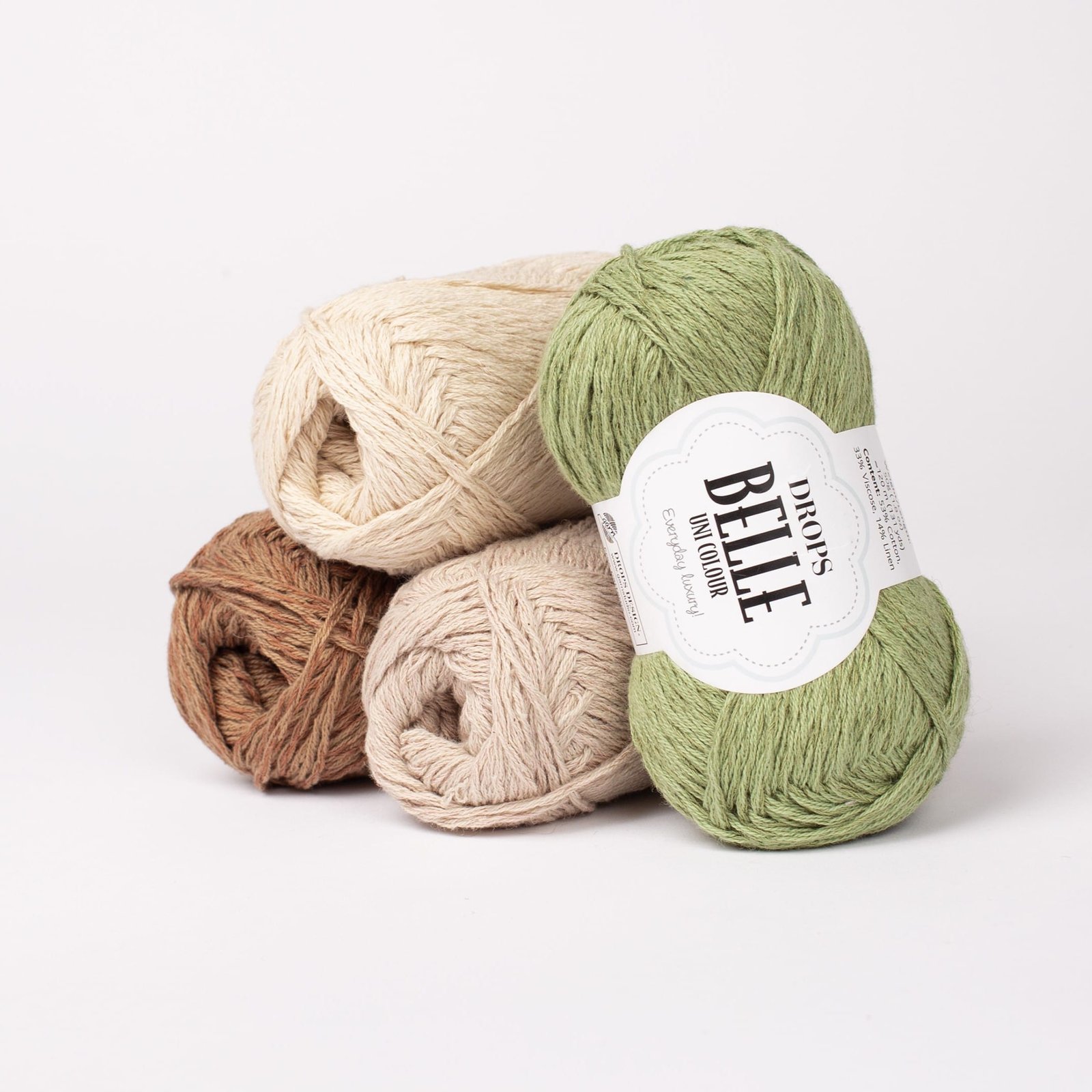
DROPS BELLE (cotton, viscose, linen)
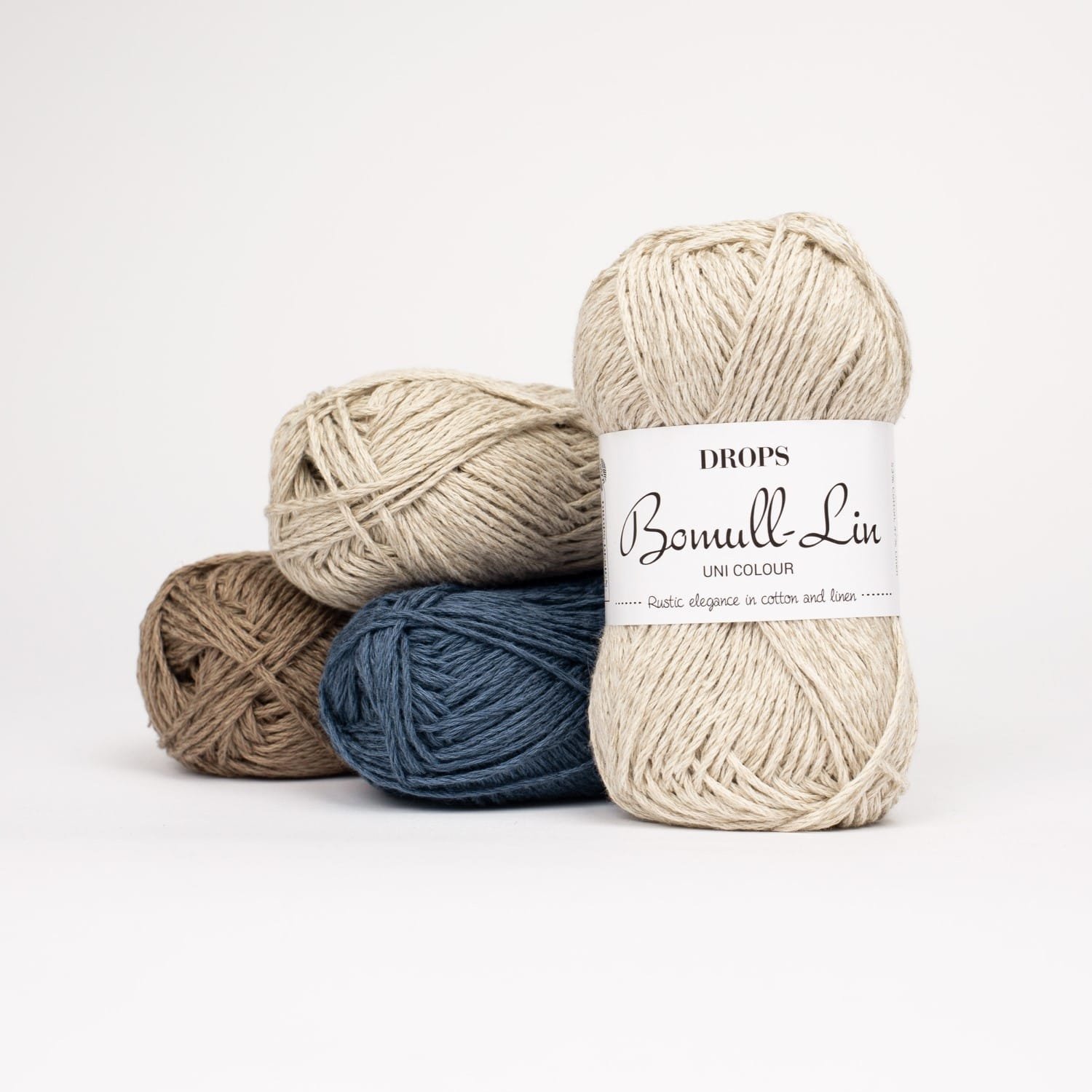
DROPS BOMULL-LIN (cotton, linen)
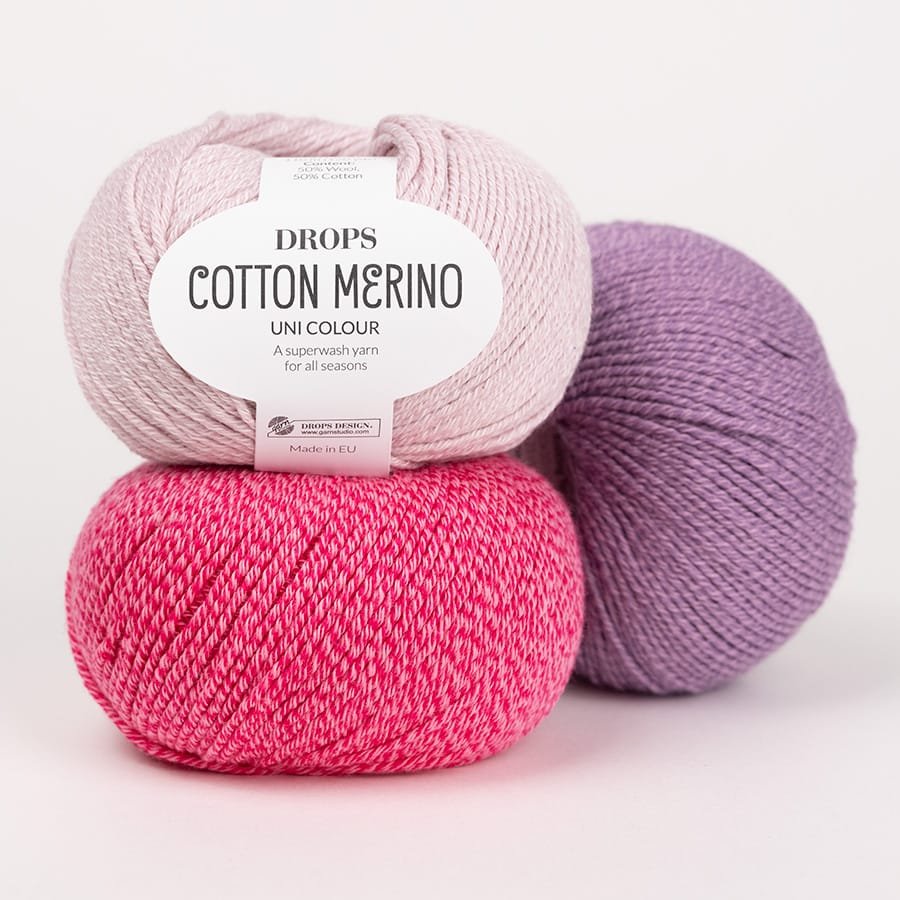
DROPS COTTON MERINO (merino wool, cotton)
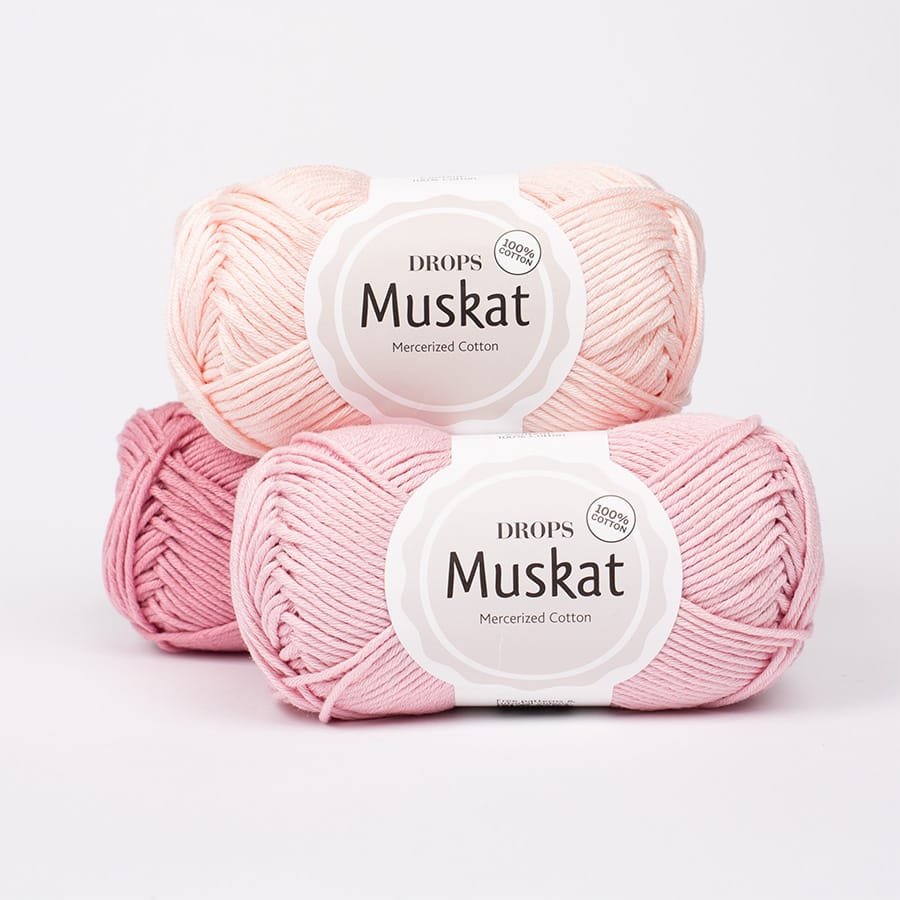
DROPS MUSKAT (100% cotton)
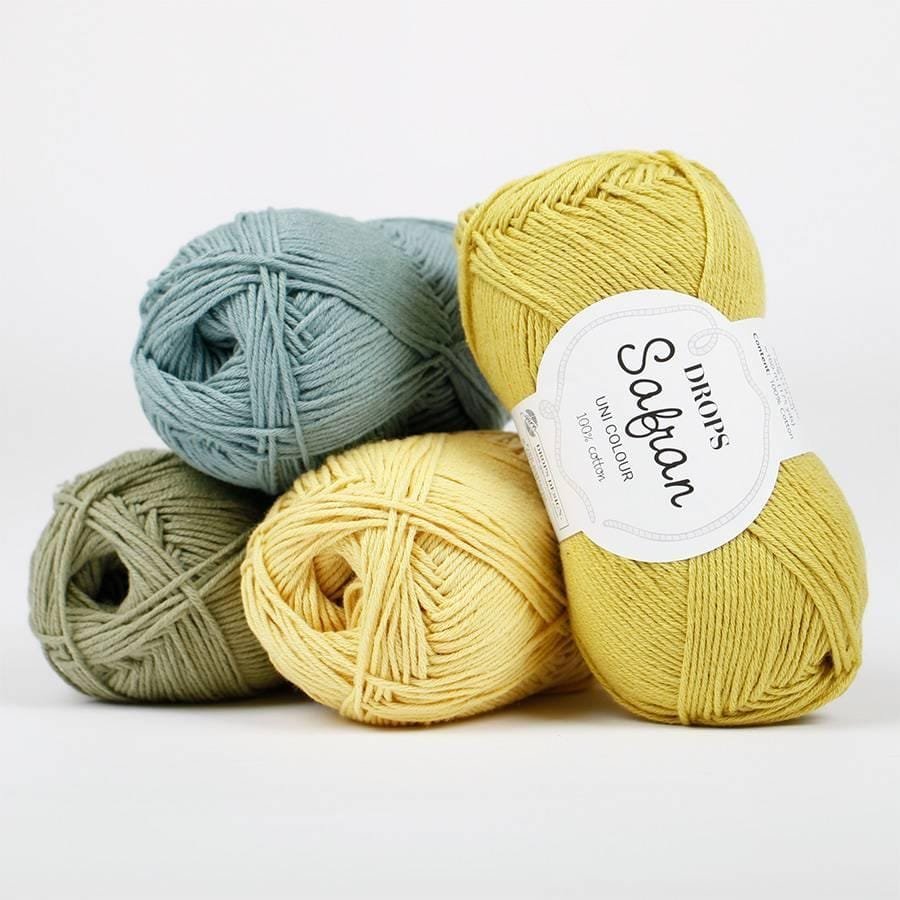
DROPS SAFRAN (100% cotton)
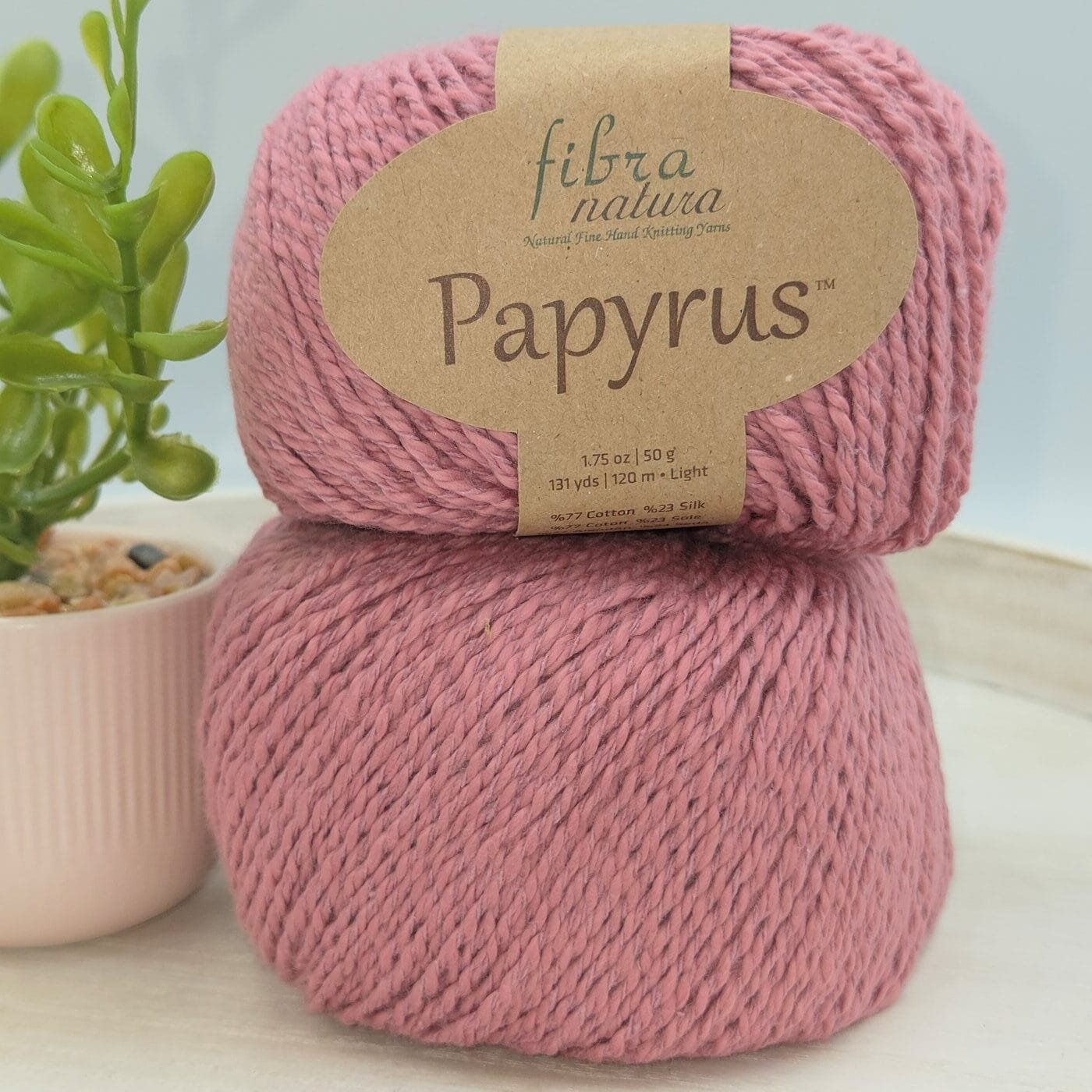
Fibra Natura PAPYRUS (cotton, silk)
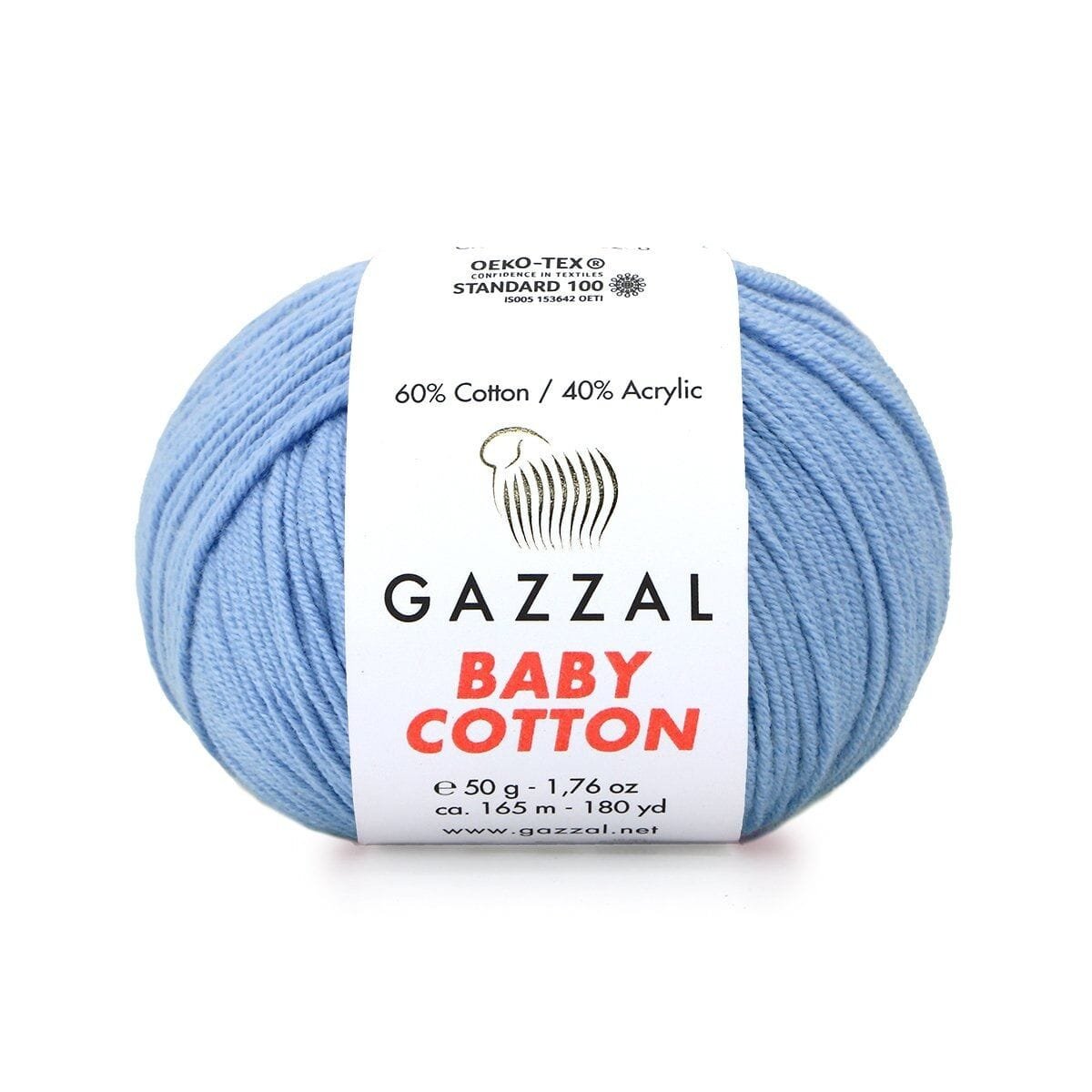


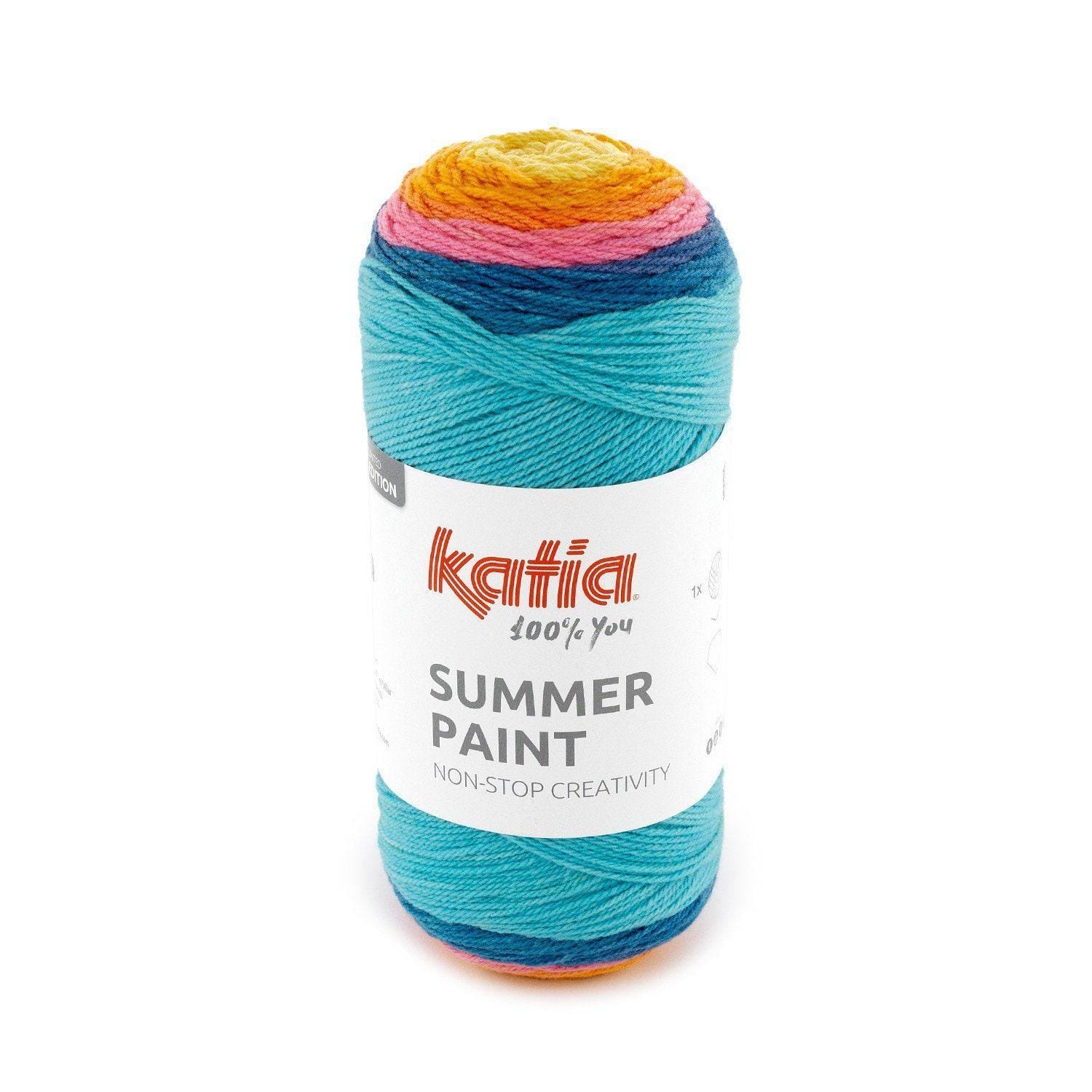
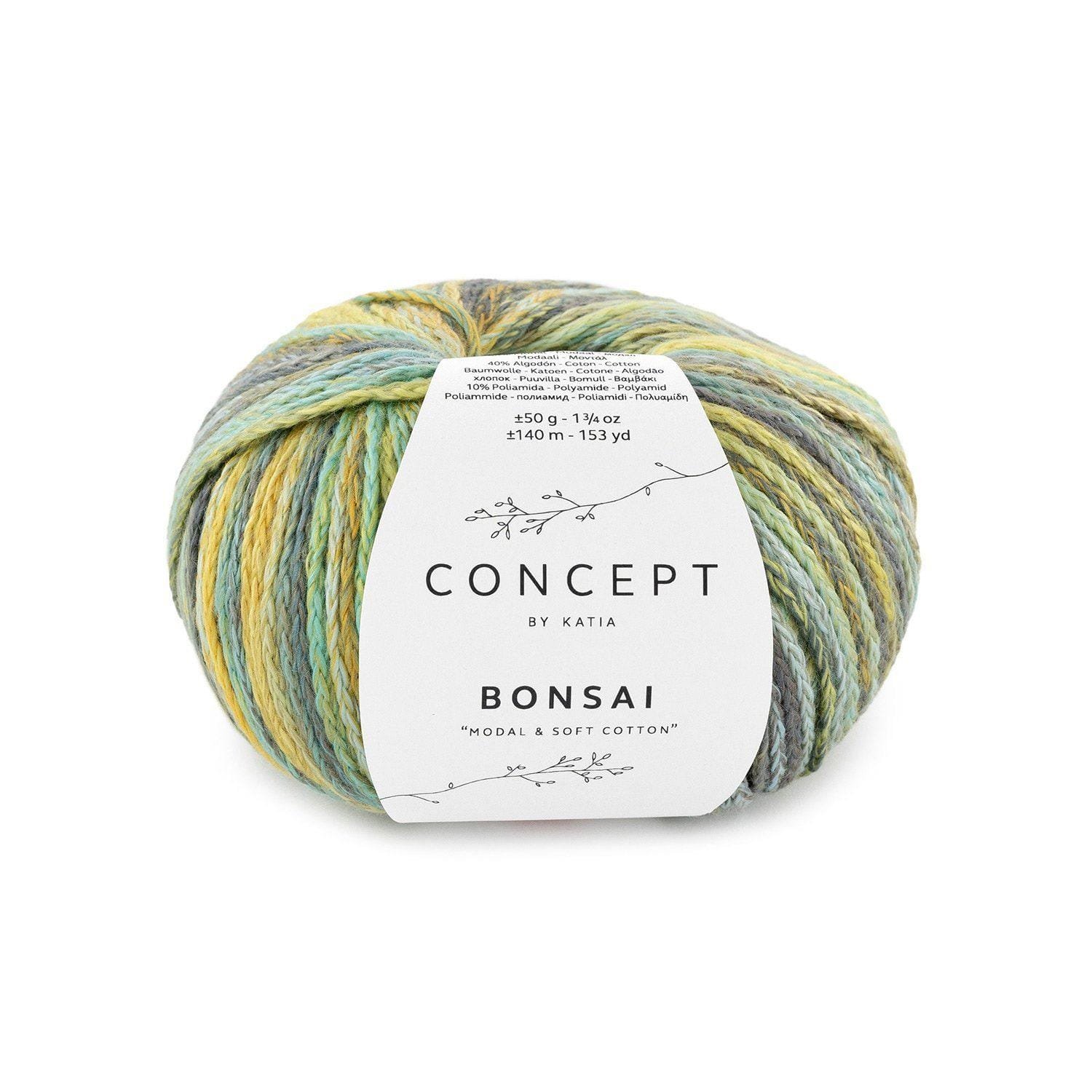
Katia SUMMER PAINT (cotton, acrylic)


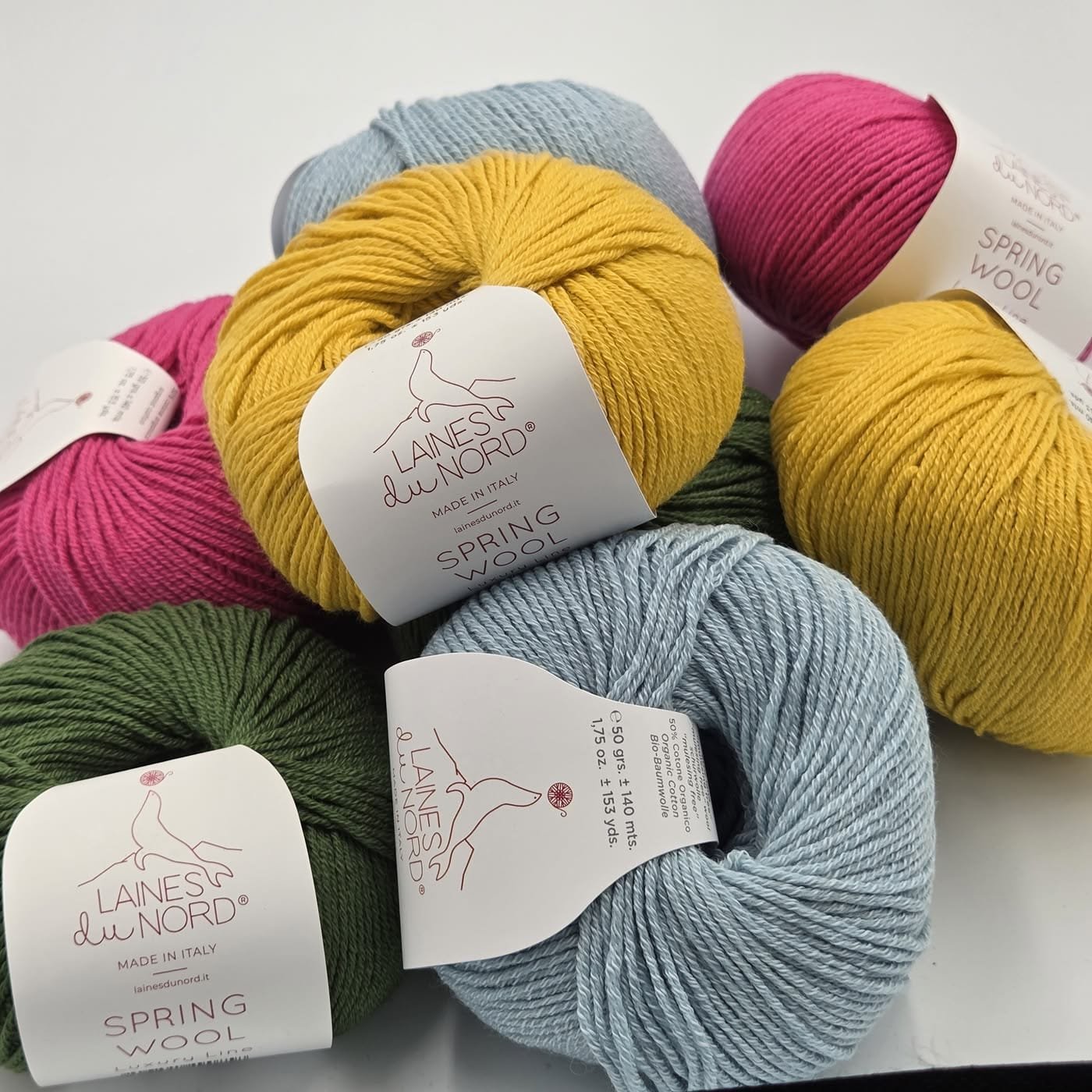
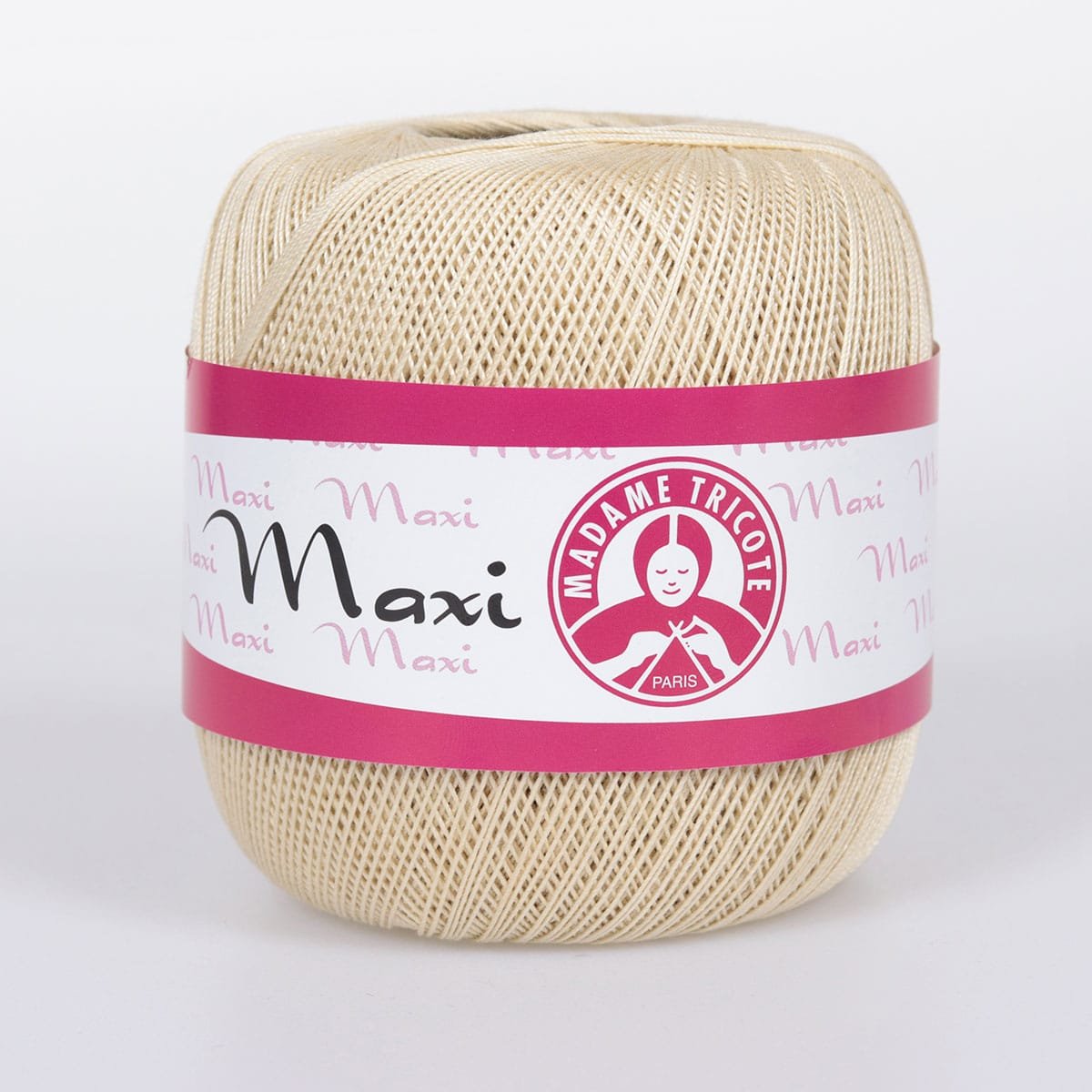


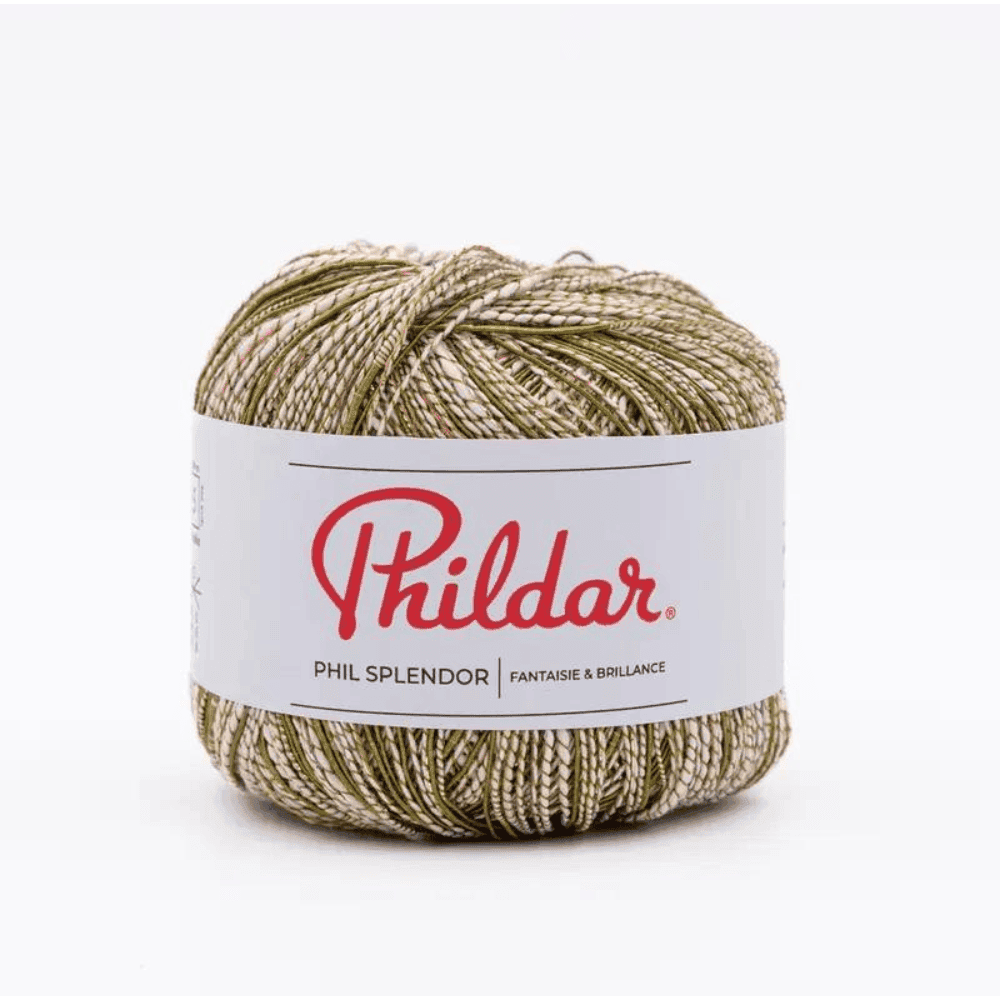
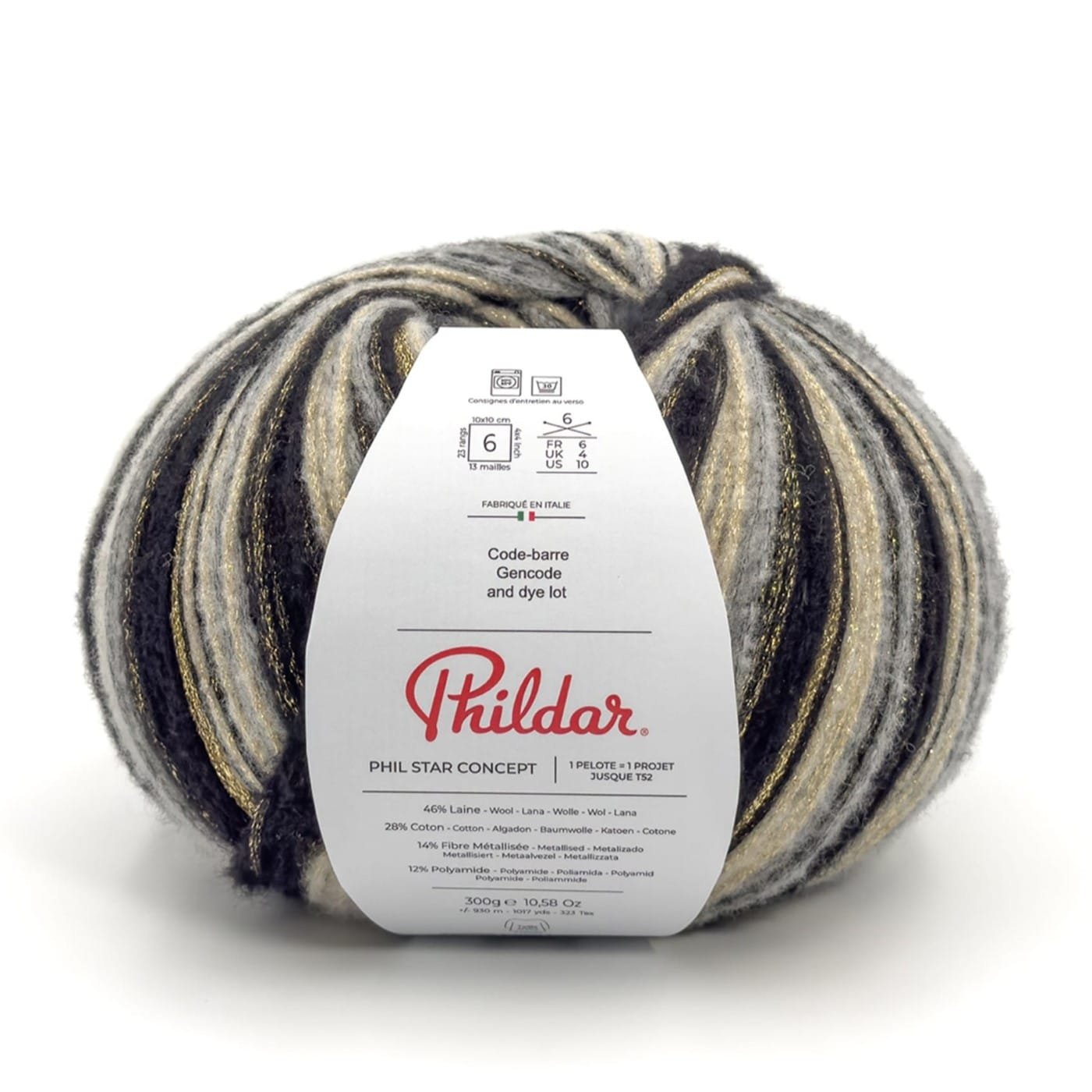

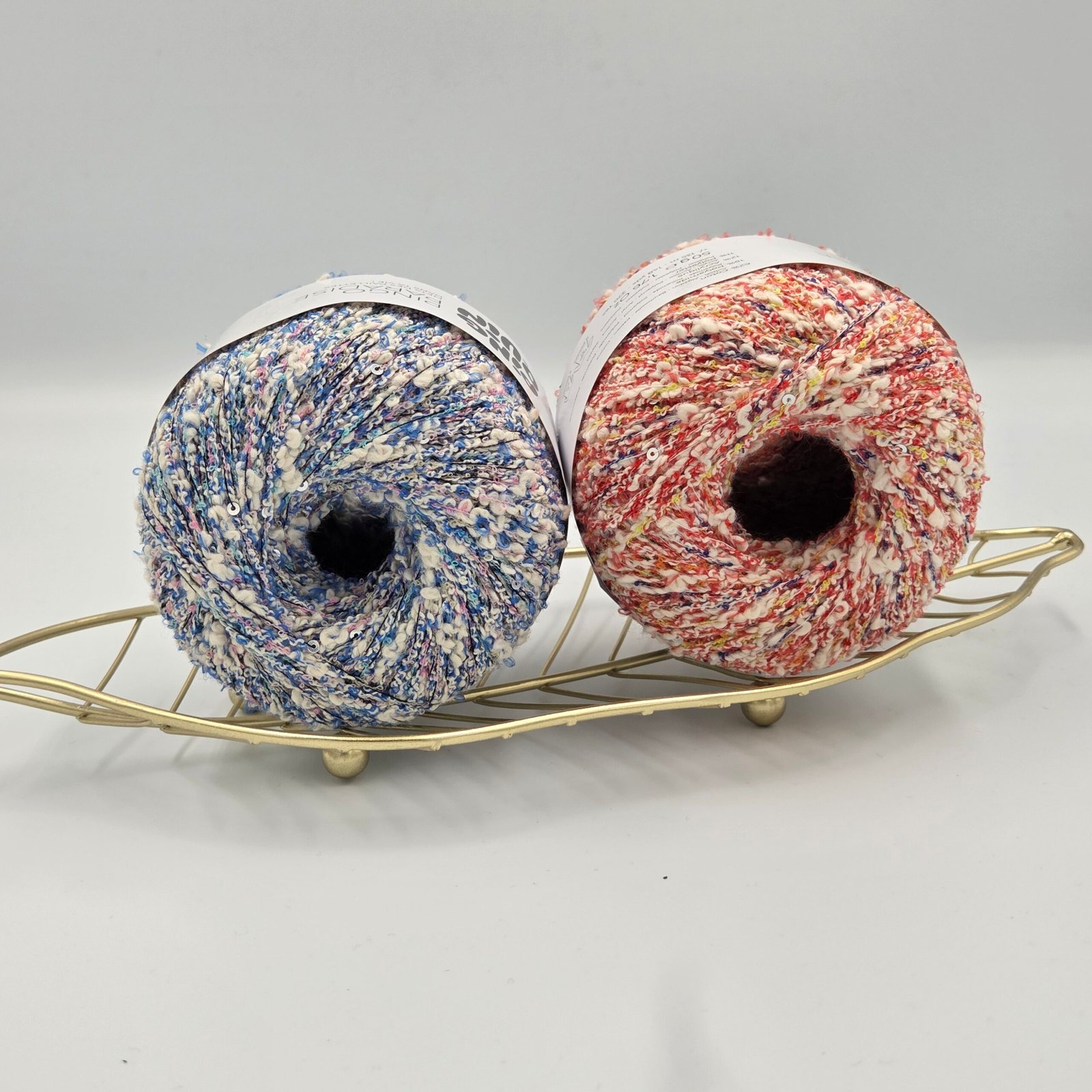

Cotton yarn for knitting and crochet: how to choose
Cotton yarn is spun from the soft fibres that form around the seeds of the cotton plant. Because it creates clearly defined stitches and comes in many weights, cotton is a versatile choice for both knitting and crochet.
Cotton is generally less elastic than wool, so the fabric returns to shape differently and can feel heavier. This is not a disadvantage in itself: the best result comes from matching the yarn weight, gauge and construction to the project. In this category you will find 100% cotton as well as blends with linen, viscose, lyocell, wool or synthetic fibres.
100% cotton or a cotton blend?
Pure cotton shows crochet stitches, textured patterns and clean shapes particularly well. It is often chosen for summer garments, toys, table linen, bags and home accessories. Consider the complete fibre composition because each blend changes the fabric.
Cotton with linen can create a drier, more natural surface. Viscose or lyocell may add a smoother feel and more fluid drape, while cotton mixed with wool can be warmer and more elastic than a purely plant-based yarn.
Mercerised and matte cotton
Mercerised cotton has been specially treated and usually has a smoother surface, clearer colour and more noticeable sheen. It works well for lace, decorative stitches and projects where a crisp, tidy finish matters. Matte or more softly spun cotton has a natural appearance and can be appealing for toys and everyday garments.
Which projects suit cotton yarn?
- Summer garments. Tops, light sweaters and cardigans can drape beautifully, but dense fabric may become heavy, so a swatch is important.
- Crochet. Smooth yarn gives good stitch definition for lace, shawls, garments and table accessories.
- Amigurumi and toys. Firmly twisted cotton helps form clear details. Secure all parts and choose the filling carefully.
- Bags and home décor. Choose a firmer yarn and sufficiently dense crochet; projects needing more structure may also suit dedicated crochet cords.
- Baby garments. Check the specific yarn's softness, care instructions and manufacturer recommendation.
How to choose yarn weight and quantity
Balls of the same weight can contain very different lengths of yarn. Fine cotton suits lightweight garments and lace, while thicker yarn can work for bags, interior accessories or chunkier fabric. Calculate quantity from the pattern size, the length shown for the specific yarn and your own gauge swatch. When buying several balls of one colour, also check the dye lot.
The needle or hook size on the label is a starting point. Because cotton has less natural spring, fabric worked too tightly can become stiff and heavy. Choose suitable crochet hooks or knitting needles according to the drape you want and the result of a washed swatch.
Is cotton yarn suitable for beginners?
A smooth, medium-weight cotton can be comfortable for learning because stitches are easy to see. Loosely spun yarn may split more readily. For a first project, choose a clearly structured yarn, a medium-size tool and a straightforward pattern.
Caring for cotton projects
Always follow the label of the particular yarn for washing temperature, spinning and drying. Cotton blends do not all require the same care. Wet cotton fabric can be heavy, so avoid hanging it unless the manufacturer says otherwise. Shape it gently to the correct measurements and dry flat. Before starting a larger project, wash the swatch to reveal possible shrinkage, stretching and the final surface.
Compare cotton with other fibres in our main yarn for knitting and crochet category. Choose by project purpose, yarn length, gauge and care needs.