Viscose yarn











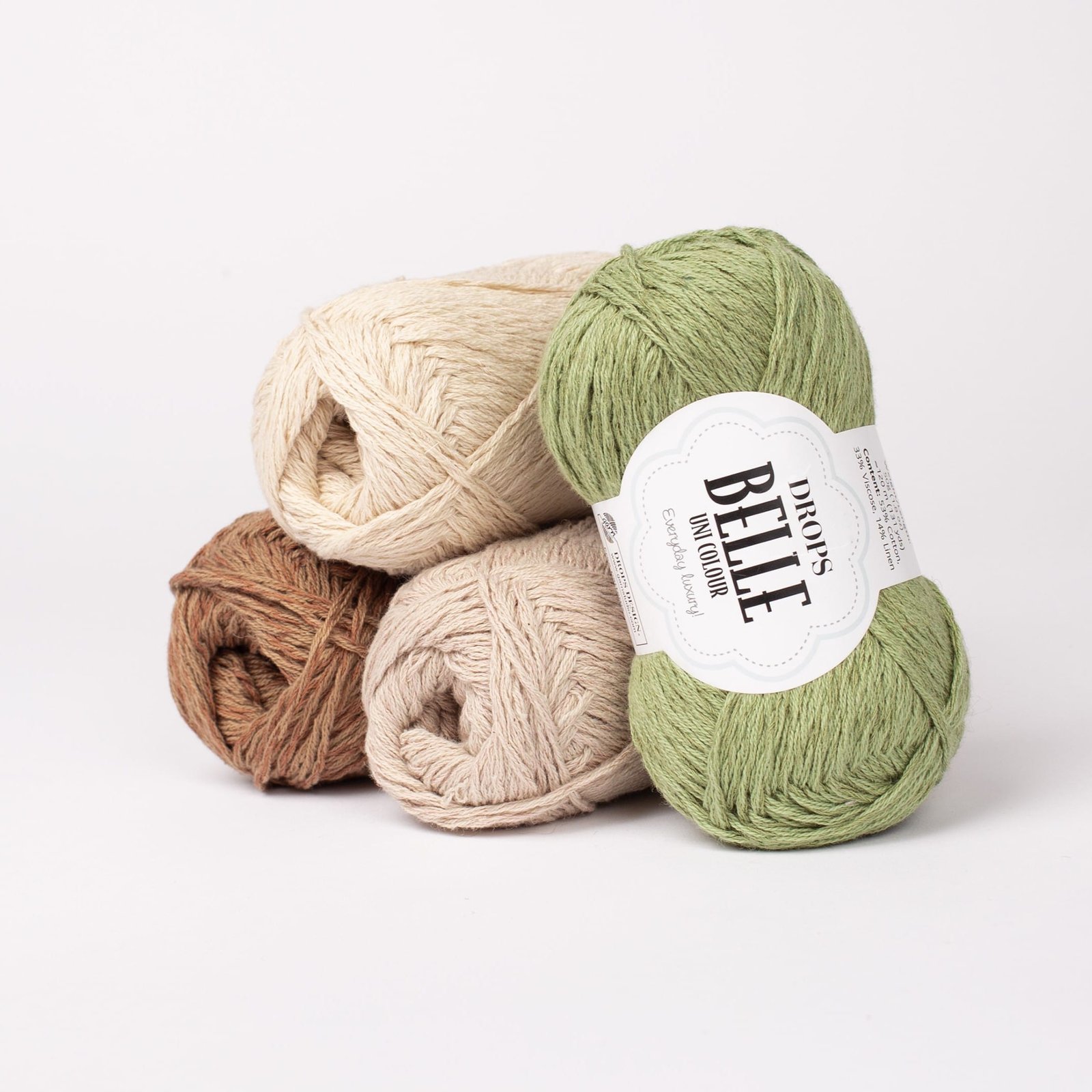
DROPS BELLE (cotton, viscose, linen)
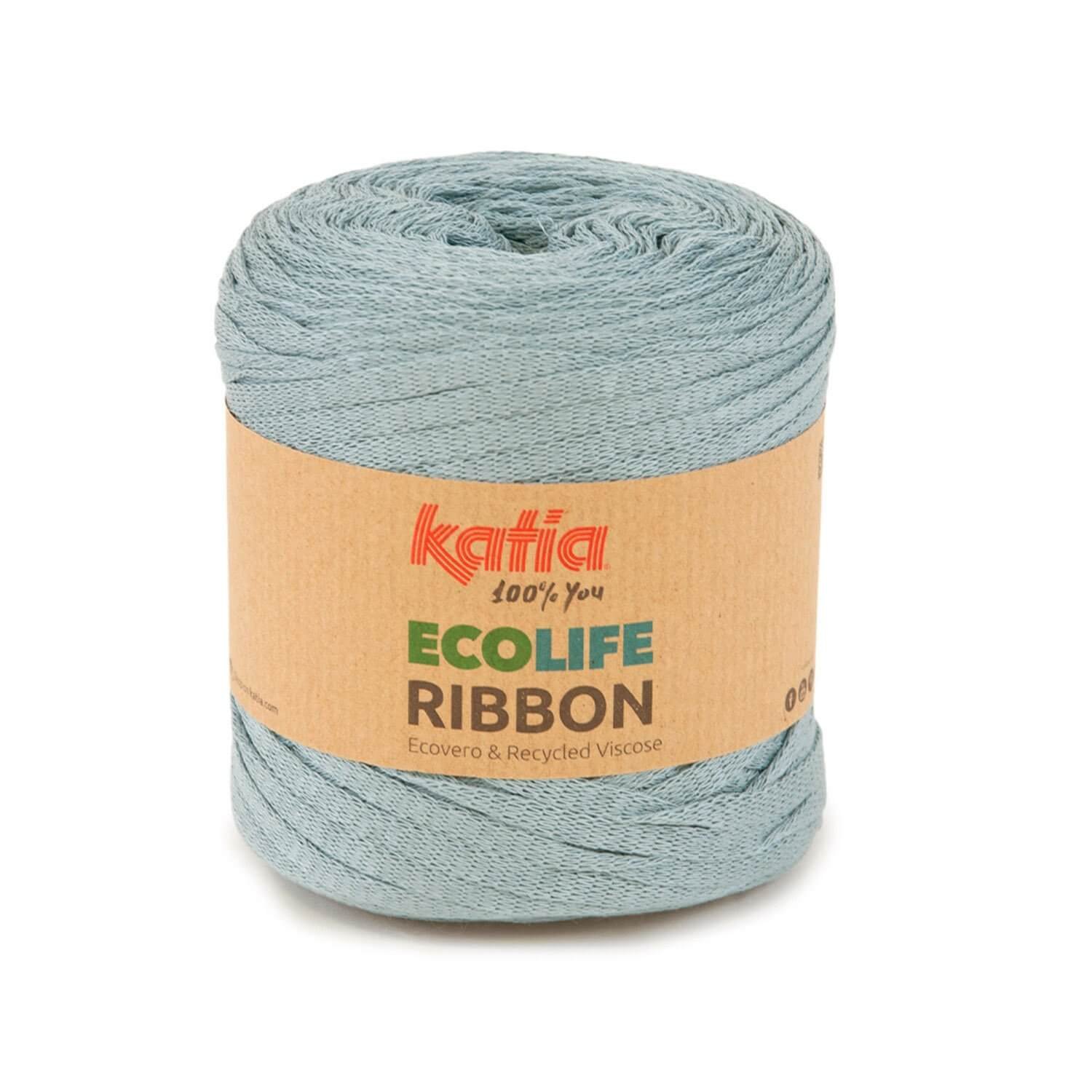
Katia ECOLIFE RIBBON (viscose)
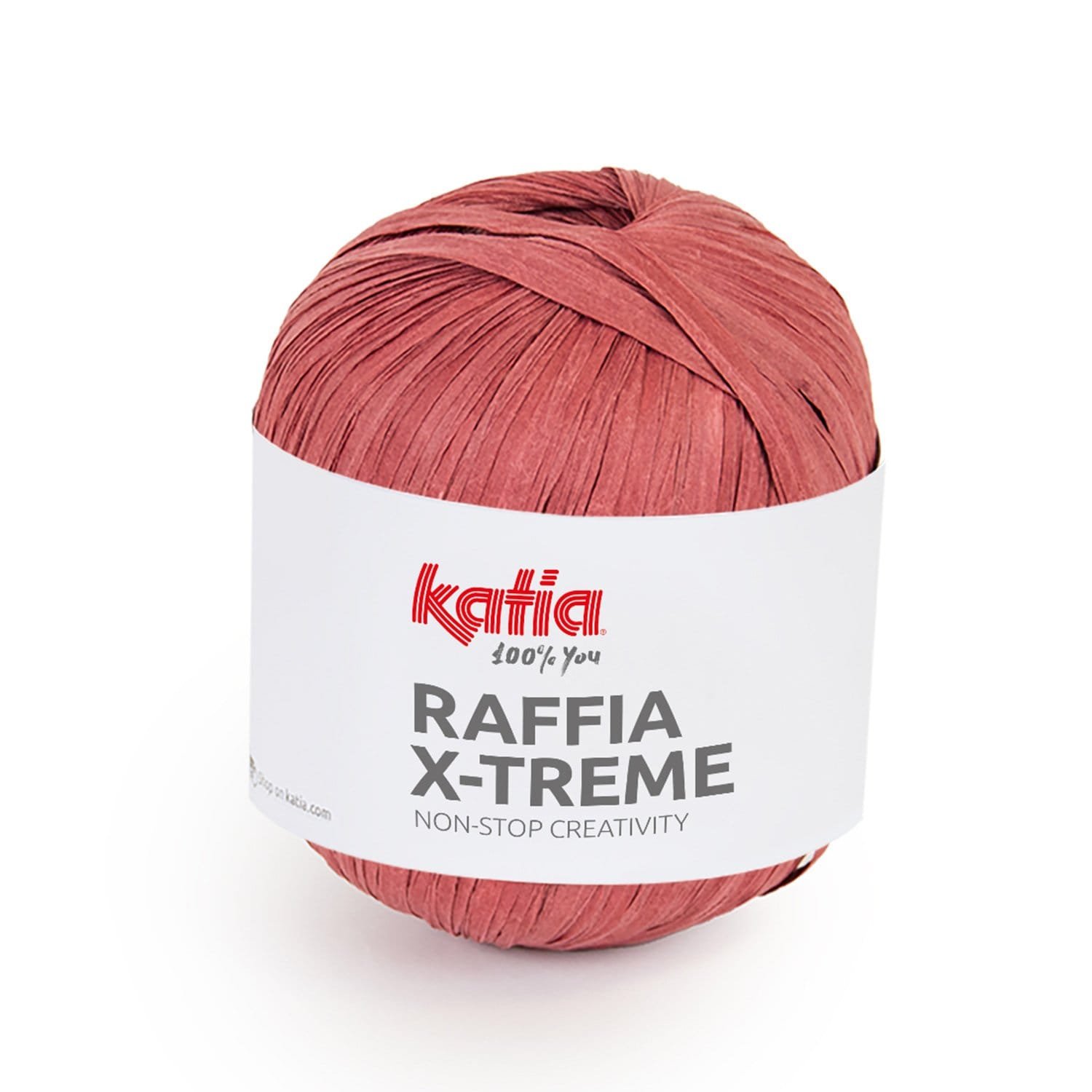
Katia RAFFIA X-TREME (100% viscose)

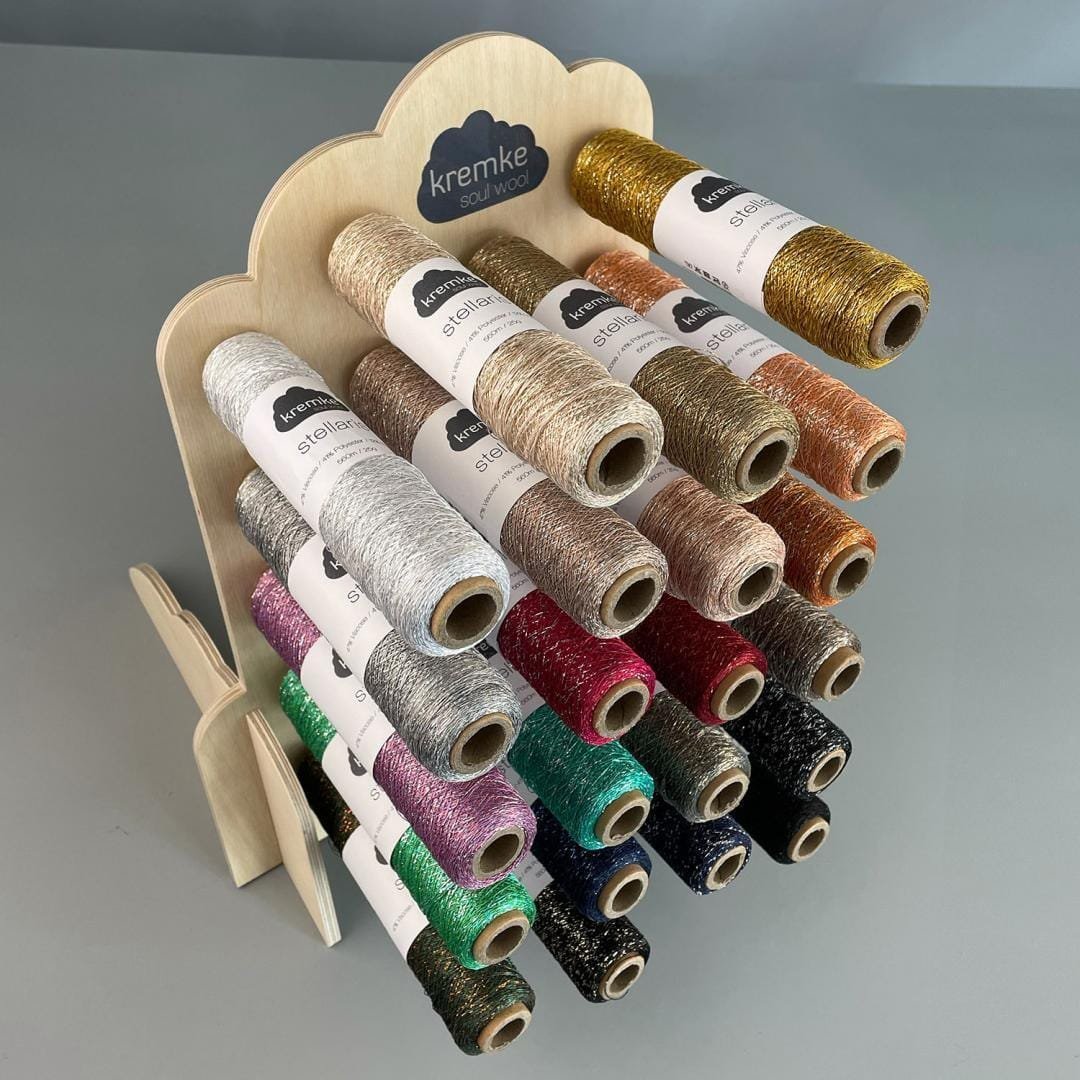
Kremke STELLARIS – shimmering companion yarn (viscose, polyester, metallic fibre)


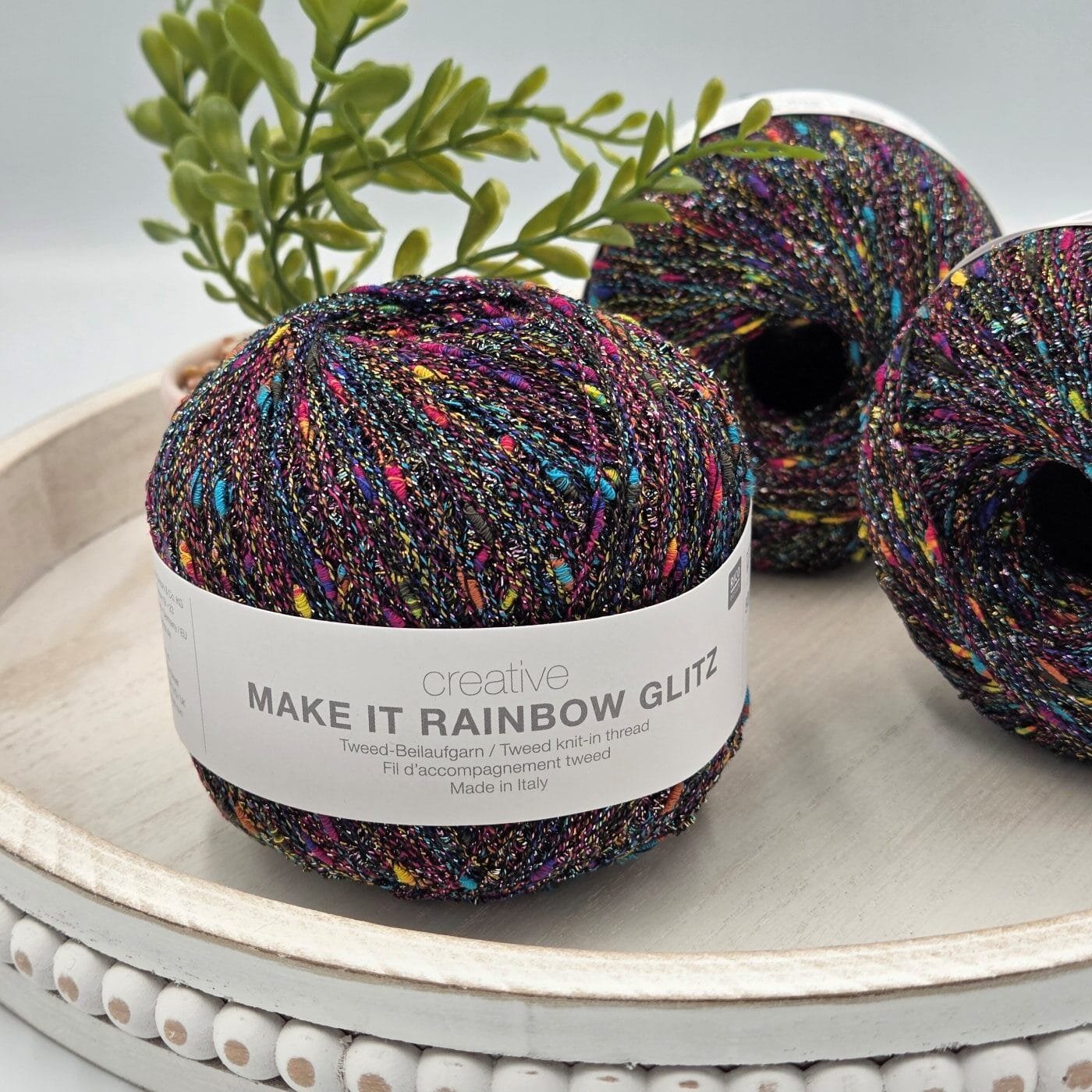
Rico Design MAKE IT RAINBOW GLITZ (sparkling rainbow tweed-effect yarn)
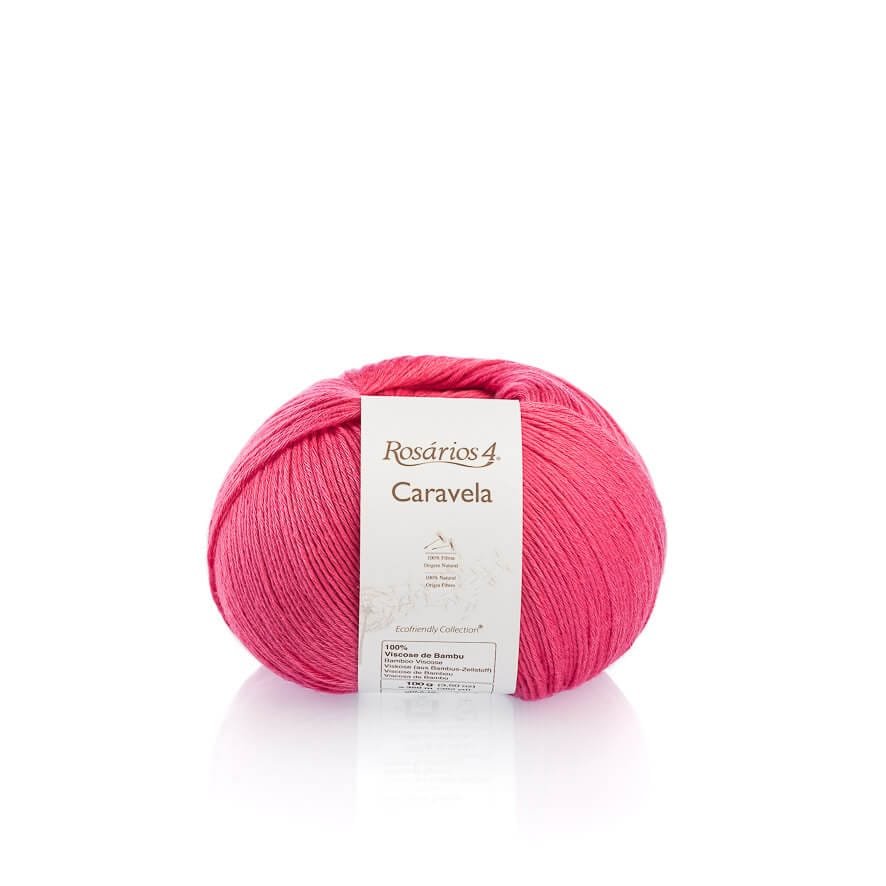


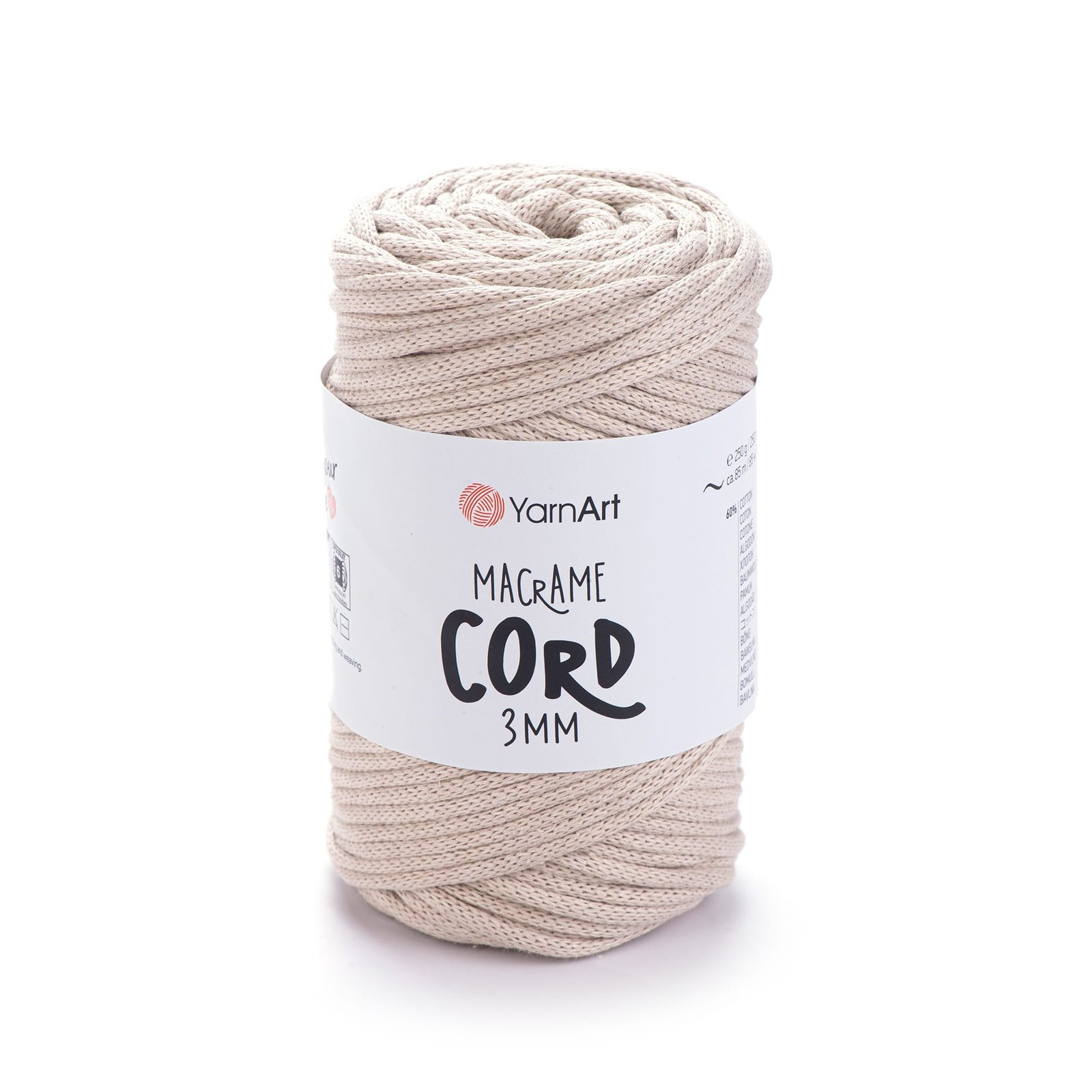
YarnArt MACRAME CORD 3 mm (cotton, viscose)
Viscose yarn for knitting, crochet and accessories
Viscose yarn is made from regenerated cellulose: plant-based raw material is processed and converted into textile fibre. Viscose is therefore not the same as cotton or linen obtained directly from a plant, although cellulose is its raw-material base. Viscose yarn may be smooth with a fluid drape, but this category also includes firmer ribbons, raffia, shiny decorative threads and blends. The production method, twist and complete composition determine the final feel.
Which types of viscose yarn are available?
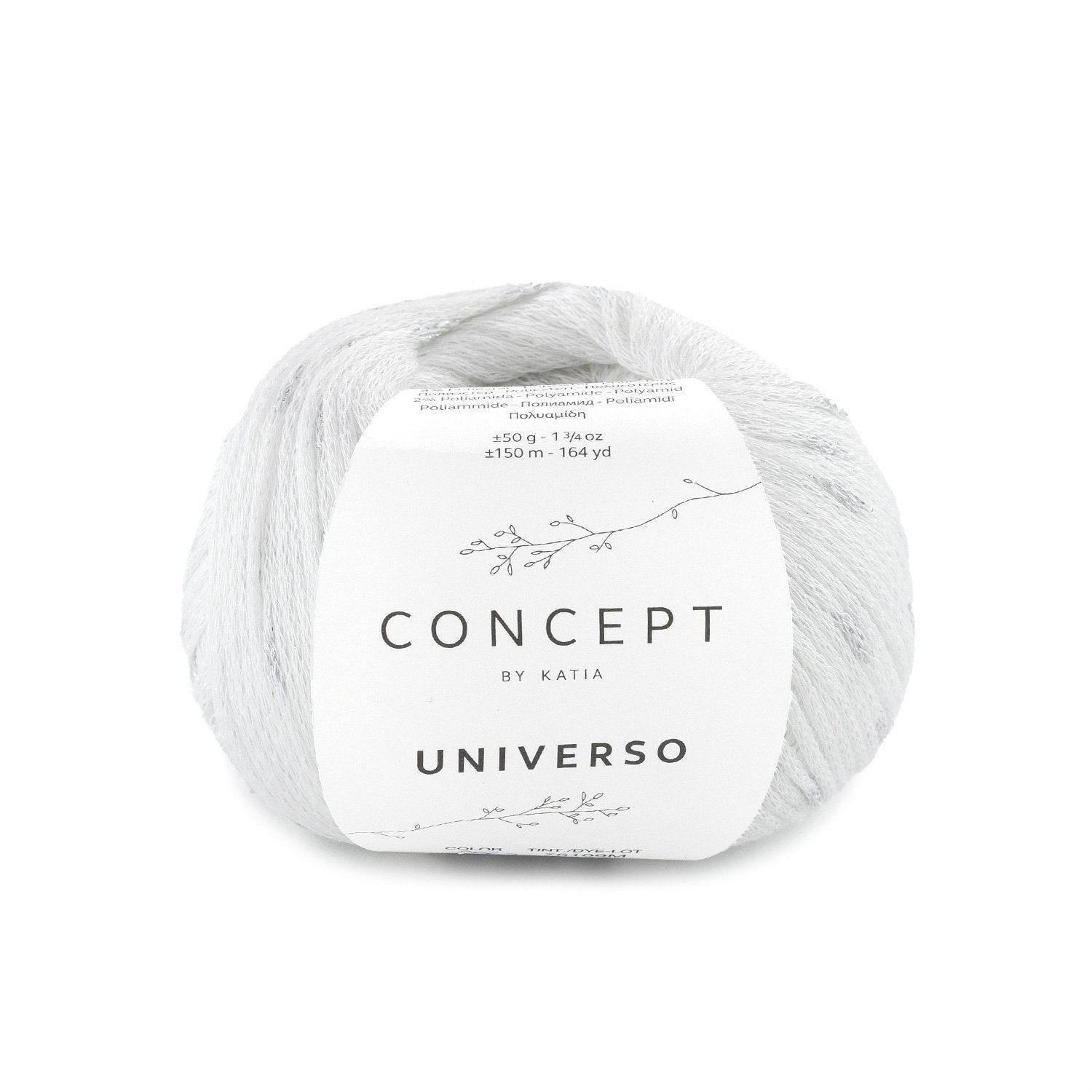
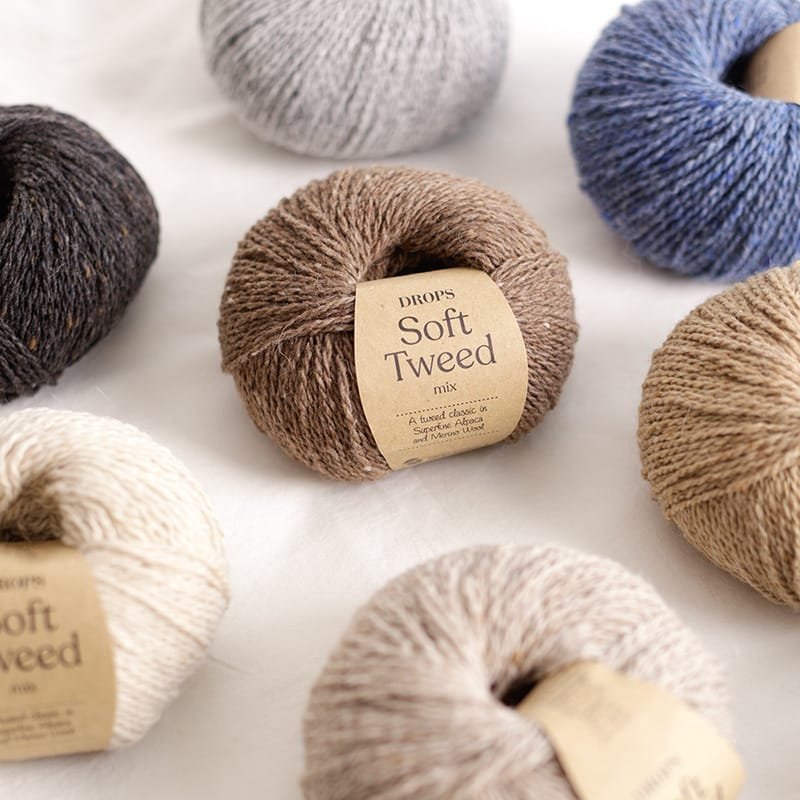
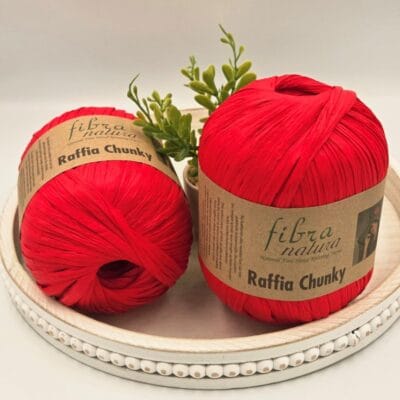
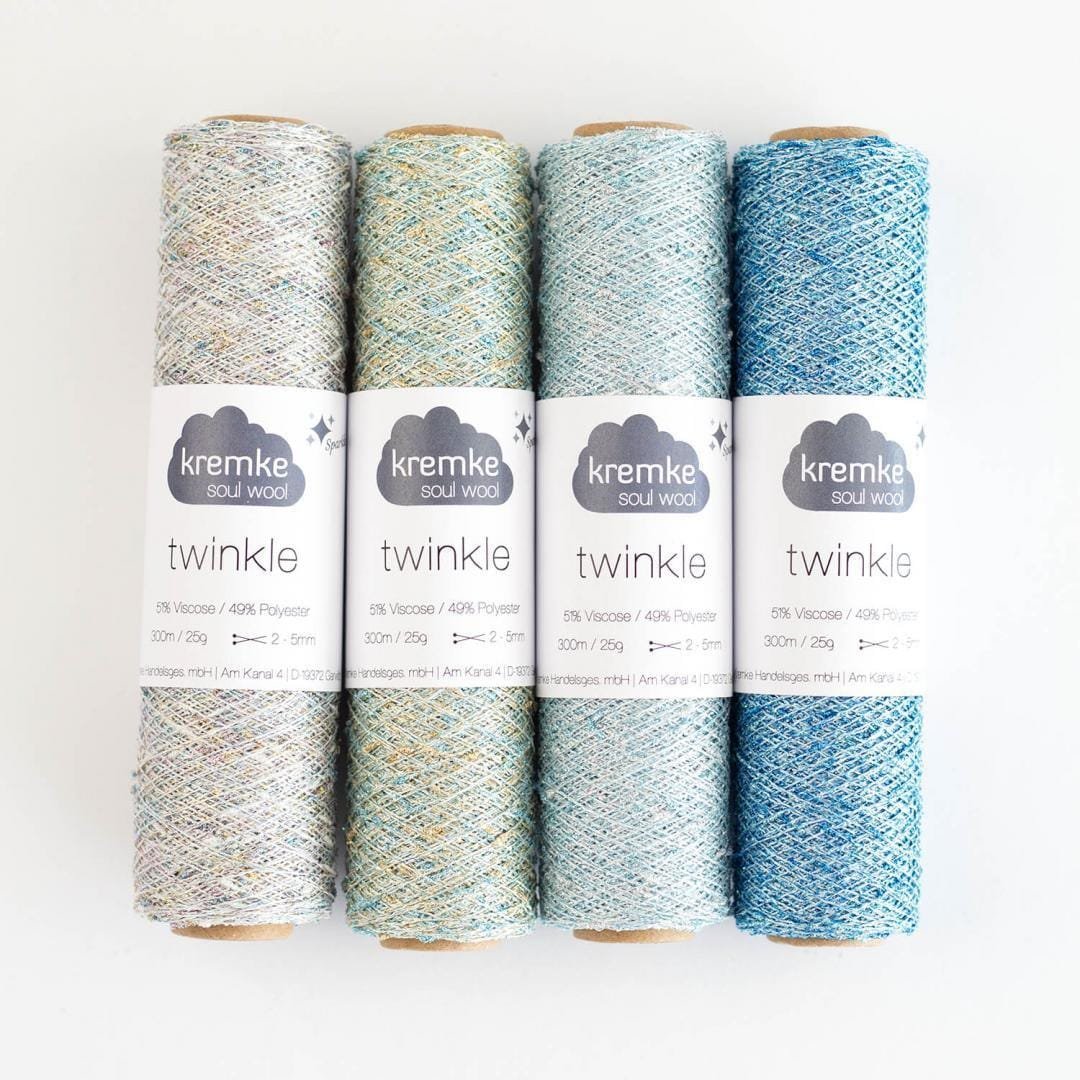
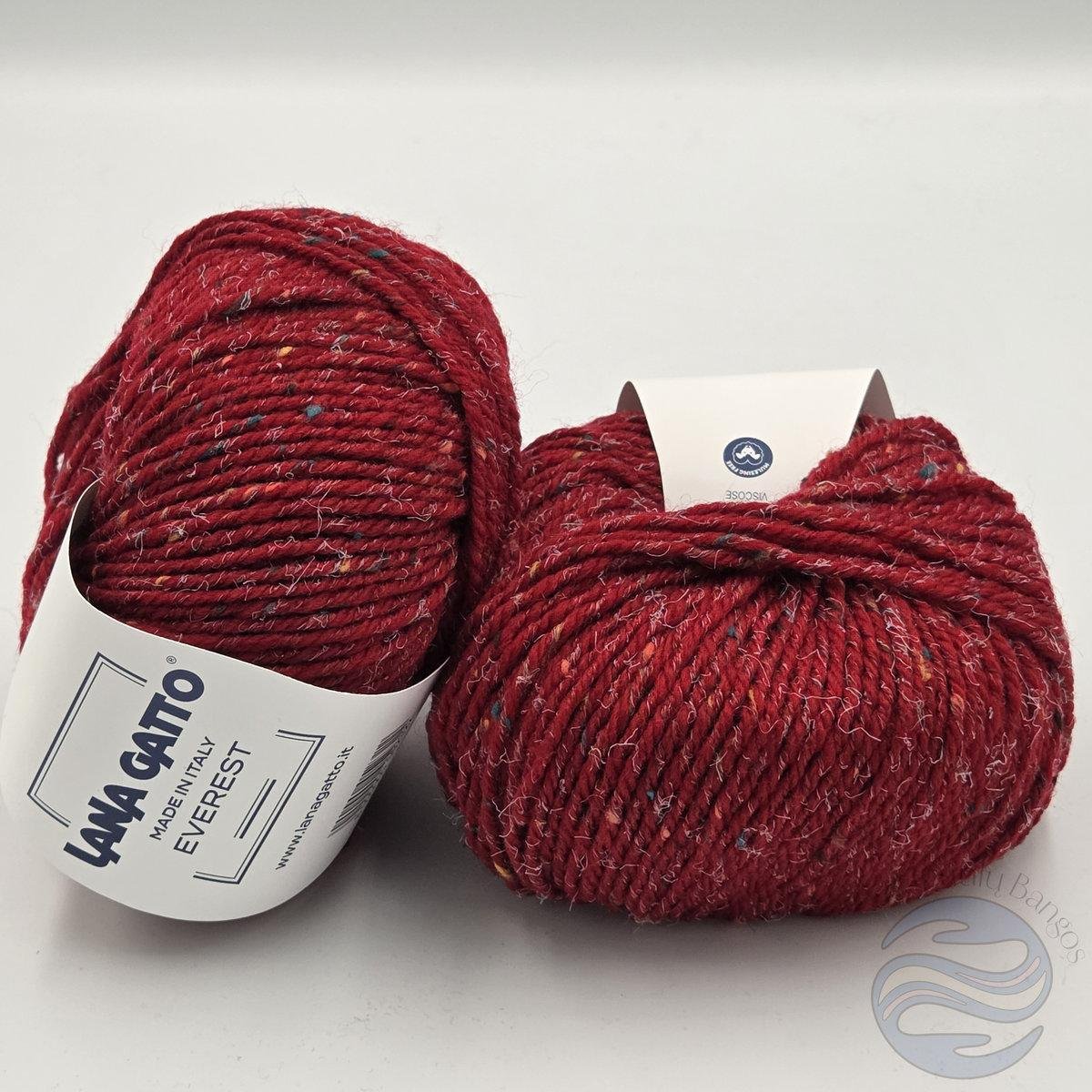
In garment yarn, viscose may be blended with cotton, linen, wool or other fibres. For example, DROPS BELLE combines viscose with cotton and linen, while DROPS SOFT TWEED and Lana Gatto EVEREST use it in wool blends. Kremke STELLARIS, Kremke TWINKLE and Concept by Katia UNIVERSO represent finer decorative or metallic-effect threads. Katia ECOLIFE RIBBON, Katia RAFFIA X-TREME and Fibra Natura RAFFIA CHUNKY show a very different direction: ribbons and raffia-style materials for bags, hats and interior accessories.
Bamboo viscose and other names
When a label says “bamboo viscose”, it usually means that the cellulose raw material came from bamboo and the textile fibre was made by the viscose process. It is not mechanically separated, untreated bamboo fibre. Regenerated cellulose fibres should not all be treated as identical. Lyocell is made with a different dissolving process, while TENCEL™ is a trademark belonging to a specific manufacturer, not a general name for every viscose yarn.
What can you knit or crochet with viscose yarn?
Smooth viscose yarn and blends can suit tops, dresses, shawls and other projects where drape matters. Fine decorative threads may be held together with another yarn or used for accents. Raffia and ribbon yarns are more often chosen for bags, baskets, hats and décor. Special constructions, such as elastic yarn designed for swimwear, should only be used for the purpose stated by the manufacturer. Compare raffia yarn, shiny yarn and cotton yarns.
Drape, elasticity and the gauge swatch
A fabric containing viscose often drapes more freely and may have a subtle sheen, but viscose is usually less elastic than wool. A larger or heavier garment can lengthen under its own weight, so wash, dry and measure the swatch in the same way the finished item will be cared for. Count the stitches only after this process. If the project requires stretch, follow the pattern and the exact fibre composition rather than relying on the word “viscose” alone.
How to choose weight, quantity and tools
Compare the ball weight, yarn length and recommended needle or hook size. A fine decorative thread may contain several hundred metres in a small ball, while a raffia ribbon has a much shorter length. Calculate the required amount from the pattern’s total length, size and your gauge. Choose suitable knitting needles and crochet hooks according to the exact yarn label and the desired firmness of the fabric. For a large single-colour project, buy enough from the same dye lot. If you work with several strands or add a fine shiny thread to the main yarn, calculate the required length for every component separately. For a bag or hat, also consider structural firmness, handle attachment and whether a lining is planned.
Caring for viscose yarn projects
Different viscose constructions and blends may react differently to moisture, friction and drying. Always choose the washing temperature and cycle from the label, and shape the item without overstretching it. If the composition includes wool, a metallic-effect thread or elastic fibre, base care on the most delicate component. Explore the complete selection in our yarn for knitting and crocheting category.