Cashmere yarn





Cardiff Cashmere CLASSIC (100% cashmere)
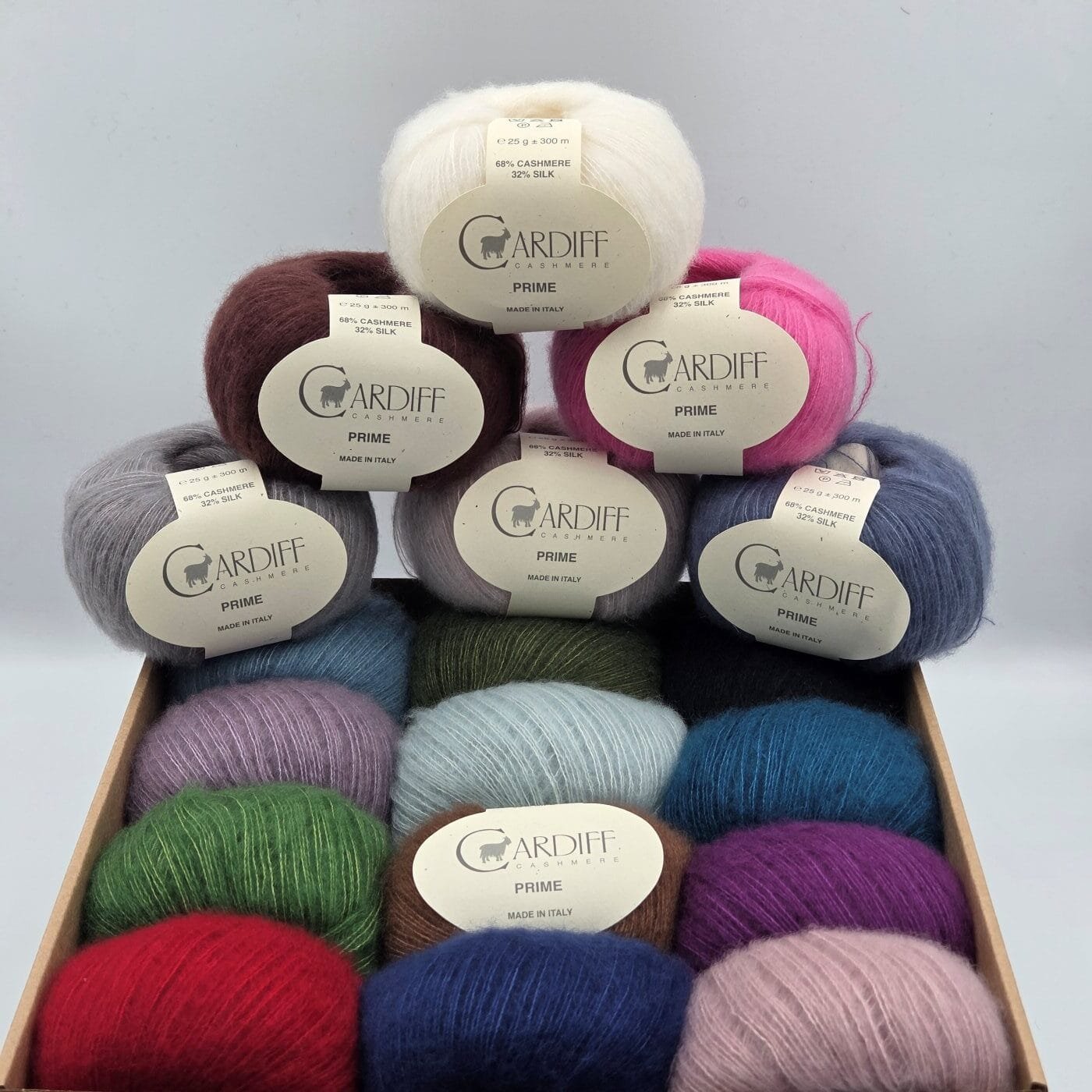
Cardiff Cashmere PRIME cashmere and silk yarn

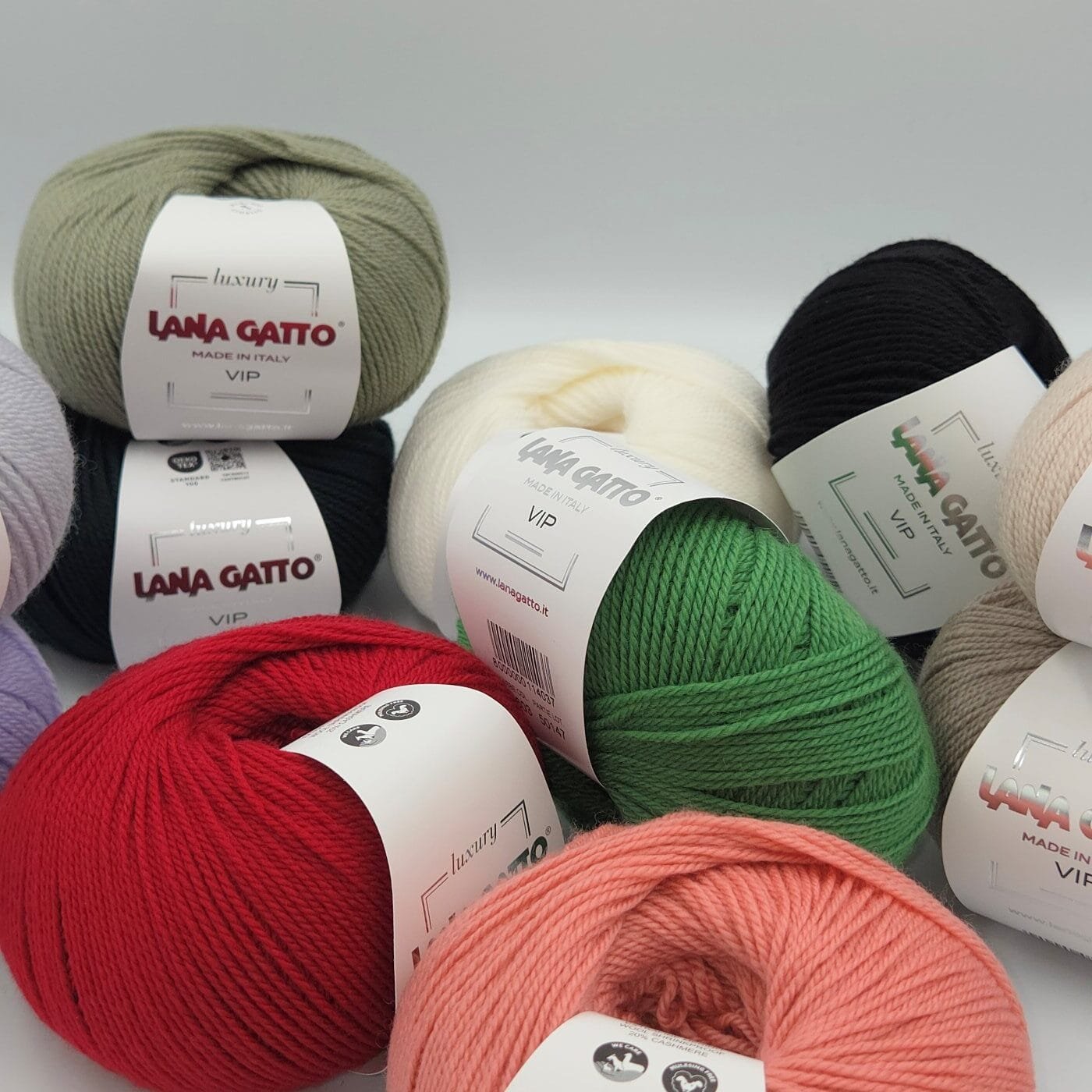
Lana Gatto VIP (merino wool, cashmere)
Cashmere yarn for light and soft knitwear
Cashmere yarn is valued for softness, low weight and comfortable warmth. Cashmere fibre comes from the fine undercoat of cashmere goats, which protects them from cold. It is much finer and softer than the outer guard hair and is collected in relatively small quantities. Fibre selection, length, fineness and spinning method influence yarn consistency, surface and the feel of the finished garment.
This category includes both 100% cashmere and blends with merino wool, other wool or silk. Pure cashmere is not the only valid choice: another fibre in a blend can change structure, drape, durability, yarn length and price. Define the project first, then compare the percentages on the label.
Pure cashmere or a cashmere blend?
- 100% cashmere suits projects where lightness, a soft surface and a luxurious natural-fibre feel matter most. Cardiff Cashmere CLASSIC has approximately 112 m / 25 g, while the finer Cardiff CASHMERE Small has about 170 m / 25 g.
- Cashmere with silk can be finer, smoother and drape differently. Cardiff Cashmere PRIME has approximately 300 m / 25 g, so calculate quantity by metres rather than by balls. Compare other silk yarns.
- Cashmere with merino wool combines qualities of both fibres and can offer a more practical price for a larger garment. Lana Gatto VIP blends merino wool with cashmere; find more options in our merino wool yarn category.
- Cashmere with wool can add structure. Bertagna Filati by Arvier ECOCASHMERE combines cashmere and wool, so assess it separately from pure cashmere. Browse other wool yarn.
What can you knit with cashmere?
Cashmere is especially valued for garments and accessories worn next to the skin: sweaters, cardigans, scarves, shawls, hats and cowls. Individual sensitivity varies, so touch and test the yarn before a larger project. A fine cashmere yarn can be used alone, in a lightweight layered garment or held with another yarn when the pattern allows.
Choose the stitch pattern according to the yarn surface. A smooth, evenly spun yarn can show cables, ribbing and delicate lace clearly. A very complex pattern is not always necessary because the surface and colour of a quality fibre can become the main feature. Explore more considered choices in our luxury yarn category.
How to calculate the quantity
Cashmere is often sold in small balls, such as 25 g, so the number of balls alone can mislead. Use the total pattern length, your size and gauge. Cables, longer sleeves and a high collar require more yarn. Buy one dye lot for the whole project and allow extra for a swatch and adjustments. If you are choosing Cardiff, browse the full Cardiff yarn category.
A swatch matters more than the recommended needle size
The needle size on the label is a starting point, not a fixed rule. Knit a sufficiently large swatch, wash it and only then measure. This shows whether the fabric is too loose, holds its shape and matches the pattern gauge. Even a small gauge difference can change the final dimensions and yarn consumption in a larger garment.
Caring for cashmere knitwear
Always follow the label of the exact yarn. Cashmere usually benefits from gentle washing at a low temperature without rubbing or wringing, followed by flat drying. Store the garment folded. A small amount of surface pilling can be natural with wear, especially in areas exposed to friction; remove pills carefully without damaging the yarn.
If you are unsure about composition, thickness or quantity, browse all our knitting and crochet yarns or contact Siūlų Bangos. We can help compare the options for your pattern.