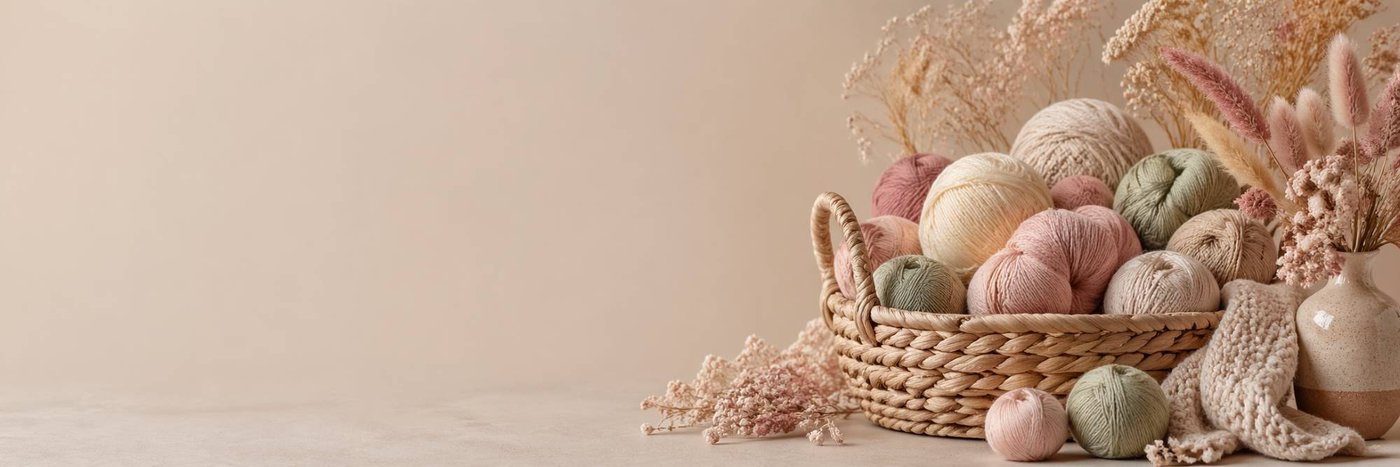
Wool blend yarn








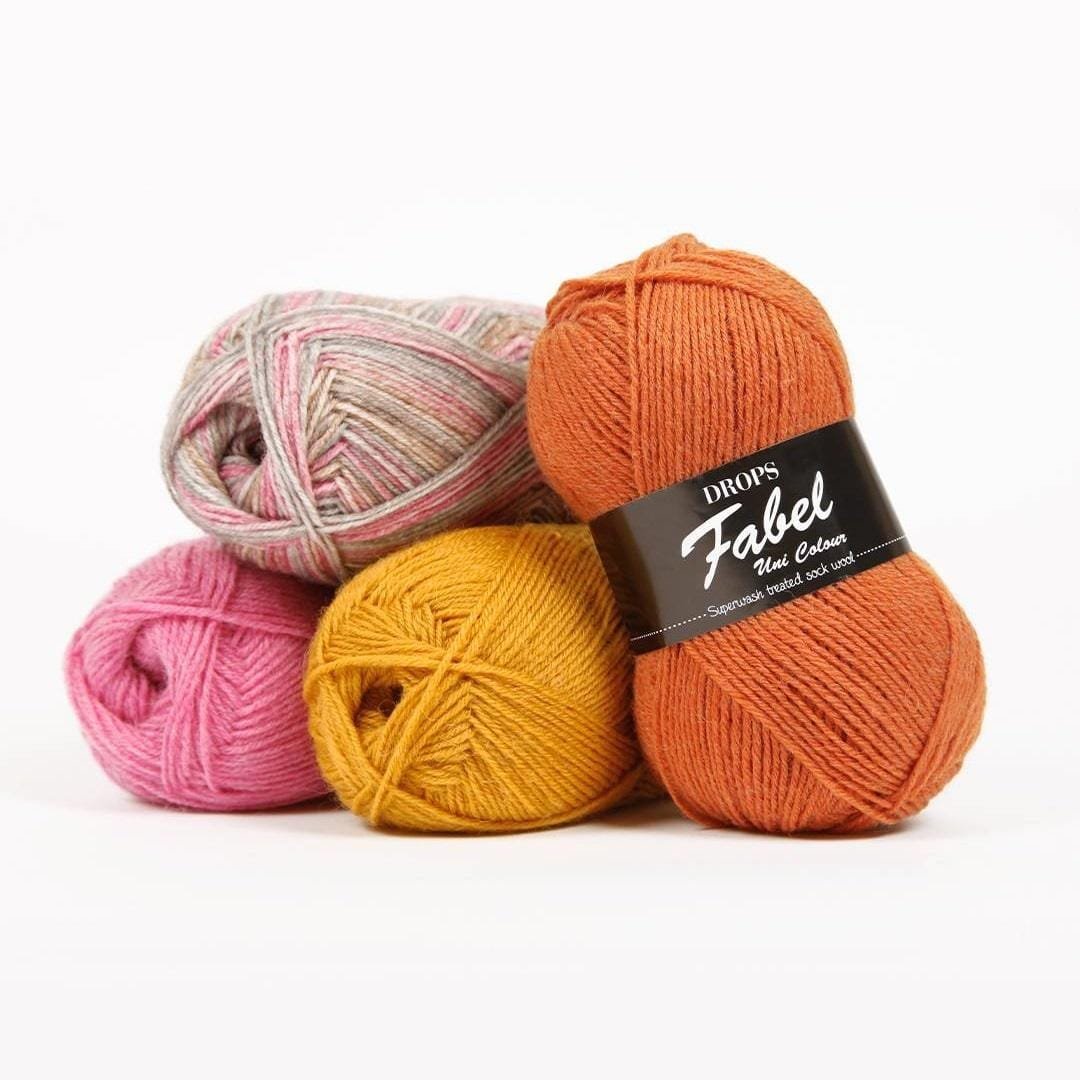
DROPS FABEL (wool, polyamide)
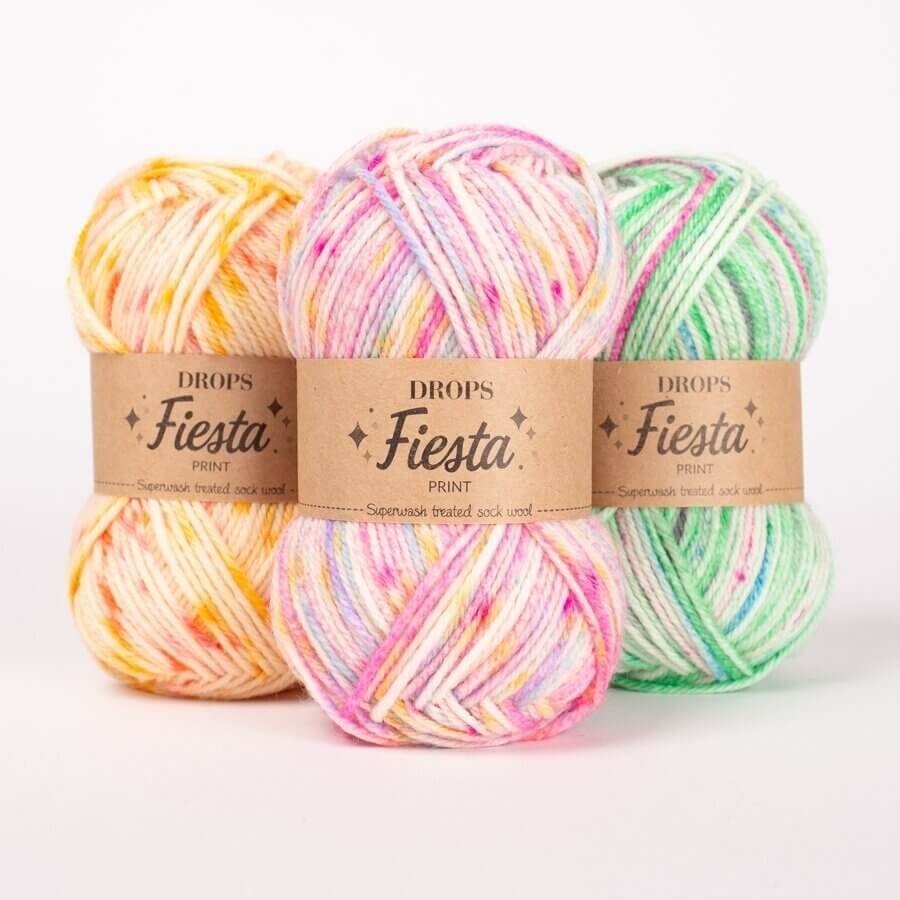
DROPS Fiesta (75% wool, 25% polyamide)
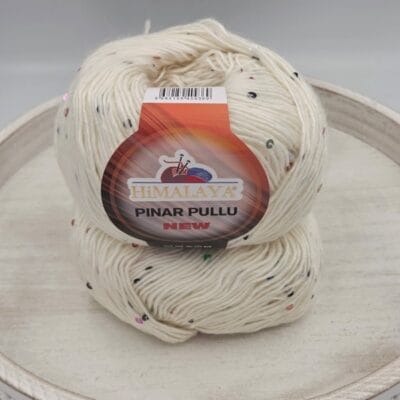
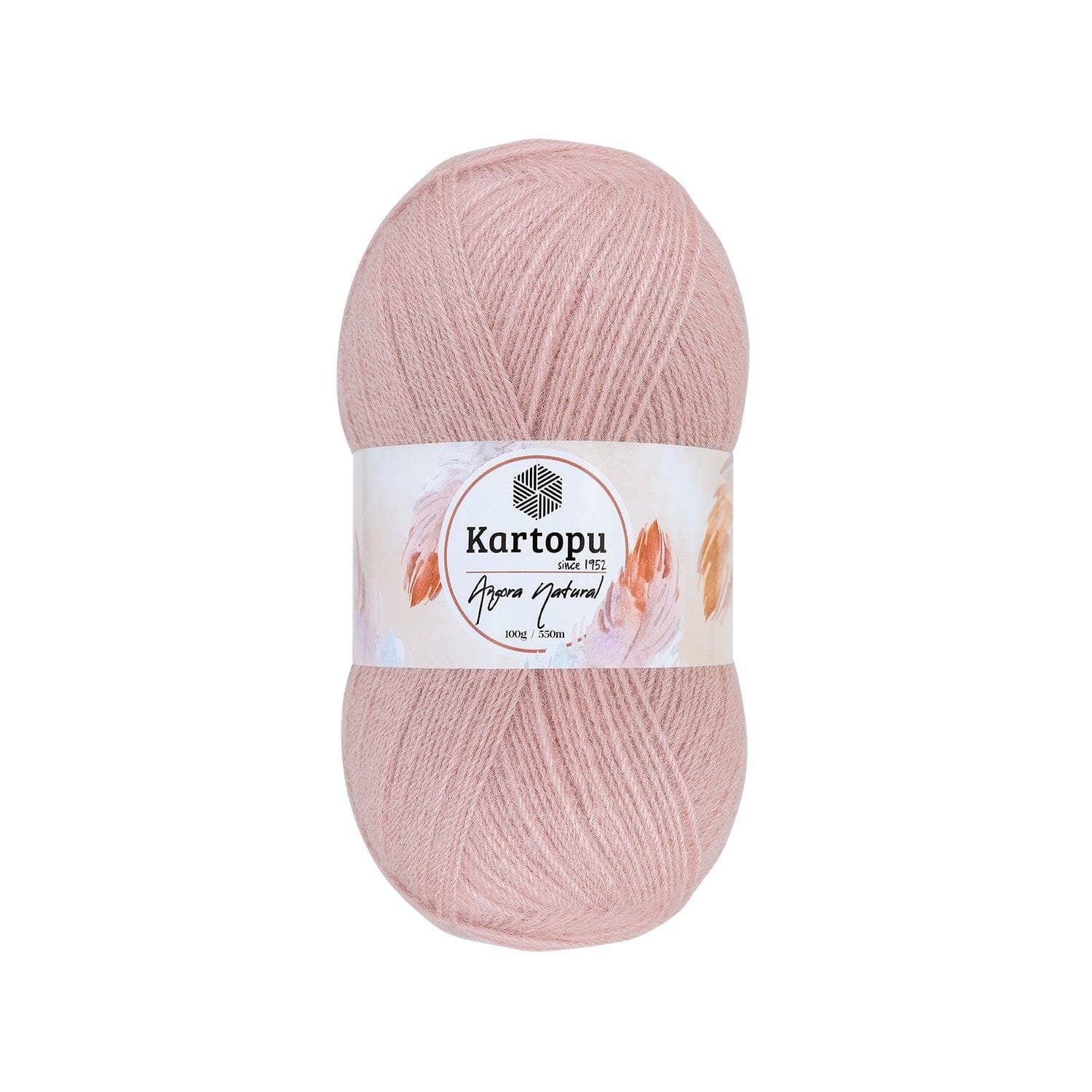
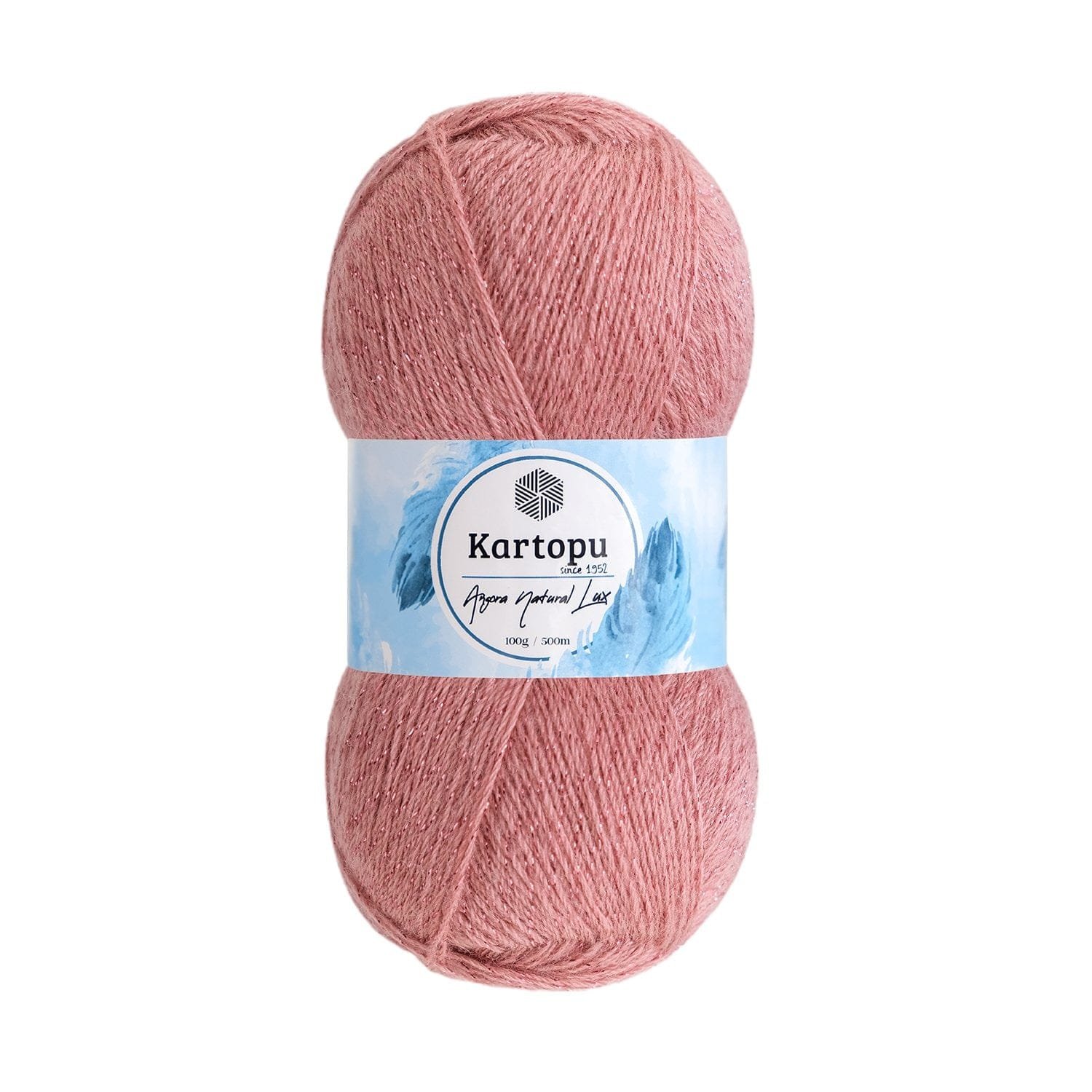
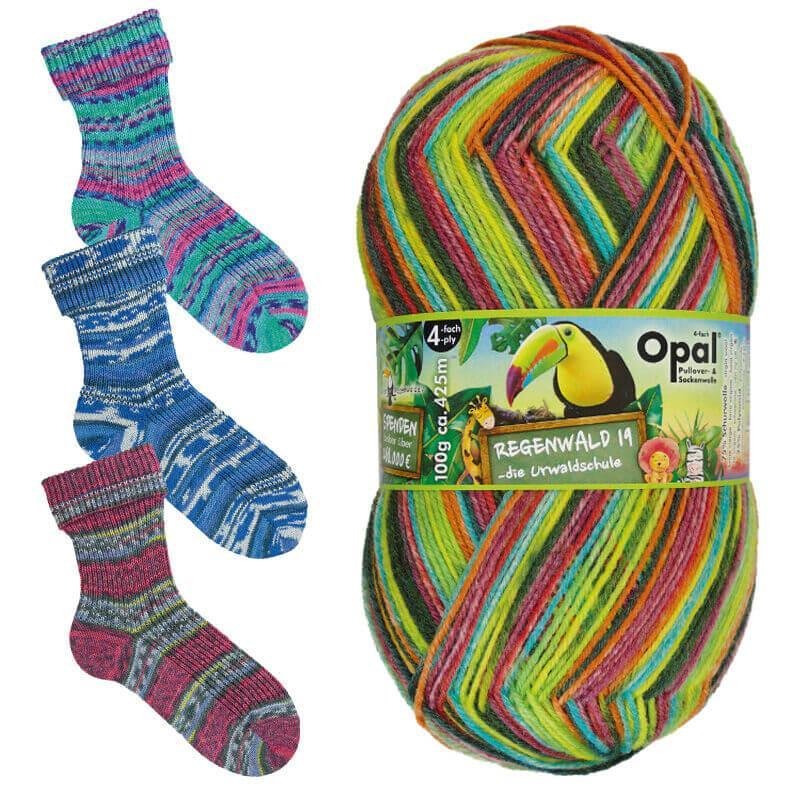
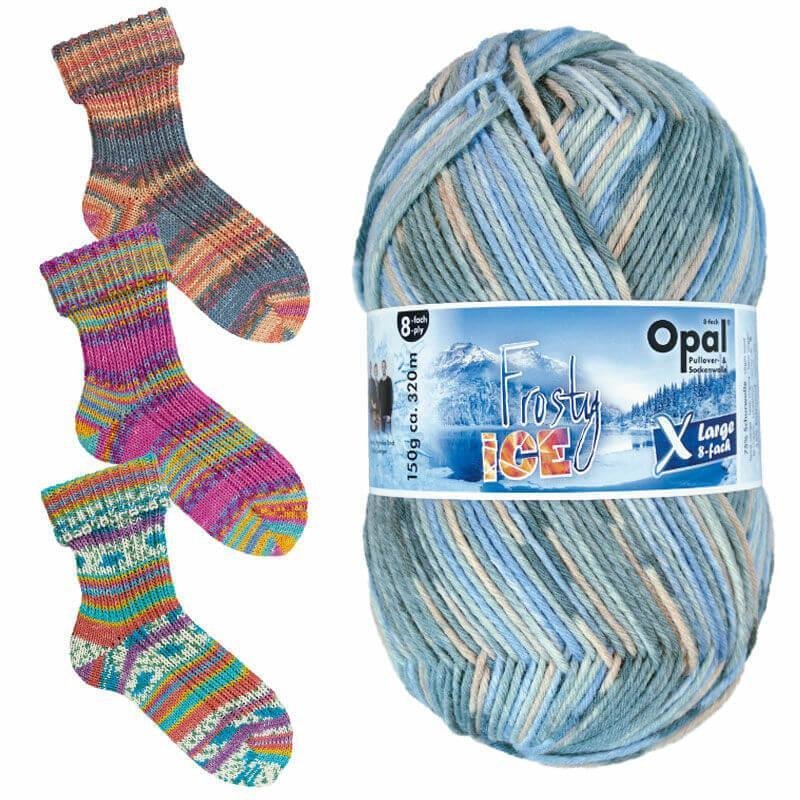


Wool-blend yarn for knitting: wool combined with other fibres
Wool blend yarn is yarn in which wool is combined with polyamide, acrylic, cotton or another fibre. The term “wool blend” does not necessarily mean an exact 50/50 ratio, so always read the specific composition before buying. Fibre percentages, the type of wool, twist and yarn weight determine whether it is best suited to socks, a sweater, accessories or a decorative project.
Why is wool blended with synthetic fibres?
Wool gives fabric its characteristic elasticity, temperature regulation and surface character. Polyamide is often added for greater abrasion resistance, which is why the combination is common in sock yarn. Acrylic can reduce yarn weight, change the feel and make everyday care more practical. However, a blend cannot be judged from fibre names alone: 75% wool and 25% polyamide behaves differently from a fluffy wool-and-acrylic yarn. Compare wool yarn, polyamide and acrylic yarn.
Wool-blend yarn for socks
DROPS FABEL, DROPS Fiesta, Concept by Katia SYMMETRIC SOCKS & MORE-DEGRADÉ, Opal REGENWALD, Opal XL FROSTY ICE and YarnArt FORZA are examples of wool and polyamide blends. For socks, consider not only fibre content but also yarn weight, number of plies, length and gauge. A finer 4-ply yarn suits lighter everyday socks, while thicker 6- or 8-ply versions make warmer socks more quickly. Always check the exact purpose and quantity in the product description. Find more options in the sock yarn category.
Blends for sweaters and accessories
Wool and acrylic blends such as Kartopu ANGORA NATURAL can be used for sweaters, vests, scarves, hats and other everyday projects. Effect yarns with sequins or sparkle are better suited to accents and decorative work. A fluffy or shiny surface may hide a complex stitch pattern, so make a swatch first and check whether the chosen texture lets the pattern show. If a specific type of wool matters, explore our merino wool yarn.
How to choose the weight of wool-blend yarn
Compare ball weight and yarn length: yarns of the same weight may be very different in thickness. The needle or hook size on the label is a starting point, but final gauge depends on your working tension and pattern. If the swatch contains too many stitches, you may need larger needles; if too few, use smaller ones. Match suitable needles and hooks to the pattern and construction of the particular yarn.
Planning quantity and colour
Calculate the required quantity from the pattern’s total yarn length, size and the gauge of a washed swatch. In self-patterning sock yarn, the colour repeat may distribute differently depending on stitch count and circumference. For a larger single-colour project, buy enough yarn from the same dye lot at once to reduce the risk of visible shade differences.
A wool blend is not a separate type of wool
The term “wool blend” describes a mixture of fibres, not a particular sheep breed, wool fineness or automatic care method. It is not a synonym for Superwash. Merino wool, alpaca or mohair in a blend must be stated separately, as must any special treatment. Two yarns both described as wool blends can therefore differ in softness, fluffiness, elasticity and washing requirements. Assess the exact percentages and product label rather than the category name alone.
Caring for wool-blend projects
Synthetic fibre does not mean a blend tolerates intensive washing. Follow the most delicate fibre and the label symbols. If Superwash is stated, use the manufacturer’s programme; otherwise choose gentler wool care. Wash the swatch before calculating final measurements. Explore the full selection in our yarn for knitting and crocheting category.