Lyocell
Brand name


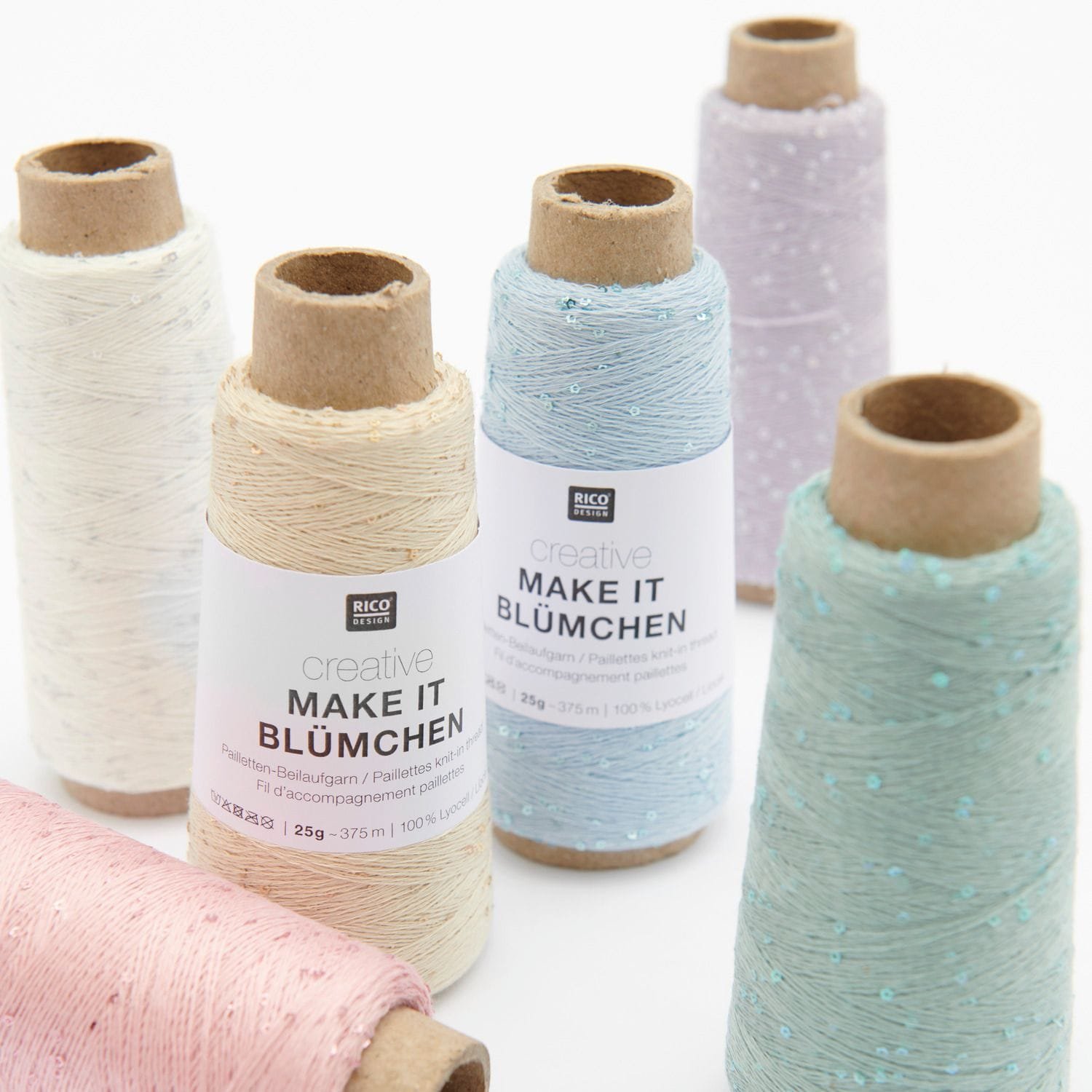
Lyocell yarn: what is it and how does it differ from viscose?
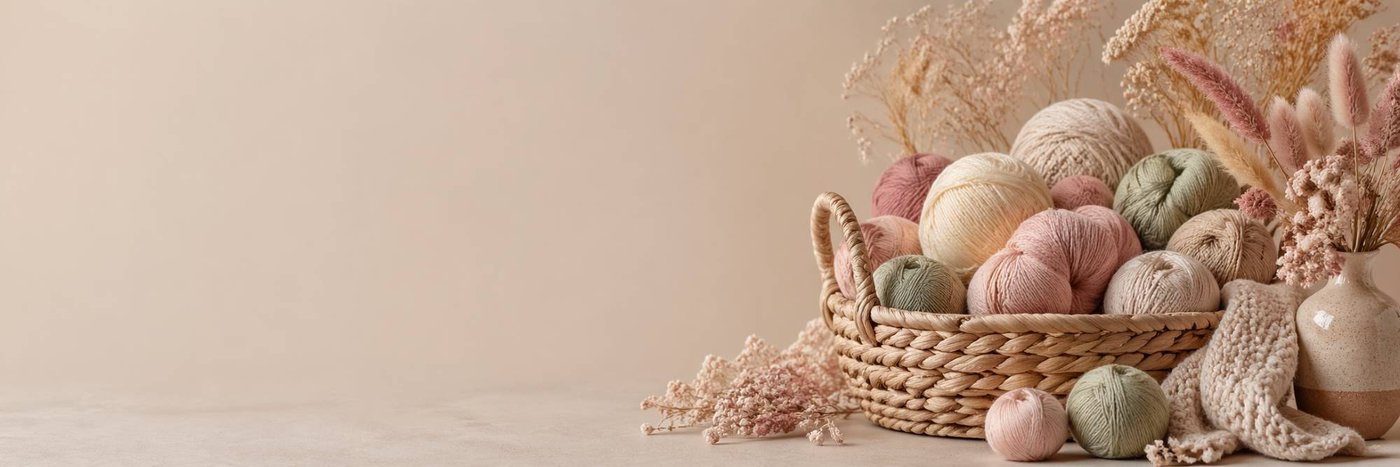
Lyocell is a regenerated cellulose fibre made from dissolved wood pulp. Its raw material is plant-based cellulose, but the fibre is produced industrially, so “regenerated fibre” is more accurate than “untreated natural fibre”. Lyocell yarn is often smooth and soft, absorbs moisture well and gives fabric a light, fluid drape.
These qualities suit warm-season garments, tops, lightweight sweaters, shawls and crochet projects. The complete yarn composition still determines the result. Lyocell is often blended with cotton, wool or other fibres to change elasticity, strength, warmth and care requirements.
Lyocell, viscose and TENCEL™: are they the same?
Lyocell and viscose yarn belong to the regenerated cellulose fibre group, but their manufacturing processes differ. Not every lyocell and viscose yarn will therefore feel or behave the same. Compare the exact composition, yarn length, twist, care instructions and manufacturer information.
TENCEL™ is not a general name for all lyocell fibres; it is a Lenzing trademark. Use the TENCEL™ name in a product description only when the yarn manufacturer provides it. According to Lenzing, TENCEL™ lyocell fibres are produced from wood using a closed-loop process, but the same production and sustainability claims should not automatically be applied to every generic lyocell yarn.
Which projects suit lyocell yarn?
- Summer garments. A smooth surface, moisture absorption and light drape work for tops, lightweight cardigans and fine sweaters.
- Shawls and wraps. Lyocell blends can show openwork clearly and add a subtle sheen.
- Crochet. Even fibre helps form defined stitches, although overly dense fabric may become heavy and less elastic.
- Children’s and next-to-skin garments. Assess the particular blend, care needs and individual skin sensitivity; the fibre name alone cannot guarantee identical comfort.
- Blended yarn. Lyocell with cotton is often chosen for warmer weather, while wool in the blend can add warmth and elasticity.
How to choose weight, length and tools
Consider yarn length and recommended gauge, not ball weight alone. Balls of the same weight may have very different thicknesses, so calculate quantity from the pattern measurements, your swatch and the metres stated on the label. Lyocell yarn can be slippery; some knitters prefer wooden tools, others metal knitting needles or crochet hooks. Choose according to the desired fabric density and your technique.
Before starting a garment, make a sufficiently large swatch. Wash and dry it before measuring because fabric containing lyocell can become heavier, stretch or change its drape. This is especially important for longer tops, dresses and relaxed sweaters.
What do blend percentages show?
A small amount of lyocell may make a blend smoother or change its drape, but it does not make the entire yarn equivalent to 100% lyocell. The dominant fibre often has a stronger effect on warmth, elasticity and care. Judge the yarn from the full composition rather than the material highlighted in its name.
Caring for lyocell yarn projects
Follow the specific manufacturer’s label because another fibre in the blend may determine the care method. Unless instructed otherwise, use cooler water and a gentle cycle and avoid strong spinning. Shape the damp project carefully and dry flat so its weight does not stretch the construction.
How to compare alternatives
For a crisp, less elastic summer fabric, compare lyocell with linen yarn. For sheen and an elegant drape, explore silk yarn. Base the final choice on the project, full composition, yarn length, gauge swatch and care options. Browse the complete yarn for knitting and crochet range.