YARN
Brand name
 BC GarnBC Garn 1
 Bertagna Filati by ArvierBertagna Filati by Arvier 5
 CardiffCardiff 4
 DropsDrops 28
- Etrofil 2
 Fibra NaturaFibra Natura 2
 GazzalGazzal 4
 HimalayaHimalaya 5
 KartopuKartopu 3
 KatiaKatia 15
 KremkeKremke 4
 Laines Du NordLaines Du Nord 9
 Lana GattoLana Gatto 6
 LopiLopi 1
 Madame Tricote ParisMadame Tricote Paris 3
 OpalOpal 2
 PhildarPhildar 11
 Rauma GarnRauma Garn 6
 Rico DesignRico Design 4
 Rosarios4Rosarios4 6
 Silke by ArvierSilke by Arvier 5
 Tropical LaneTropical Lane 11
 YarnArtYarnArt 10
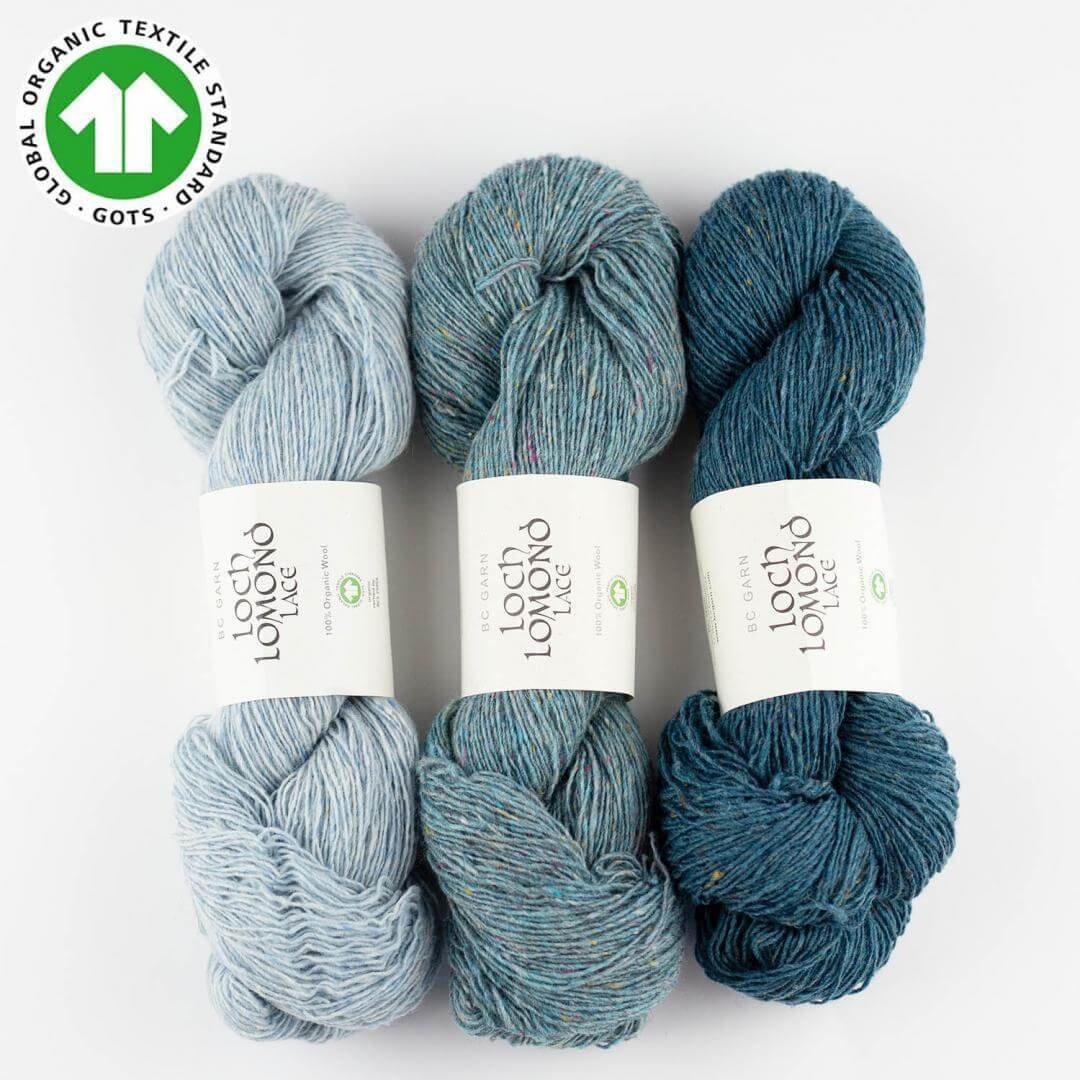
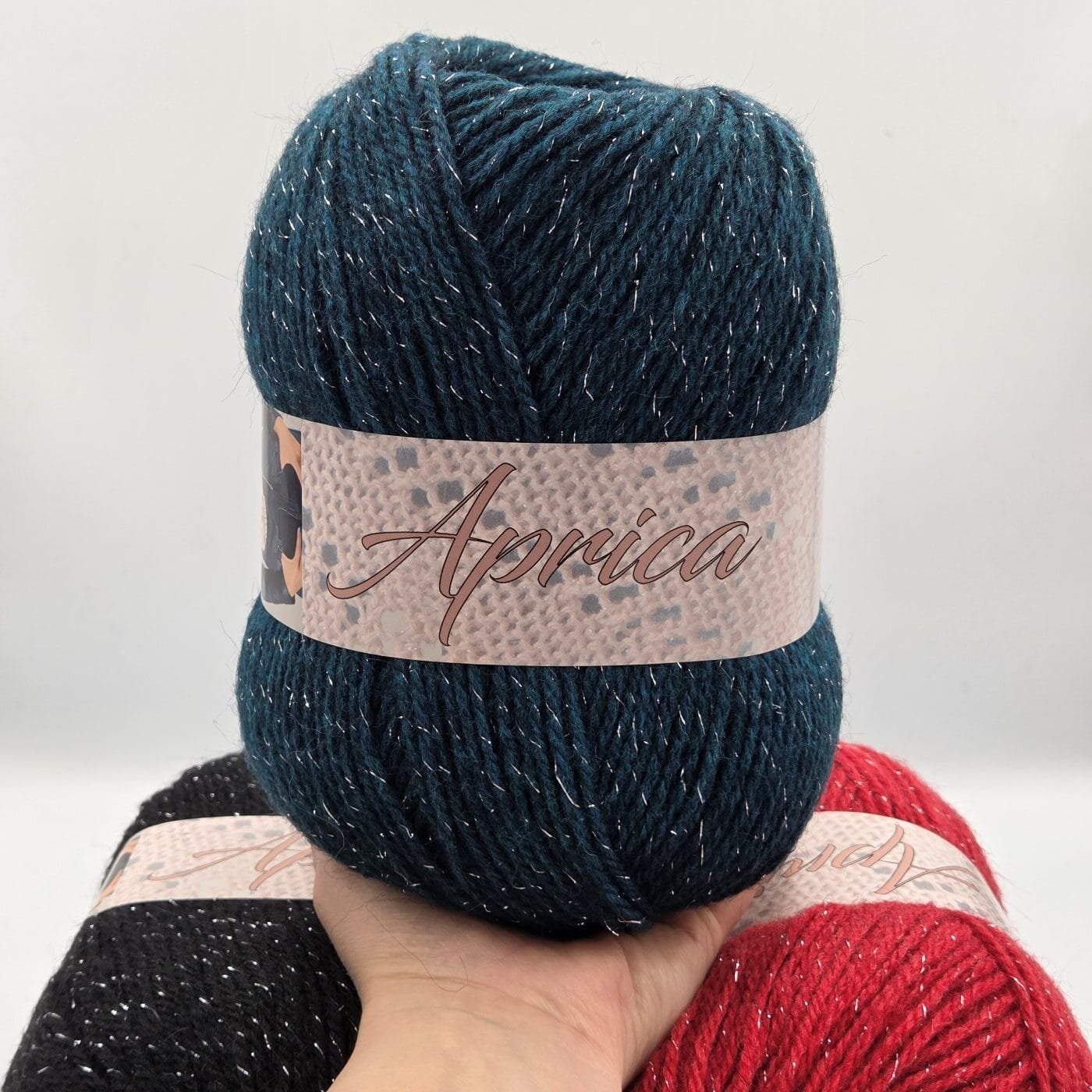


Bertagna Filati by Arvier GRINTA (wool, alpaca and acrylic)

Bertagna Filati by Arvier PRESTIGE (super baby alpaca, superfine merino, silk)

Cardiff CAMMELLO Classic (100% camel wool)

Cardiff Cashmere CLASSIC (100% cashmere)
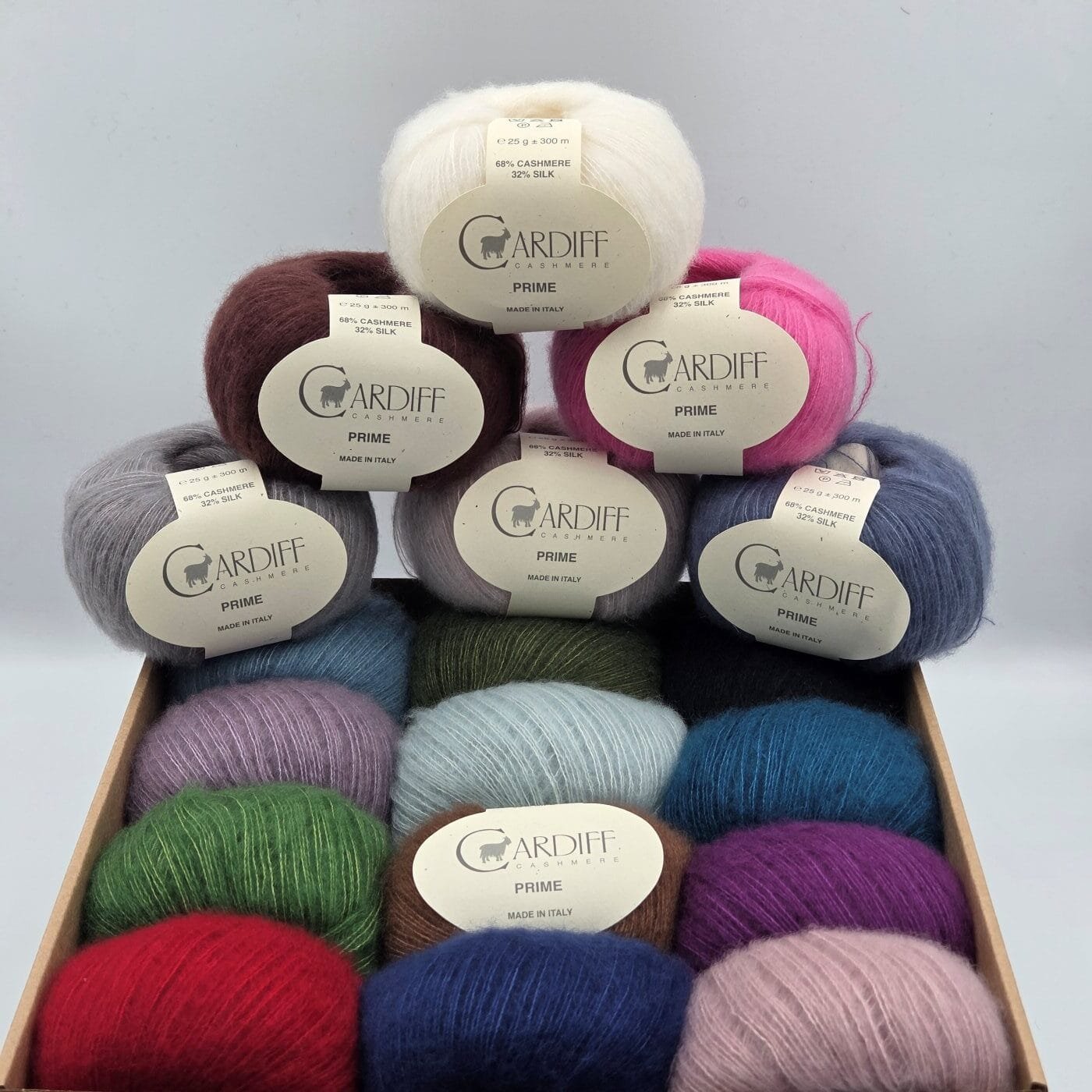
Cardiff Cashmere PRIME cashmere and silk yarn


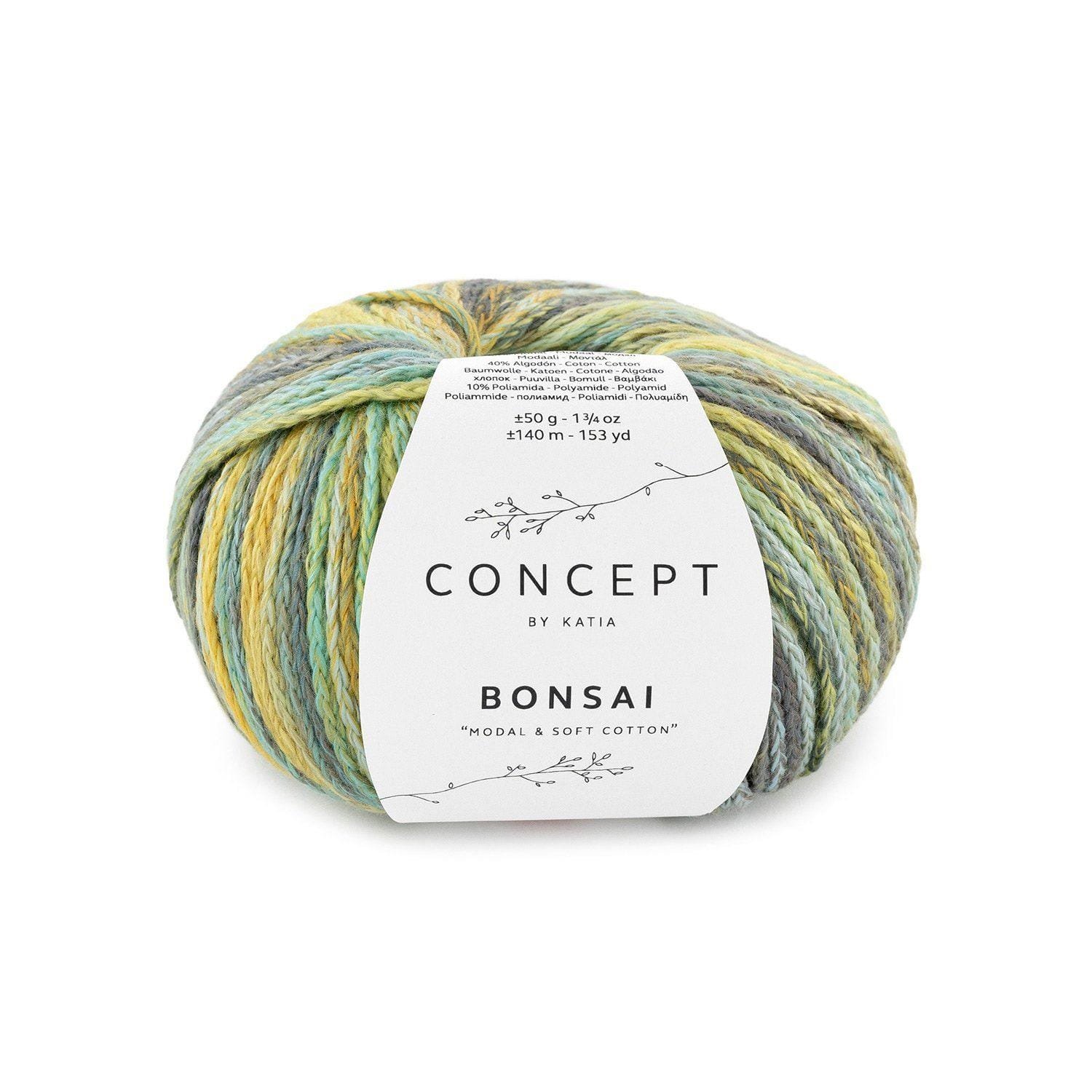
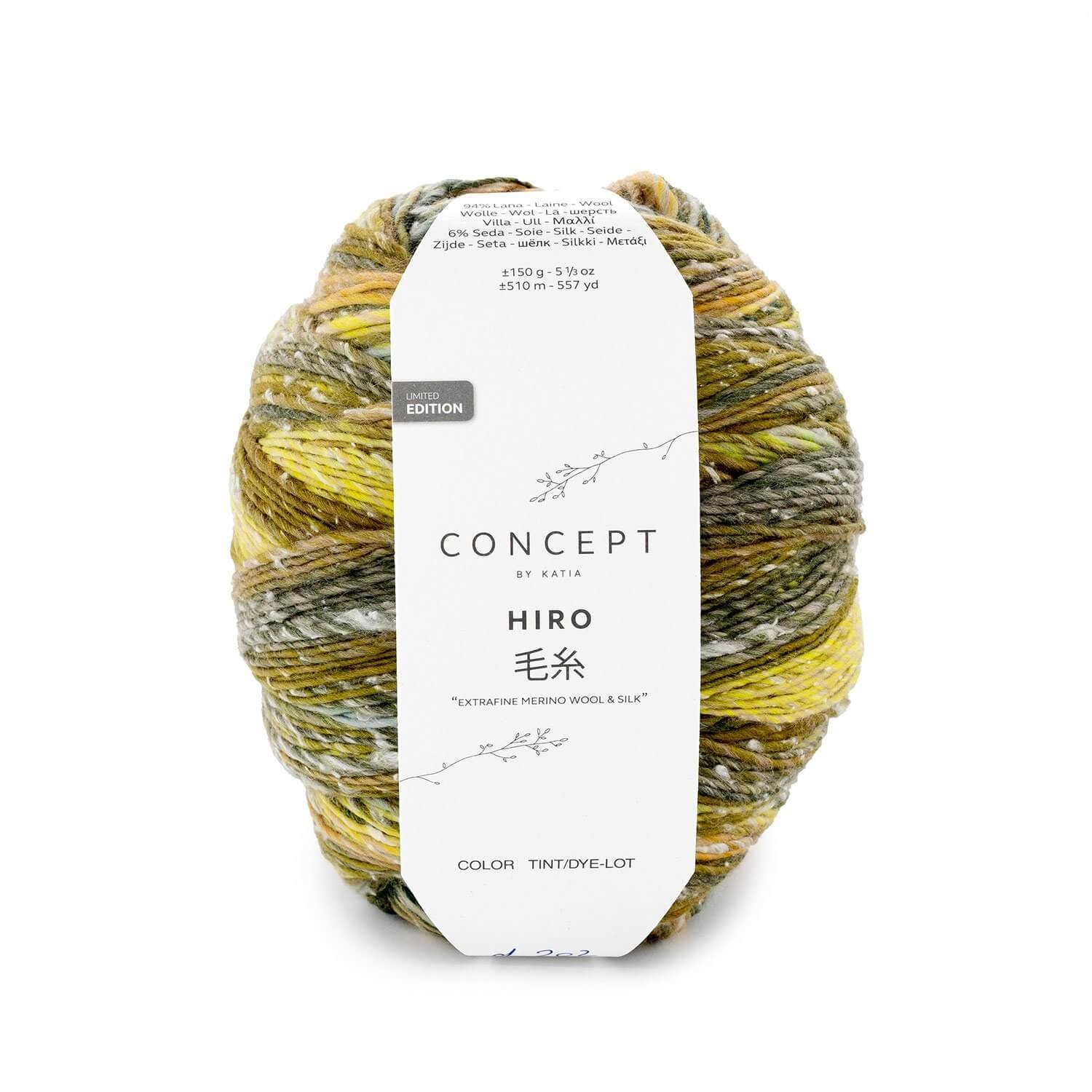
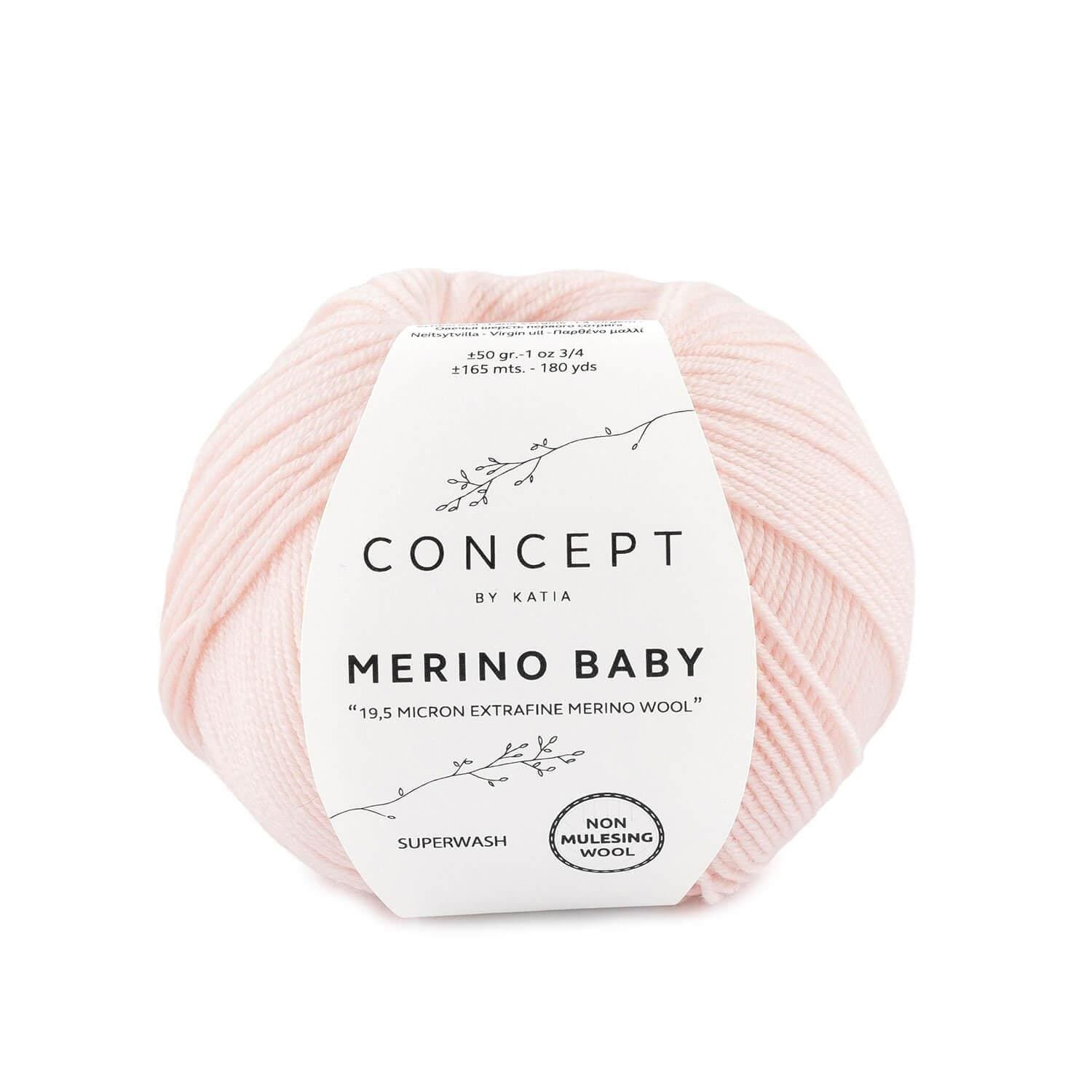
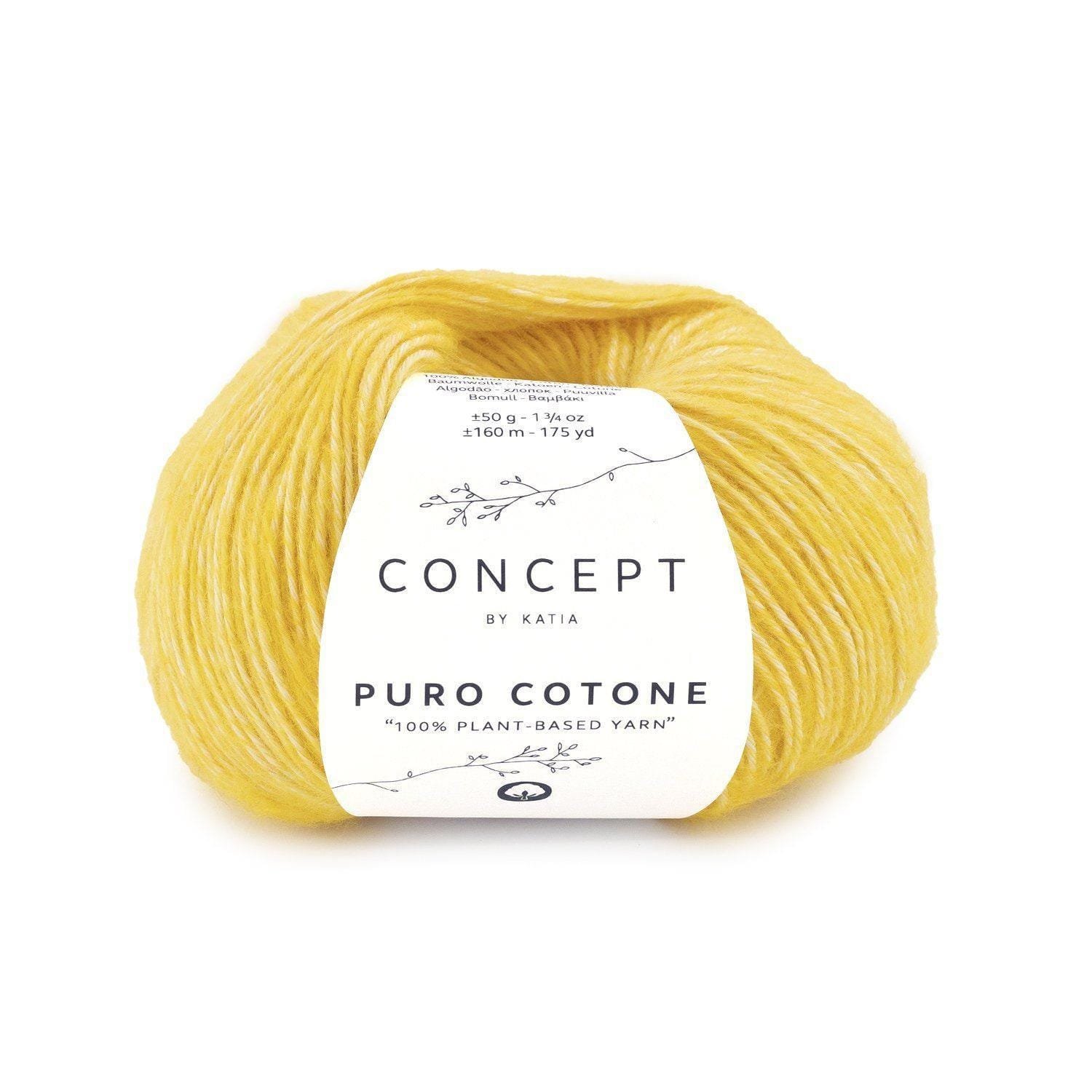

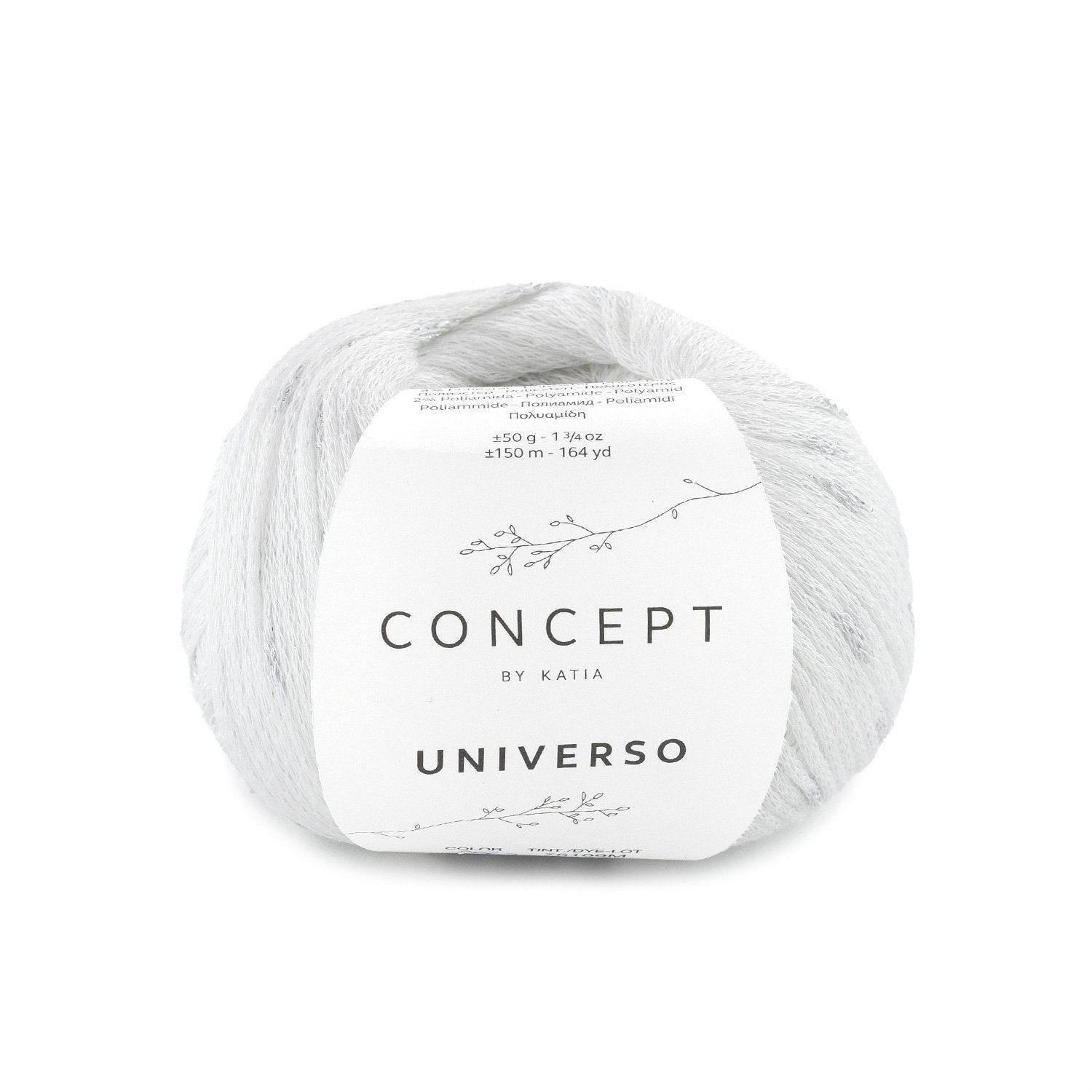
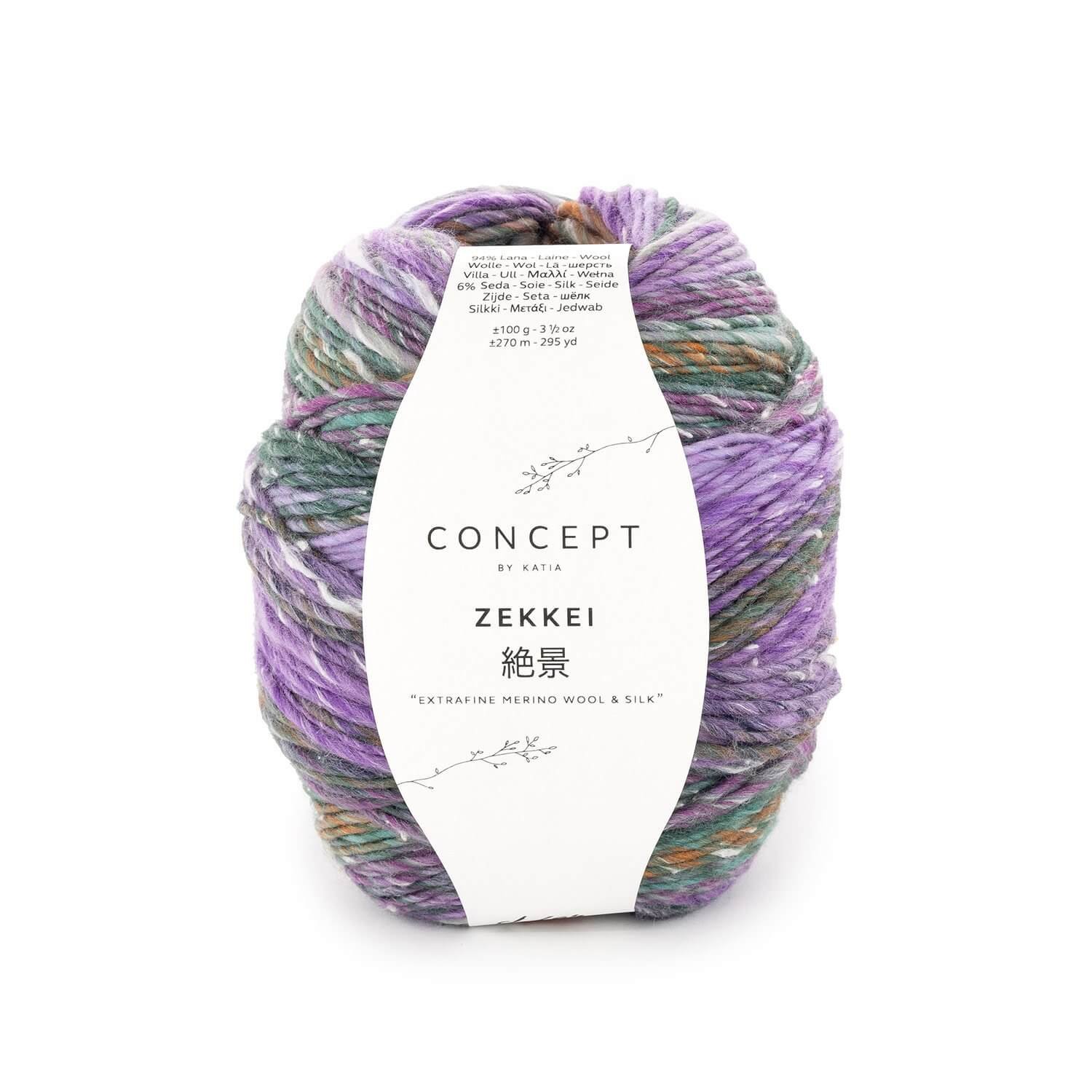
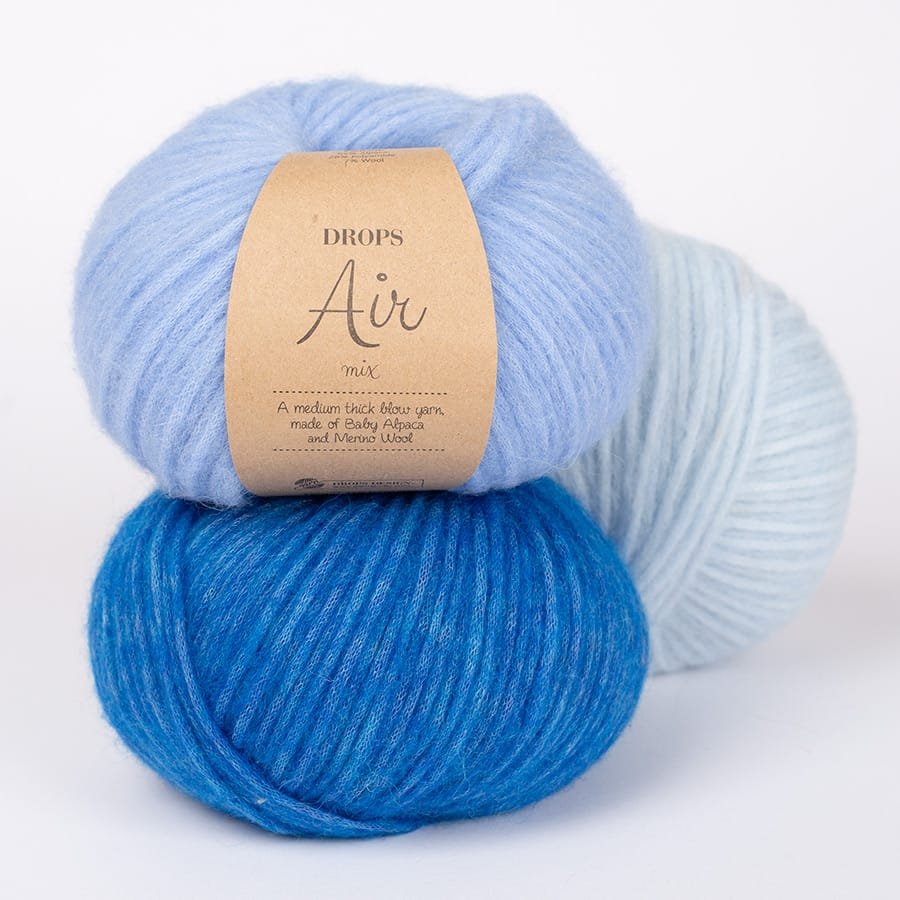
DROPS AIR (alpaca blend)
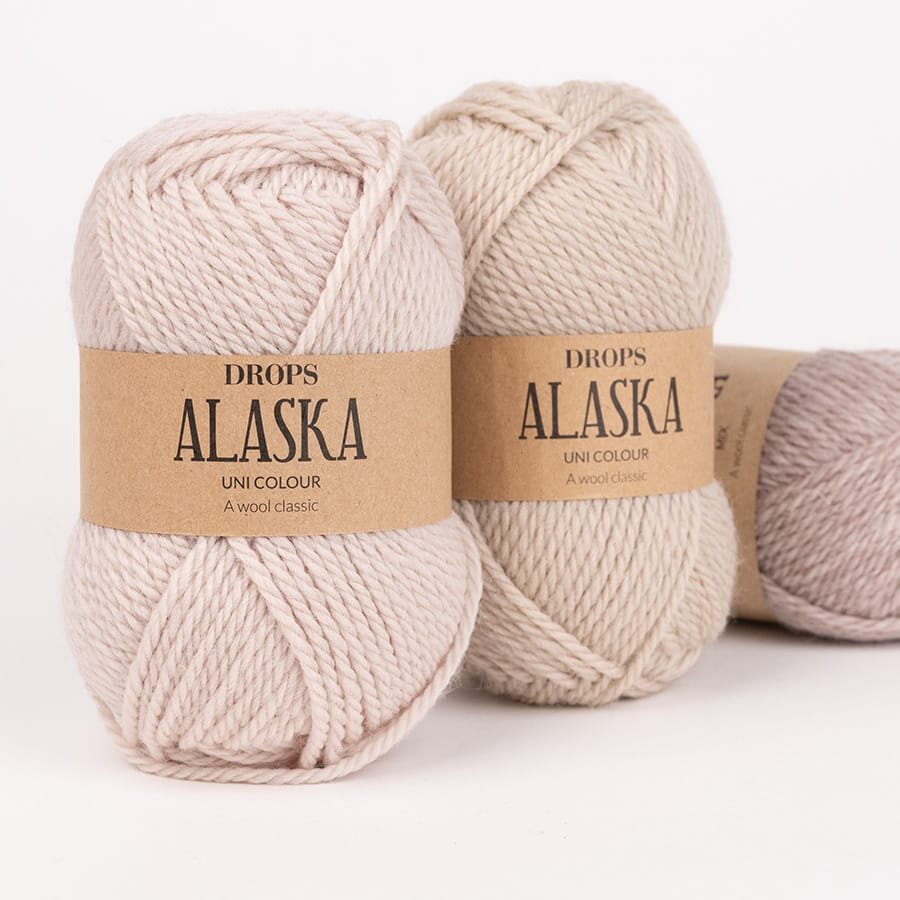
DROPS ALASKA (100% wool)
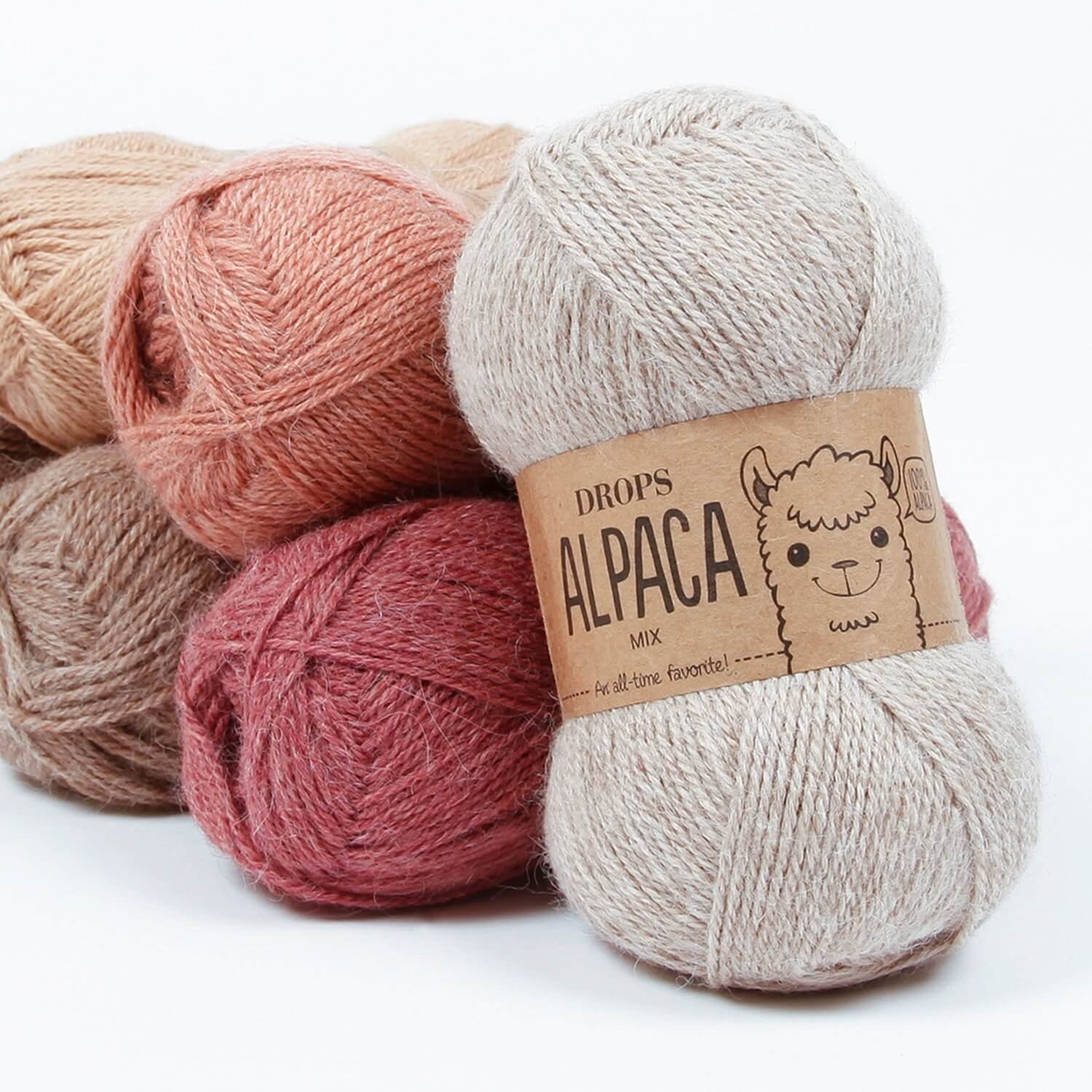
DROPS Alpaca (100% alpaca)
Knitting and crochet yarn online for every project
Knitting yarn varies by fibre, thickness, length, twist and care as well as colour. A sweater, socks, babywear, a summer top and a crocheted bag need different qualities. Here you can compare natural, regenerated, synthetic and blended yarns for knitting and crochet. Start with the project, then check fibre content, recommended needle or hook size and colour.
How to choose yarn for your project?
- For sweaters, cardigans and accessories, warmth, drape, next-to-skin comfort and the weight of the finished fabric all matter. For cooler seasons, popular choices include merino wool yarn, alpaca yarn, mohair yarn or lightweight blends of these fibres.
- For baby garments, check the fibre content, care label and feel of the specific yarn. A separate page lets you compare baby yarn; a fibre name alone does not guarantee that a yarn will suit sensitive skin.
- For socks elasticity, abrasion resistance and sufficient length are important. Sock yarn often combines wool with a reinforcing fibre.
- For summer garments and lace, compare cotton yarns, linen yarn, silk yarns, viscose yarn and lyocell yarn. The properties of a blend depend on every fibre in it, not only the main one.
Fibre content, thickness and length
Balls of the same weight can contain very different lengths, so 50 g or 100 g does not define yarn thickness. Compare metres per ball, recommended tool size and gauge. Bulky yarn gives quick coverage and bold texture; finer yarn suits lighter garments, lace and detailed patterns. When substituting yarn, swatch and match both stitch and row gauge.
Brands and origin
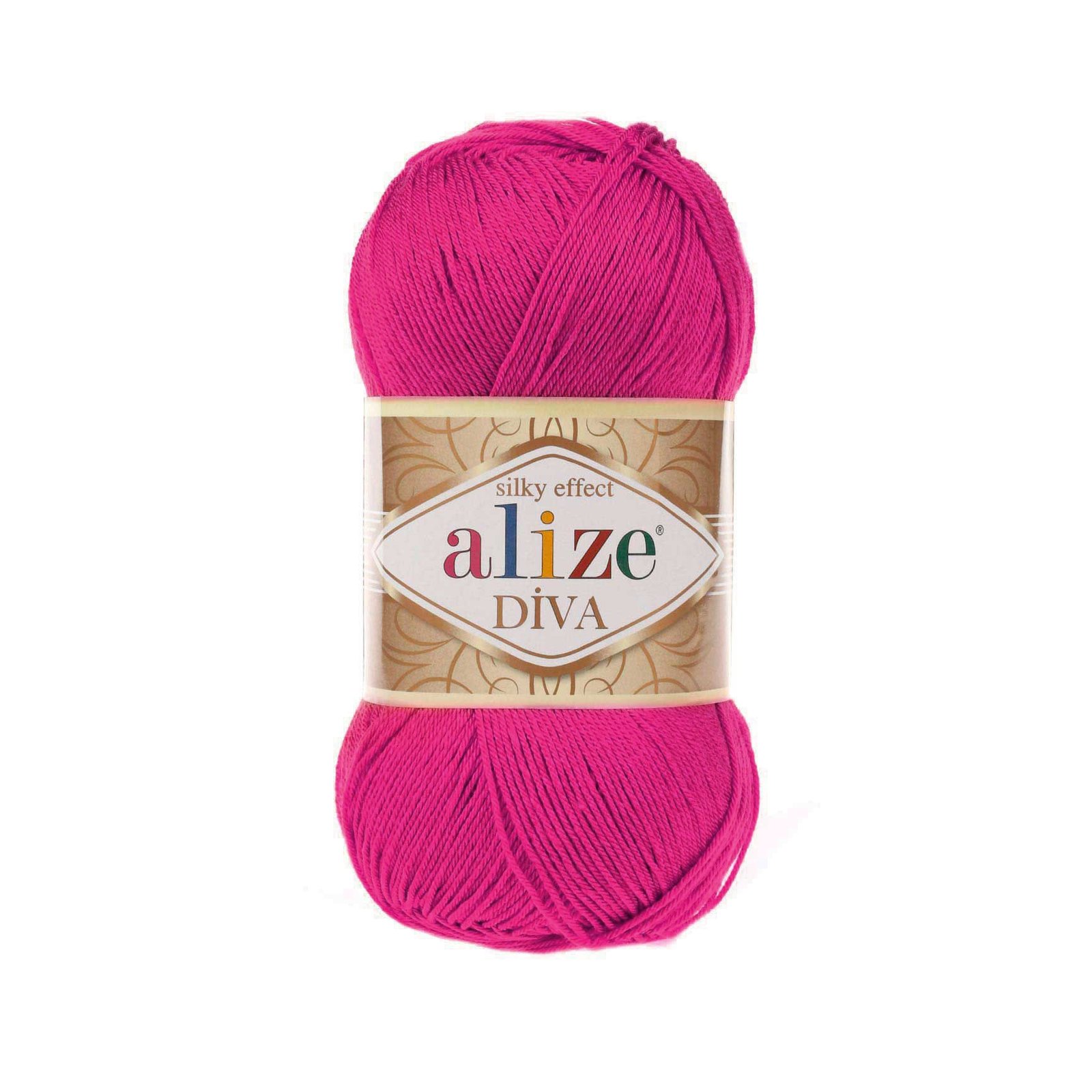
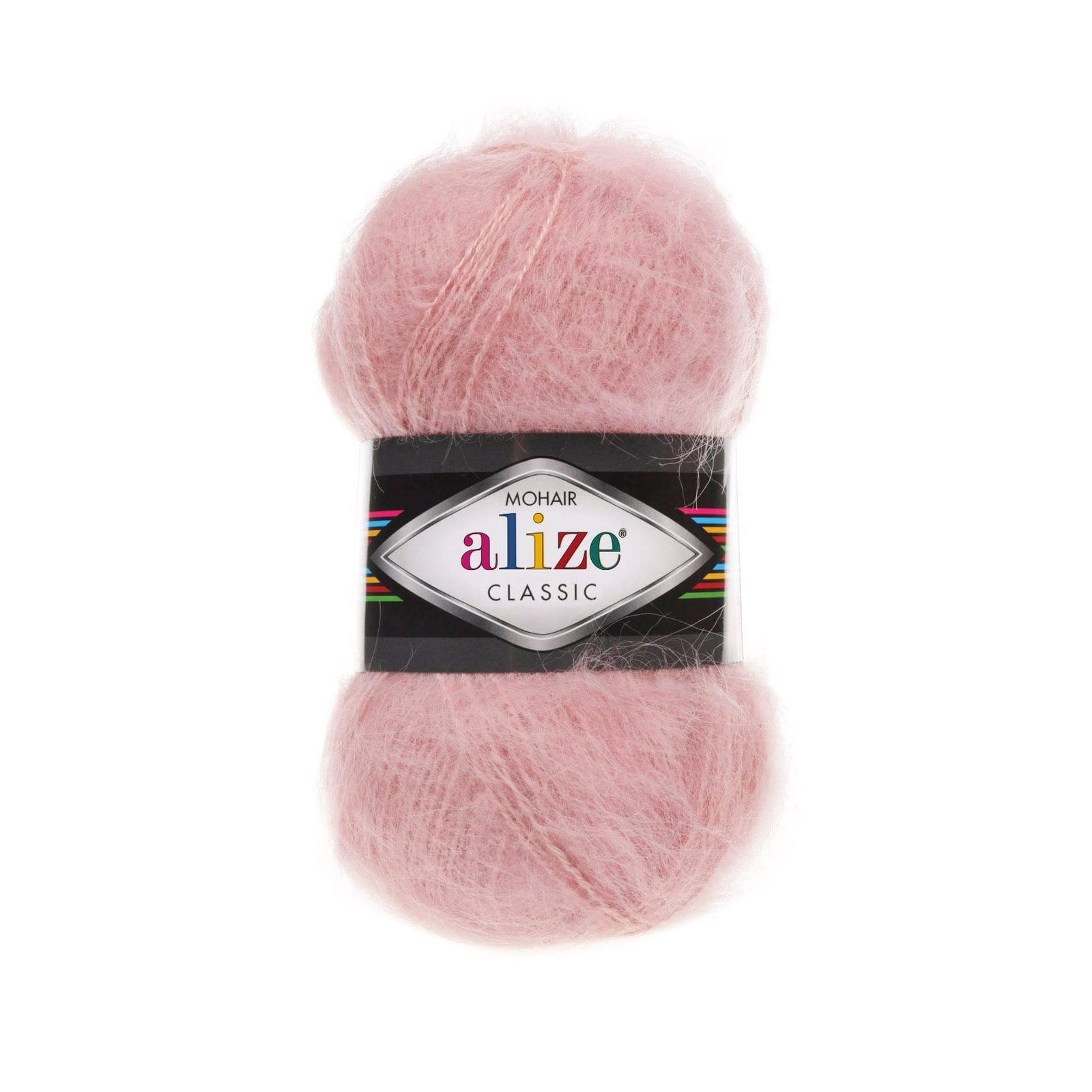
Our range includes DROPS yarn, Cardiff yarn, Laines du Nord yarn, Lana Gatto yarn, Katia yarn and collections from other European brands. We also stock Yarn from Turkish manufacturers, including Alize, Etrofil, Fibra Natura, Gazzal, Himalaya, Kartopu, Lanoso, Madame Tricote Paris and YarnArt. Origin helps organise collections, but the specific yarn’s fibre content, length, use and care should decide your choice.
Natural, regenerated and synthetic fibres
Wool, alpaca, mohair, cashmere, cotton, linen and silk are natural fibres with different warmth, surfaces and care needs. Viscose and lyocell come from cellulose; polyester, polyamide and acrylic often add strength, shape retention, easier care or special effects. The best choice depends on the project, desired feel and proportions of fibres in the yarn.
How much yarn will I need?
The amount depends on size, construction, yarn thickness, gauge and stitch pattern. Use the total length stated for the pattern rather than only the number of balls. For a substitution, recalculate the required length from metres per ball and allow extra for swatching, joins and adjustments.
Colour, dye lot and care
For a larger project, calculate the total length and choose one dye lot where possible, as shades can vary between lots. Check washing, drying and ironing symbols because similar fibres may still need different care. Wash the swatch as you will the finished item: gauge, drape and surface may change.
What else do I need for knitting or crochet?
Once you have chosen your yarn, match it with the right size knitting needles or crochet hook. The size shown on the label is a starting point; your tension and the fabric density you want determine the final tool. If you are deciding between several options, compare not only the price per ball but also the cost of the total length needed for the project.