Textured yarn









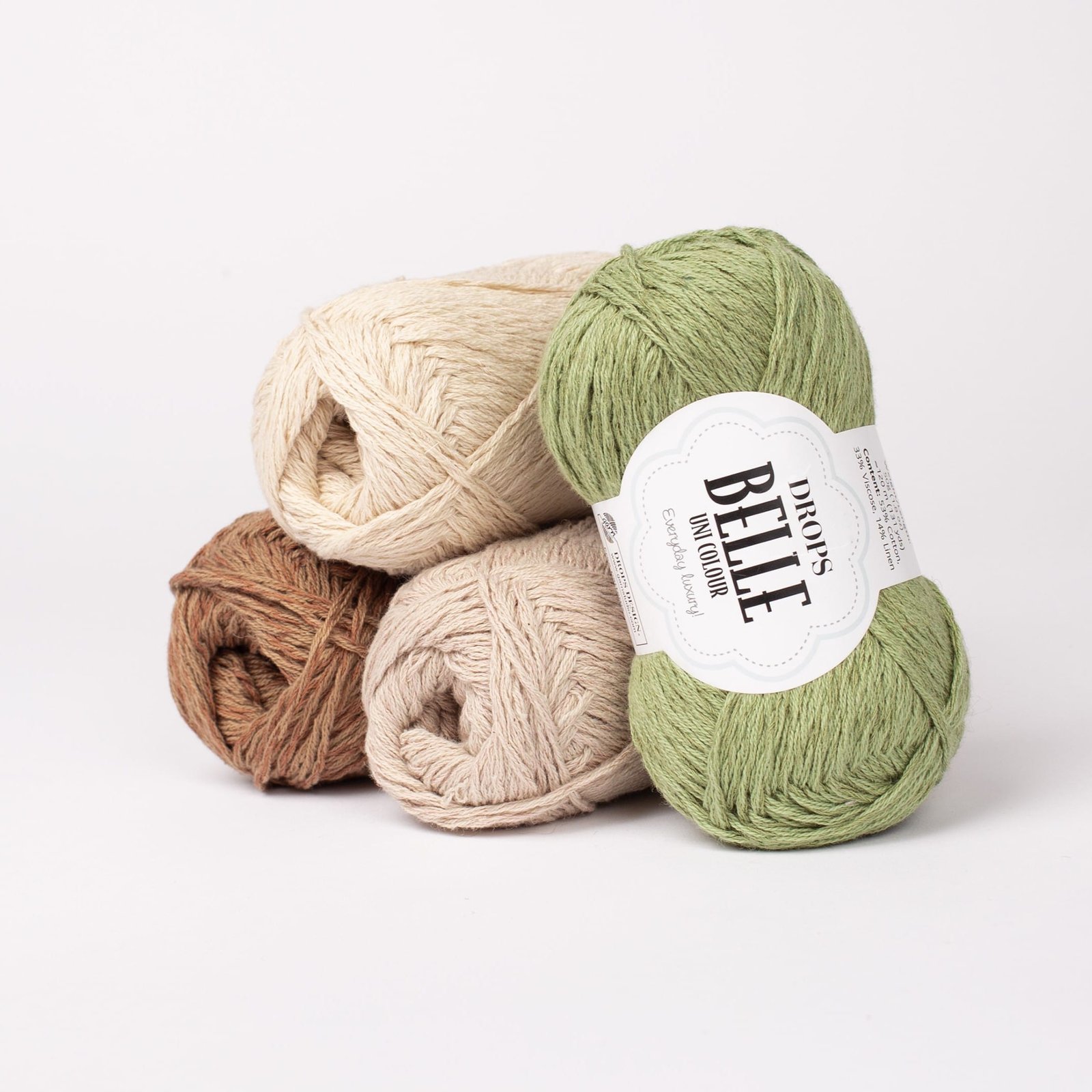
DROPS BELLE (cotton, viscose, linen)
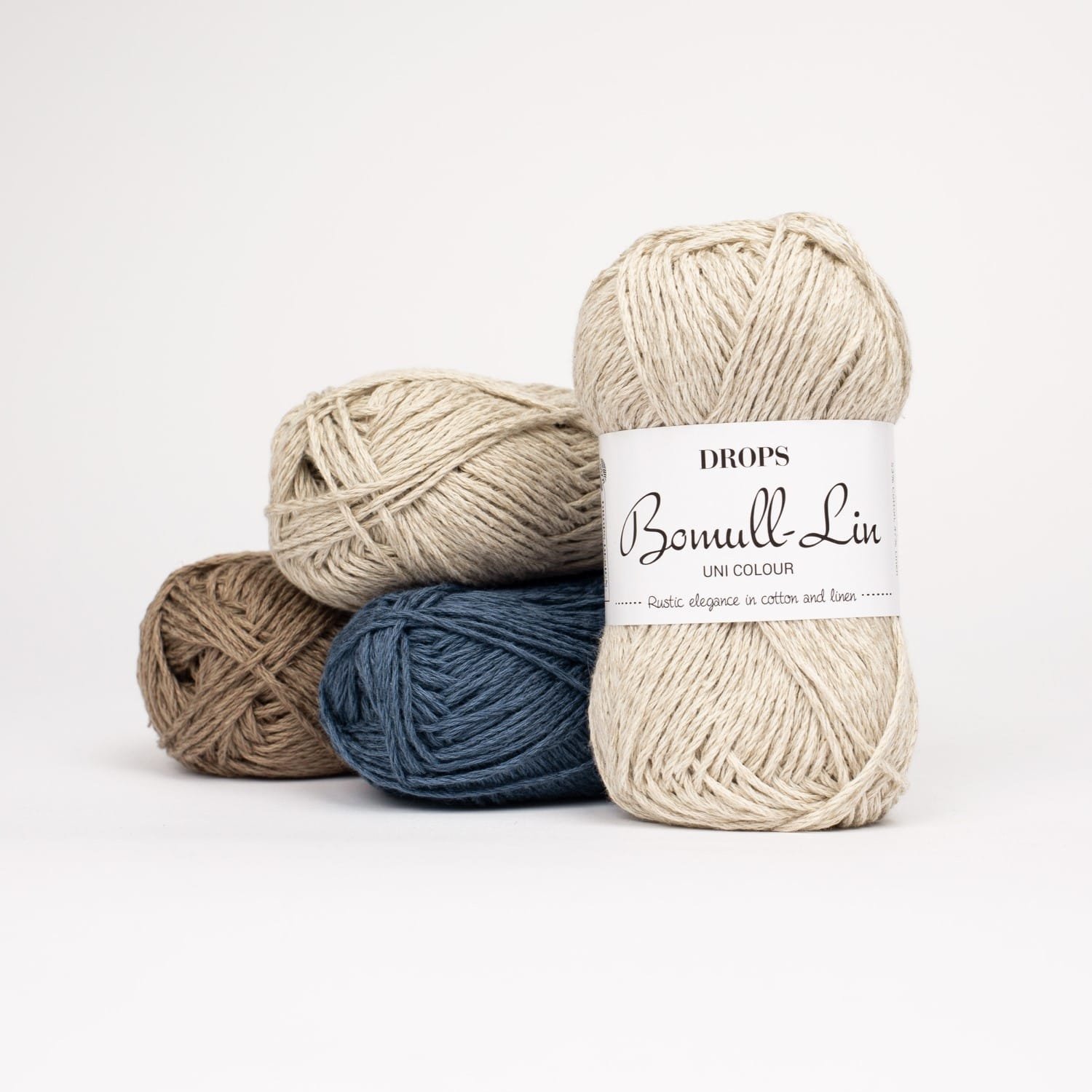
DROPS BOMULL-LIN (cotton, linen)
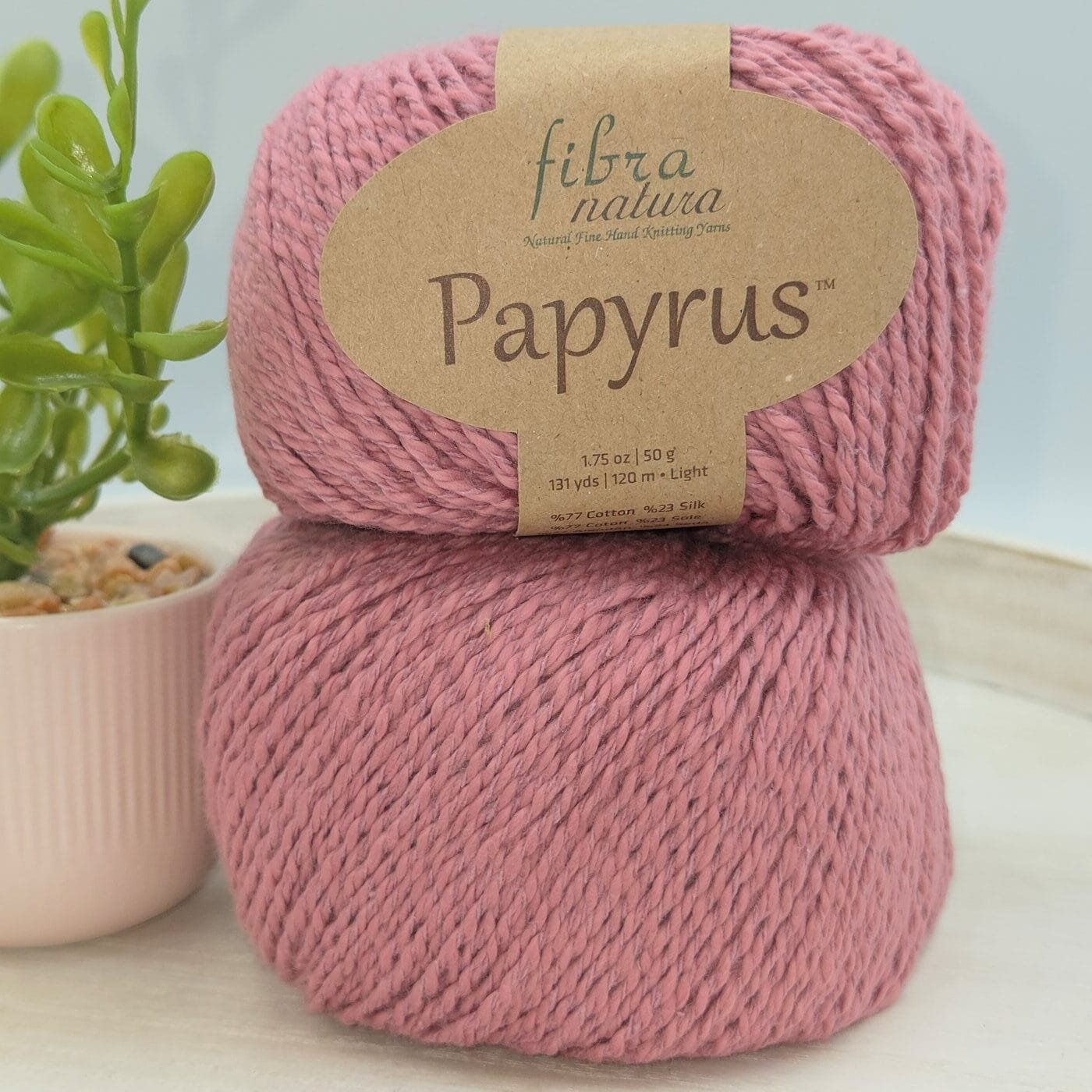
Fibra Natura PAPYRUS (cotton, silk)


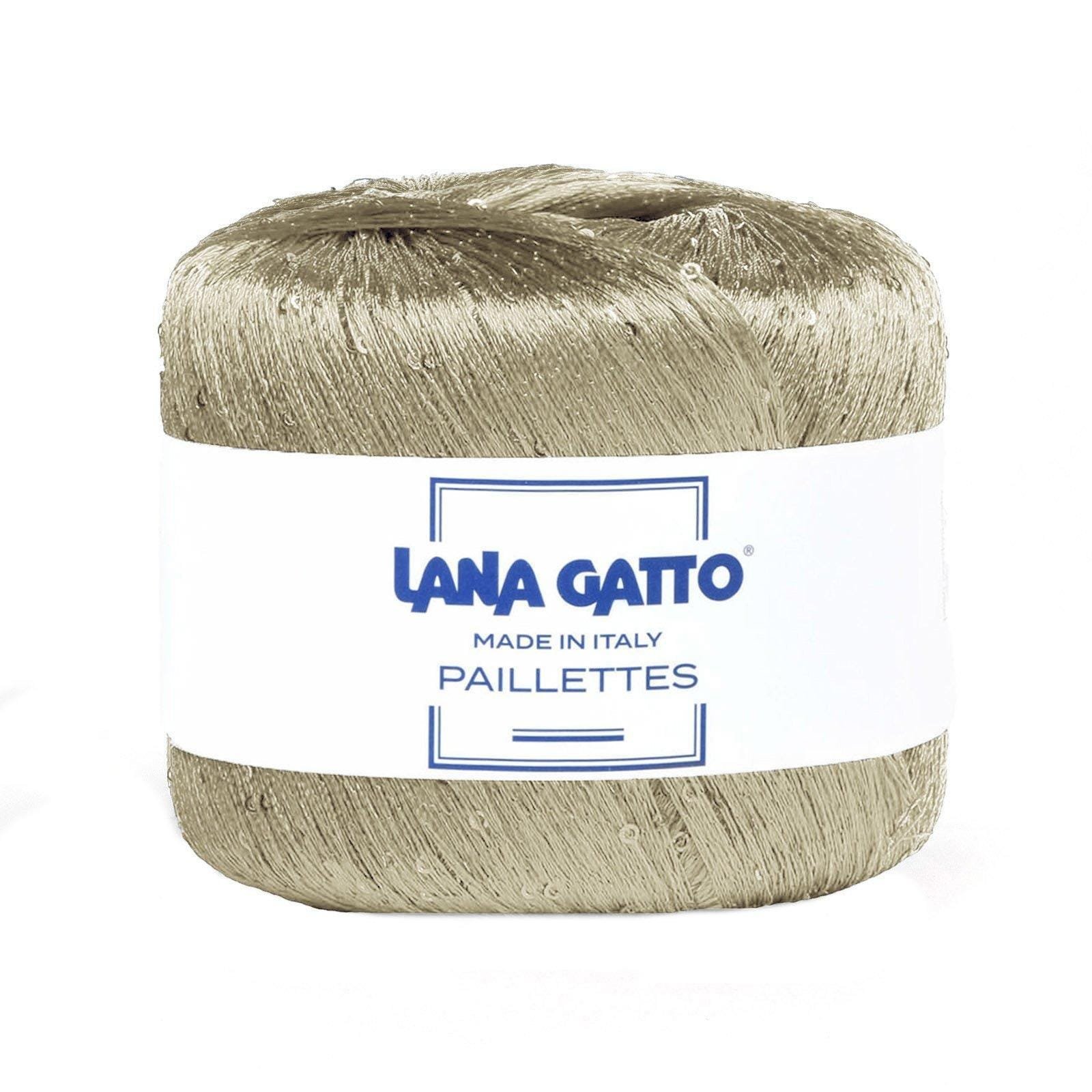
Lana Gatto PAILLETTES (100% polyester)
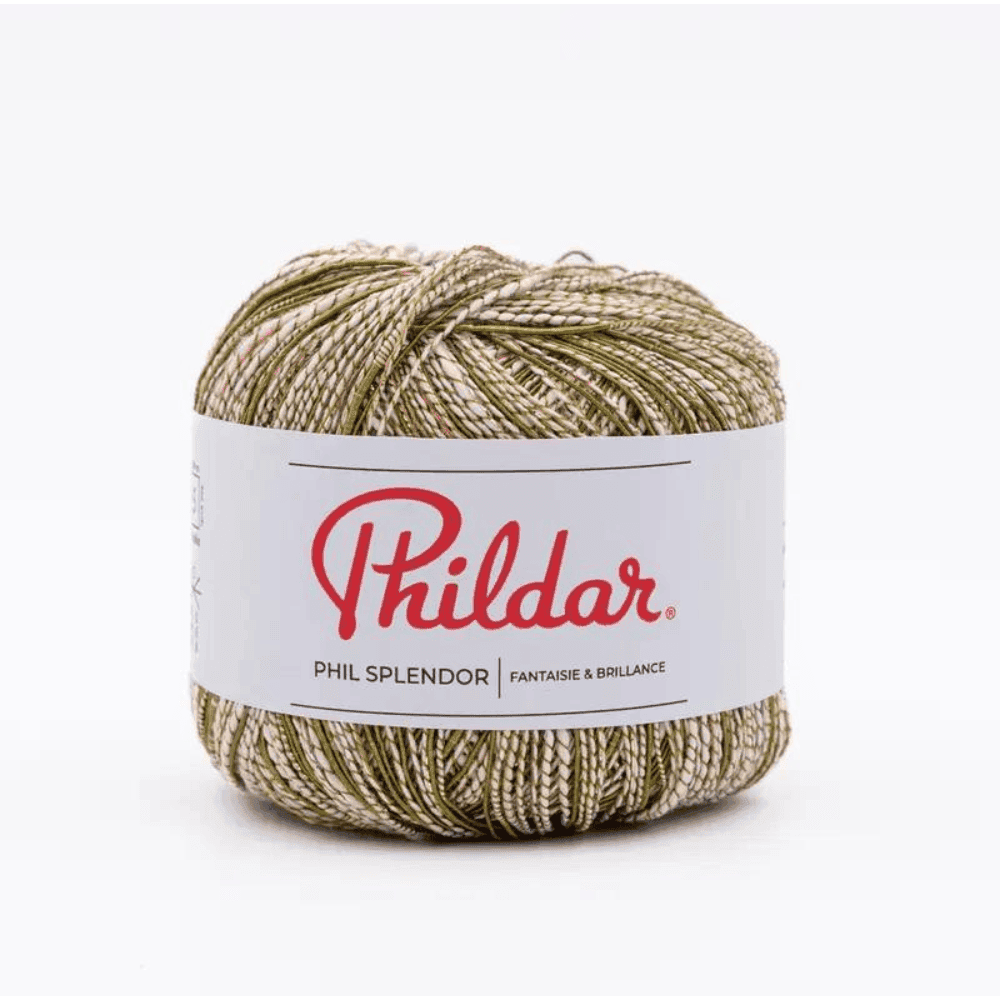
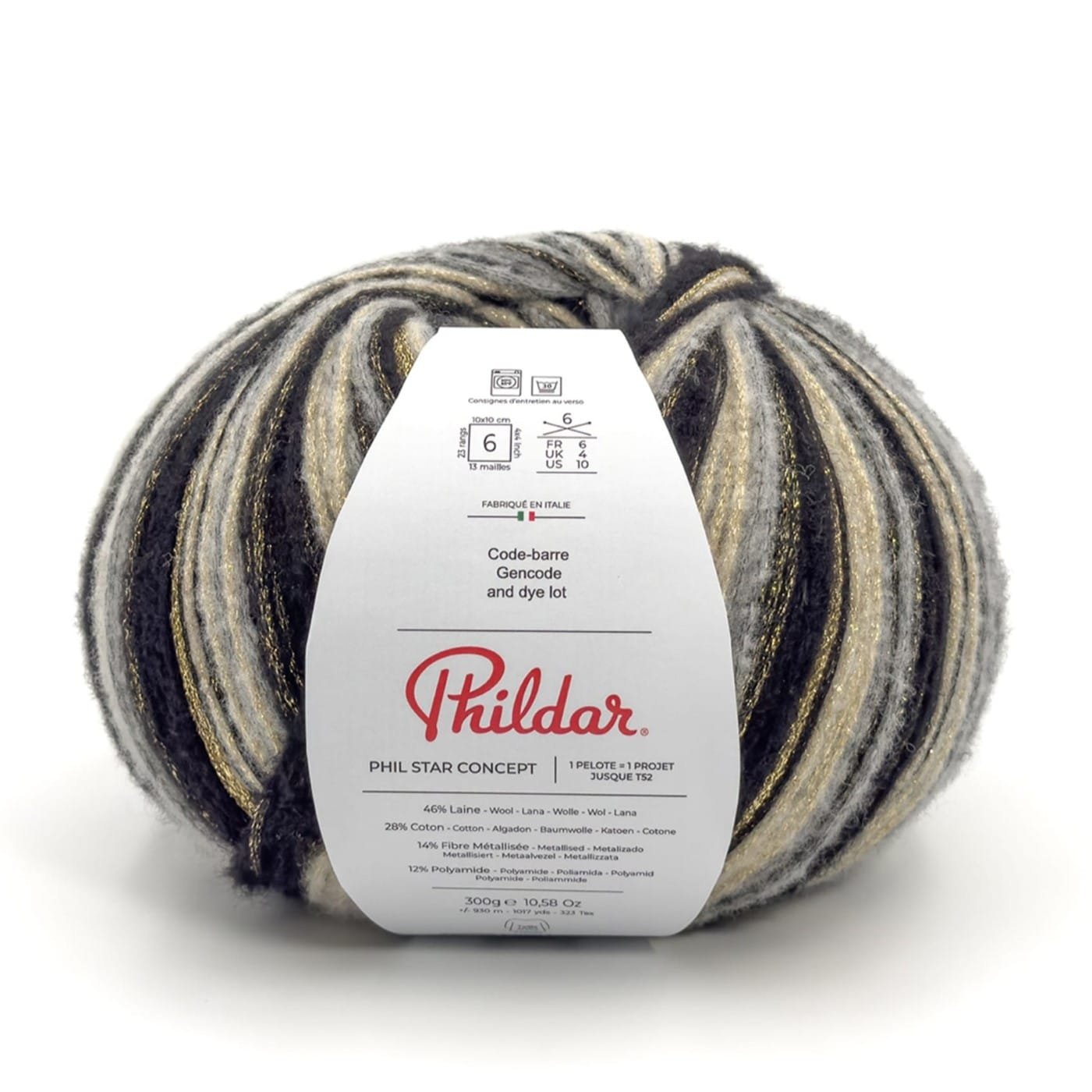



Exclusive and textured yarns for knitting and crocheting
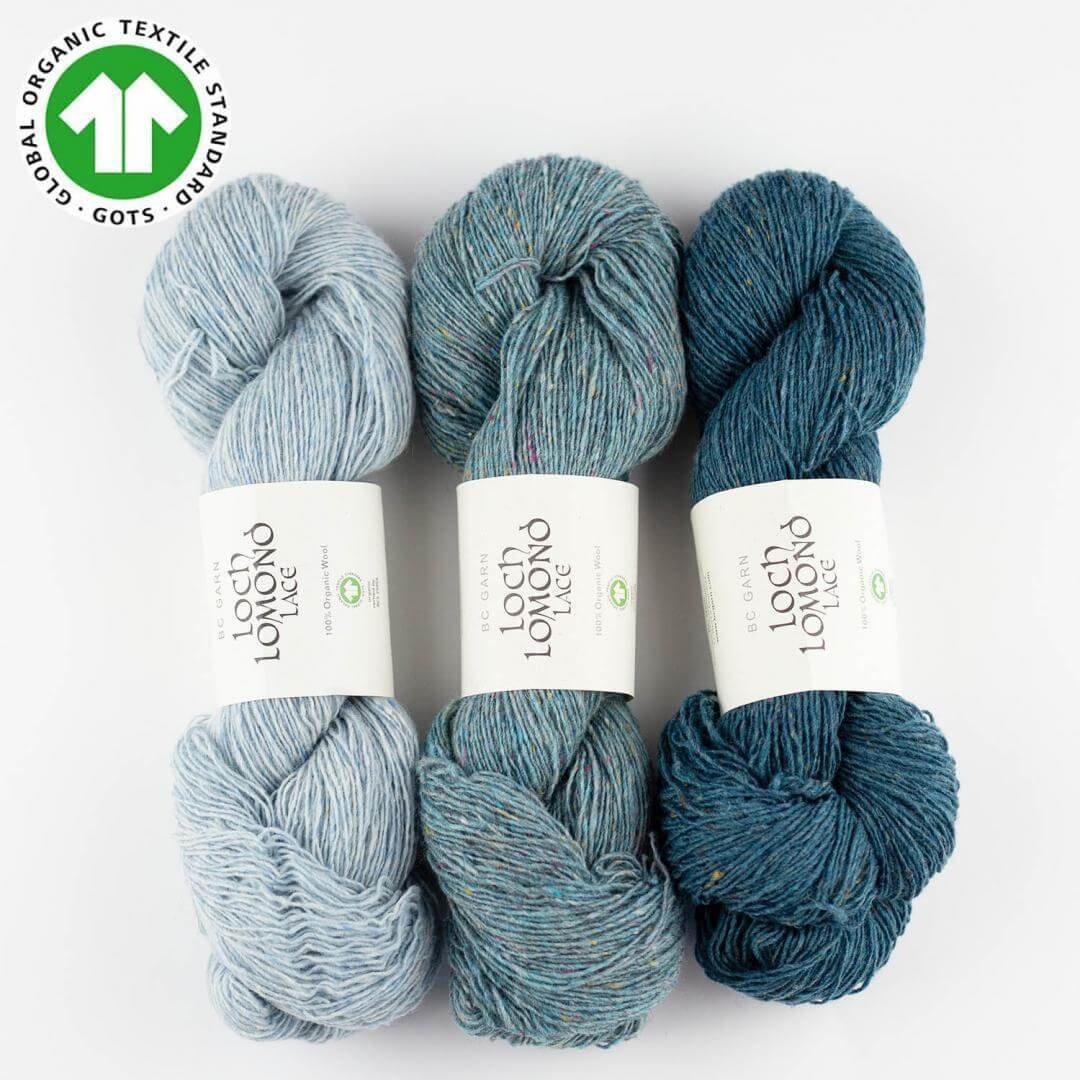
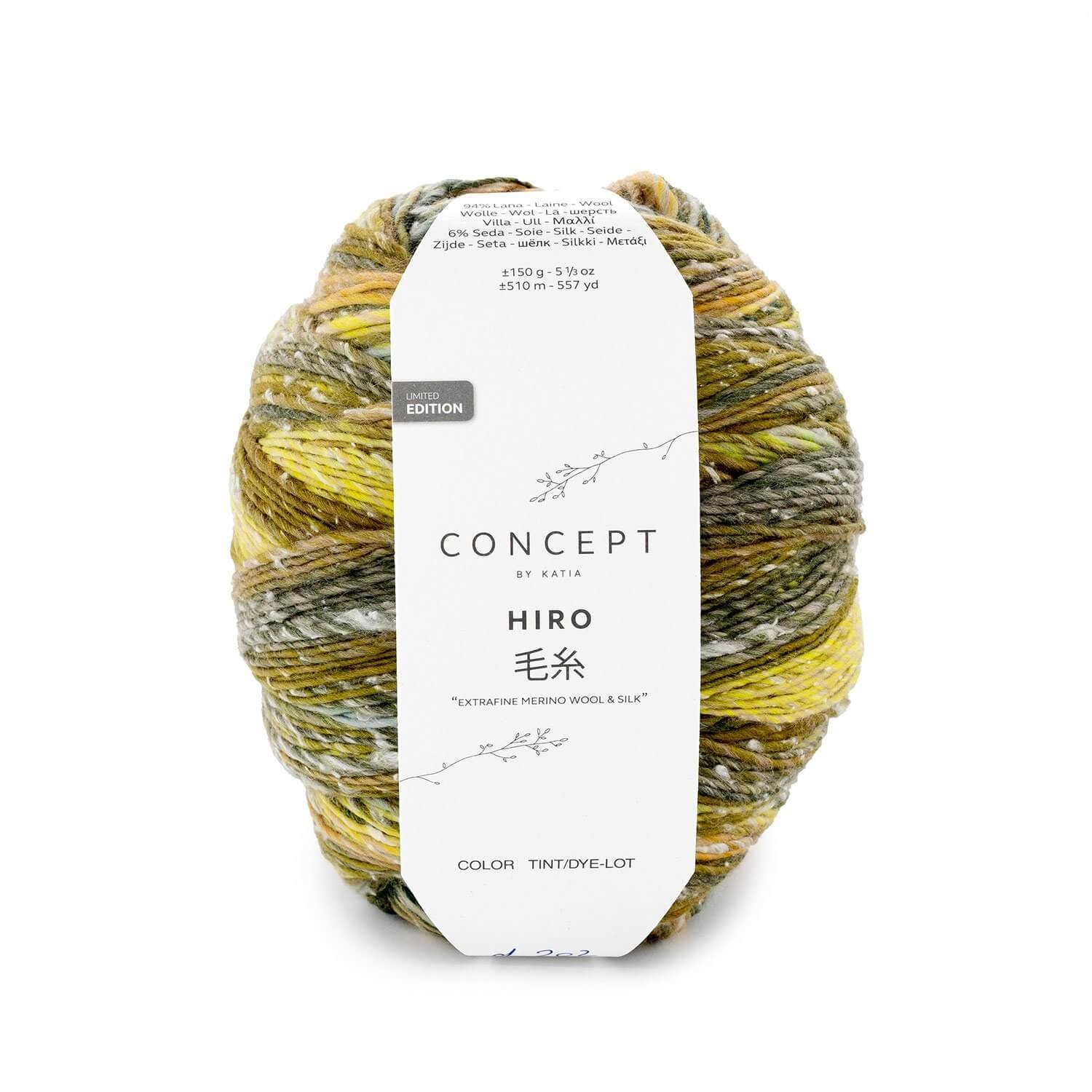
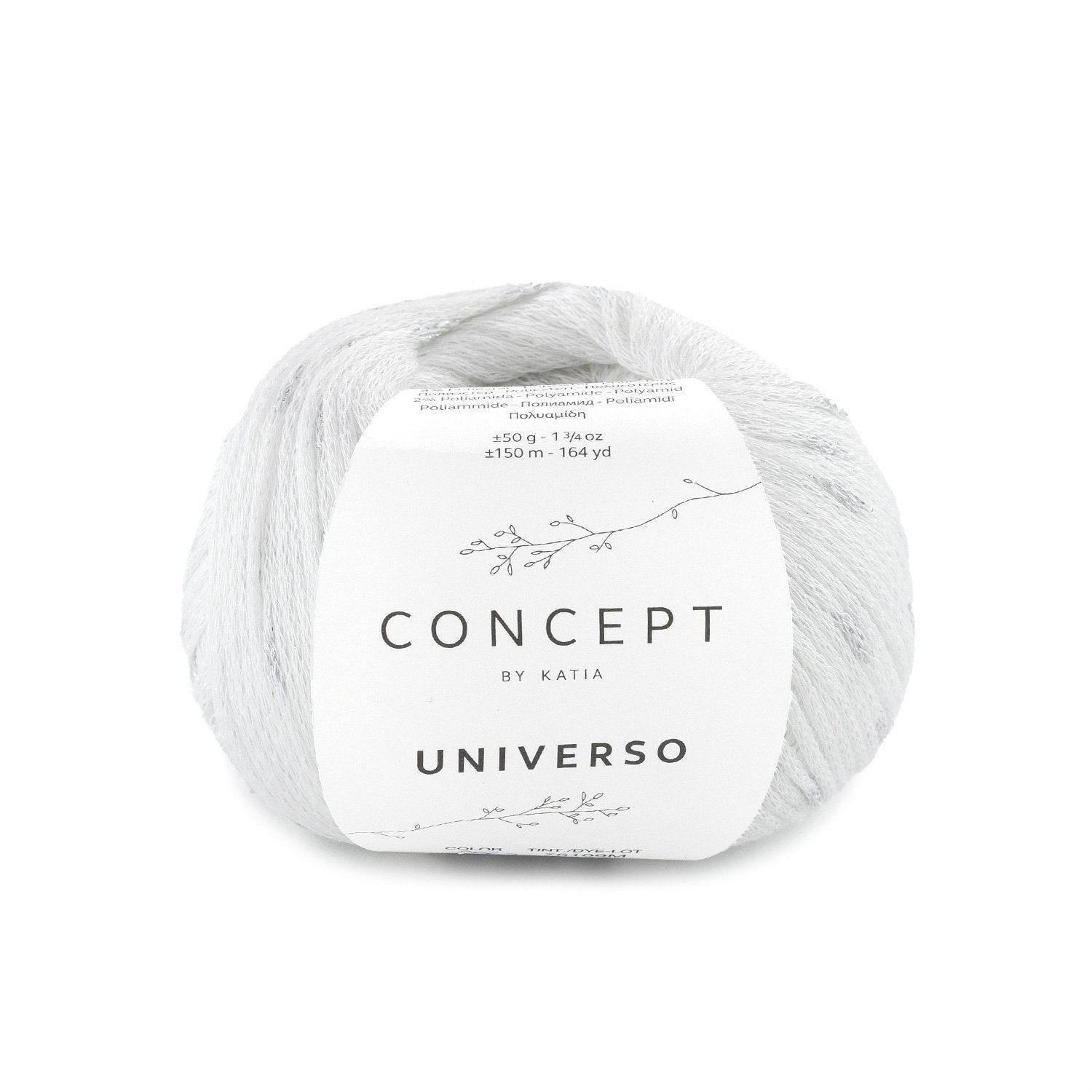
Textured yarn are distinguished not by one specific composition, but by their surface and construction. They can be boxy, tweedy, fluffy, with an uneven twist, striped, chain-like structure, with scales or other decorative elements. Such a thread can create relief even in a flat knit, but its thickness, drape and care are determined by the entire composition. Therefore, the name of the category describes a visual effect, and not one universal property of the thread.
What textures are available in the range?
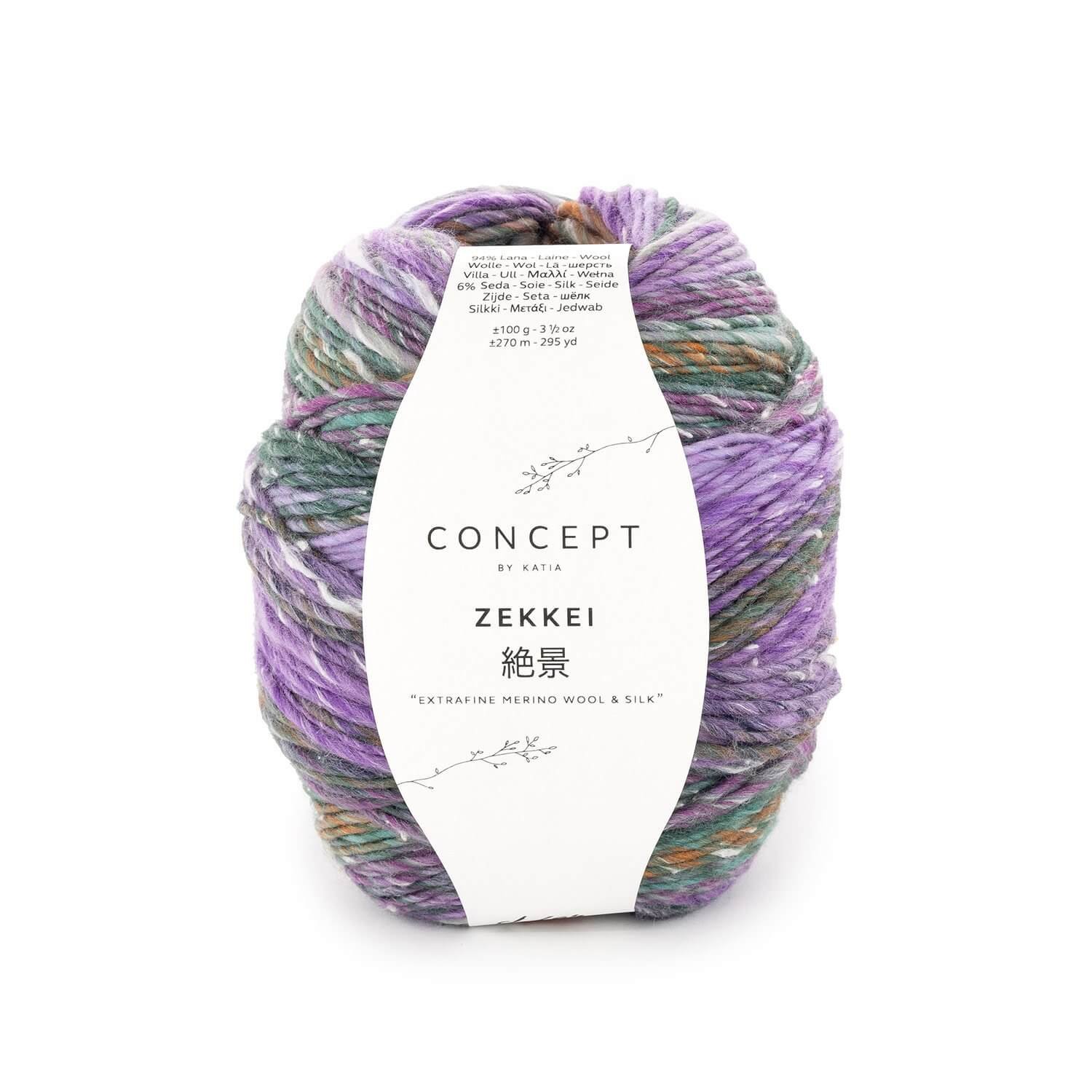
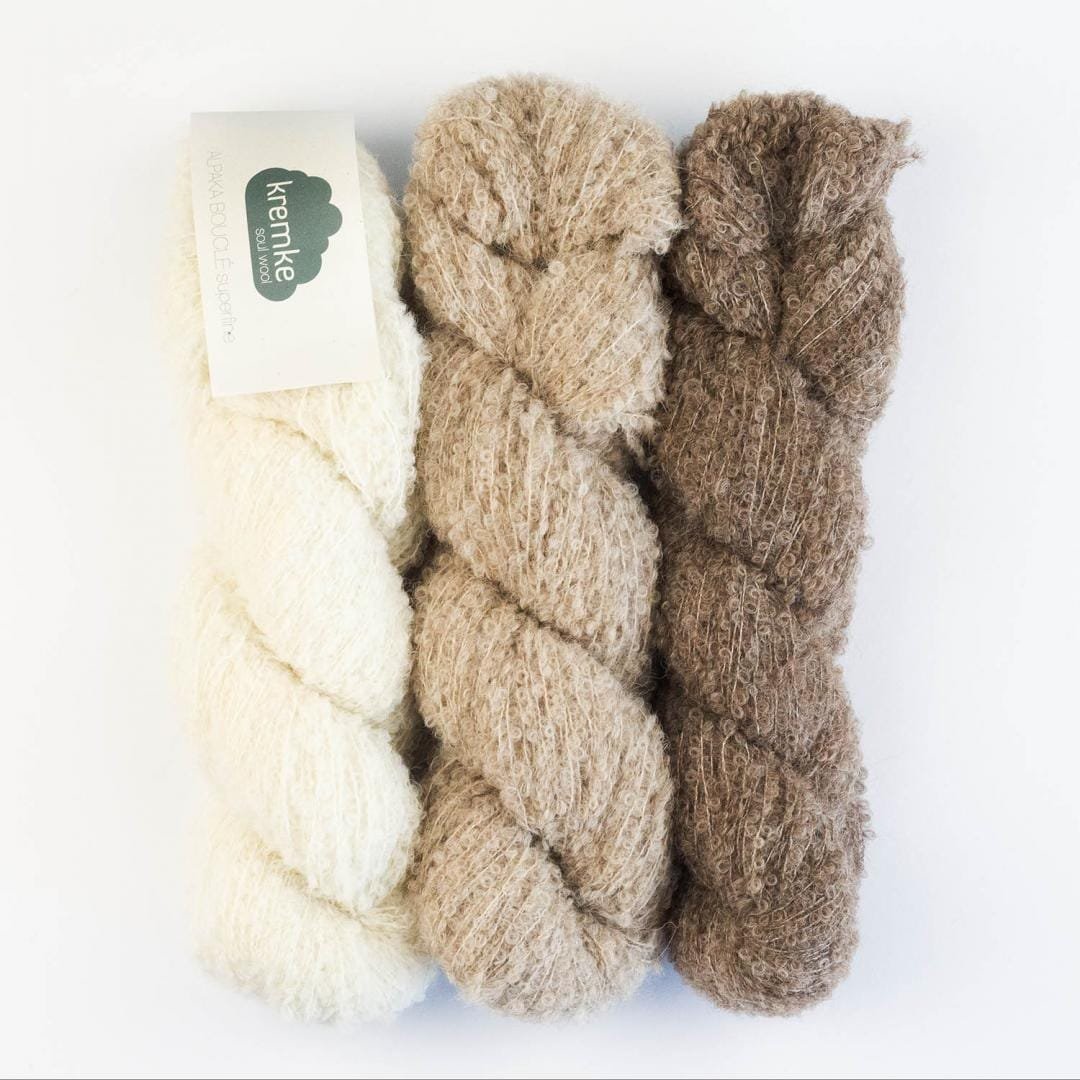
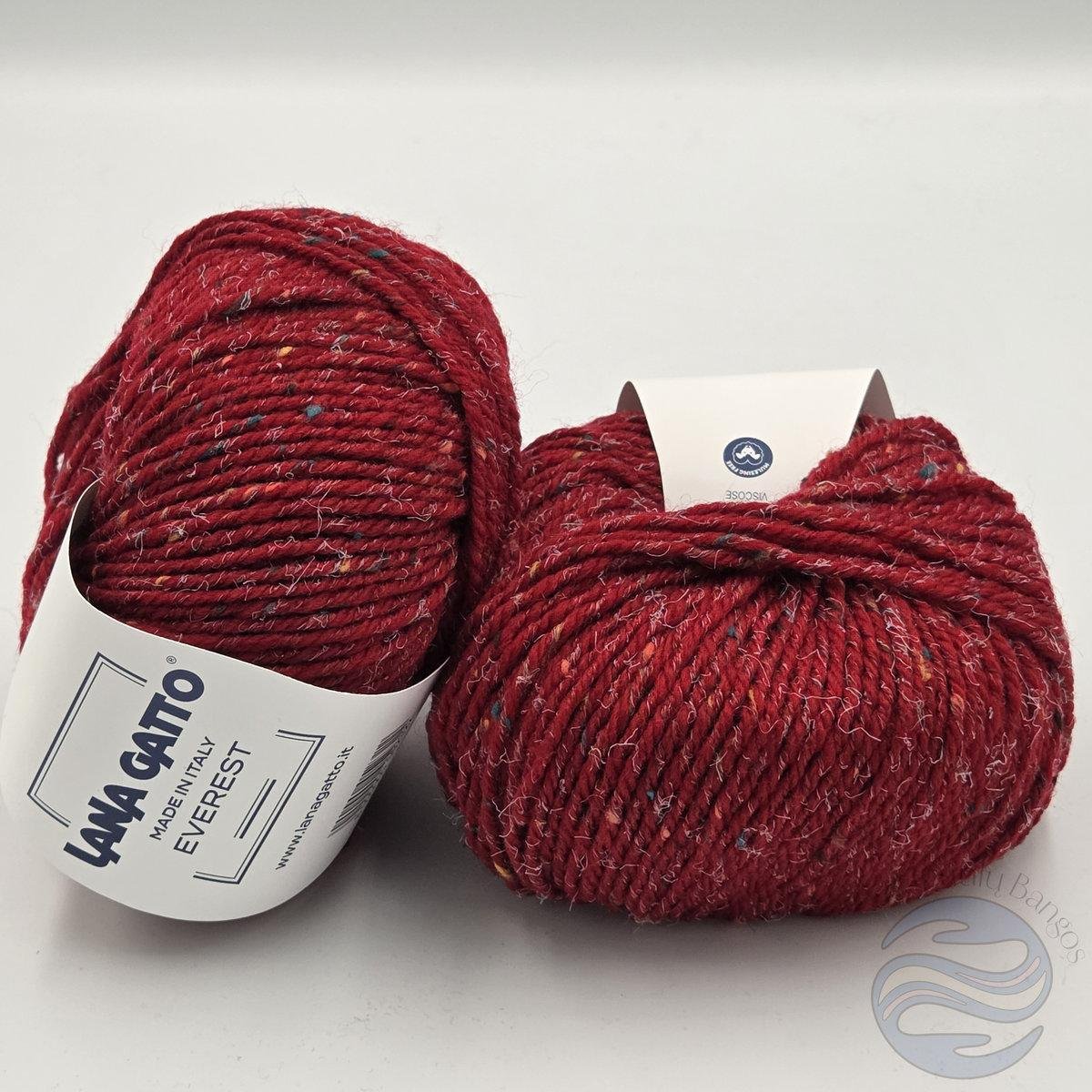
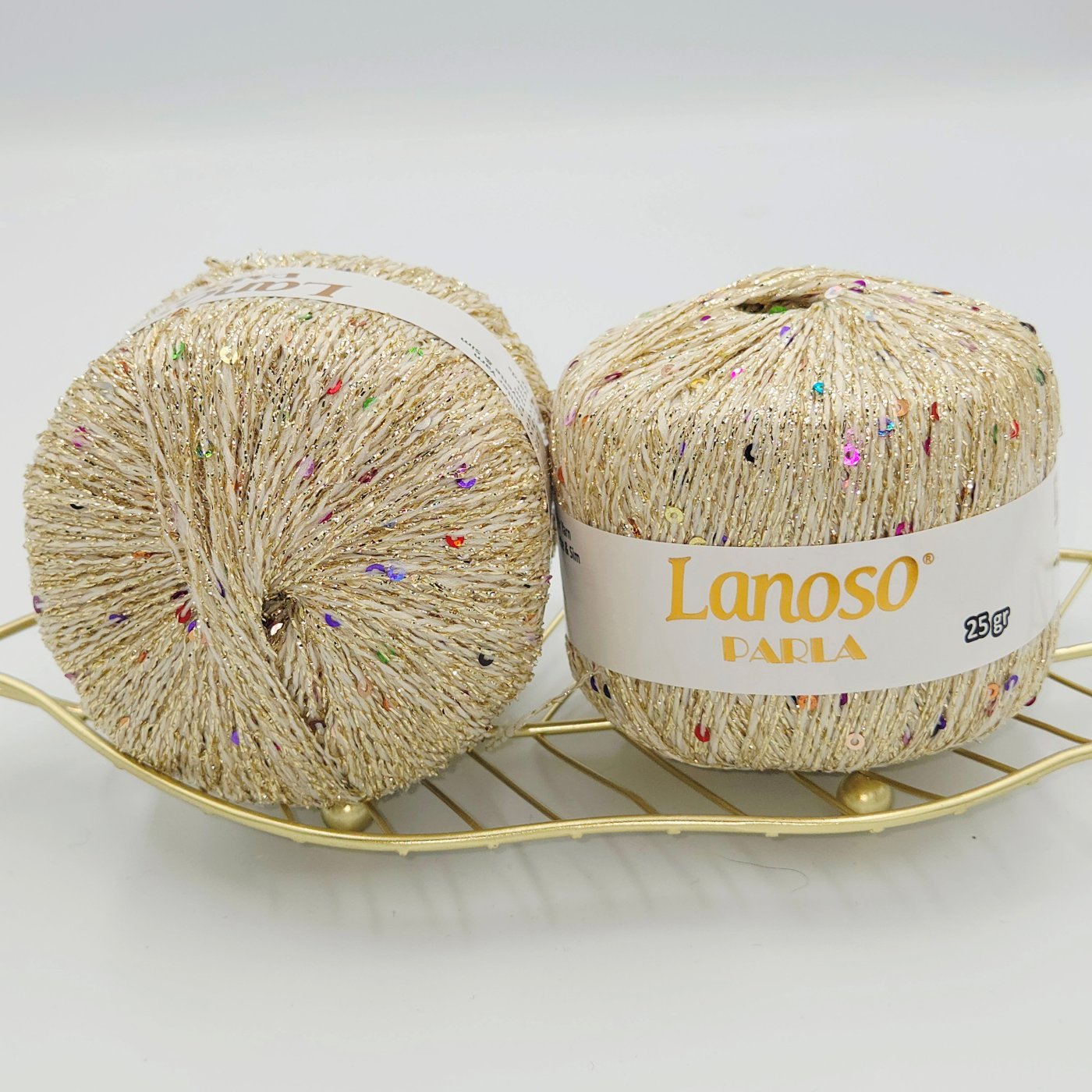
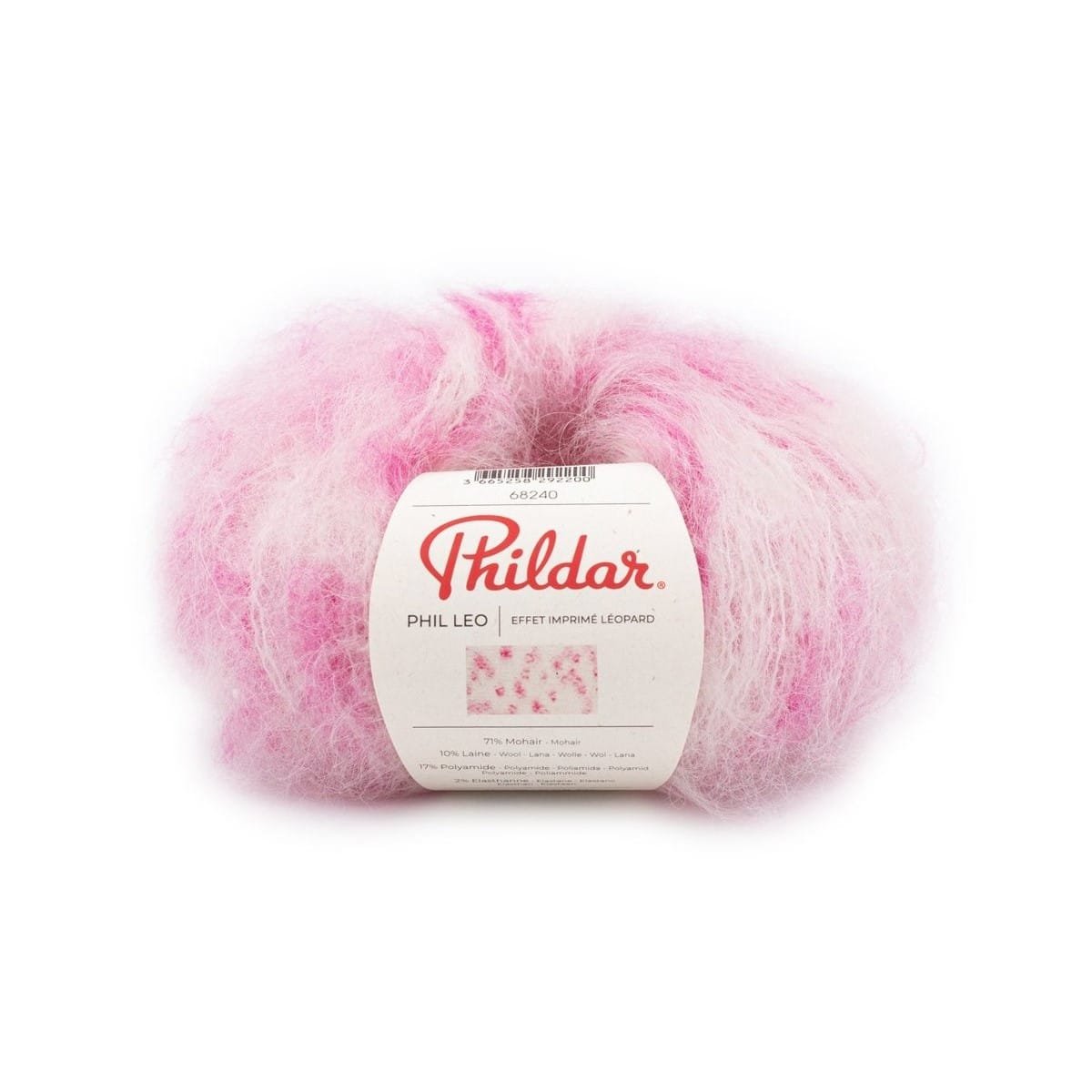
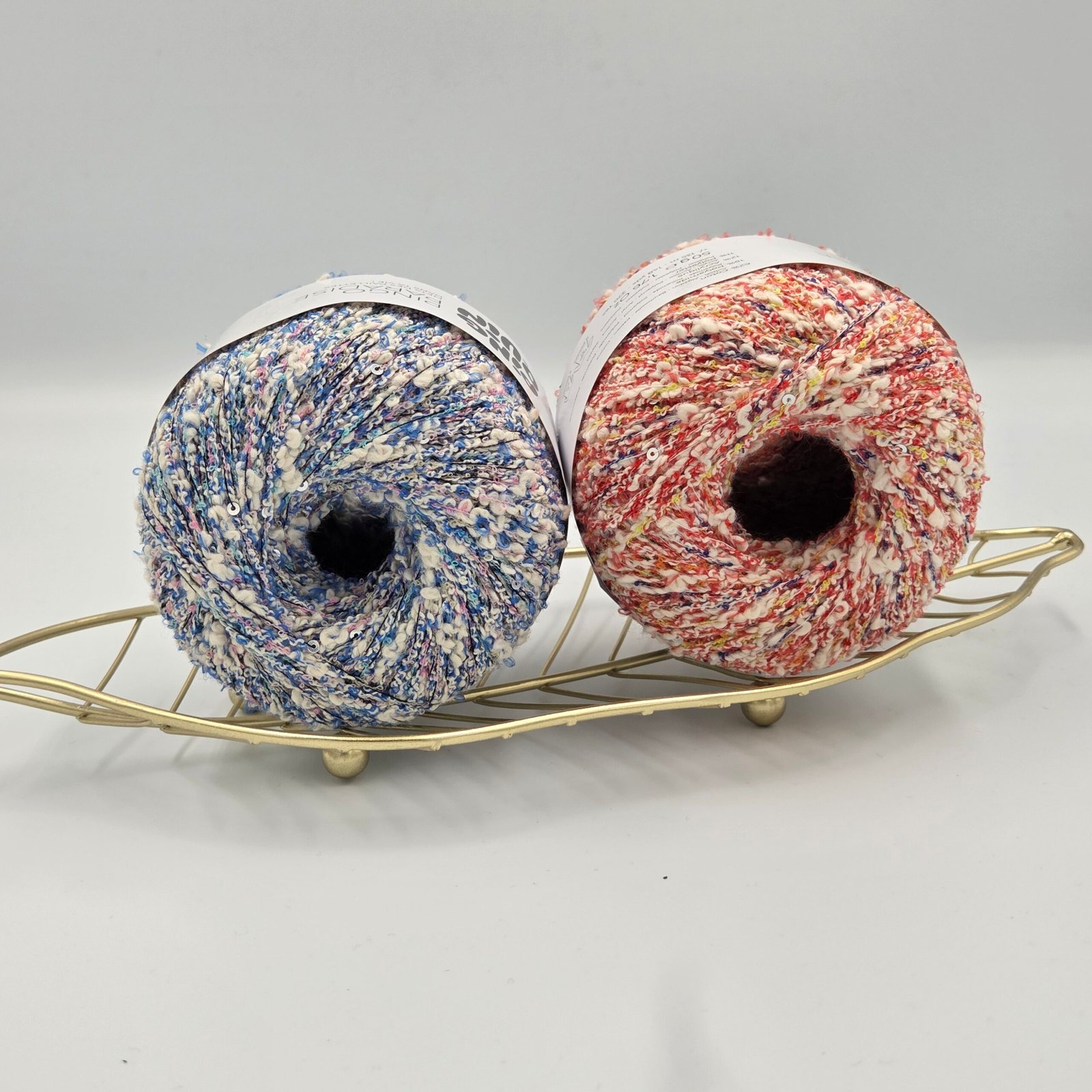
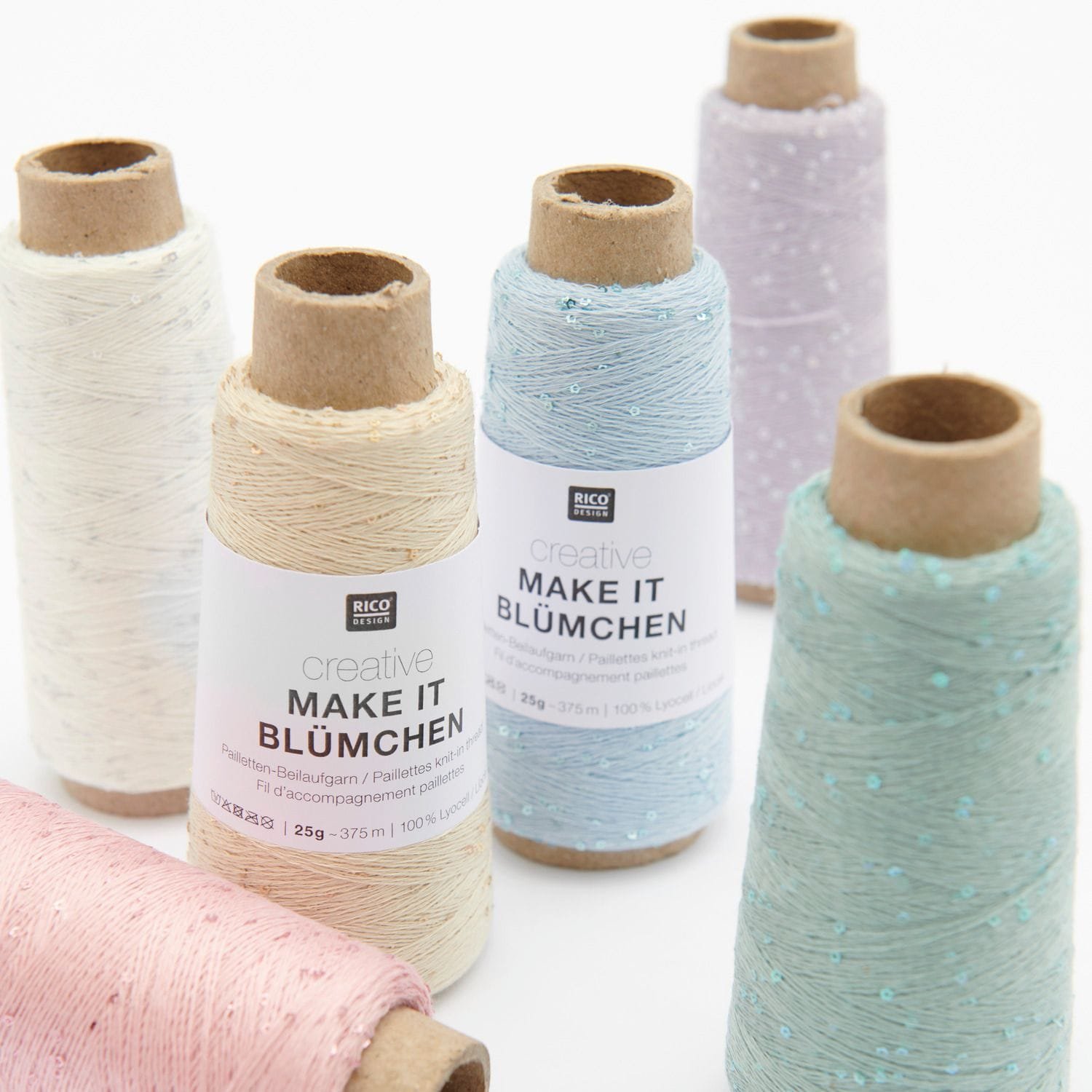
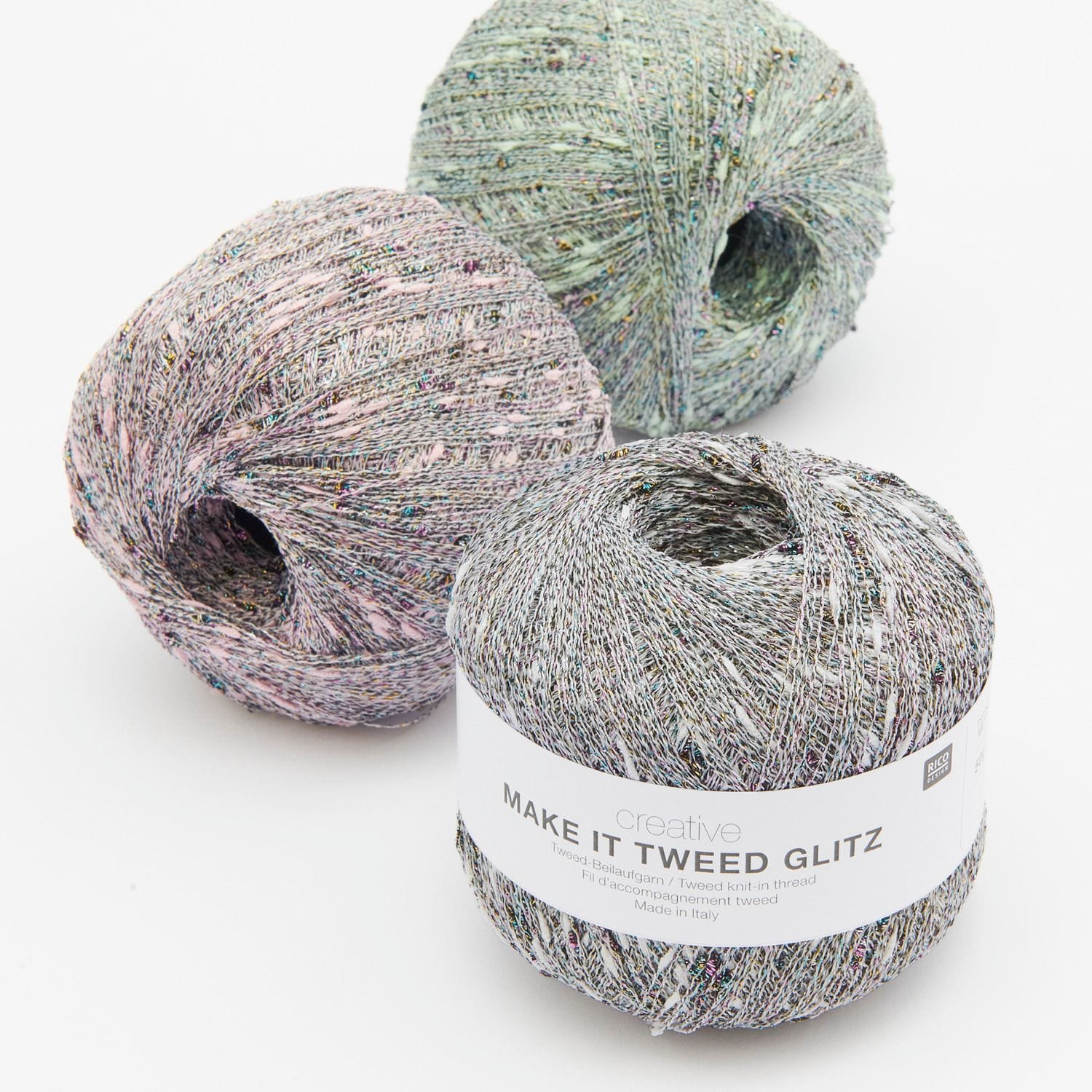
Kremke SOUL ALPACA BOUCLÉ is an example of a fluffy construction, the surface of which is formed by small loops. Rico Design MAKE IT TWEED GLITZ and Phildar PHIL TIRAMISU create a tweed or polka dot effect, while Rico Design MAKE IT BLÜMCHEN, Lana Gatto PAILLETTES, Tropical Lane SEQUINS and YarnArt GALASSIA use flakes or decorative details. Gazzal MARILYN & MERINOS and Phildar PHIL LEO are distinguished by their fluffy surface. These yarns can also belong to other categories, for example, shiny yarn or variegated yarn.
Texture and fiber composition
The relief can be created from wool, cotton, alpaca wool, silk, rayon, polyester or a blend of several fibers. Cotton and linen threads often have a drier, clearer surface, while mohair and alpaca blends have a softer pile. Synthetic or metallic thread can hold decorative elements or provide an additional effect. Compare cotton, linen, alpaca and mohair yarn, if not only the image is important, but also the properties of a specific fiber.
Which pattern to choose?
Bright texture often works best in plain knits, double crochets, simple purl stitches, or simple crochet patterns. Intricate braids and lace can get lost in the uneven surface, although the subtle texture of tweed can sometimes work well with the pattern. Knit a sample of a sufficient size before starting a larger project: it will show you whether the stitch is easy to see, whether the pattern remains clear, and how the yarn behaves after care.
Texture, variegation and shine are not the same thing
A thread can be textured but solid; variegated but completely smooth; or have both relief and shine at the same time. These properties are worth evaluating separately. Color transitions change the pattern of the knit, metallic thread changes the reflection of light, and burl or flakes change the physical surface. Clear separation helps you choose a project and not overload the design with several competing effects. If a thread combines several properties, check them all in a swatch: color, relief, pattern visibility, and feel.
What projects are textured yarns suitable for?
Boucle and fluffy yarns can be used for sweaters, cardigans, vests, scarves or hats. Tweed yarns add subtle color accents to the surface and are suitable for everyday clothing. A yarn with scales or floral details can be used for an entire accessory, a border, a handbag or just a few rows of a pattern. The more pronounced the effect, the more important it is to consider the purpose, surface contact and care of the future product.
Thickness, density and thread consumption
An uneven or loose surface can visually appear thicker, so the weight of the ball alone does not indicate the true thickness of the thread. Compare the meterage and the tool size recommended on the label, then measure a sample. Loose loops and scales can make it difficult to unravel, so it is worth testing the pattern in a small area first. Calculate the amount based on the total meterage, size and density of the pattern. For a larger project, choose a sufficient amount of the same dye lot at once.
Tools and maintenance
Tinkamus knitting needles or crochet hook match the yarn construction and desired surface. A more pointed needle tip can get between the loops more easily, but should not snag or break the decorative thread. Always choose washing, drying and ironing according to the most delicate part of the composition; intensive rubbing can change the fluff, loops or scales. You will find the full selection yarn for knitting and crocheting category.