Sock yarn








-25%
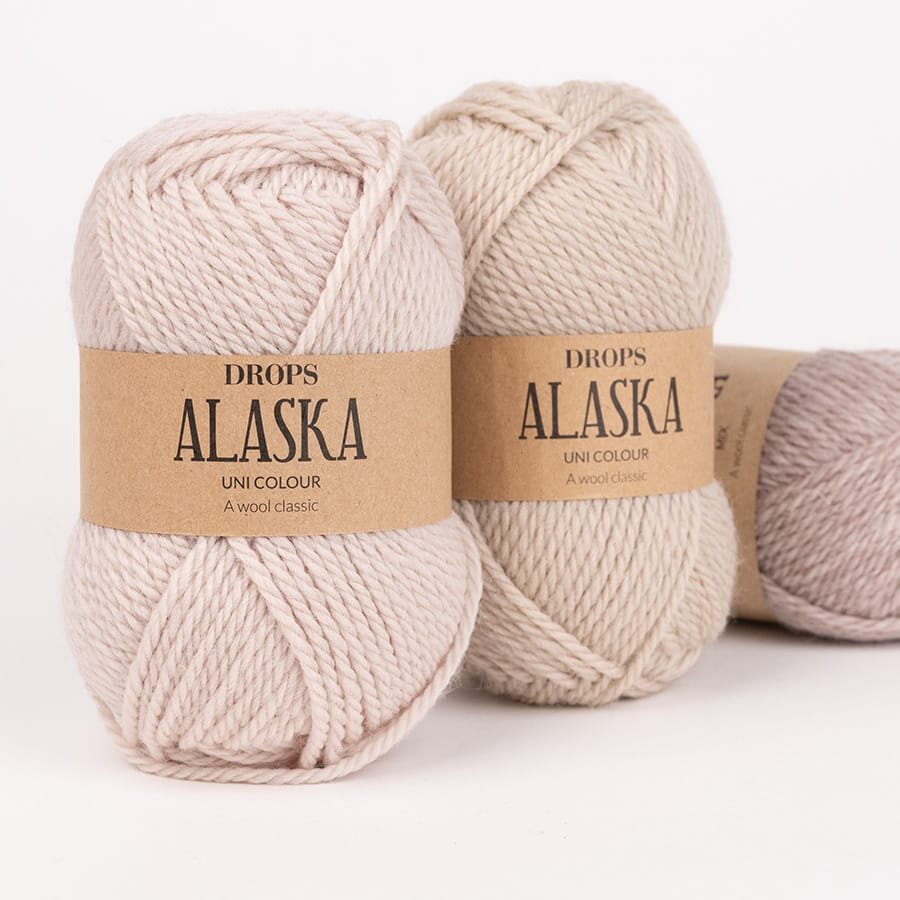
DROPS ALASKA (100% wool)
Weight/Length: 50g/70m
Original price was: 2,20 €.1,65 €Current price is: 1,65 €. 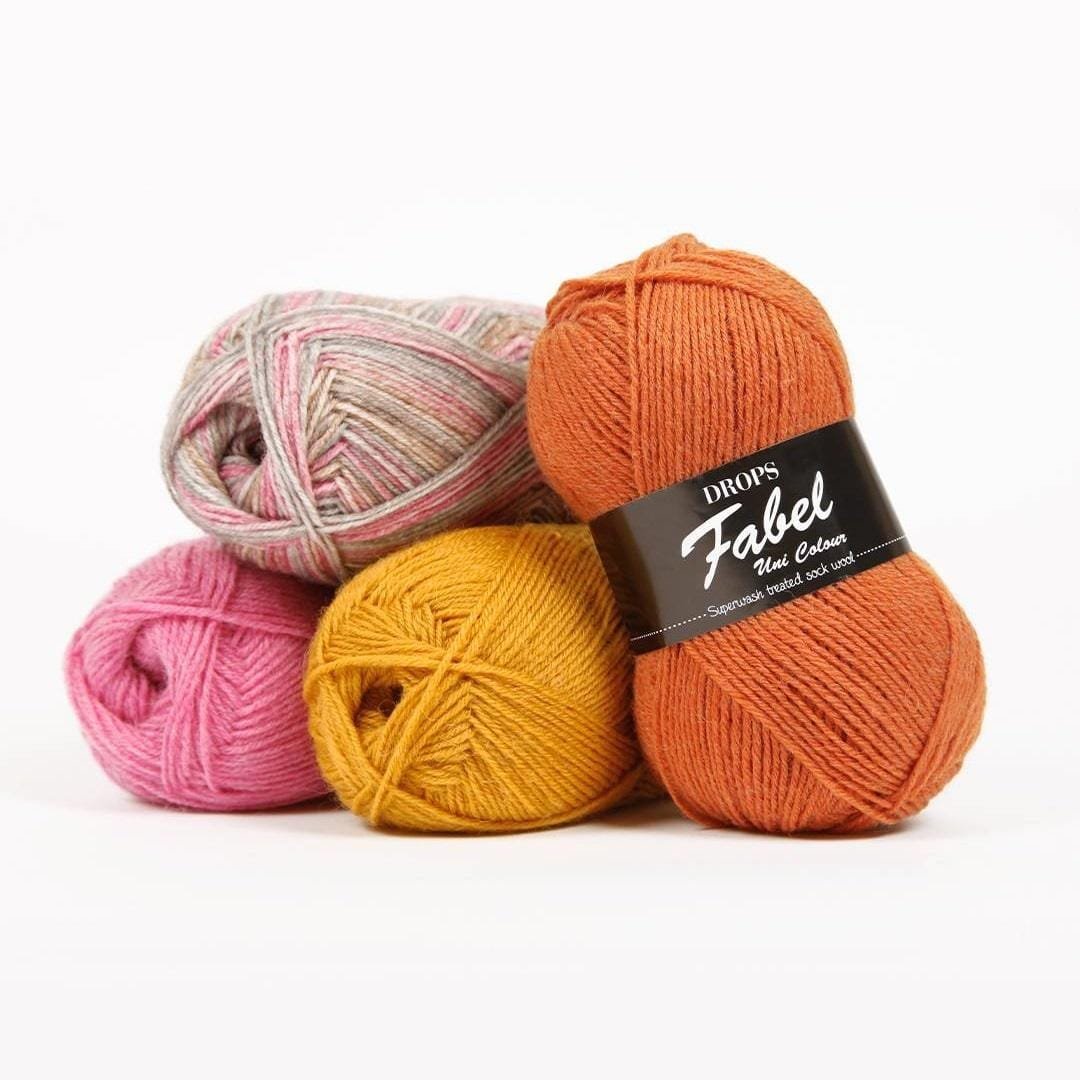
-26%
DROPS FABEL (wool, polyamide)
Weight/Length: 50g/205m
Original price was: 2,65 €.1,95 €Current price is: 1,95 €. 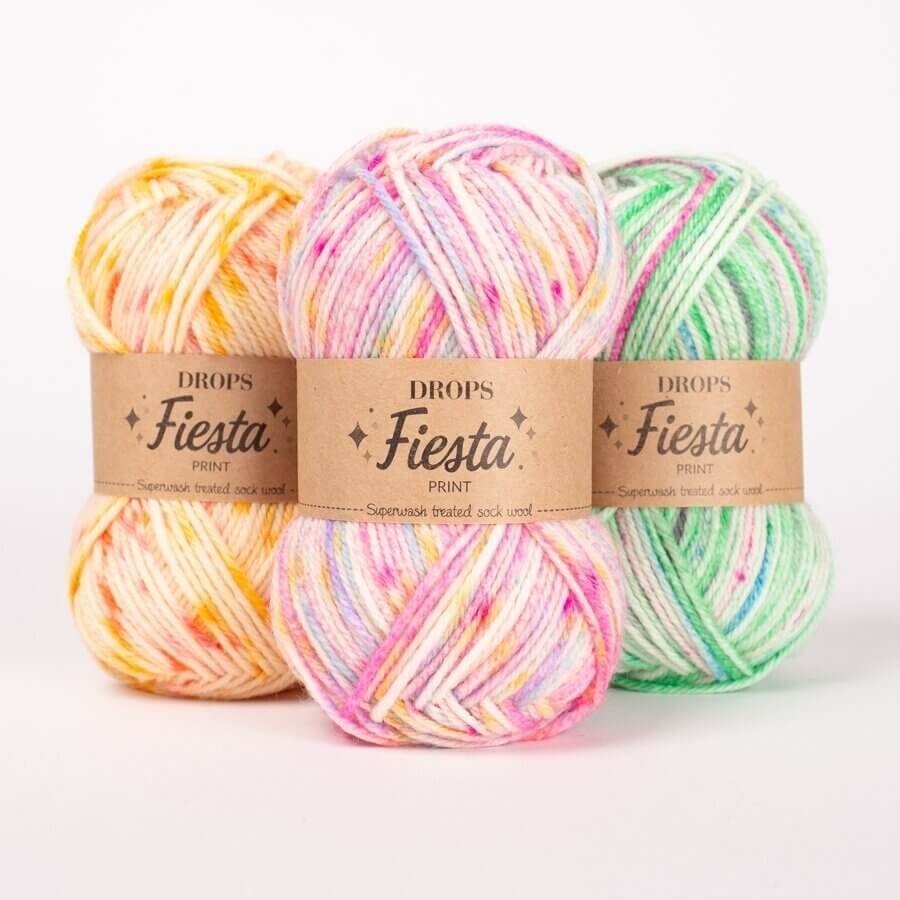
-27%
DROPS Fiesta (75% wool, 25% polyamide)
Weight/length: 50g/110m
Original price was: 2,55 €.1,85 €Current price is: 1,85 €. 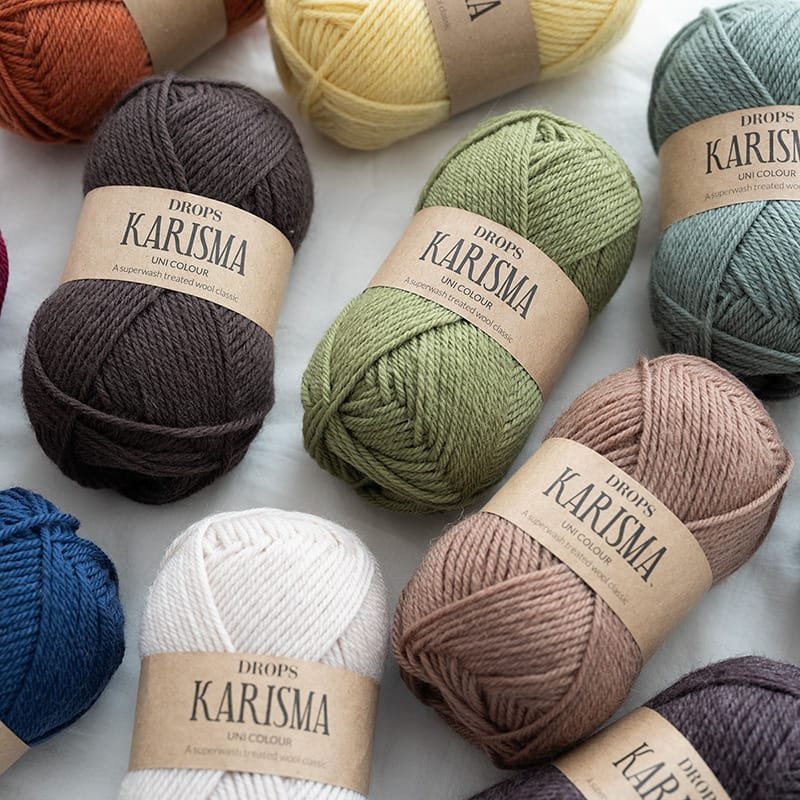
-27%
DROPS KARISMA (100% wool)
Weight/Length: 50g/100m
Original price was: 2,55 €.1,85 €Current price is: 1,85 €. 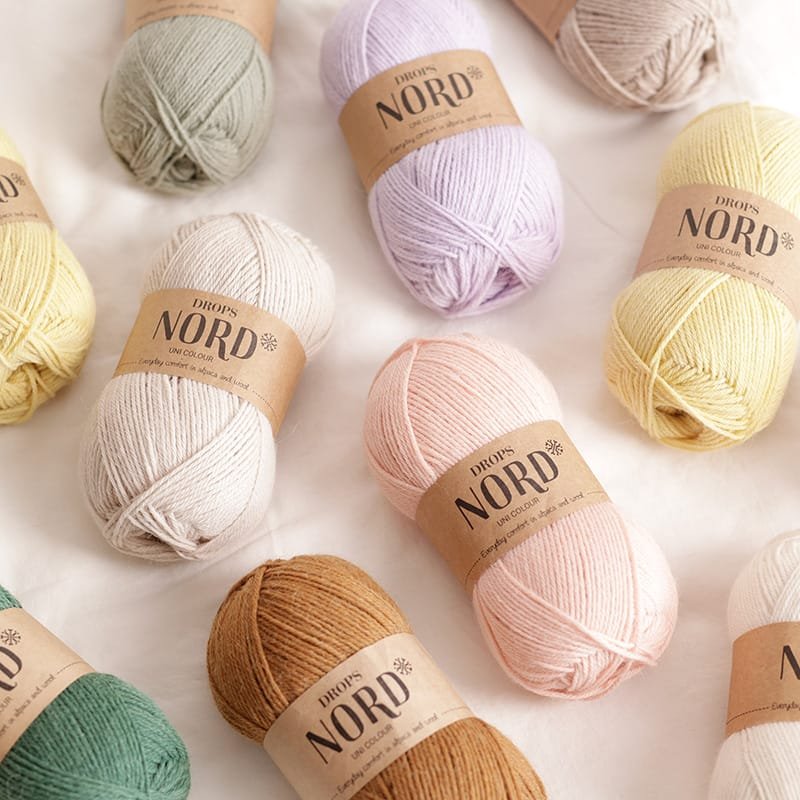
-12%
DROPS NORD (alpaca, wool)
Weight/length: 50g/170m
Original price was: 3,00 €.2,65 €Current price is: 2,65 €. 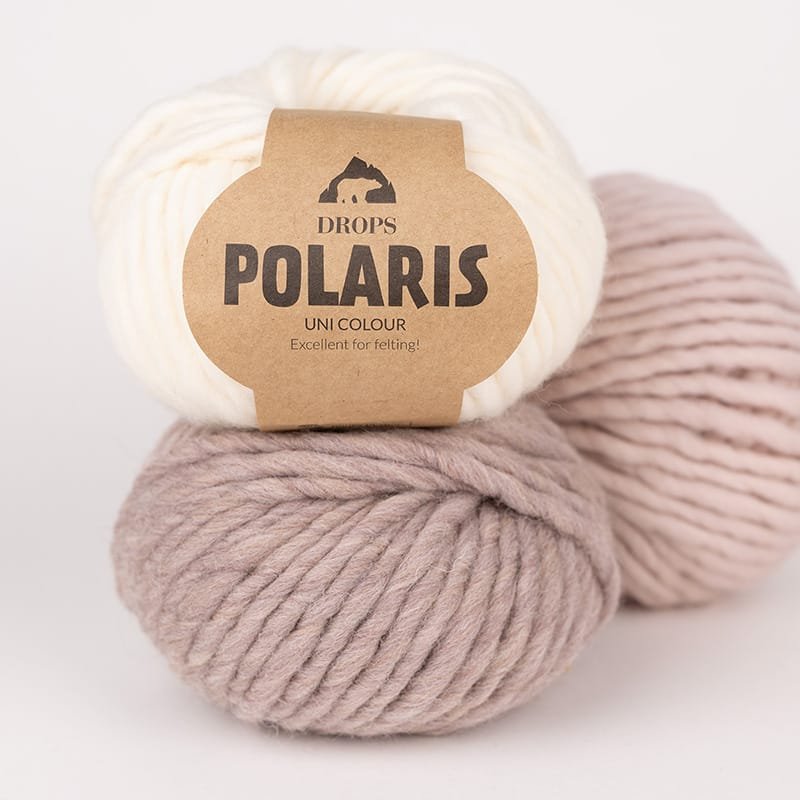
-30%
DROPS POLARIS (100% wool)
Weight/length: 100g/36m
Original price was: 5,45 €.3,82 €Current price is: 3,82 €. 
-30%
-9%
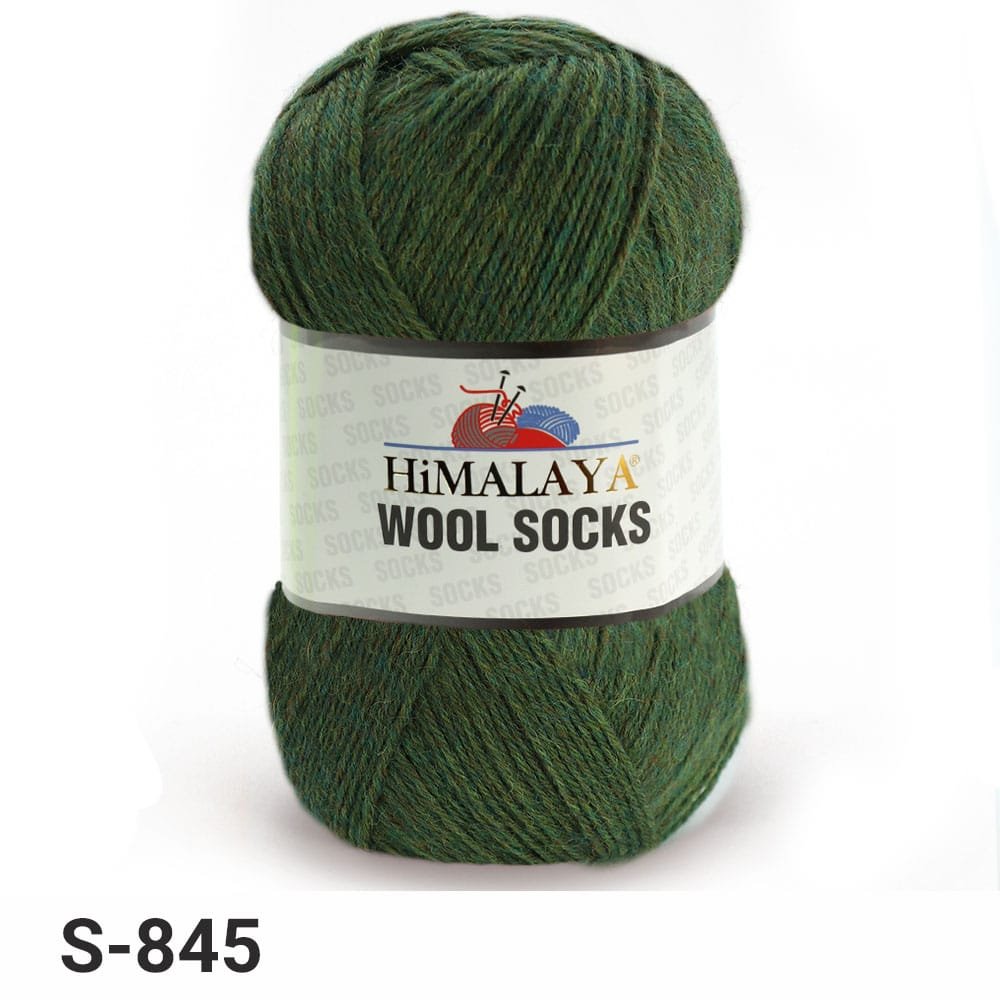
Himalaya WOOL SOCKS (wool, polyamide)
Weight/Length: 100g/400m
Original price was: 3,85 €.3,50 €Current price is: 3,50 €. 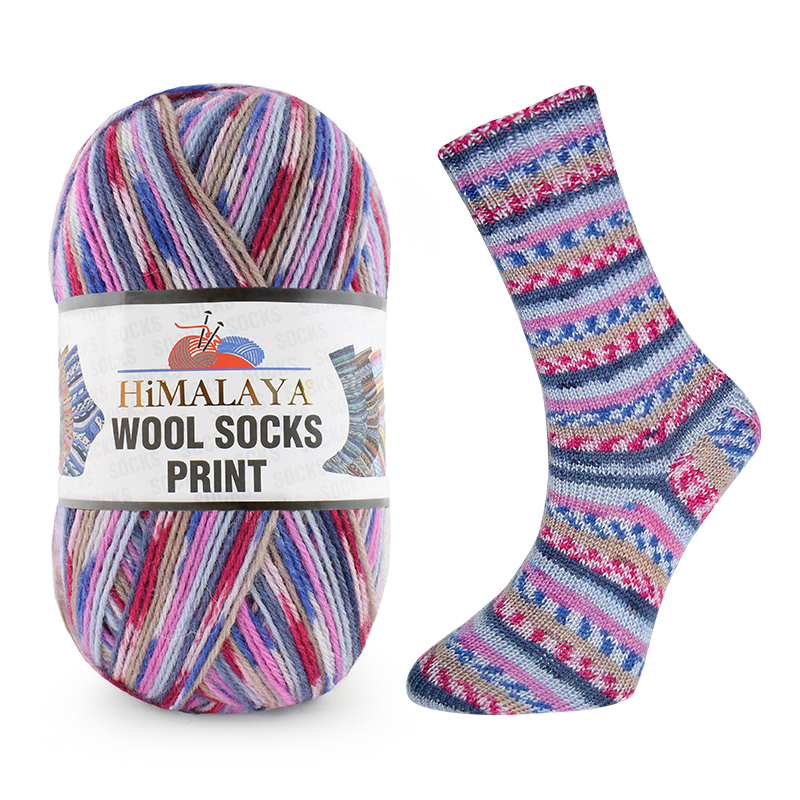

New
Sock yarn: how to choose the composition, thickness and quantity?
Sock yarn must withstand more abrasion and more frequent washing than most yarns intended for knitting. Therefore, when choosing, it is not only softness or color that is important: evaluate the composition, twist, length, knitting gauge and care instructions. Well-chosen yarn for socks helps to create a stretchy, shape-retaining knit that is suitable for a specific purpose.
Thinner, more tightly twisted wool blends are often used for classic everyday socks, which fit into footwear. Thicker wool yarns are more suitable for home socks, slippers or especially warm models. It is worth distinguishing these two purposes, because a soft, thick yarn will not necessarily be resistant enough to long walks in shoes.
What composition is suitable for socks?
Wool provides warmth and elasticity, while polyamide is often used in blends to increase abrasion resistance and maintain shape. This is not the only suitable composition, but a combination of 75% wool and 25% polyamide is common in classic sock yarns. Always follow the manufacturer’s instructions, as percentages alone do not indicate the twist and final strength.
Blends with merino wool may be softer, but the feel and durability of different products vary. If the yarn does not contain a stronger fiber, check to see if the manufacturer recommends it for socks. The toe and heel areas can be reinforced, but this requires a technique appropriate to the chosen pattern.
Thin or thick yarn for socks?Thin classic sock yarns are suitable for everyday socks, worn in shoes. They form a thinner, denser knit, but require more stitches to work.
Medium-weight sock yarns allow for faster knitting and are suitable for warmer leisure or hiking socks, if the composition is resistant enough.
Thick wool yarns are better for homemade socks and slippers. They should not automatically be considered classic sock yarns unless the manufacturer states that they are resistant to heavy wear.How much yarn do you need for a pair of socks?
The amount depends on the size of the foot, the height of the sock, the pattern, the thickness of the yarn, and your knitting gauge. A ball or skein of fine sock yarn is often enough for one pair of adults, but this is not a universal rule. Longer, patterned, or larger socks may require more. It is best to rely on the recommendation of the selected pattern and the yardage of the specific yarn, not just the grams of the ball.
If you are knitting contrasting toes, heels, or edges, include additional colors in the total amount. It is best to choose yarn of the same color for one pair from one dye lot.
Needles and knitting gauge
Socks are usually knitted with double-pointed needles, short double-pointed needles, or longer double-pointed needles using the Magic Loop method. You can find the right tools in the needles and crochet hooks category. The recommended size is a starting point: the most important thing is to get a sufficiently dense, but not stiff fabric. A knit that is too loose will rub faster, and one that is too tight can be inelastic and uncomfortable.
Knit a sample and wash it. Even a small difference in density affects the size of the sock. When choosing a pattern, also consider elasticity: complex braids or color transfers can shrink the fabric.
Care and the “Superwash” label
Not all yarns for socks are suitable for machine washing. The “Superwash” label means that the wool has been treated to reduce pilling, but you still need to follow the temperature and drying method specified on the label. If there is no such label, it cannot be inferred from the composition alone. Before washing, turn the socks inside out and use a wool-friendly detergent, if the manufacturer allows it.
What else can sock yarn be used for?
With their strong twist and high count, fine sock yarns are perfect for gloves, hats, thin scarves and other frequently used accessories. Variegated or self-patterned versions can create an effect without complicated color matching. Compare all alternative fibers and thicknesses in the general category of yarns for knitting and crochet.