
Blog
How to choose the right yarn for your knitting

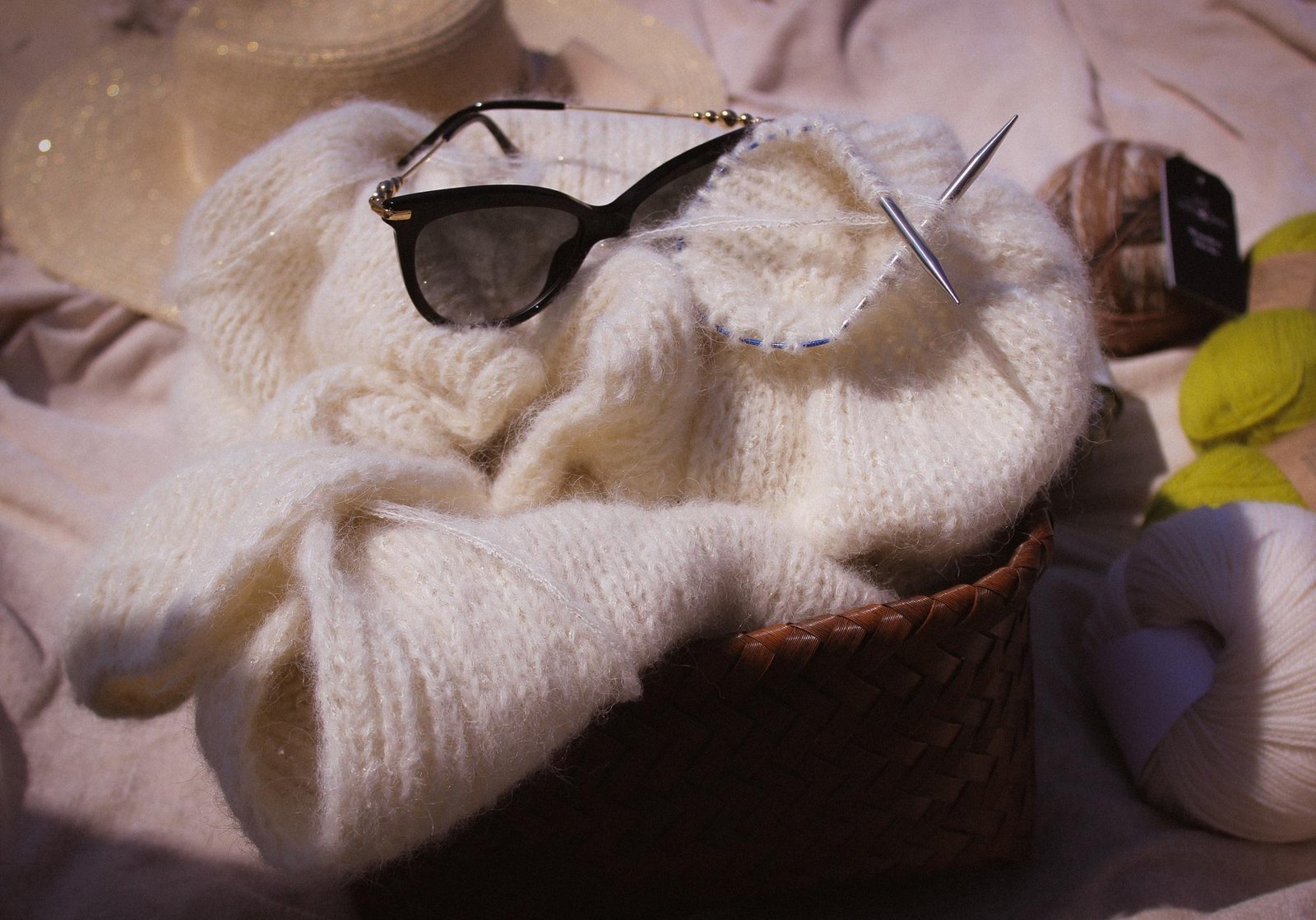
Choosing the right yarn is an important step for every knitter. It's not just about the look of the knitted item, but also about comfort, durability and enjoyment of the knitting process. From fibre to thickness, every choice makes a difference.
Think about the purpose of the knit:
For casual wear
For everyday wear, choose durable and easy-care yarns. For this purpose, the following are ideal Cotton, blends of wool and synthetic fibres, such as blends of wool and acrylic or cotton and polyester. They can withstand frequent washing, crease less and keep their shape longer.
For winter knits
For warm and cosy winter products, choose natural wool, merino, alpaca or mohair yarns. Merino wool is extremely soft and non-irritating, while the alpaca and mohair yarns are lightweight and offer excellent warmth retention. This yarn is ideal for warm jumpers, scarves and hats.
For summer products
For summer knits, choose lightweight and breathable yarns that prevent your body from overheating. Cotton, linen or bamboo are the best options. Cotton is versatile, robust and moisture-absorbing, and linas has excellent breathability. Bamboo yarns are soft, pleasant to the skin and cooling. They are perfect for summer blouses, dresses or scarves.
Pay attention to the composition of the yarn:
Natural fibres
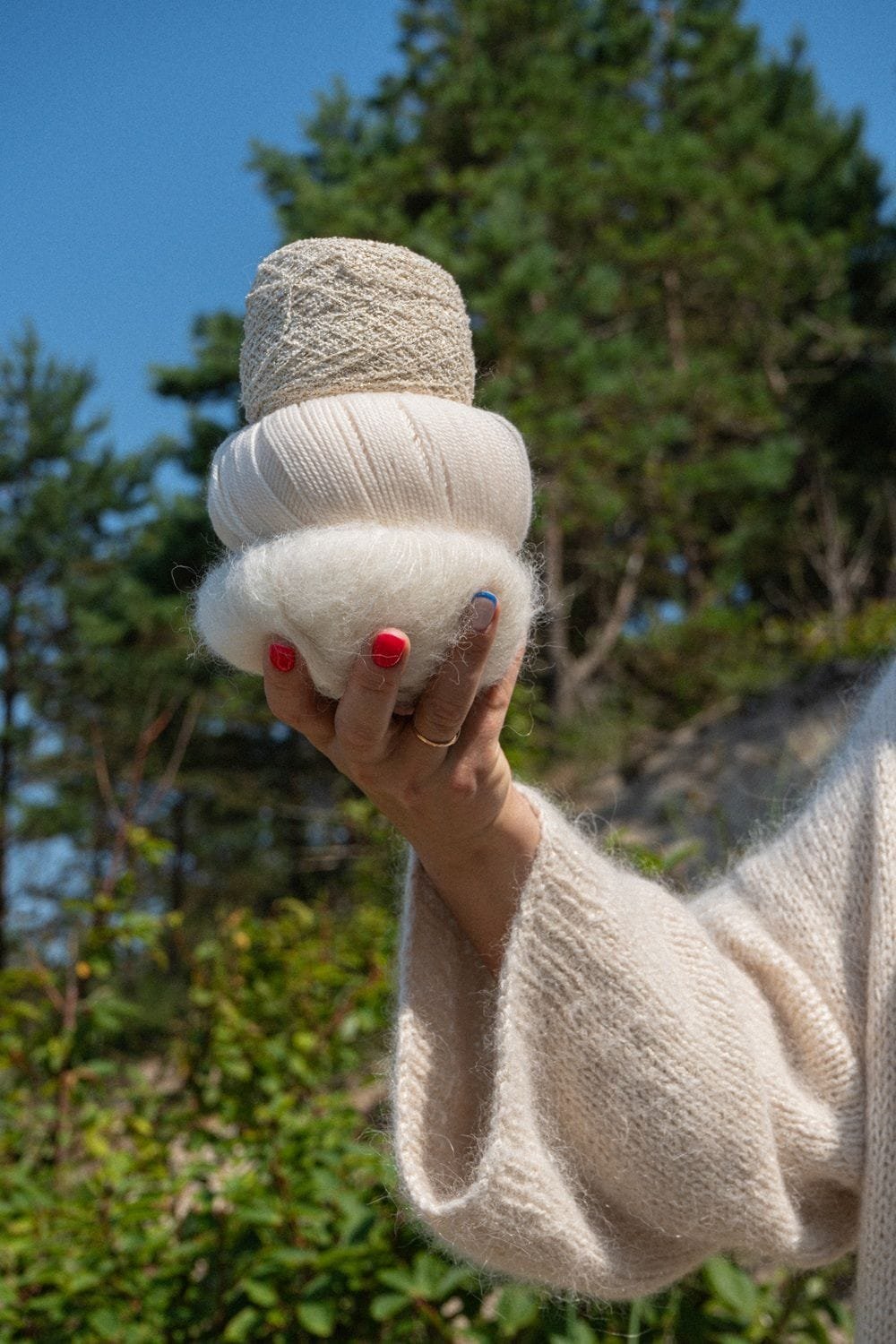
Natural fibres (e.g. wool, cotton, linen, silk) give the knitwear a cosy and luxurious feel. These materials have excellent breathability, making the garments pleasant to wear. Each fibre has its own unique properties: wool has excellent warmth retention, linen is ideal for cooler summer garments and silk gives a unique elegance and softness.
Synthetic additives
Synthetic additives (e.g. acrylic, polyamide, polyester) are often added to the yarn to increase its durability and certain properties. These fibres add strength, elasticity and increased resistance to abrasion and fading. These additives make the knitted fabric easier to care for, hold its shape better and crease less, making it ideal for everyday garments such as socks or sweaters.
Blends
Often the best choice is a blend that combines the advantages of natural and synthetic fibres.
For example, a wool-acrylic blend combines the warmth of wool with the durability and easy maintenance of acrylic. Such yarns are ideal for both warm and casual knits, ensuring durability and comfort. When choosing a yarn, pay attention to the composition on the label and choose what best suits the needs of your project.
Choose the thickness of the thread according to the project:
Thin threads (Lace, Fingering)
Thin yarns are ideal for delicate and meticulous projects. Choose it for lace, elegant summer pieces or soft baby clothes. Thanks to their fine weight, these knitting yarn is ideal for detailed work and allows you to create lightweight, breathable fabrics that fall beautifully.
Medium-thickness yarn (DK, Worsted)
Medium weight yarns are the most versatile and popular. It is suitable for almost everything: sweaters, scarves, hats and other everyday garments. They are faster to knit than the thinnest yarns and produce a sturdy but not too heavy knit, making them ideal for beginners and experienced knitters alike.
Thick yarns (Bulky, Super Bulky)
If you want a quick result, choose thick threads. This yarn is ideal for quick knitting and large details. They are ideal for warm blankets, cosy home accessories or bold and unique knits. However, please note that knitting with thicker yarns will be heavier and stiffer.
Why is it important to knit a sample?
Professionals always stress: make a small sample before you start a project. This will avoid unpleasant surprises later. A sample gives you a chance to see what happens to the yarn after knitting and washing. For example, some yarns stretch while others shrink.
How does it help?
Density check:
The sample helps to make sure that the density of your knitting is the same as indicated in the pattern. If the knitting is too loose or too dense, you can change the size of the cables to get the desired result. It is very important to choose the right yarn for your knitting ropes.
Texture and fall assessment: this is a great opportunity to actually see how the pattern looks and how the yarn falls. You may like the way the knit looks, but you may not like the way it feels against the skin.
Yarn behaviour after washing: The washed sample shows how the knitted fabric will behave in the future. This will give you an idea of whether the knit will stretch, shrink or fade in colour.
By taking some time to knit a sample, you can be sure that your big project will be a success and that the result will delight you for years to come.
Choice of threads - is the first step towards success in your knitting. The most important thing is to think about the purpose, composition, thickness and colour. And then rely on your creativity and intuition.
Siūlų Bangos In the shop you'll find carefully selected yarns that will inspire you to create. Discover the beginning of your perfect knit with us!
One thought on “Kaip išsirinkti tinkamus siūlus mezginiui”