MATERIAL
Brand name




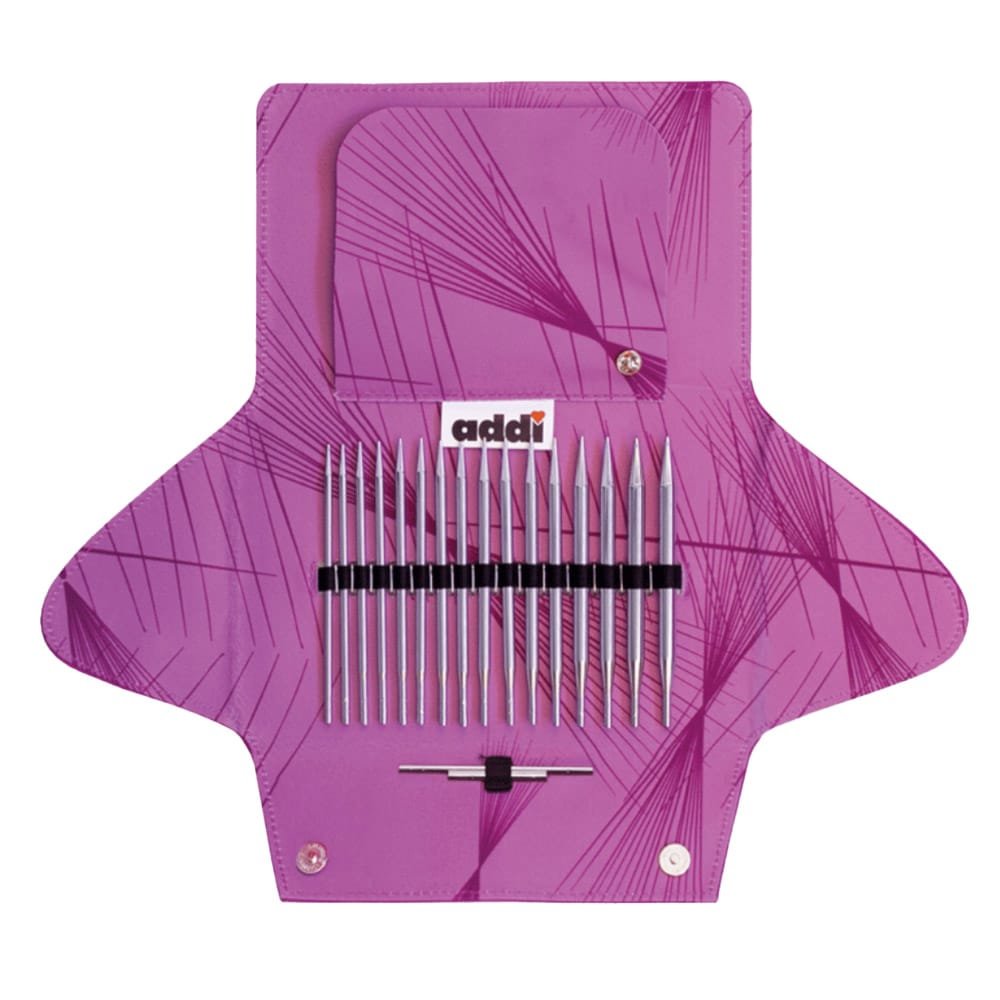
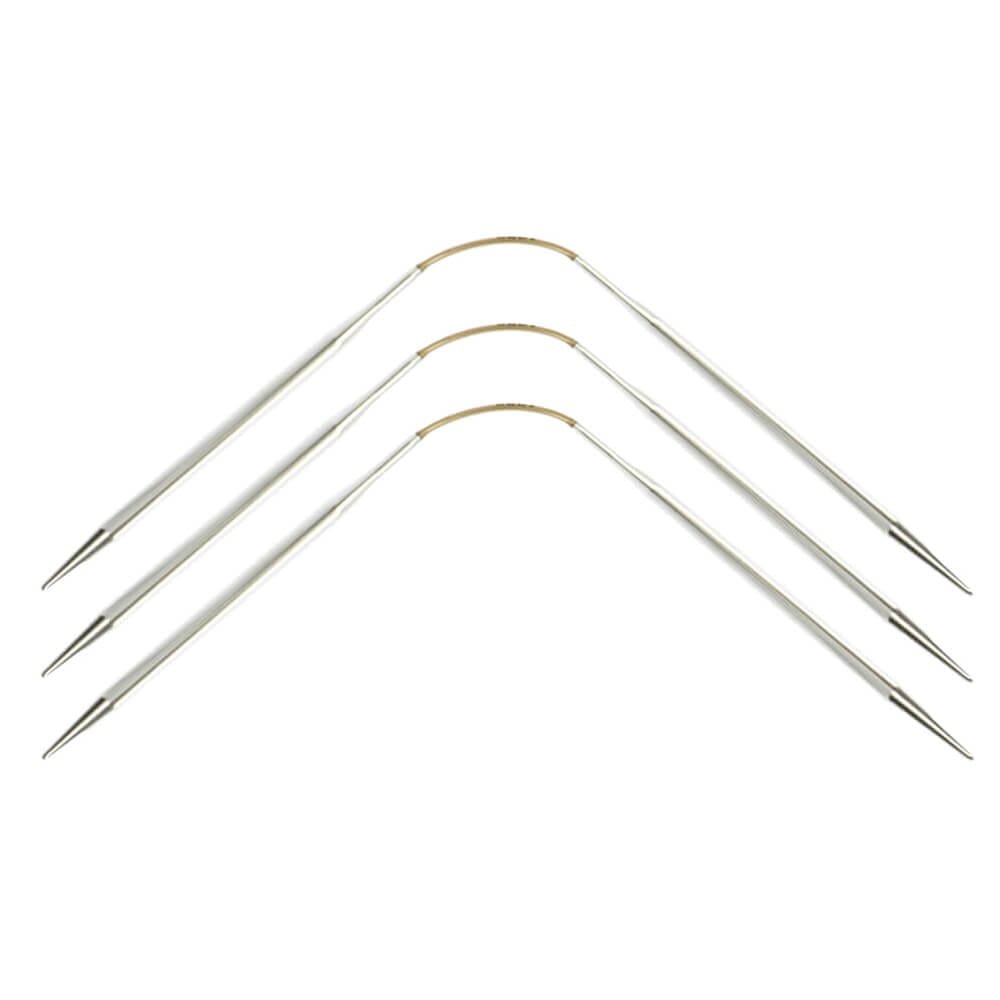
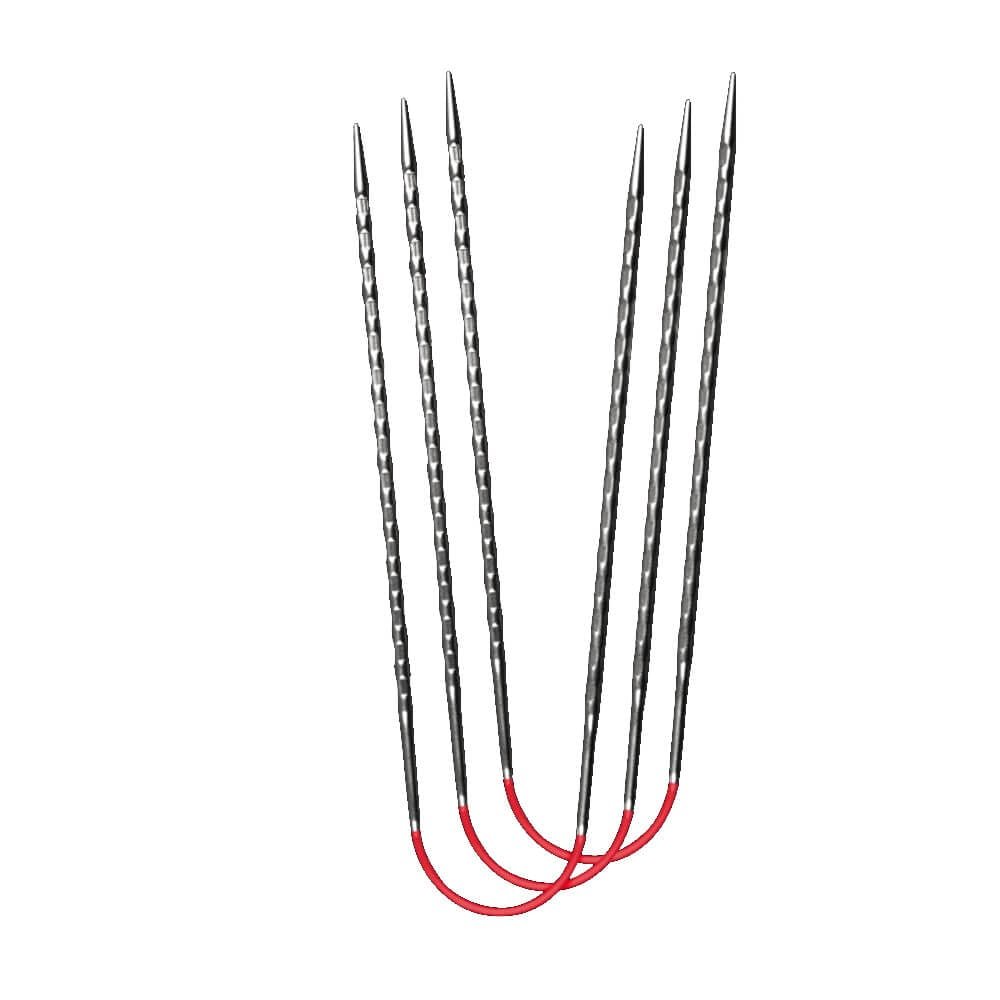
Addi CrasyTrio NOVEL LONG – flexible square needles for socks and sleeves
Price range: 19,95 € through 22,45 €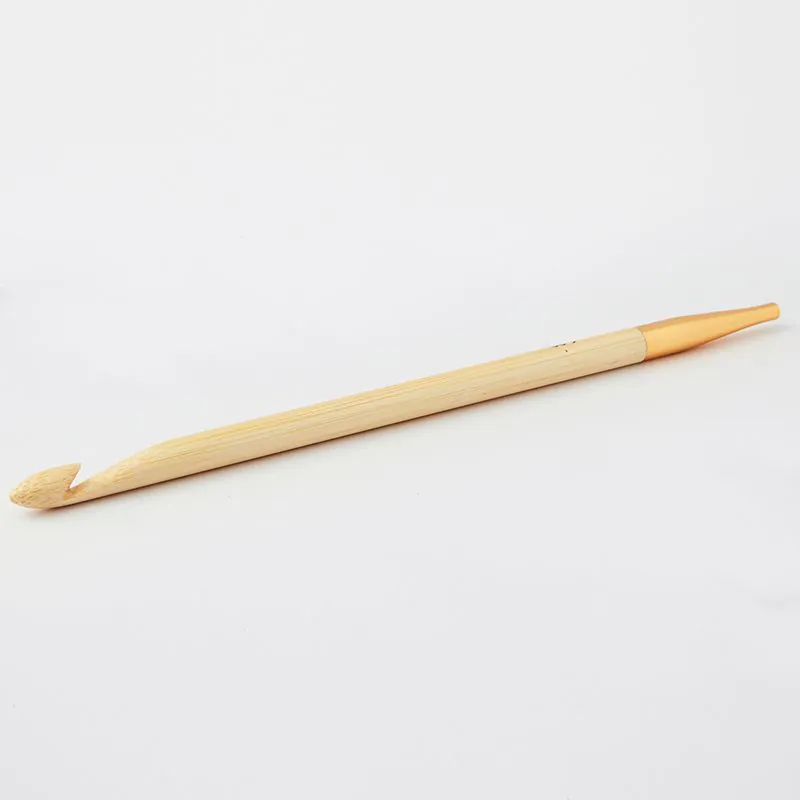
BAMBOO Tunisian/Afghan Hooks (3-4 mm)
Price range: 7,25 € through 7,95 €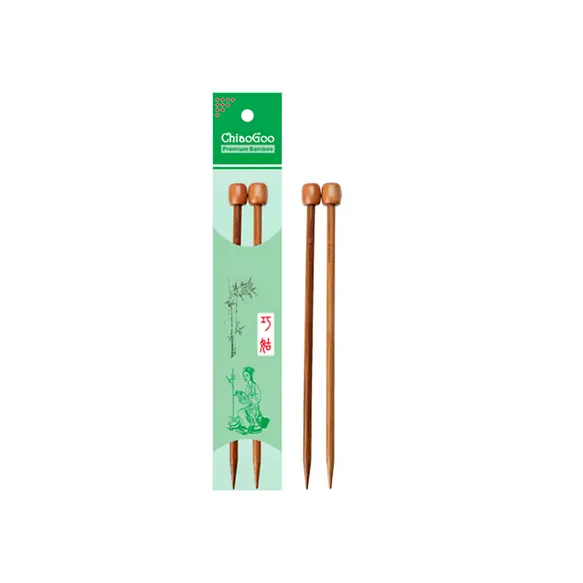
ChiaoGoo Bamboo Circular Needles (33cm, 2.25-10mm)
Price range: 8,80 € through 10,80 €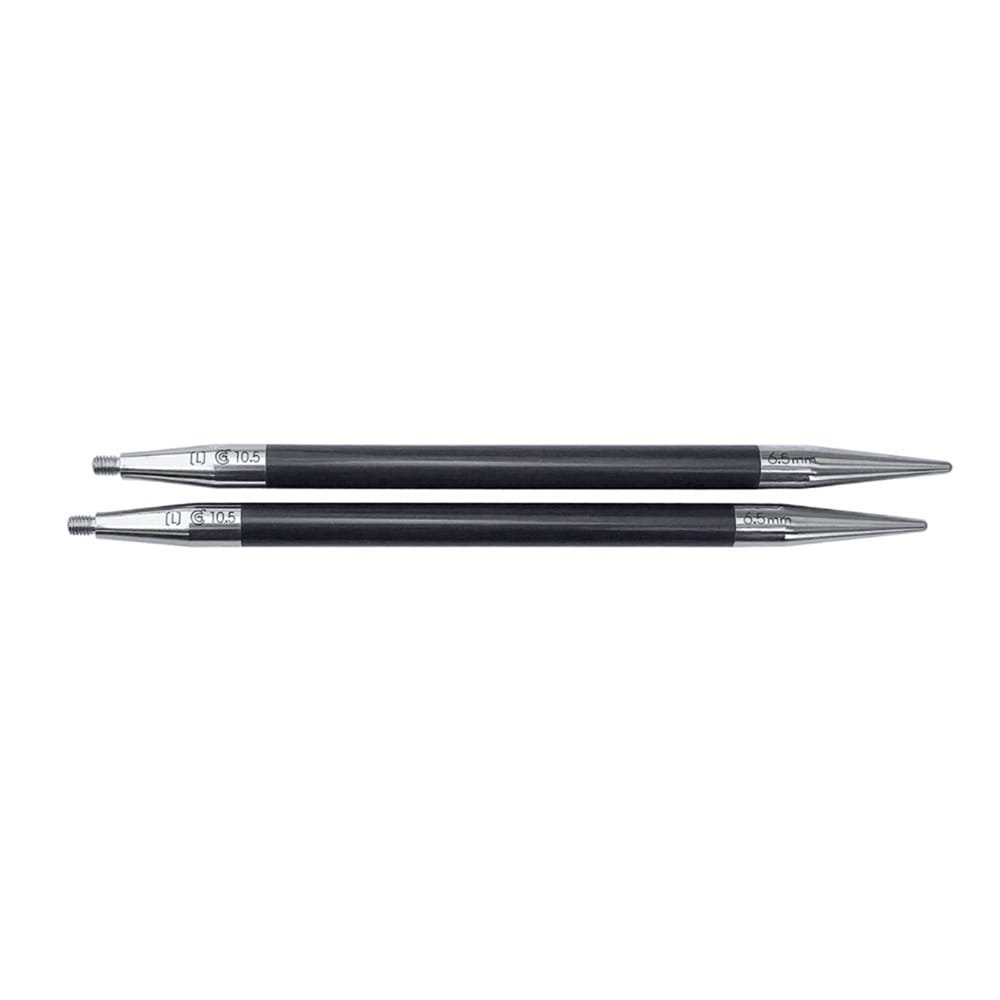
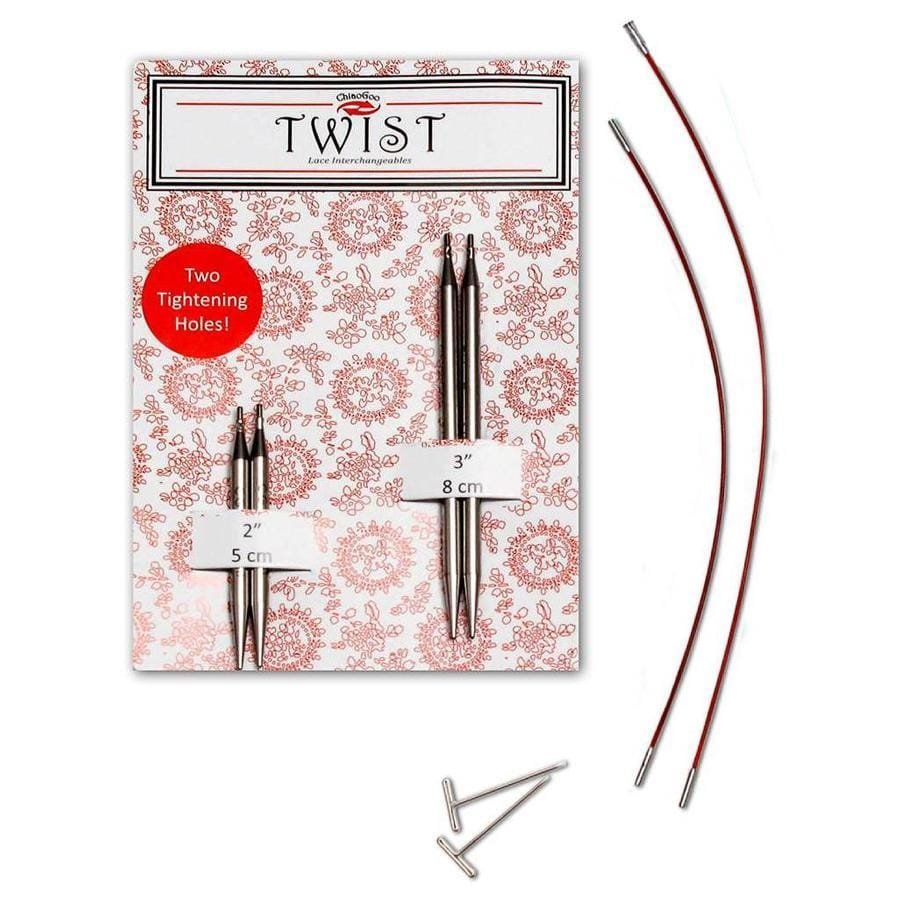
ChiaoGoo FORTE Lace – 10 cm carbon fibre twist needles
Price range: 15,95 € through 18,45 €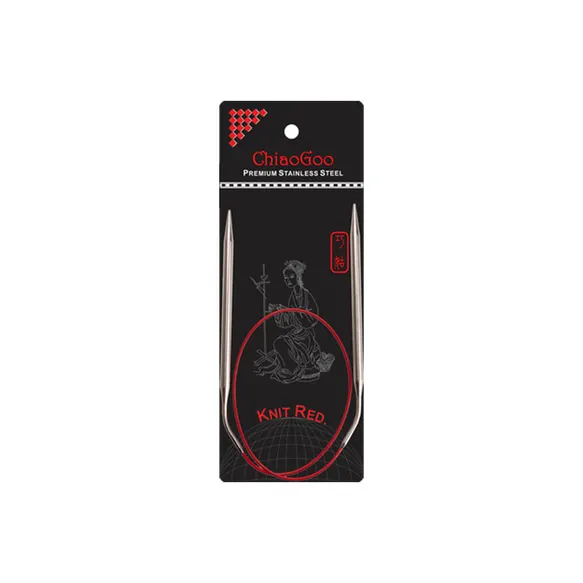
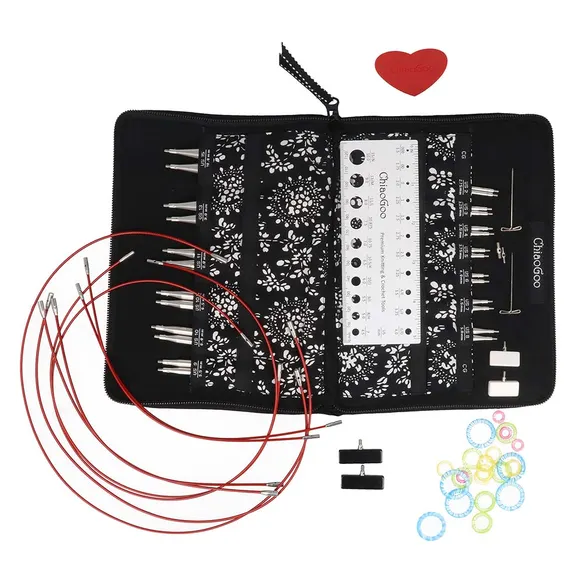
ChiaoGoo Knit RED circular needles with cable (40-100 cm)
Price range: 12,35 € through 17,95 €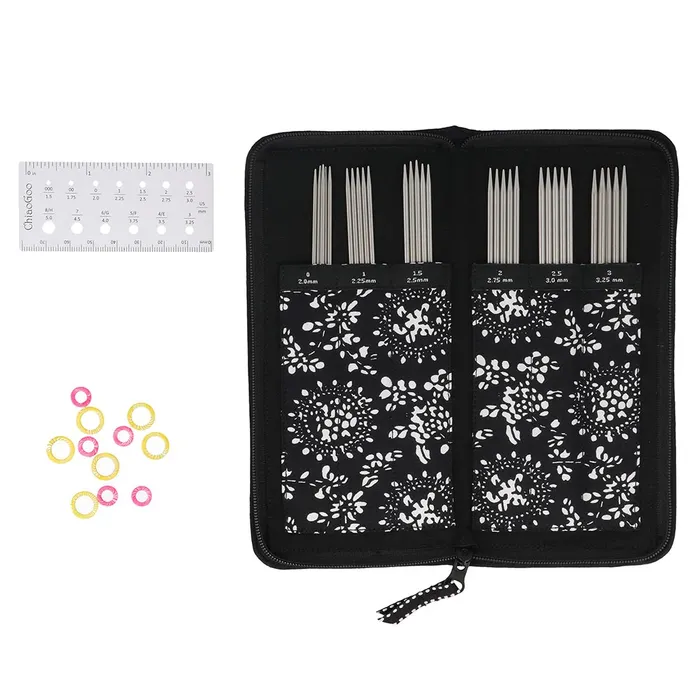
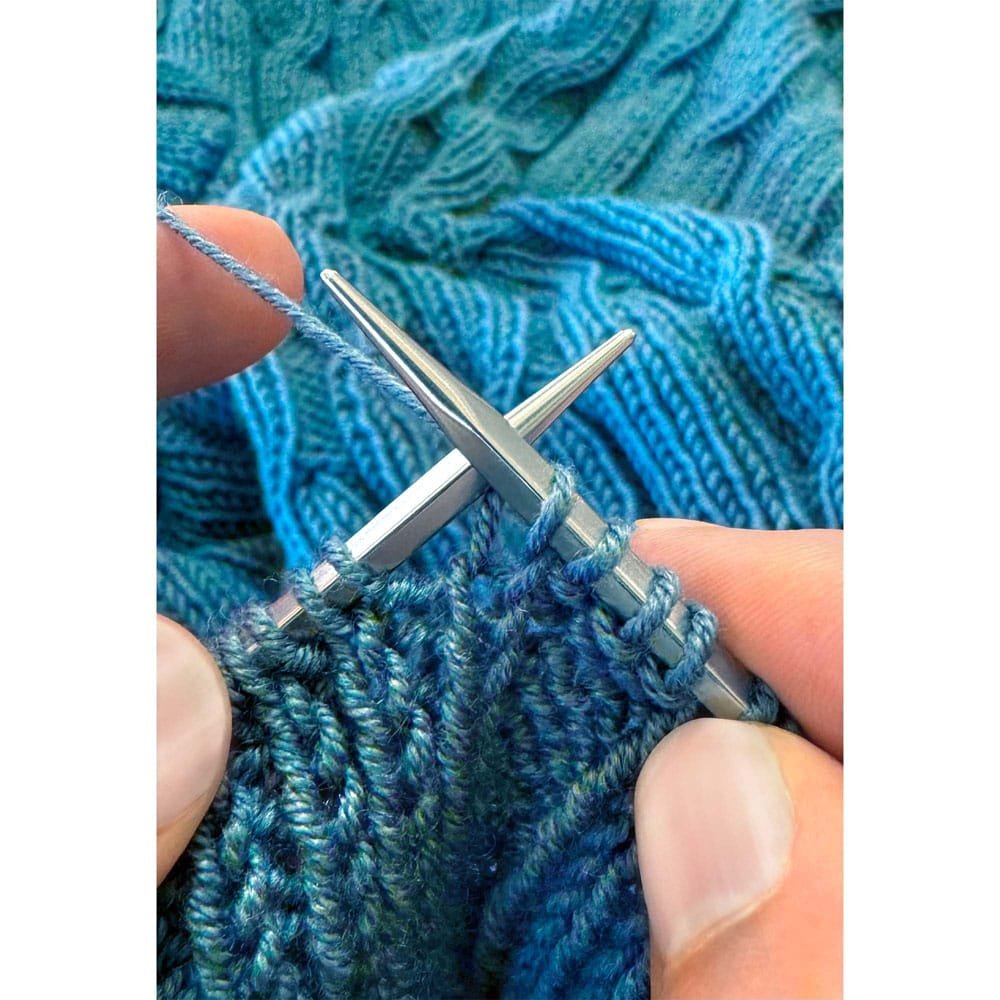
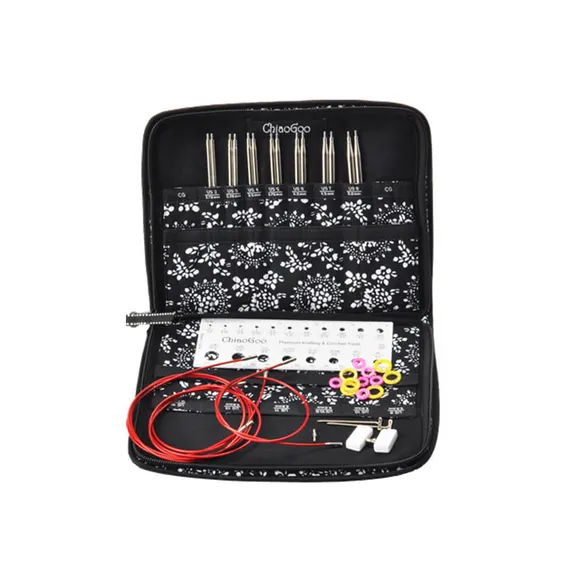
ChiaoGoo QUADS Lace – 10 cm square twist-on needles
Price range: 14,45 € through 15,45 €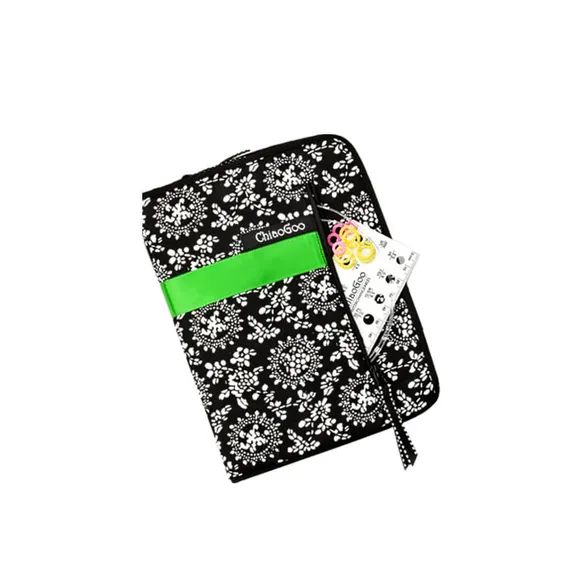
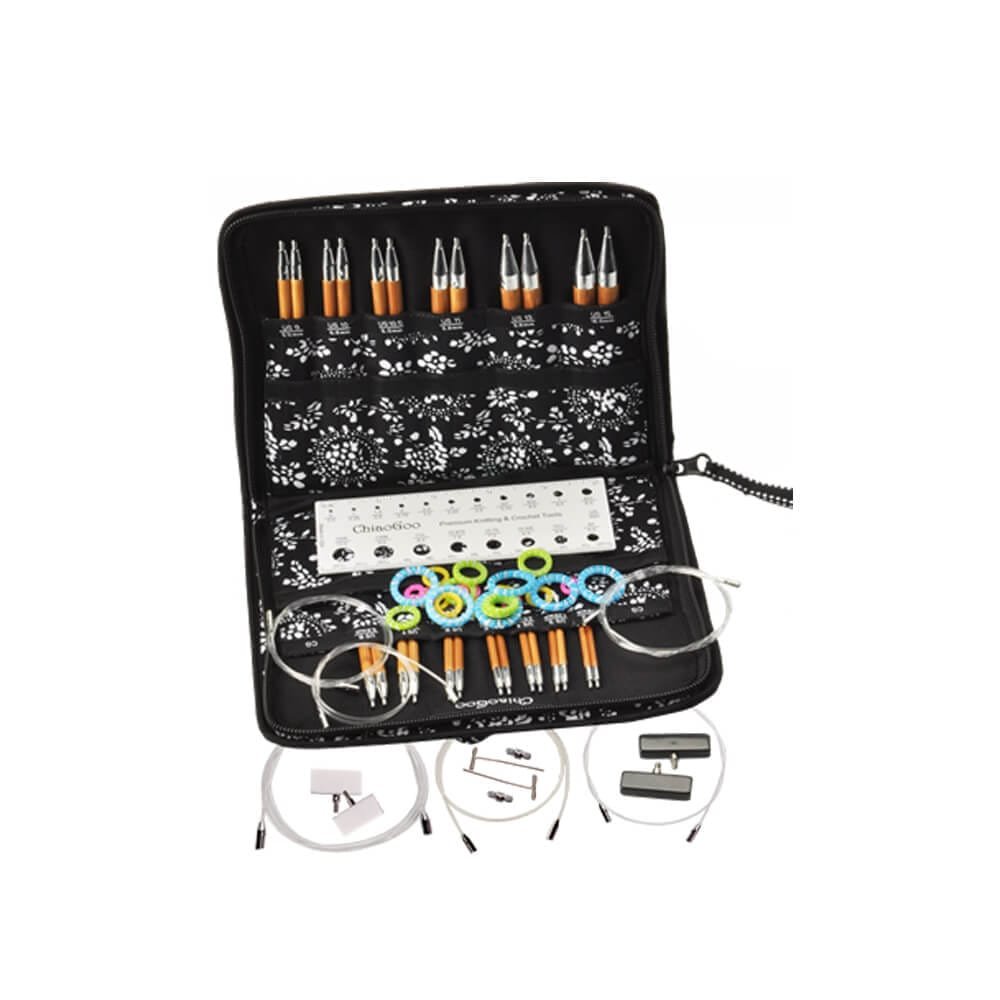
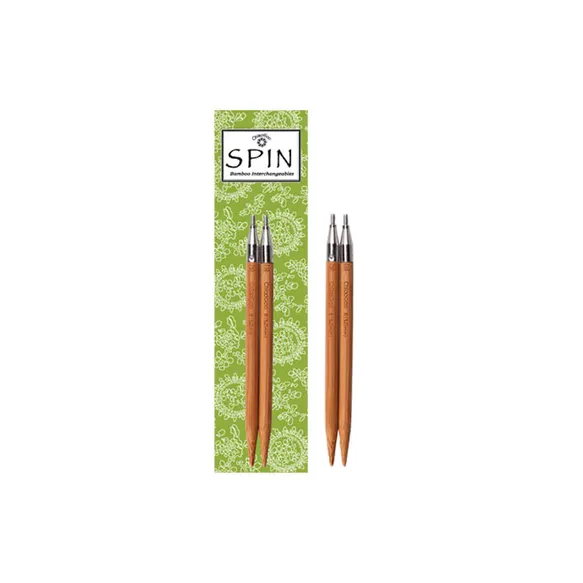
ChiaoGoo SPIN interchangeable bamboo needles (10 cm)
Price range: 11,80 € through 17,80 €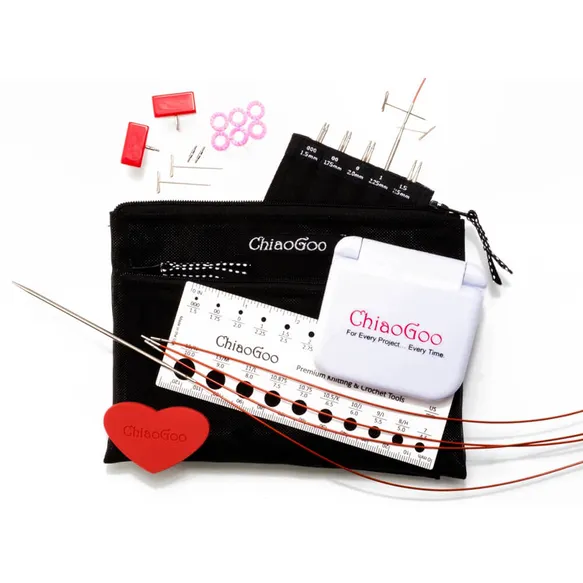
Fibre is the basis for every knit
When it comes to knitting or crochet, most often focusing on threads, colours or patterns. But rarely do we think about where it all really starts. The beginning of every thread is fibre - the raw material from which the yarn is subsequently created. It is the fibre that determines how soft or coarse, warm or light, elastic or stiff the yarn will be. The fibre determines not only the look of the yarn, but also the whole knit features, making it one of the most important aspects of the whole creative process. Some knitters and needlework enthusiasts only start to delve into fibres after a while, but it is here that the creative possibilities become even more vast.
What is fibre?
Fibre is the natural or artificial material from which yarns are made. These can be animal wool, vegetable cotton or synthetic materials. The fibre can have a variety of textures - soft, fluffy, slippery or even slightly Rough. It is then processed, combed, spun and turned into yarn. The better the quality of the fibre, the more pleasing the final knitted fabric.
Natural fibres
Natural fibres are among the most popular. They are valued for their properties and naturalness. Wool is one of the most common choices. It is warm, elastic and perfect for a wide range of clothing. Different types of wool can vary greatly, from soft to slightly coarser. Cotton is a lighter fibre often used for summer knits. It is pleasant on the skin and absorbs moisture well. Other fibres such as linen or silk are also used. Natural fibres are often valued for their comfort and breathability.
Synthetic fibres
In addition to natural fibres, synthetic fibres are widely used. They are industrially produced and often have a higher resistance. Such fibres can be easier to maintain and are less prone to shrinkage or deformation. Synthetic fibres are often used in combination with natural fibres, to improve the properties of the yarn. For example, wool can be blended with synthetics to make the yarn stronger and more durable.
How does the fibre affect the knitted fabric?
When choosing a yarn, it is important to understand that Features depends directly on the fibre.
The fibre determines:
- the softness of the knitted fabric
- heat
- elasticity
- resistance to wear and tear
The same pattern can look completely different if a different fibre is used. For this reason, knitters often experiment with different fibres.
Fibre processing
The fibre goes through several stages before becoming a yarn. It is cleaned, combed and spun. These processes influence how the final yarn will look. Some yarns are smooth and strong, others are loose and soft. Different processing techniques allow different yarns to be made from the same fibre. This gives you even more scope for creativity.
Fibre for felting and creativity
Fibre is not only used to make yarn. It can also be used for needlepoint or other needlework. Felting allows you to create a variety of shapes, from jewellery to decorations. The raw fibre gives you even more freedom to create and experiment. This is especially appealing to people who like handicrafts and creative processes.
How do I choose my fibres?
When choosing a fibre, it is important to consider the project for which it will be used. If you are knitting a warm garment, wool is often chosen. For a lighter knit, cotton or other lighter fibres may be suitable. The right choice of fibre helps to achieve the desired result and ensures the comfort of the knit. It is also important to pay attention to how the fibre feels to the touch, which is particularly important if the knit will be worn.
Knitting as a creative process
Knitting and crocheting are for many people a creative activity that allows them to relax. It is a process where patience and attention to detail are important. As the knitting slowly grows, a pleasing rhythm emerges. Things made by hand often have a special value. In these activities fibre is the very first step, where the whole creative process starts. The choice of yarn is not only important, but also the final feel and look of the knitted piece.