
Lace / very fine yarn










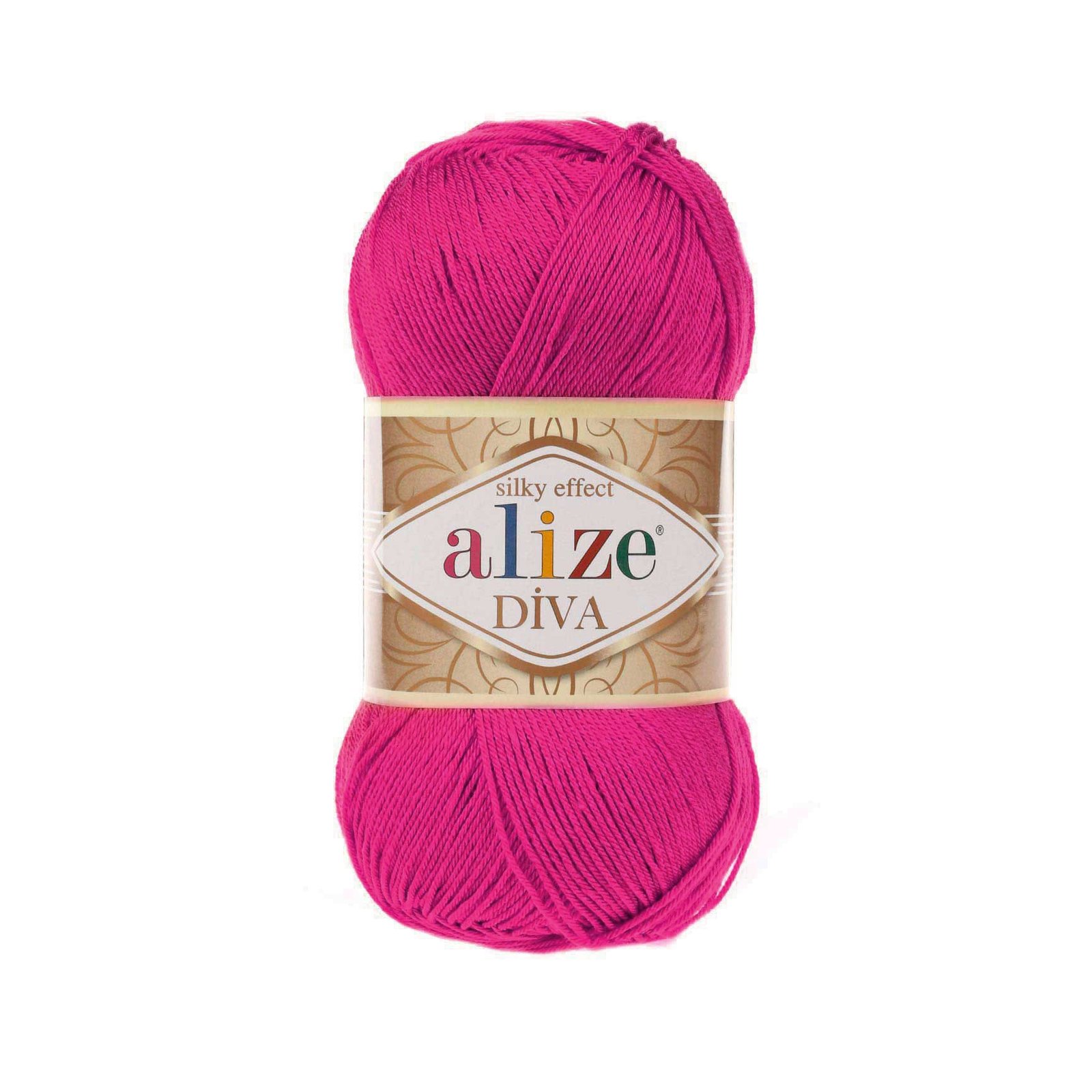
Alize DIVA (100% microfibre acrylic)
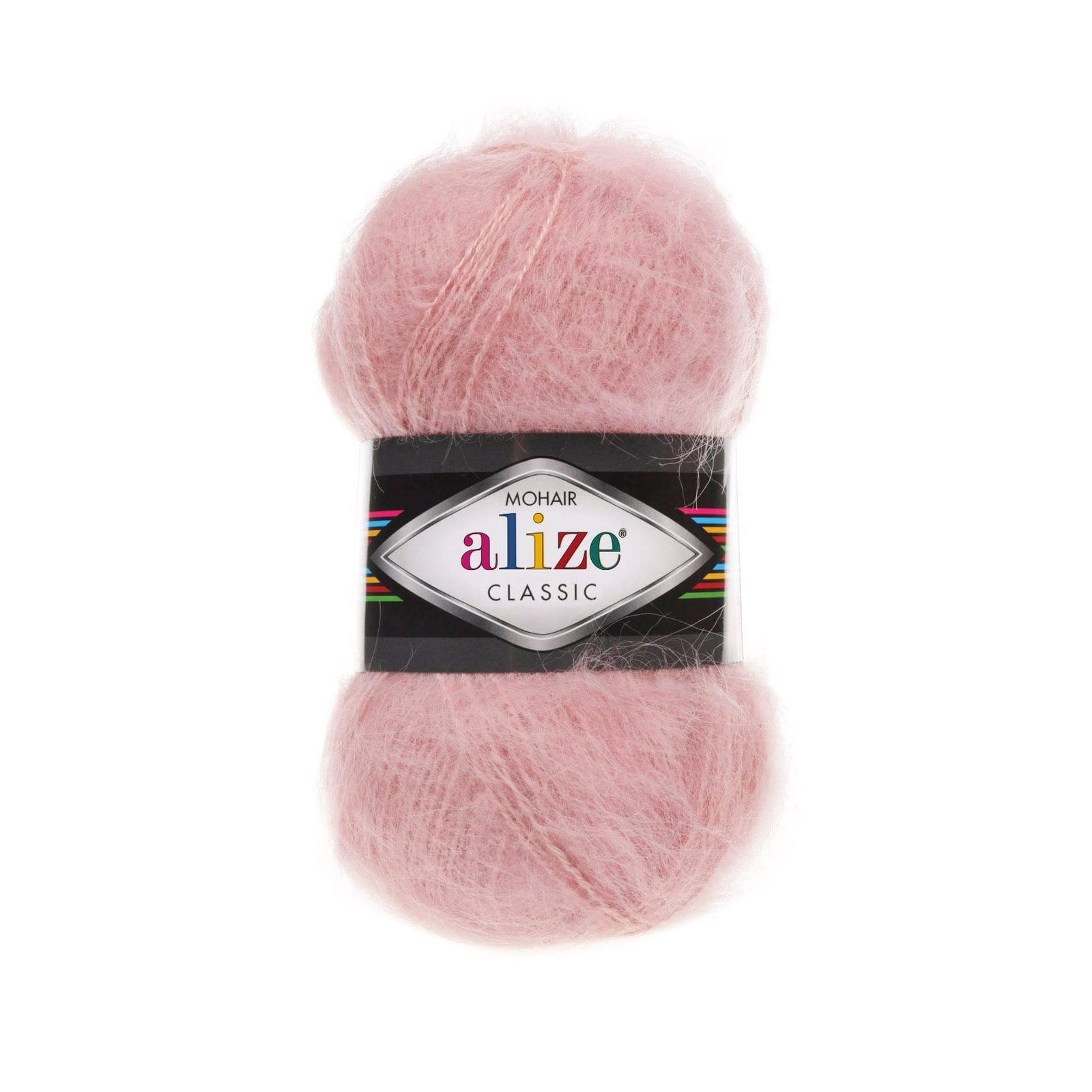
Alize MOHAIR CLASSIC (mohair, wool)
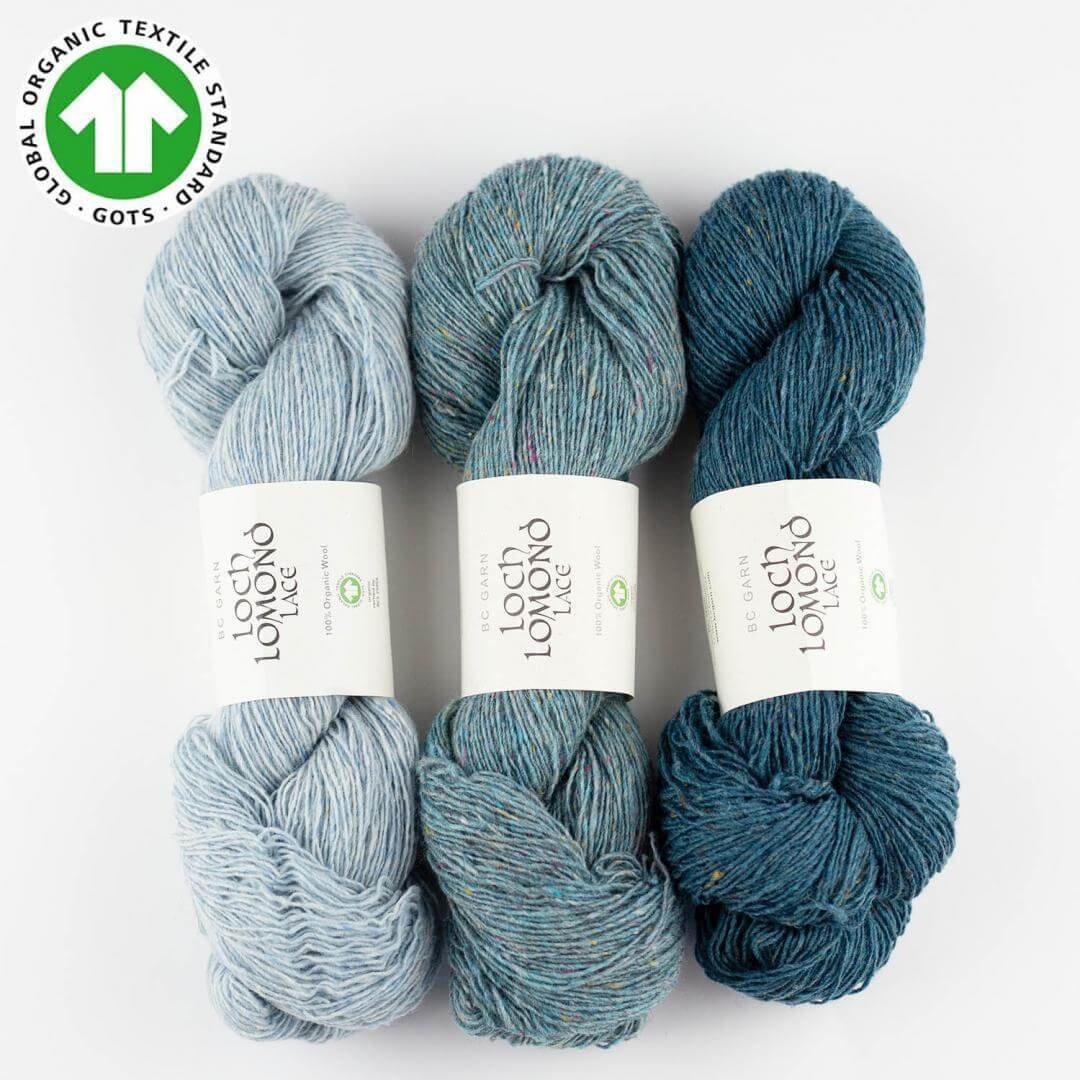
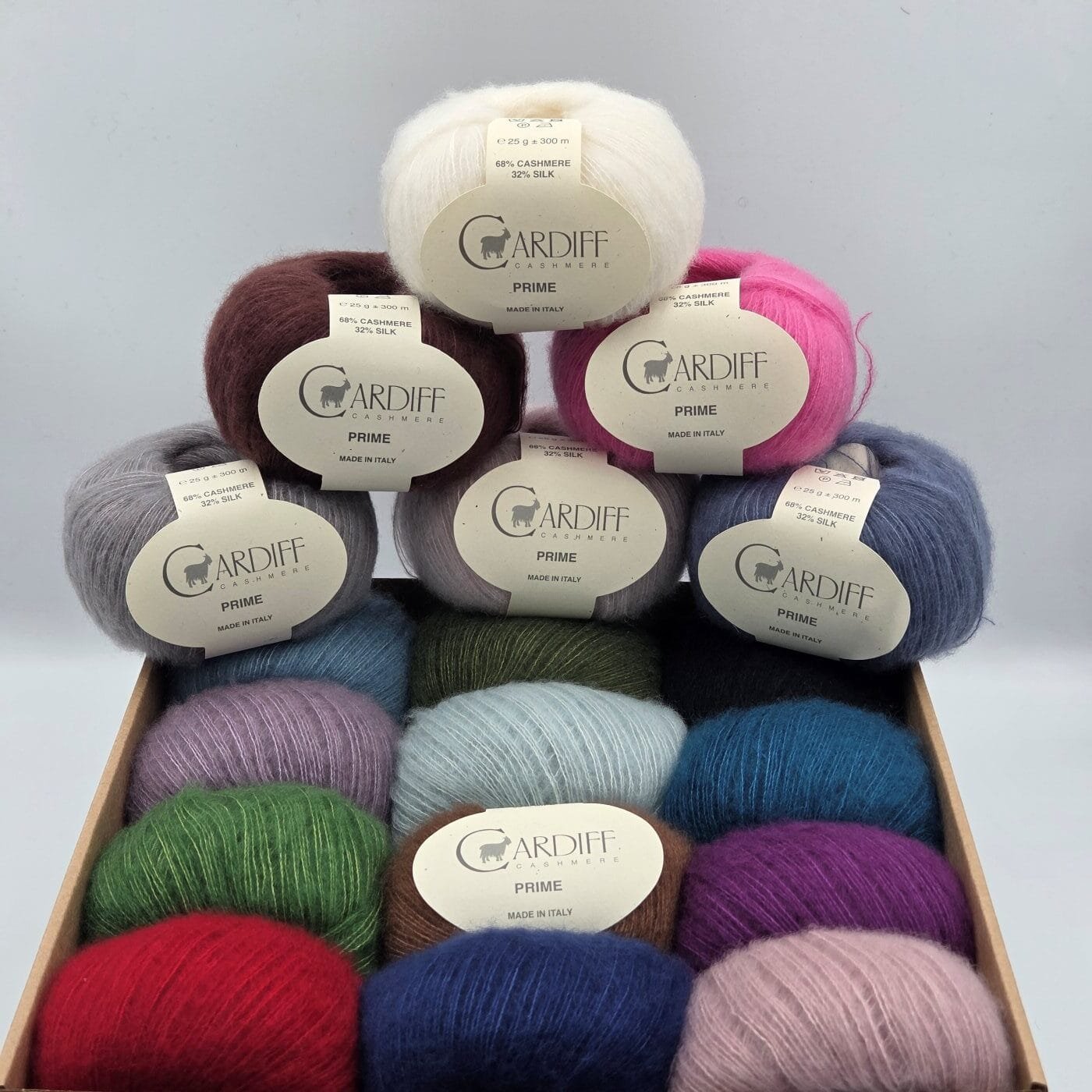
Cardiff Cashmere PRIME (cashmere, silk)

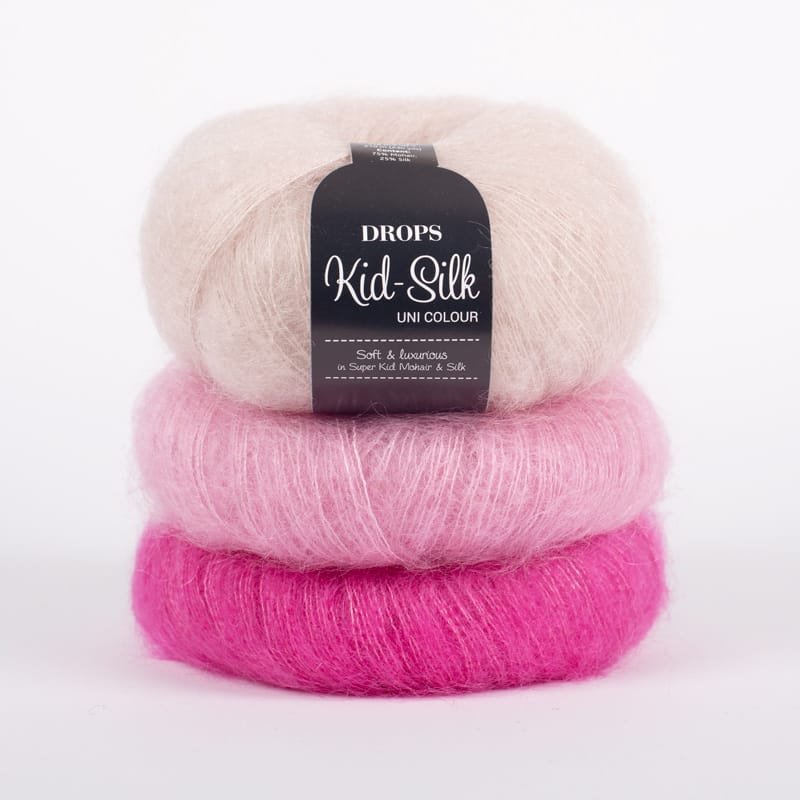
Drops KID 70% Mohair, 30% Silk
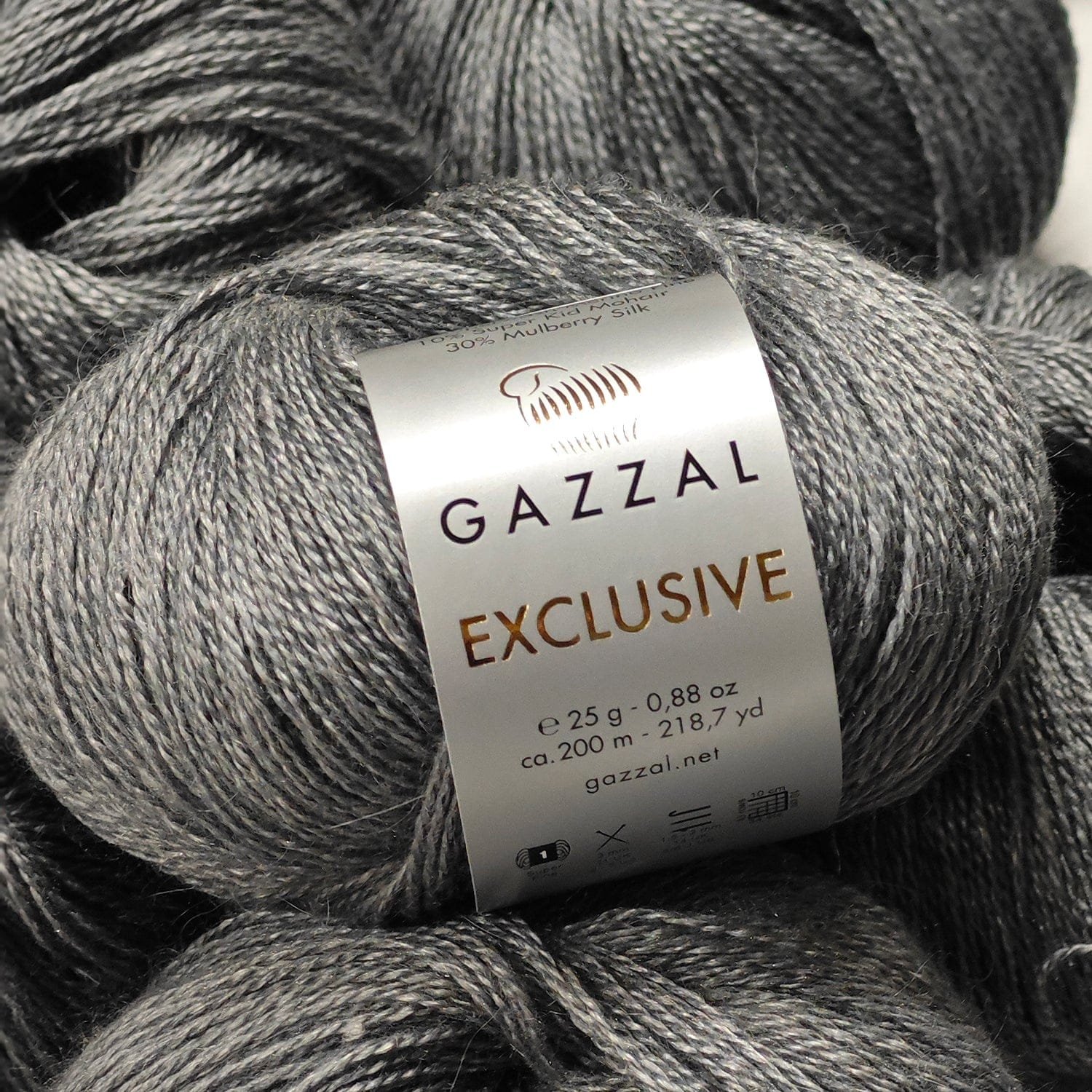
Gazzal EXCLUSIVE (merino wool, silk, super kid mohair)
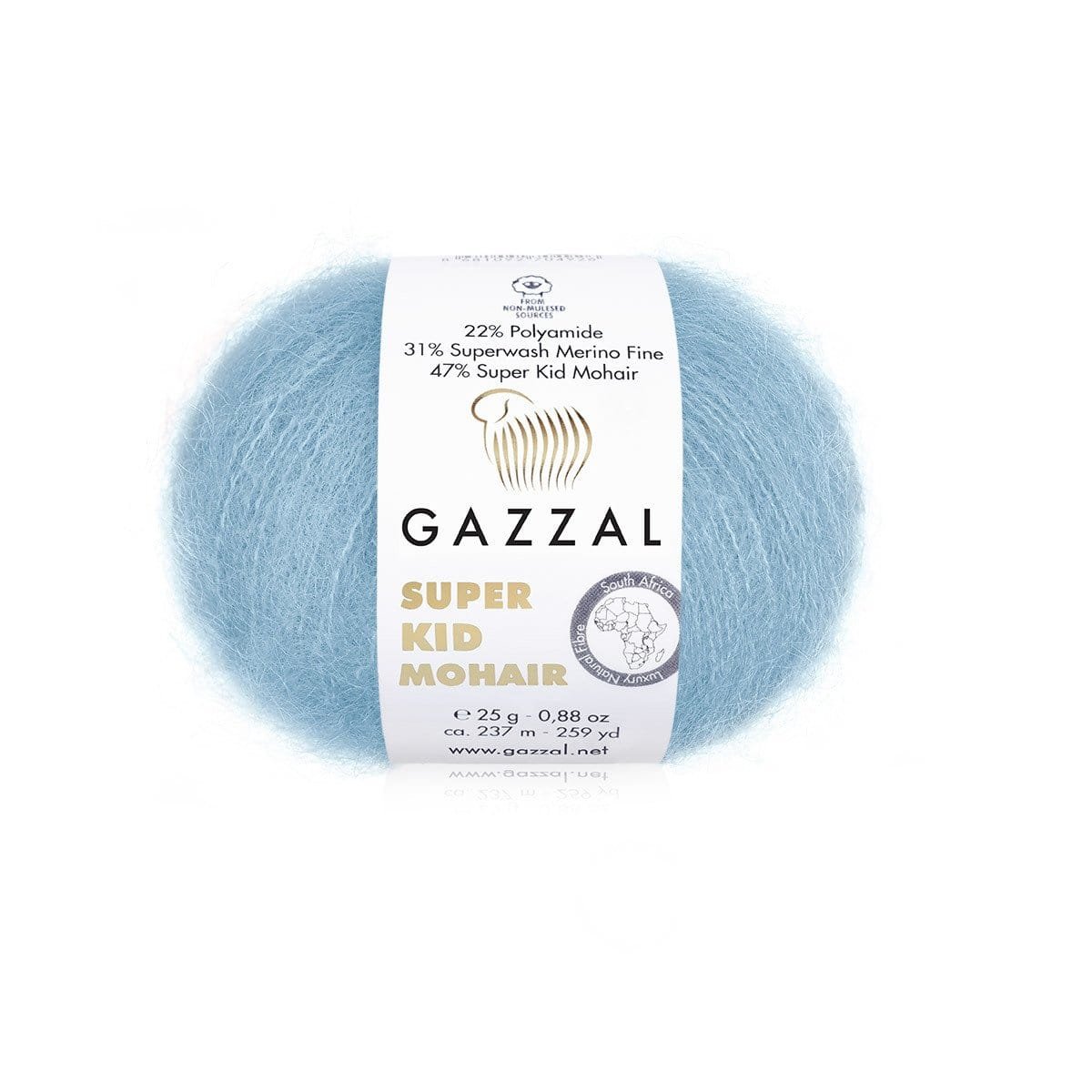
Gazzal SUPER KID MOHAIR (mohair, merino wool)
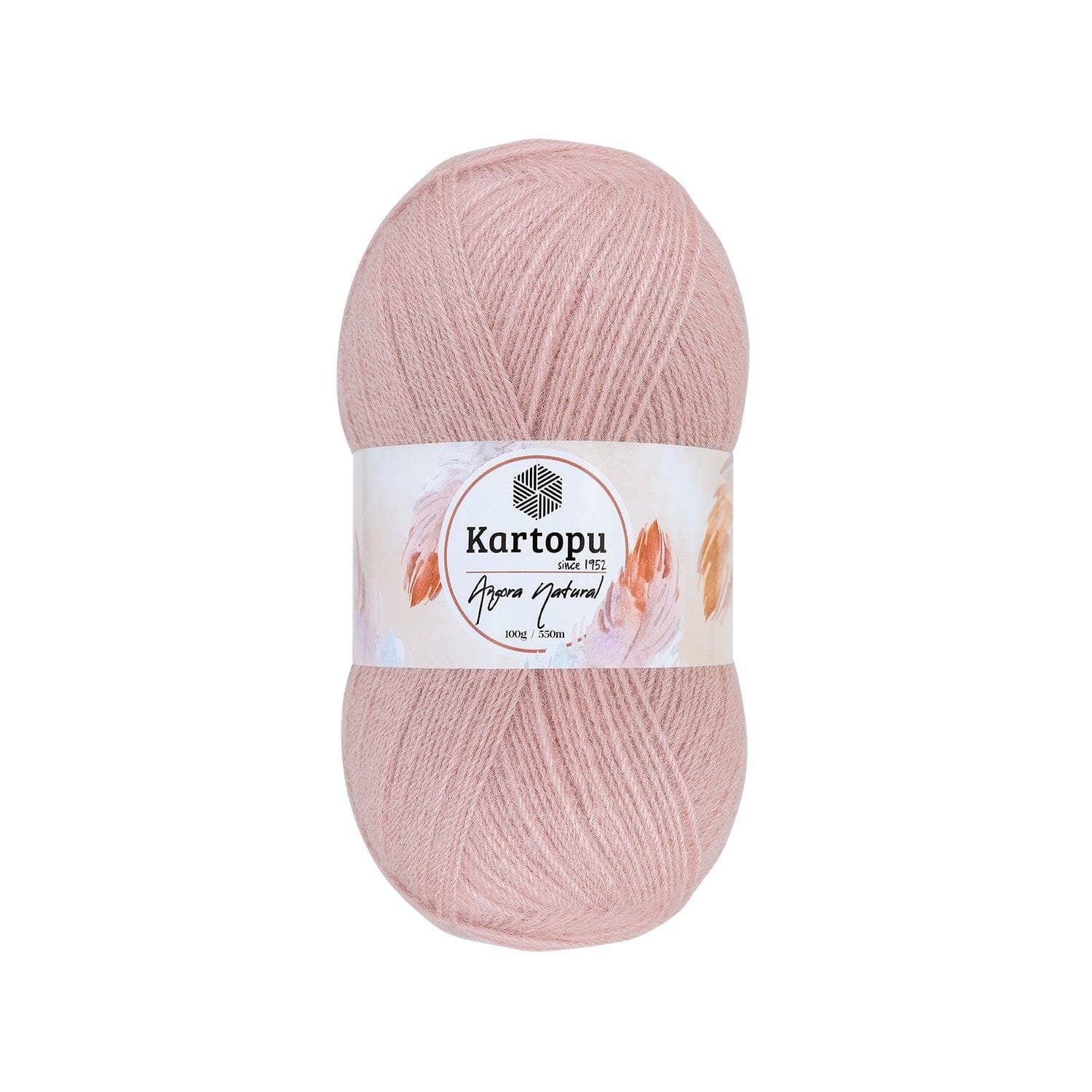
Kartopu ANGORA NATURAL (wool, acrylic)
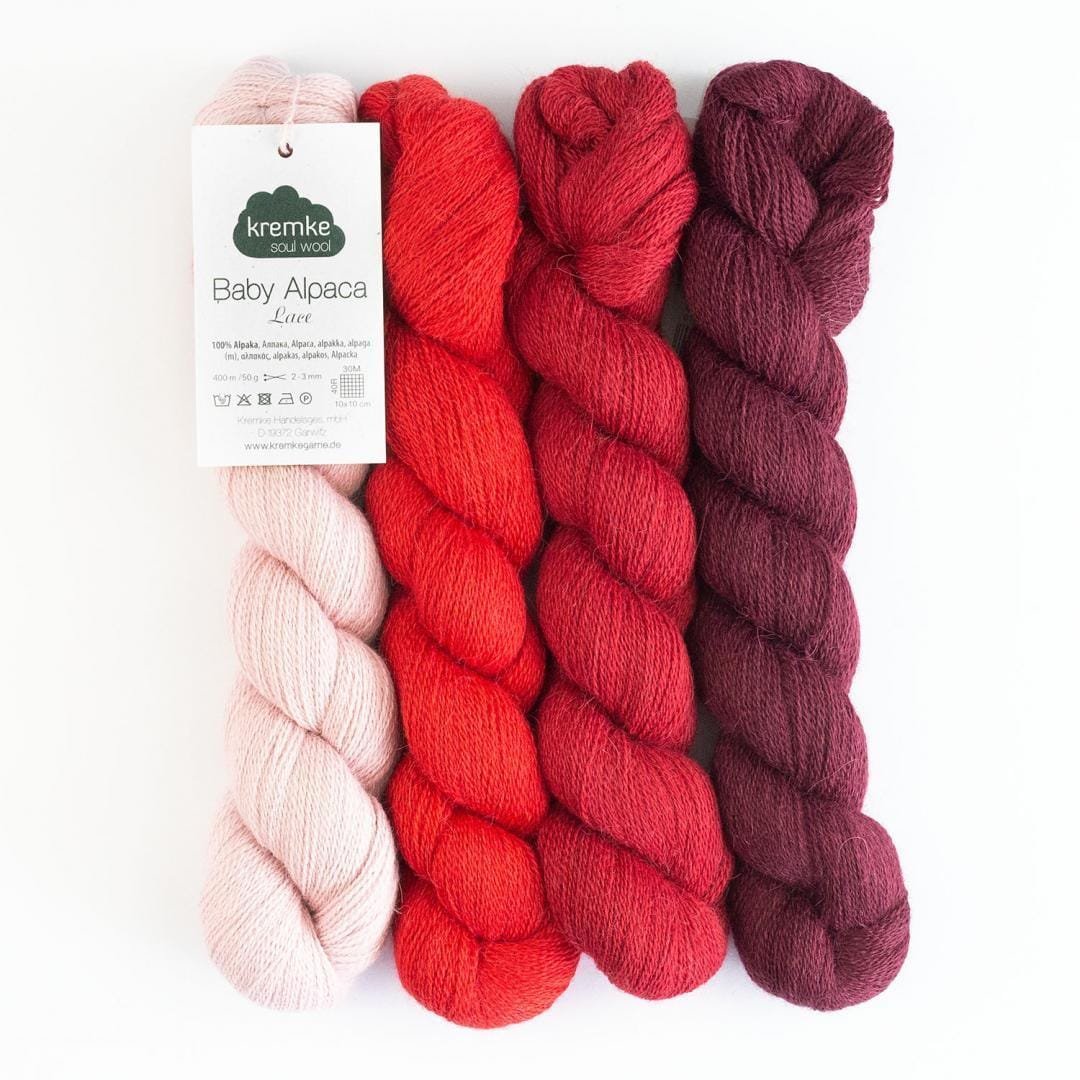
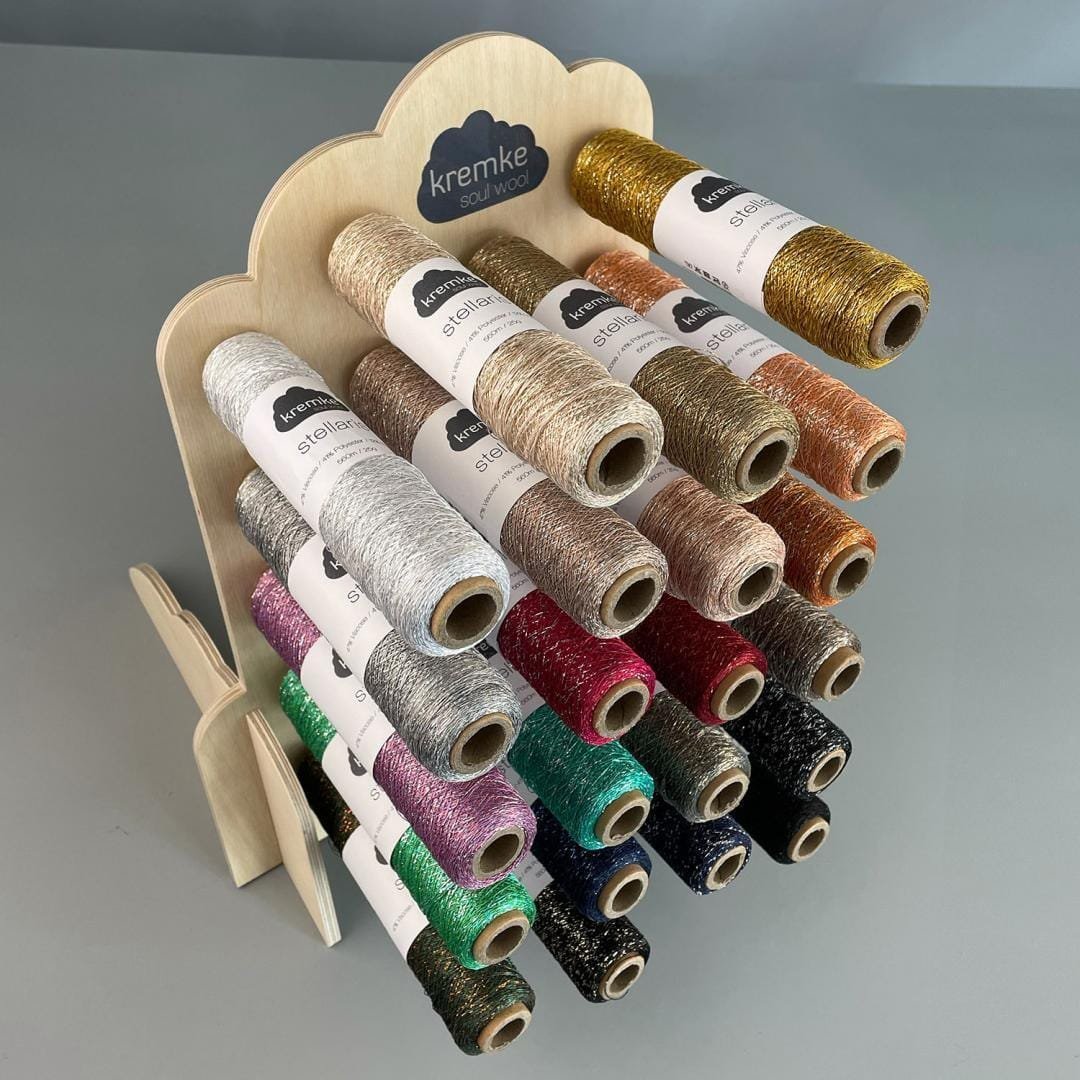
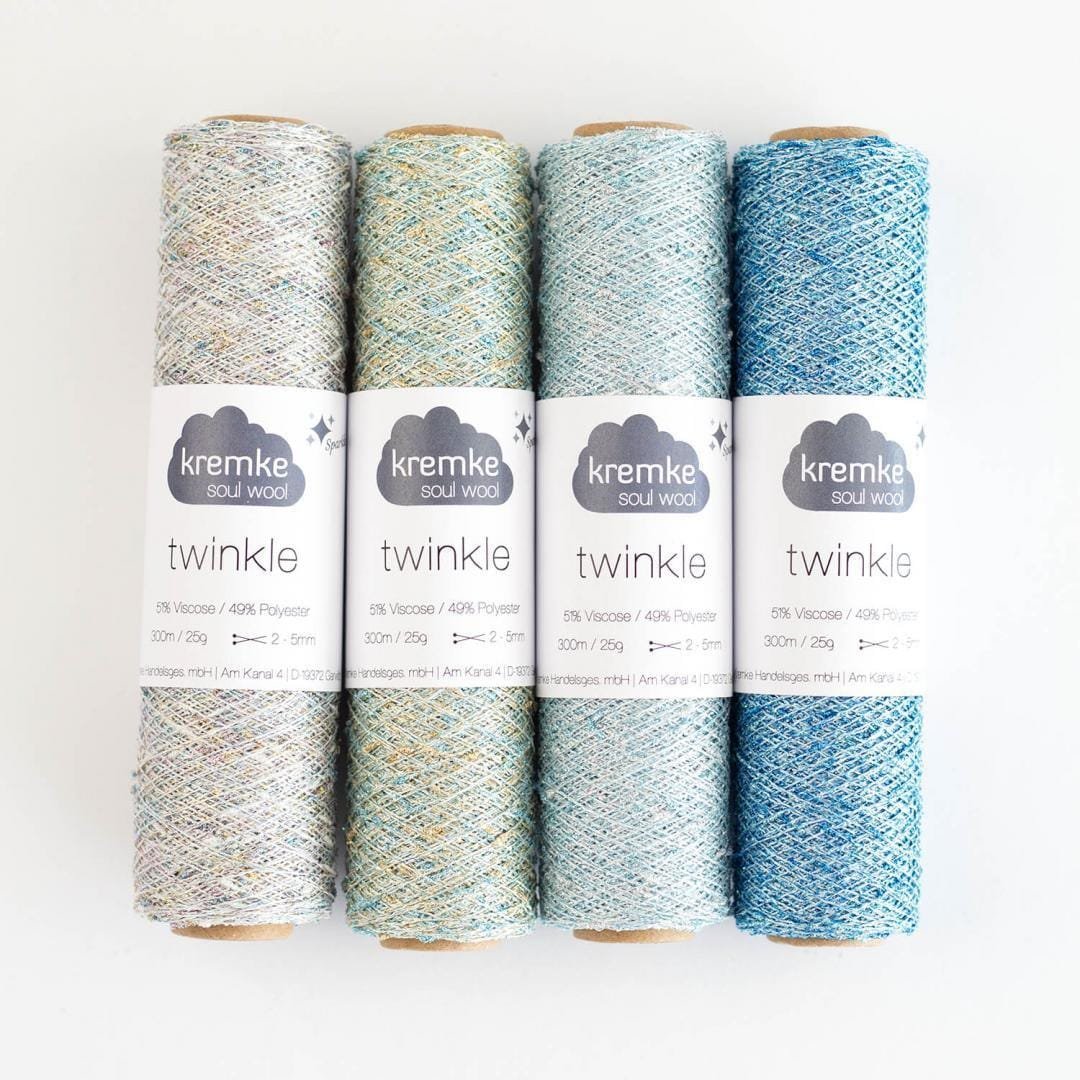
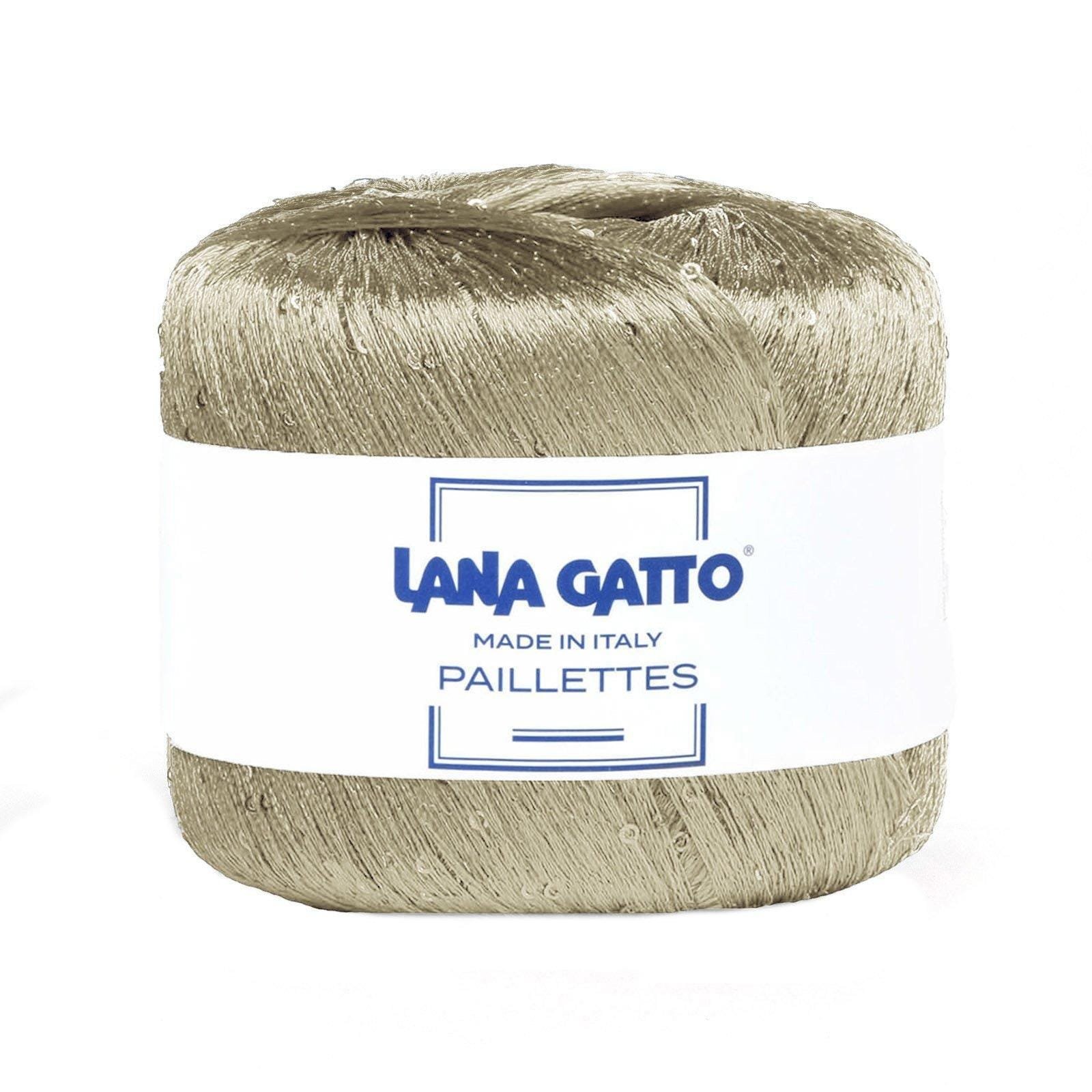
Lana Gatto PAILLETTES (100% polyester)
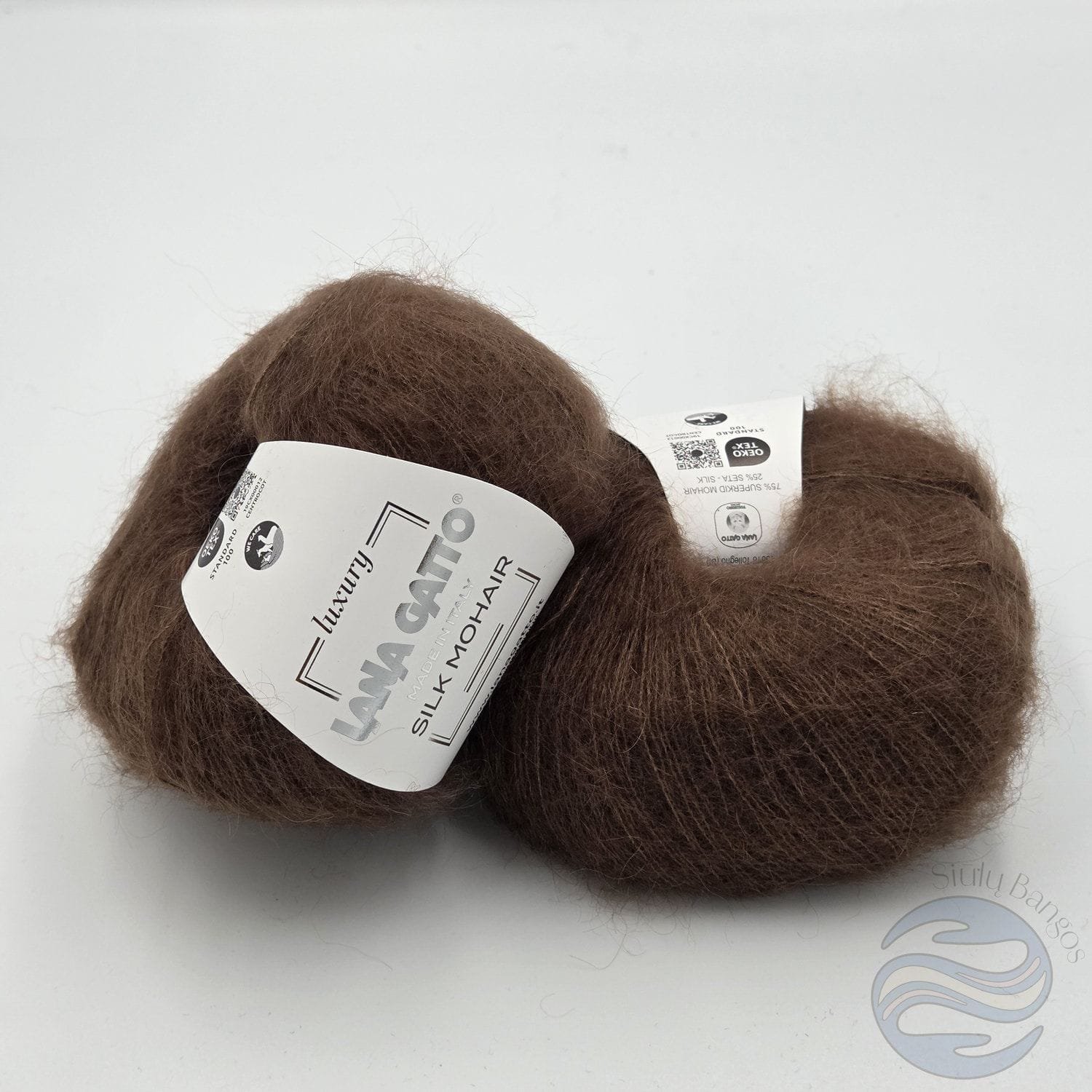
Lana Gatto SILK MOHAIR (mohair, silk)
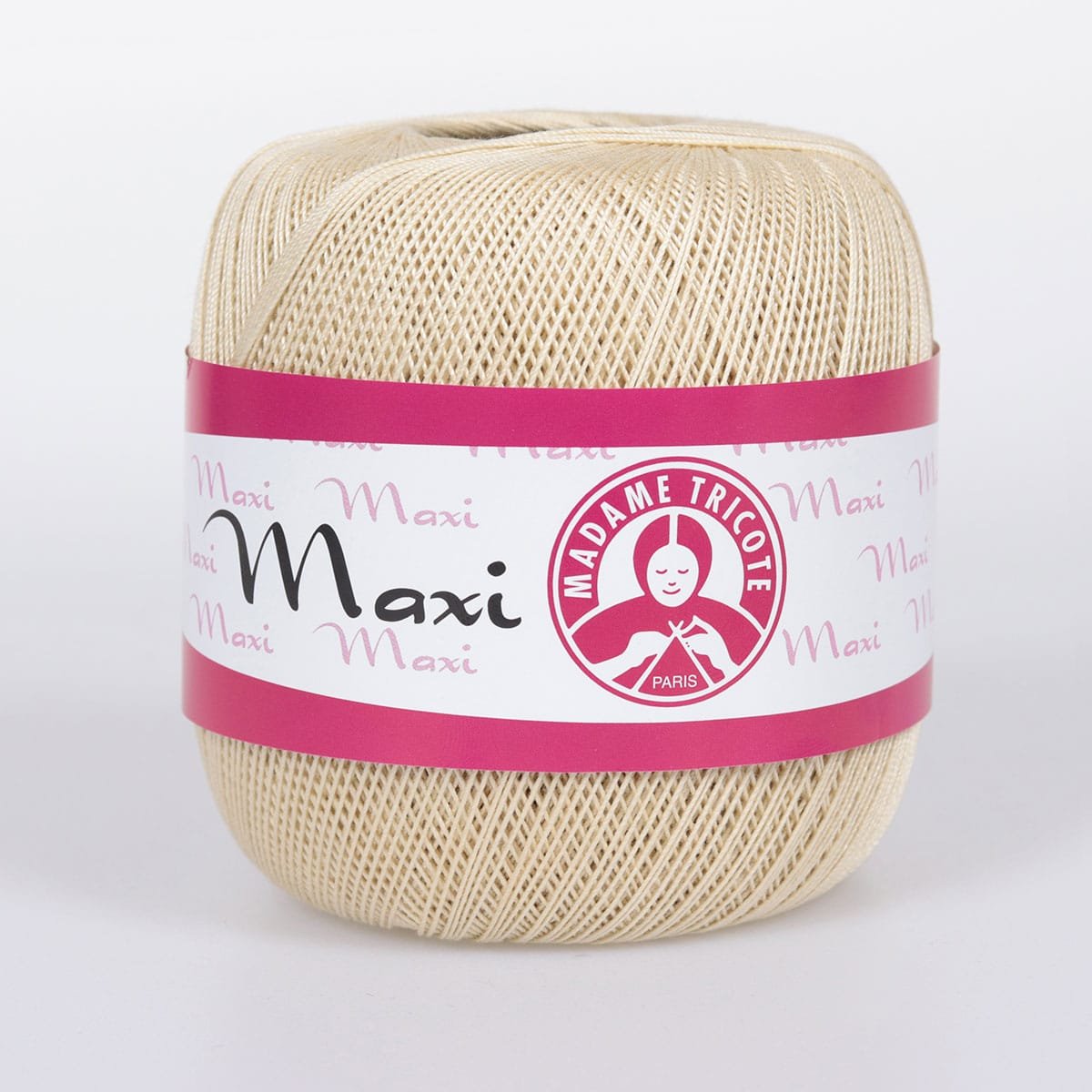
Madame Tricote Paris MAXI (100% cotton)
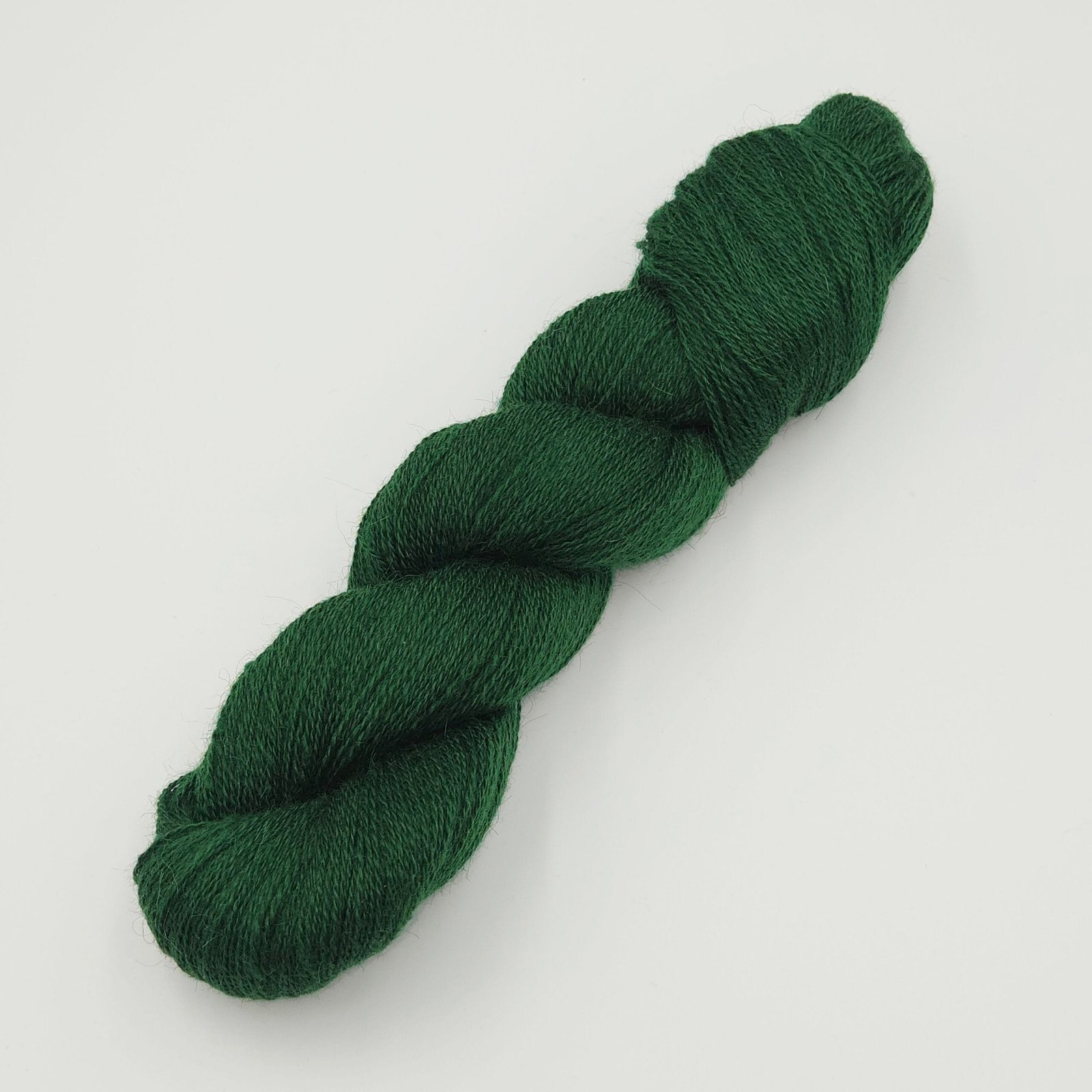
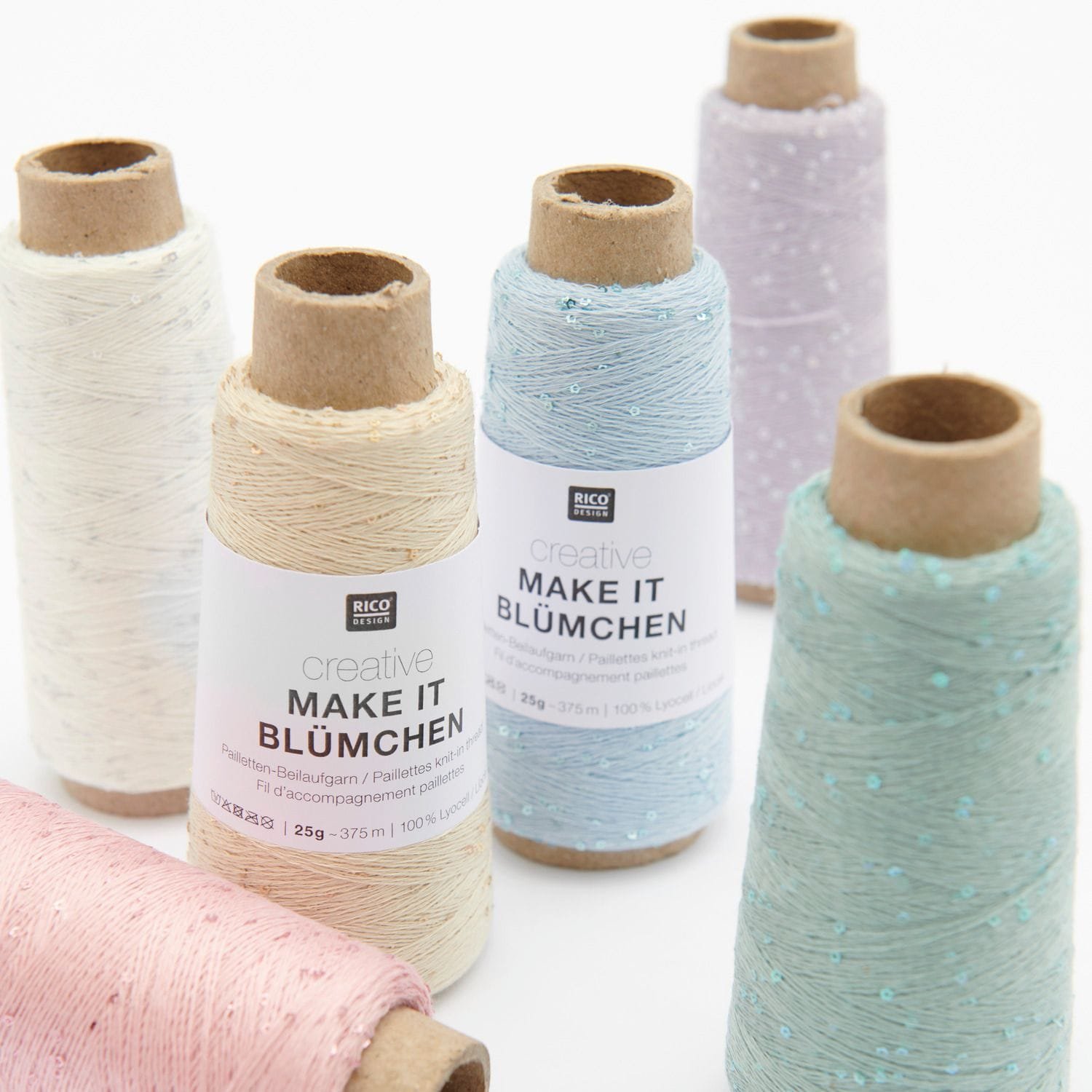
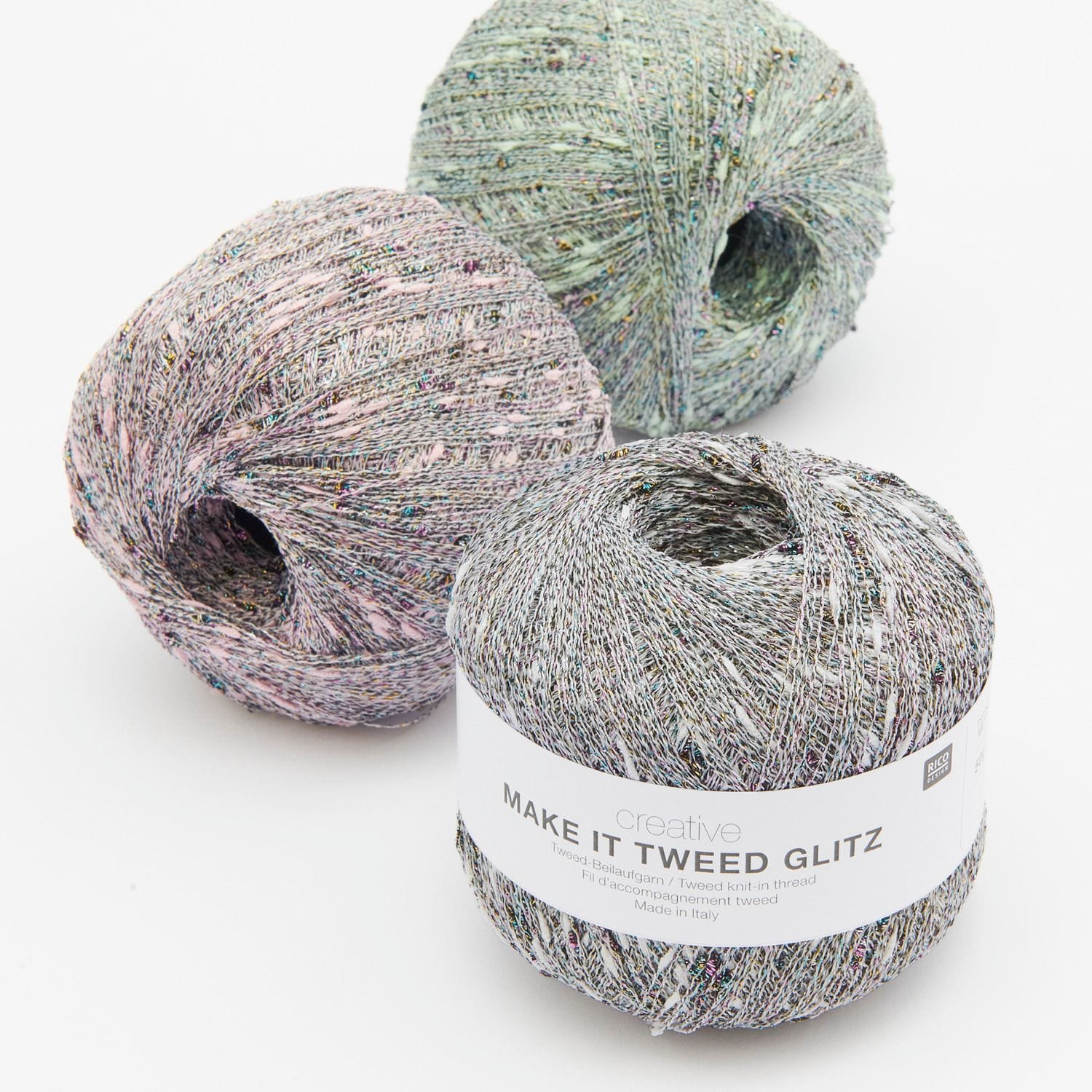

Silk by Arvier HABSBURG (80% merino wool, 20% acrylic)
Extra fine yarns - when needlework becomes extra delicate
Needleworkers often find that the same pattern can look completely Different depending on the offer you choose. Sometimes all you need to do is change the thickness of the yarn, and the knitted piece takes on a completely different character. That's why many knitters or crocheters try at least once Extra fine threads - they allow you to create extremely light and small jobs. Such yarns are most often used when delicacy is desired. They are not intended for thick winter for sweaters or difficult projects. On the contrary - Extra fine yarns are more often chosen when lightness, detail and precision are important.
Why are fine yarns so appreciated in needlework?
Some projects simply require finer threads. For example, lace, decorative doilies or lightweight scarves are usually made with fine threads. The reason is quite simple. Extra fine yarns allow very small loops to be formed, so letters can be more complex and detailed. If the same ornament were knitted with thick yarns, it would look much more massive. Whereas with fine yarns, lightness can be maintained.
Feeling the work when knitting
When working with fine yarns for the first time, you may find that the work is a little slower. The stitches are smaller, so more precision is needed. But for many needleworkers, this becomes an advantage. Extra fine threads often made possible by work with great concentration and calm, which makes the process enjoyable. Some knitters even say that these projects are like meditation - the hands move slowly and the mind slowly calms down.
Projects for which fine yarns are particularly suitable
Although fine yarns can be used for a wide range of needlework, they show up particularly well in some projects.
Usually Lace / very fine yarn used:
- for lace
- for tablecloths
- for decorative napkins
- for lightweight scarves
- for delicate accessories
Such handicrafts often look very elegant and even a little like fabrics.
Feeling of lightness in the knit
One of the things that is most fascinating about using fine yarns is the lightness of the knit. Even a fairly large project can look very light. The ultra-fine yarns create a fabric that is thin and easy to fall, so it looks elegantly. For this reason, such yarns are sometimes even used for summer garments.
What tools are needed when working with fine yarns?
The right choice of tools is essential when working with these threads. Smaller sized bobbins or small crochet hooks are commonly used. Extremely fine threads require precision tools, as this is the only way to keep the structure of the knitting neat. In addition, smaller tools allow a better view of each stitch.
Fine patterns and details
Thin yarns are particularly appreciated for their ability to create more complex designs. Extra fine yarns allow for very fine details in knits, which sometimes resemble lace. For this reason, such yarns are often used in decorative projects. Sometimes even a simple pattern looks very interesting when knitted with fine yarn.
Combination with other threads
Some needleworkers use fine yarns for more than just one thing. Sometimes they are combined with other fibres. Extremely fine yarns can be knitted together with thicker yarns, to create a more interesting surface. For example, a fine yarn can give the knit a lightness or a subtle decorative effect. Such experiments often open up new creative possibilities.
Why are fine threads still used?
Although there are many different yarns in modern textiles, fine yarns still have their place in the needlework world. The extra fine yarns allow you to create designs that look very delicate and elegant. For this reason, they are often used in projects where aesthetics and detail are important. Needlework allows you to try different yarns and discover their properties. Some fibres are designed for warmth, others for decoration.
The extra fine yarns are distinguished by their delicacy and their ability to create very detailed knits. They are perfect for lace, decorations or light accessories. Sometimes it is this type of yarn that allows you to create handicrafts that look very elegant and eye-catching because of their meticulous care.