
Felting yarn
Brand name




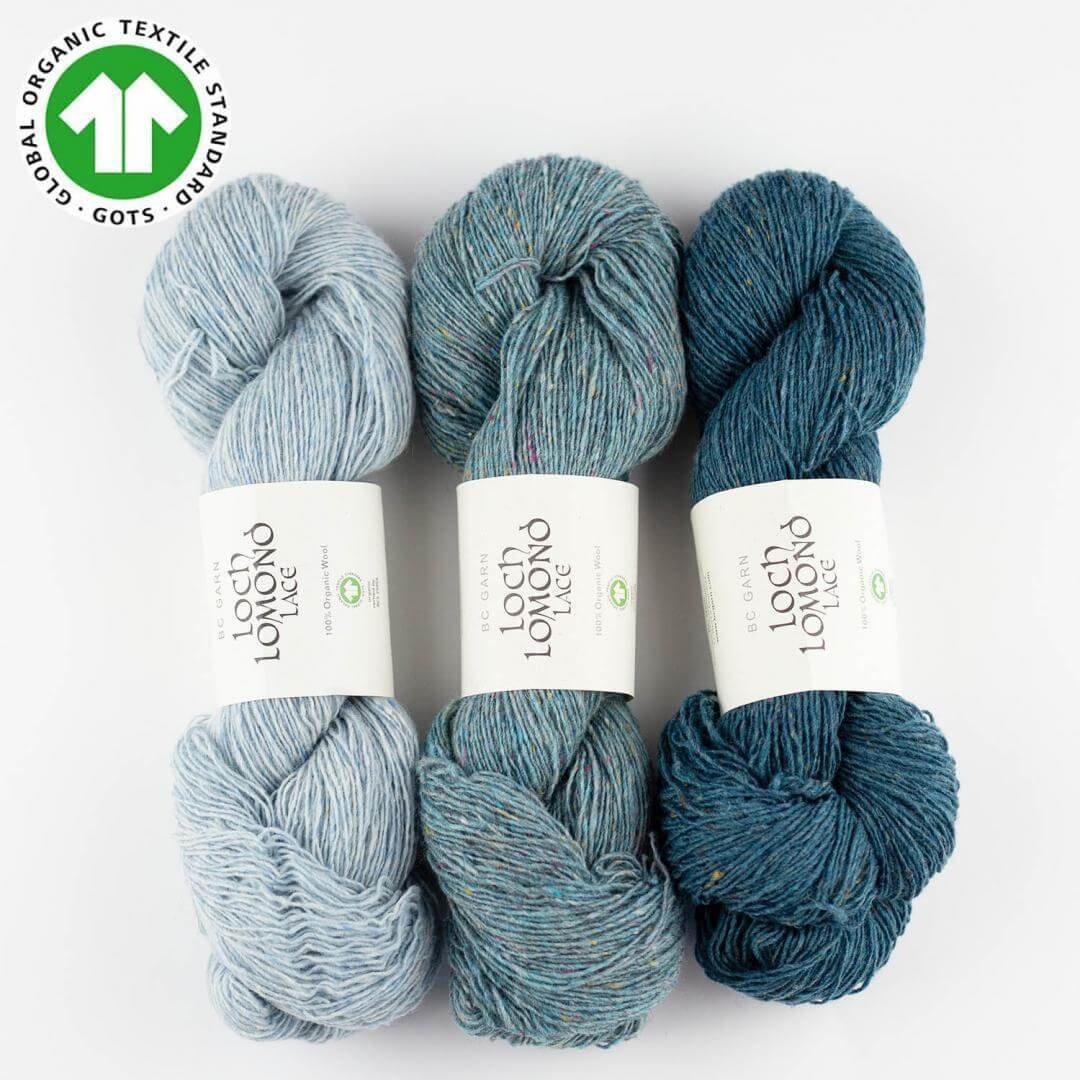
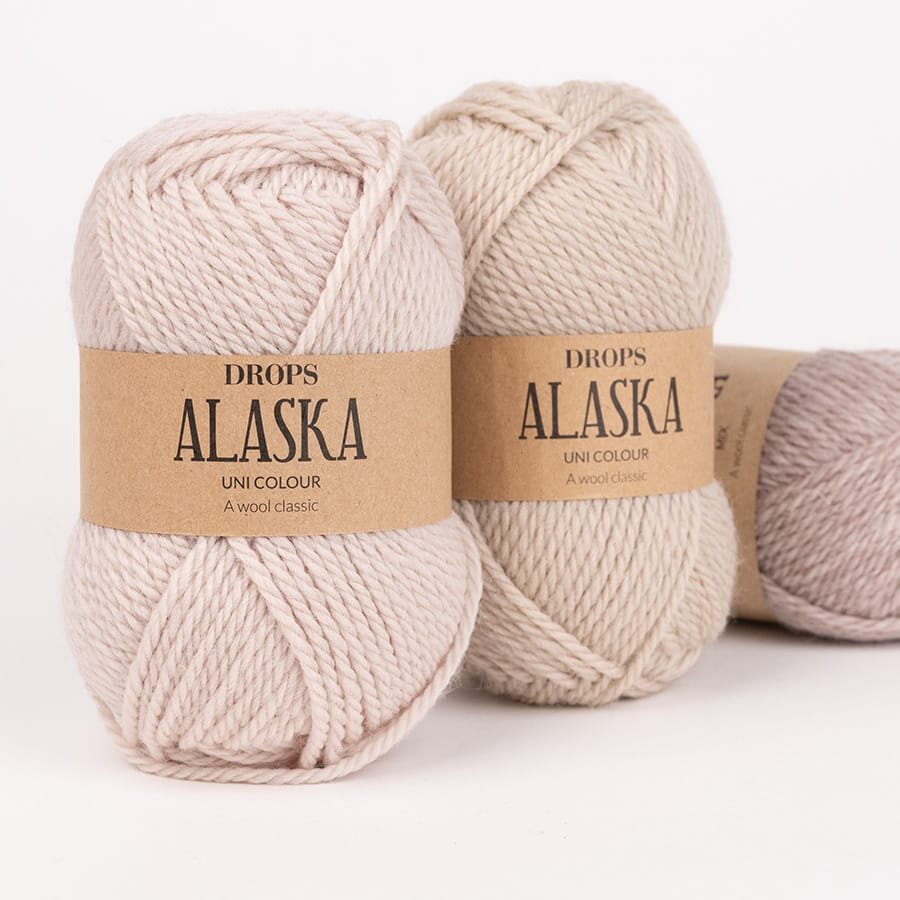
Drops ALASKA (100% vilna)
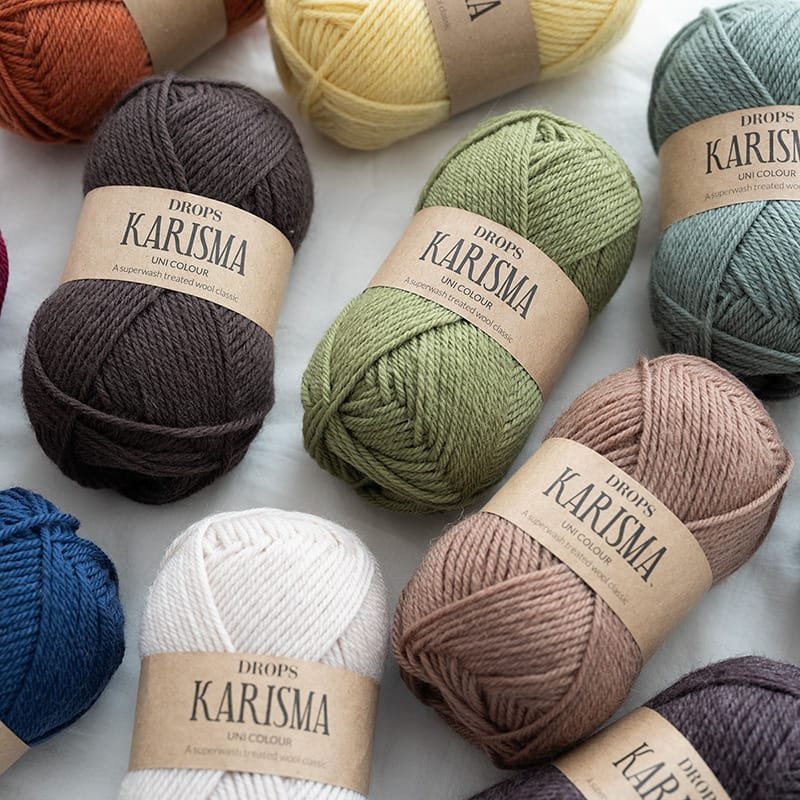
Drops KARISMA (100% vilna)
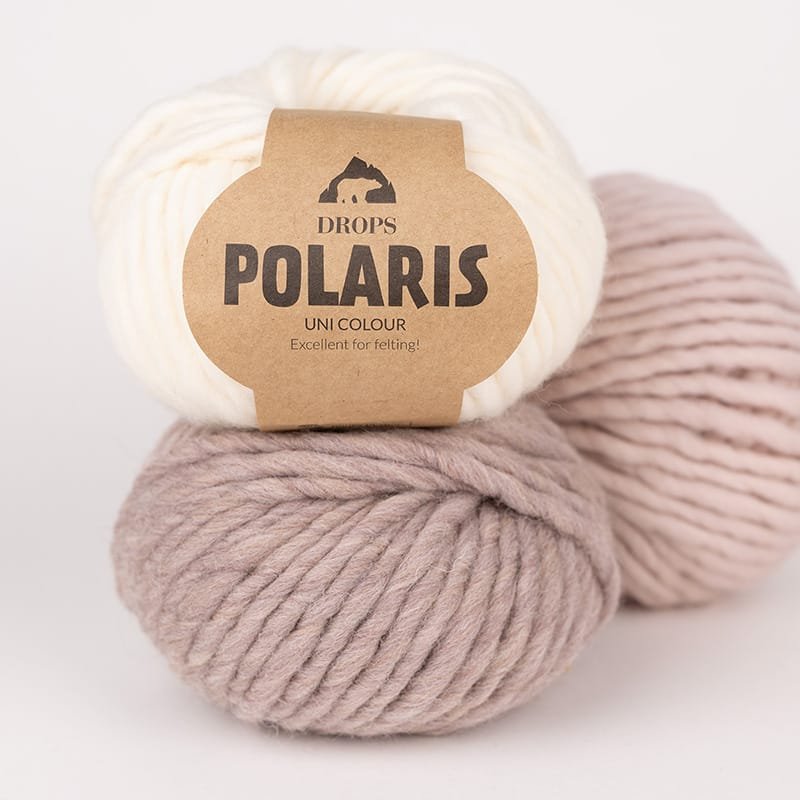
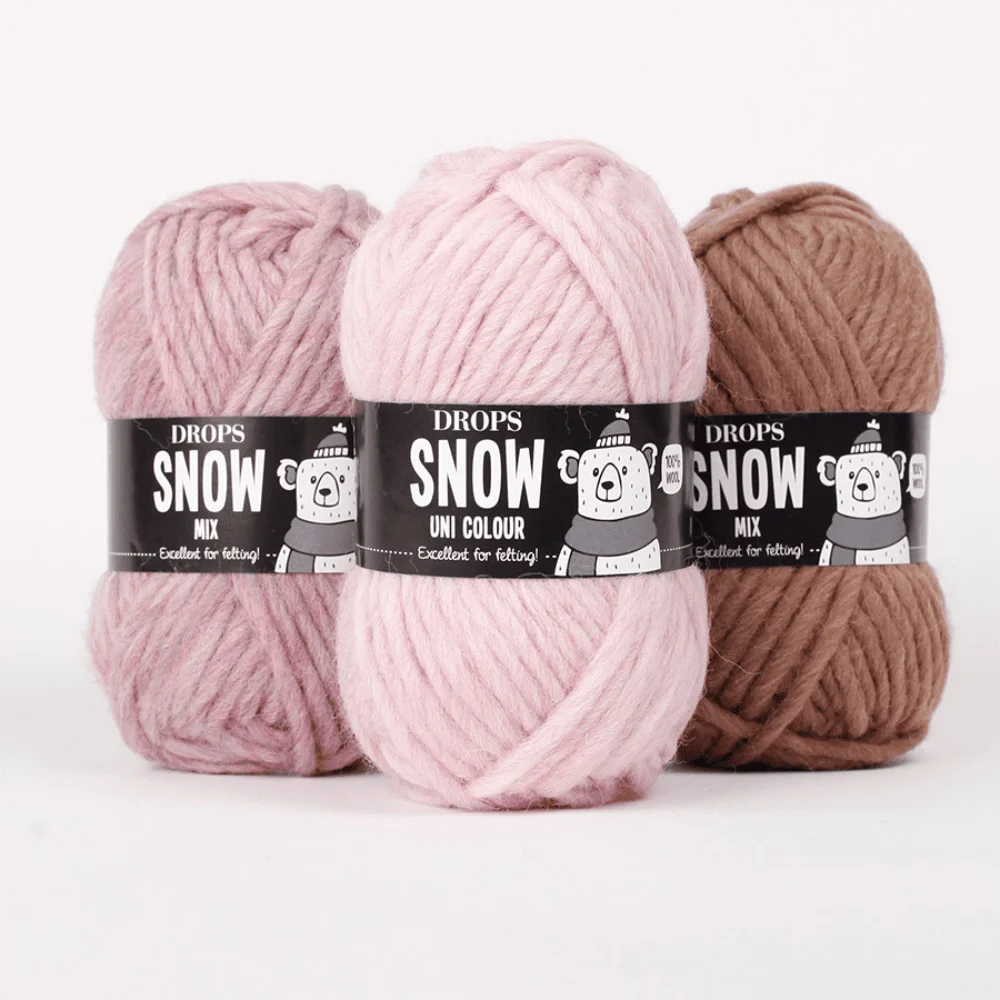
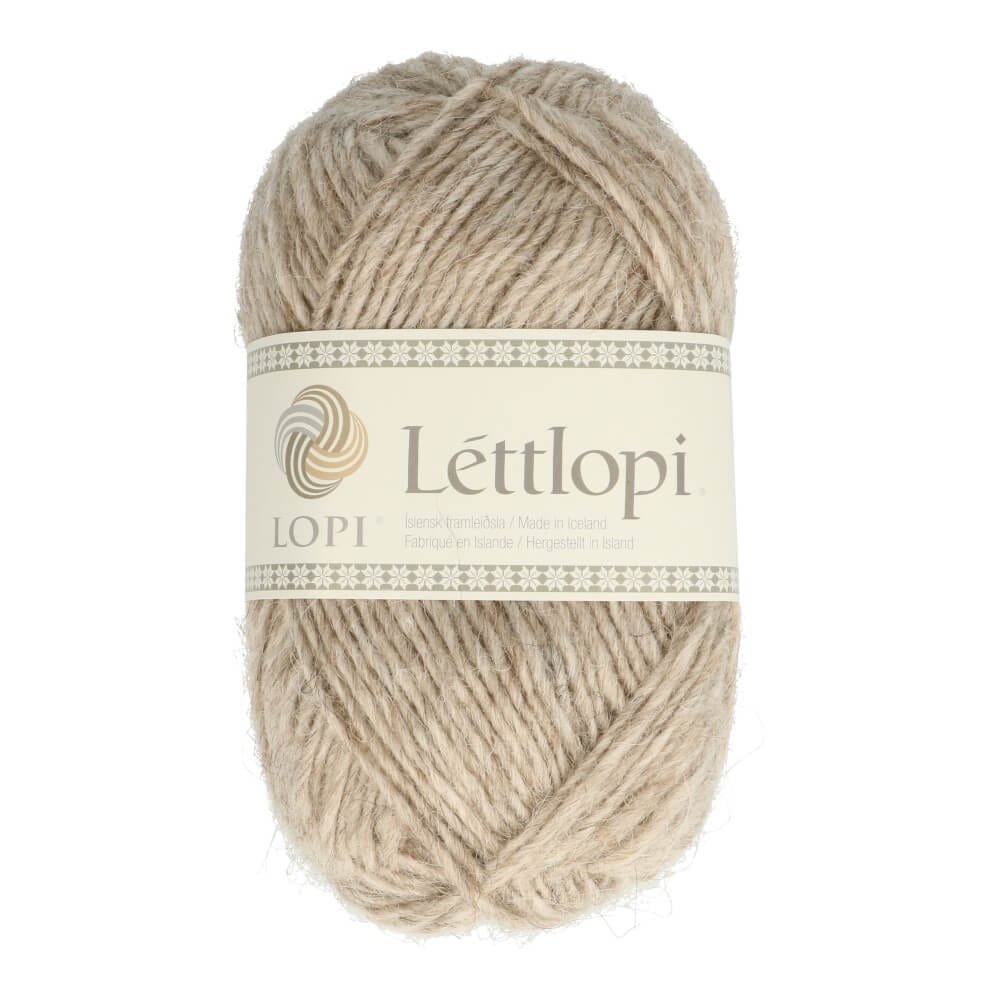
Flossing - what to know before starting?
Felting is one of the oldest textile techniques and remains popular today. Although the process was previously used for the practical for items such as clothes or shoes, today needlework is often a creative activity. Wool is used to create jewellery, toys, decorations and even works of art. However, for a successful result, it is essential Choose available at bobbin thread. Not all yarns are suitable for this process. Some fibres simply do not twist or twist very weakly. It is therefore worth understanding which materials and properties are most important before starting work.
What is gouging?
Spinning is the process by which wool is fibres intertwine to form a dense, coherent structure. This is due to microscopic scales on the surface of the wool. When exposed to moisture, heat and movement, they begin to cling to each other. For this reason, natural wool is one of the most suitable materials for felting. This is why threads for threading are usually made from wool or wool blends.
There are several different ways to carry out a vomiting operation. The most popular are:
- wet punching,
- dry needling using special needles,
- Knitting a skein during washing.
Each method has its own particularities, but in all cases most important element remains a suitable fleece.
Which yarns are the most suitable for felting?
When choosing a yarn, it is important to pay attention to its composition. Natural wool is the best choice as its fibres have a natural tendency to pilling.
Commonly used for piercing:
- 100 % Wool yarn,
- sheep's wool yarn,
- Wool blends containing a small proportion of synthetic fibres.
Such yarns make a strong and relatively dense felt. However, it is important to be aware that some wool yarns can be specially treated to prevent them from becoming tangled. Such wool is often referred to as washed wool or „superwash“. It is not suitable for felting because its fibres do not bind together in the same way as natural wool.
What is the difference between a piercing yarn and a regular knitting yarn?
The main difference lies in their structure. Threads for gillnetting are often slightly fluffier and less processed. This makes it easier for the fibres to intertwine. Some knitting yarns are very smooth and strongly twisted. In this case, the skein may be more difficult to spin. Therefore, for creative projects, yarns with a more natural texture and less surface treatment are usually chosen.
What can be created with floss?
Breeze offers a lot of creative possibilities. Wool can be used to create a wide range of objects, from practical to decorative.
The most popular projects are:
- slippers,
- handbags,
- hats,
- toys,
- jewellery,
- interior decorations.
Handmade wool toys are particularly popular. They are often created using dry felting, which allows very fine details to be shaped. They are also often first knitted with wool yarn and then specially spun during washing. This creates a denser and stronger structure.
What to look for when choosing a yarn?
Choosing bobbin thread, it is important to consider several things. First, the composition. The more natural wool, the better the yarn will wear. If there are a lot of synthetic fibres, the result may be weaker. It is also worth paying attention to the thickness of the yarn. Thicker yarns often make it possible to create dense felts more quickly. Colour can also have an impact on the final result. Some designers specifically combine several colours to create interesting transitions in the felt.
Why is piercing still so popular?
Although it is a very old technique, needlepoint has not lost its charm. Many people are attracted by the opportunity to work with natural materials and create unique objects. In addition, the process itself is often considered very relaxing. Shaping and creating wool by hand allows you to step away from the daily rush. This is why threads for threading are increasingly being chosen by both experienced developers and people who are just getting to grips with the technique.
It is fair to say that the right choice of threads for threading is one of the most important elements of a successful project. Natural wool, the right texture and a quality composition make it possible to achieve the best result. With the right yarns, felting becomes a creative process that allows you to create warm, durable and totally unique handmade products.