Blog
Warm yarns: wool, alpaca and mohair

Sheep wool
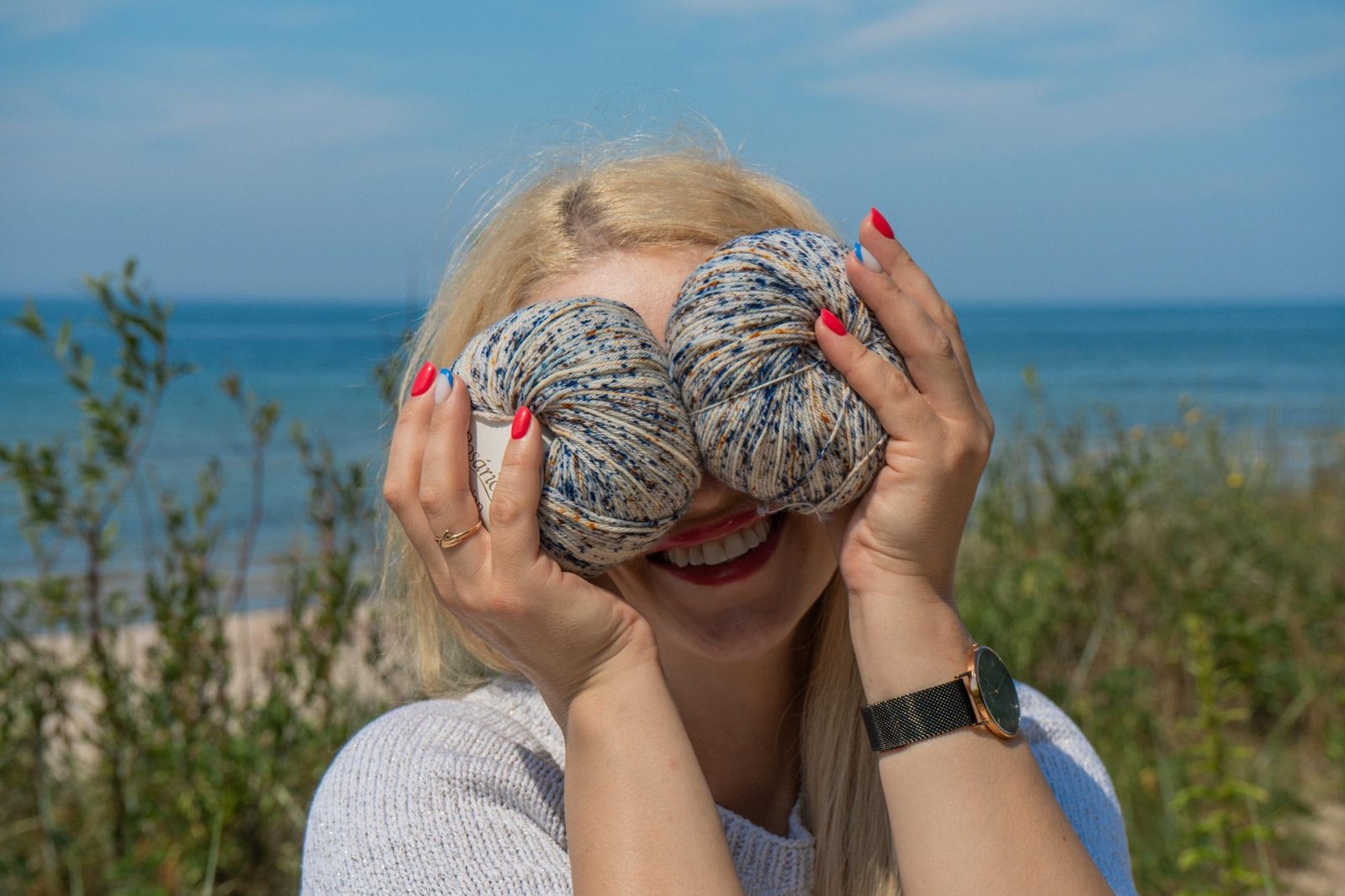
Sheep's wool is among the most popular fibres used for knitting and crochet worldwide. It is valued for its warmth, elasticity and durability. Although wool is often thought of as itchy, different types vary greatly in softness and other properties.
Key benefits
- Warmth: Wool is an excellent thermal insulator. The structure of the wool fibre traps air pockets, which prevent the body from getting cold. This characteristic makes wool products ideal for the cold season.
- Moisture absorption: wool can absorb up to 30% of its own weight in moisture without feeling wet. This helps to maintain an optimal body temperature and a feeling of dryness, making wool suitable not only for winter but also for summer clothing.
- Elasticity: wool is naturally elastic, so knitwear retains its shape, resists wrinkling and is less likely to stretch out.
- Antibacterial properties: the natural fat in wool, lanolin, has antibacterial properties and prevents the build-up of unpleasant odours.
Disadvantages and different types
- One of the biggest drawbacks of traditional sheep's wool is its coarseness, which can irritate sensitive skin. However, sheep's wool varies from breed to breed.
- Coarser wool: Coarser wool, such as that from Shetland sheep, is very durable and long lasting. It is ideal for outerwear, scarves, hats or carpets where durability is more important than softness.
- Softer wool: softer types of wool (e.g, Merino) are extremely soft and kind to the skin, making them ideal for underwear, baby clothes or thin, close-to-the-skin sweaters.
- When choosing sheep's wool, consider the fibre diameter. As a rule, the finer the fibre (measured in microns), the softer and less itchy it feels.
Merino wool
Merino wool is wool from merino sheep. These sheep are farmed in many parts of the world, but the largest populations are in New Zealand and Australia. Merino wool has unique characteristics and is highly valued for its exceptional fibre.
Key features
- Thinness and softness: the main advantage of merino wool is the thinness of its fibres. It is much thinner than traditional wool, making it extremely soft and gentle and non-irritating to even the most sensitive skin. Therefore merino wool often described as non-itchy wool.
- Temperature regulation: merino wool has excellent thermoregulatory properties. In cold weather, it traps heat and prevents the body from getting cold, while in hot weather it cools the skin by drawing moisture away from the body.
- Breathability: this wool allows the skin to breathe and has excellent moisture absorption. The fibre can absorb up to 30% of its own weight of moisture and stay dry, making merino wool clothing comfortable and suitable for active leisure activities.
- Odour resistance: merino wool is naturally odour resistant. The fibre's surface inhibits the growth of bacteria, keeping clothes fresh even when worn for long periods.
- Elasticity: merino wool is naturally elastic, so knitwear retains its shape and resists wrinkling.
Although merino wool is a natural fibre, it is not particularly demanding. Most merino wool yarns and knitwear can be machine-washed on a wool-specific programme with a special detergent. It is important to avoid high temperatures, vigorous wringing and tumble-drying, as these can damage the fibre.
Use of
- All these qualities make merino wool particularly popular for knitting and crochet projects. It is perfect for:
- For baby and children's clothing
- For underwear and socks
- For jumpers, hats and scarves
- For sportswear (e.g. skiing, hiking)
- For elegant and fine knits.
Alpaca wool
Alpaca wool is luxurious and prized for its unique qualities, and comes from alpacas, a family of camels that are mainly reared in the Andes mountains of South America.
Key features
- Warmth and lightness: alpaca wool is extremely warm, up to 7 times warmer than sheep's wool. This is because the fibre has microscopic air pockets which act as a great insulator. At the same time, it is extremely light.
- Soft and smooth: Alpaca hair does not contain lanolin (the fat found in sheep's wool), so its wool is soft and smooth, and does not irritate the skin or cause allergies. It is the perfect choice for sensitive people or babies.
- Moisture resistance: Alpaca wool naturally repels water, so knitwear stays dry even in humid conditions. It is also fire resistant.
- Durability: alpaca wool is strong and resists stretching, helping knitwear retain its shape and last longer.
- Gloss: Alpaca wool has a natural sheen that gives the knitwear an elegant look.
Maintenance
Although alpaca wool is very durable, it requires gentle care. It is best washed by hand in cool water with a detergent specifically designed for wool. Vigorous wringing or tumble drying can damage the fibres.
Use of
- The warmth, lightness and softness of alpaca wool make it the perfect choice for these knits:
- For scarves, hats and warm jumpers.
- For thin, elegant garments that need excellent insulation.
- For babies and people with sensitive skin.
- There are two main types of alpaca wool:
- Huacaya alpaca wool: the most common, similar to sheep's wool. It has a softness and is very fluffy.
- Suri alpaca wool: rare and more valuable. This wool is lustrous, silky smooth and falls in beautiful waves.
- Alpaca wool is often blended with other fibres (e.g. wool, silk or synthetics) to make it even stronger, more elastic and easier to care for.
Mohair
Mohair wool (also known as mohair) is a very luxurious fibre derived from the wool of Angora goats. Due to its exceptional qualities, mohair is highly valued in the fashion industry and among handicraft enthusiasts.
Key features
- Lightness and fluffiness: the mohair is incredibly light and has fluffy, long hair. Knitted mohair knits look like fluff and are very airy and delicate.
- Warmth: Although mohair yarns appear thin and light, they have excellent thermal insulation properties. The air pockets between the fibres trap heat and prevent the body from getting cold.
- Gloss: Mohair has a natural, luxurious sheen, known as "diamond fibre". This lustre gives the knitted fabrics an elegance and luxury.
- Strength: despite its lightness and fluffiness, mohair is one of the strongest natural fibres. It resists stretching and abrasion.
- Mohair absorbs dye well and retains bright colours for a long time.
Species
- The quality of the mohair depends on the age of the animal:
- "Kid Mohair": This is a premium quality mohair, made from the wool of young goats from the first shearing. This wool is extremely fine, fine and soft.
- Young Goat Mohair
- Adult Mohair
Disadvantages and use
- Mohair yarns are often blended with other fibres (e.g. silk, wool, polyamide) to make knitwear even stronger and more durable. Also, pure mohair can be slippery when knitting and difficult to unpick if a mistake is made due to its long hair.
- The unique properties of mohair wool make it ideal for:
- For elegant, see-through scarves and shawls;
- For sweaters, vests and cardigans that require fluffiness and lightness;
- For subtle, luxurious touches.